Browse NASA Astronomy Picture of the Day archive by date and media: Archive Discoveries
Browse the NASA APOD archive without needing the exact date first. Filter by media type and keep moving deeper into older images and videos.
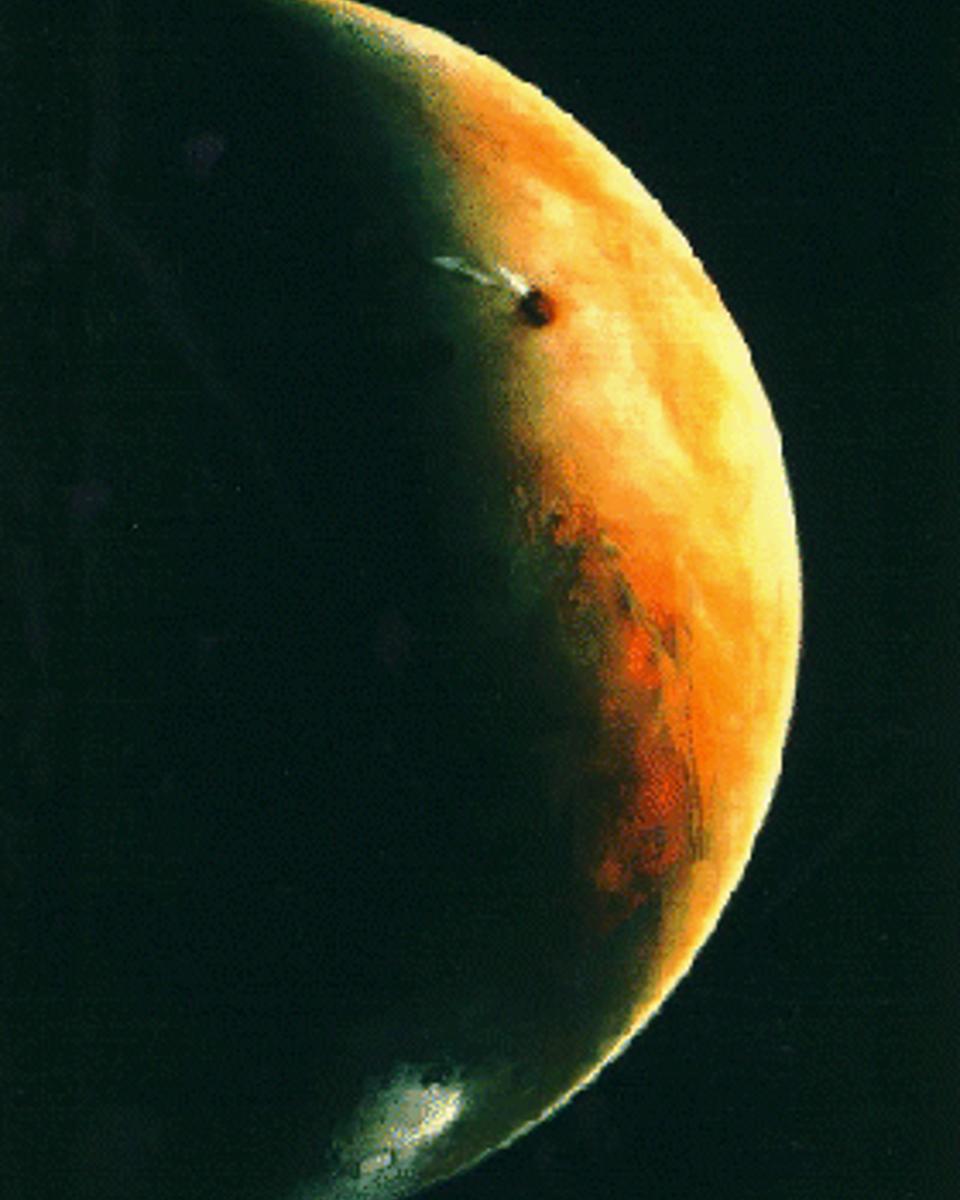
Barsoom
“Yes, I have been to Barsoom again ...” begins John Carter in Edgar Rice Burroughs' 1913 science fiction classic “The Gods of Mars” . In Burroughs' novels describing Carter's…
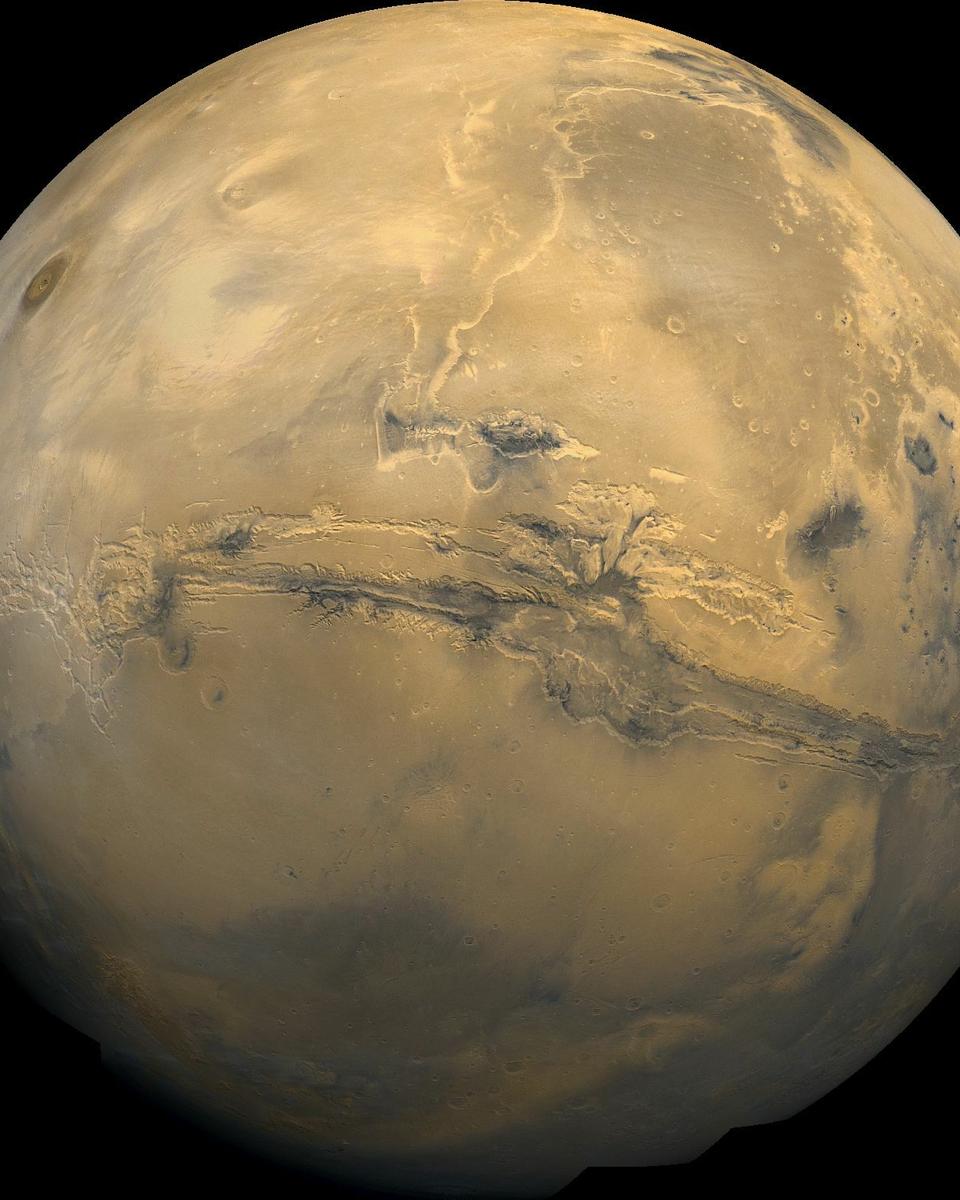
Mars: Just The Facts
Mars , the freeze-dried planet , orbits 137 million miles from the Sun or at about 1.5 times the Earth-Sun distance . It has two diminutive moons , towering extinct volcanos , an…
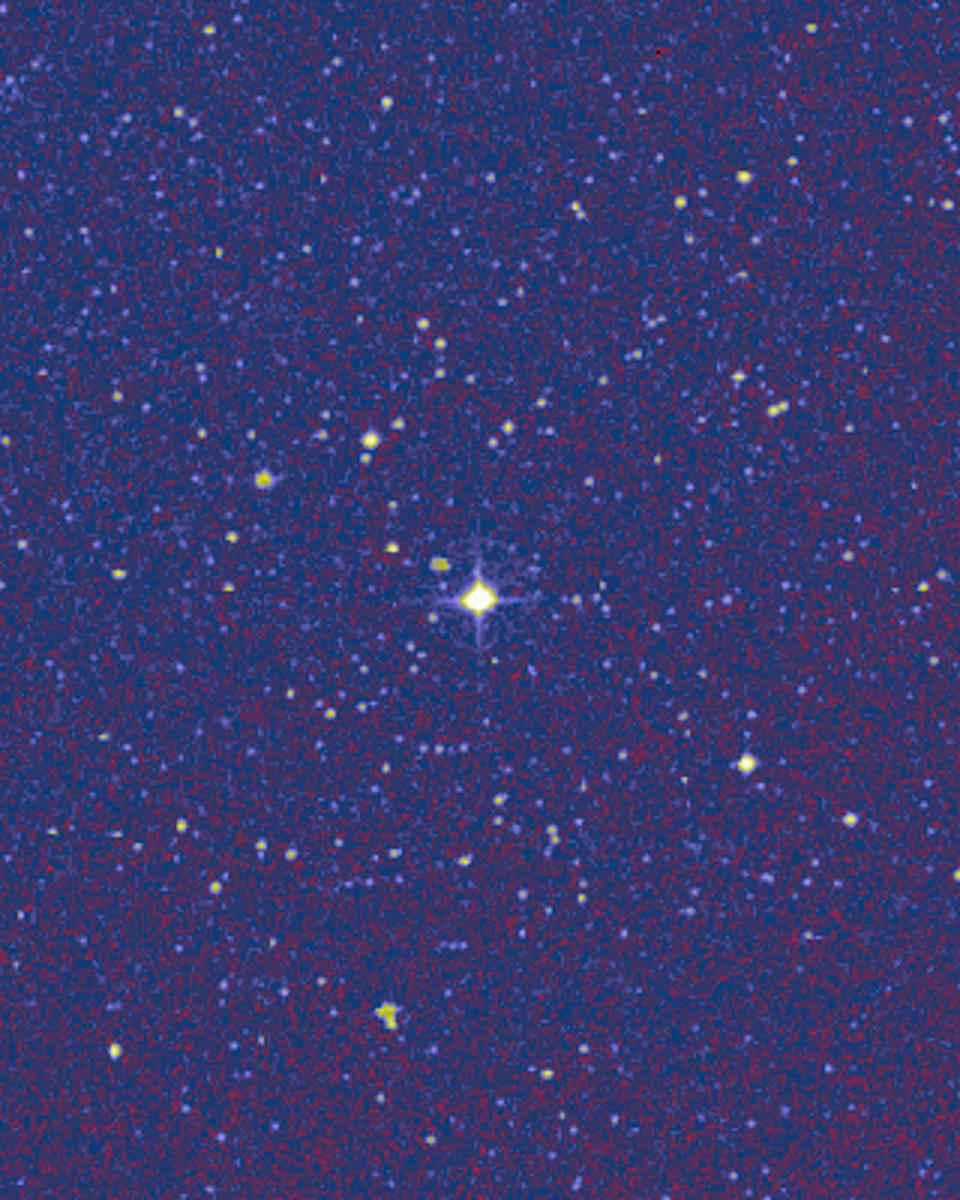
A Close Encounter of the Stellar Kind
The unassuming star centered in this sky view will one day be our next door stellar neighbor . The faint 9th magnitude red dwarf currently 63 light-years away in the constellation…
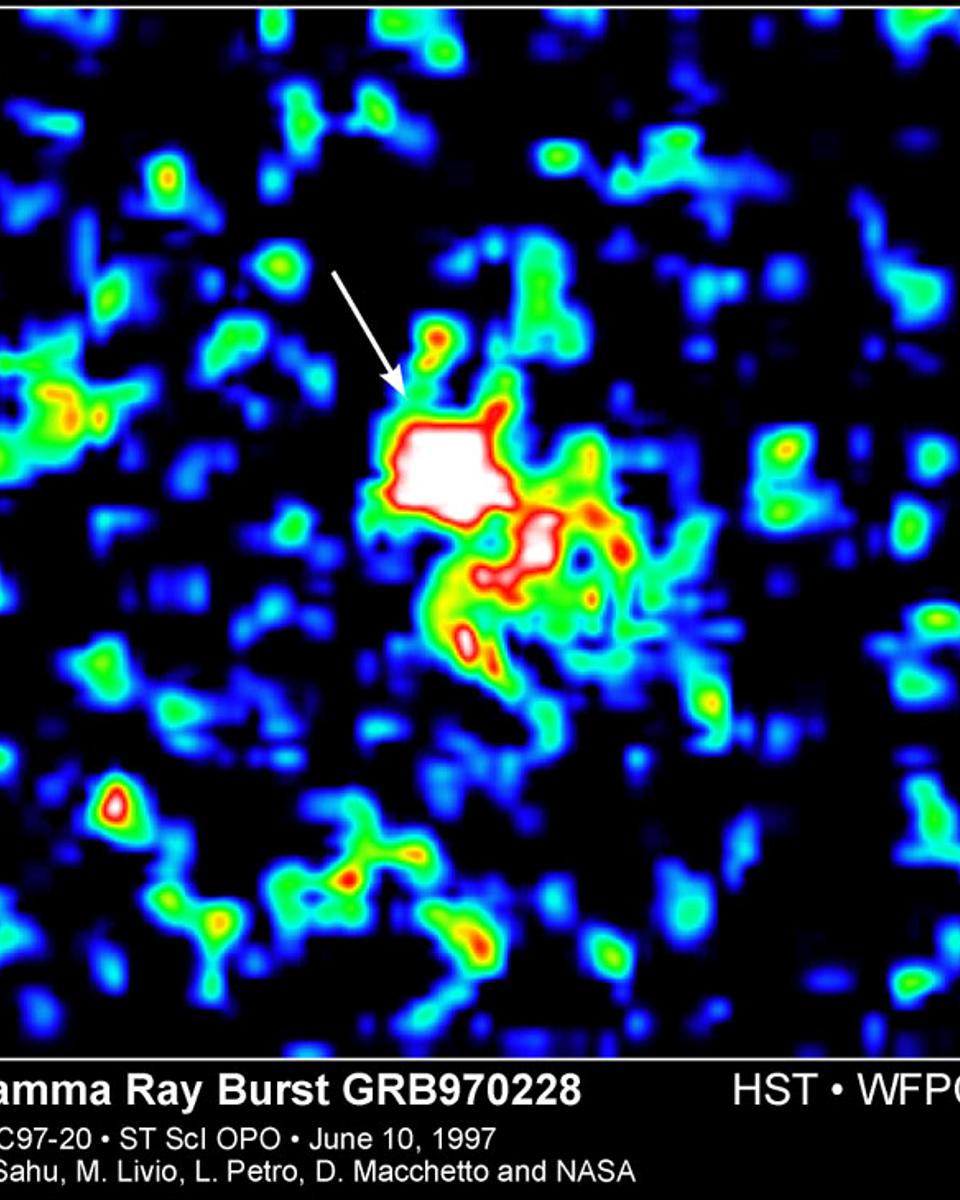
A GRB Host?
Where do gamma-ray bursts (GRBs) originate? The most powerful explosions in the universe have recently been located with record accuracy. But do GRBs occur in galaxies or out…
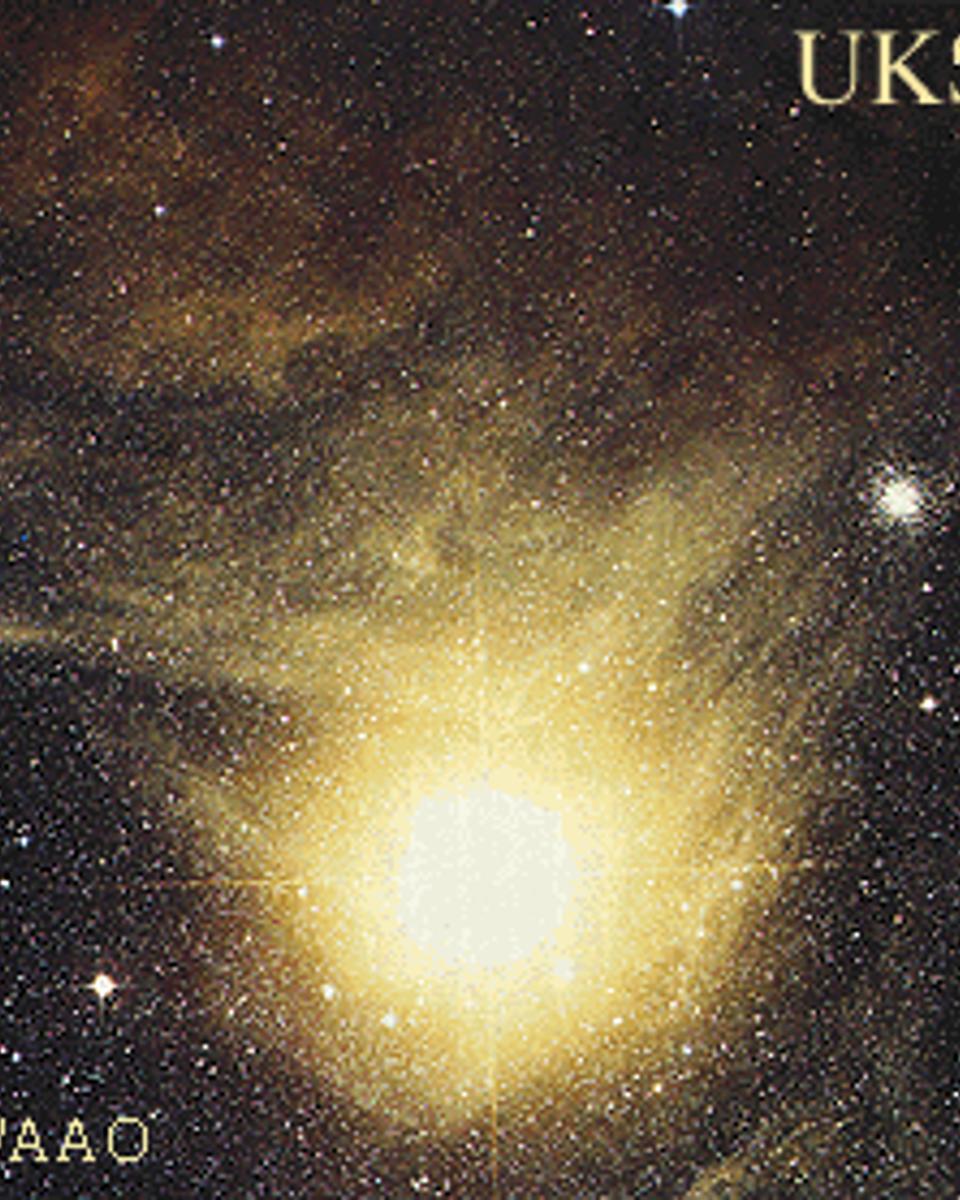
Antares
Antares is a huge star. In a class called red supergiant , Antares is about 700 times the size of our own Sun , 15 times more massive, and 10,000 times brighter. Antares is the…
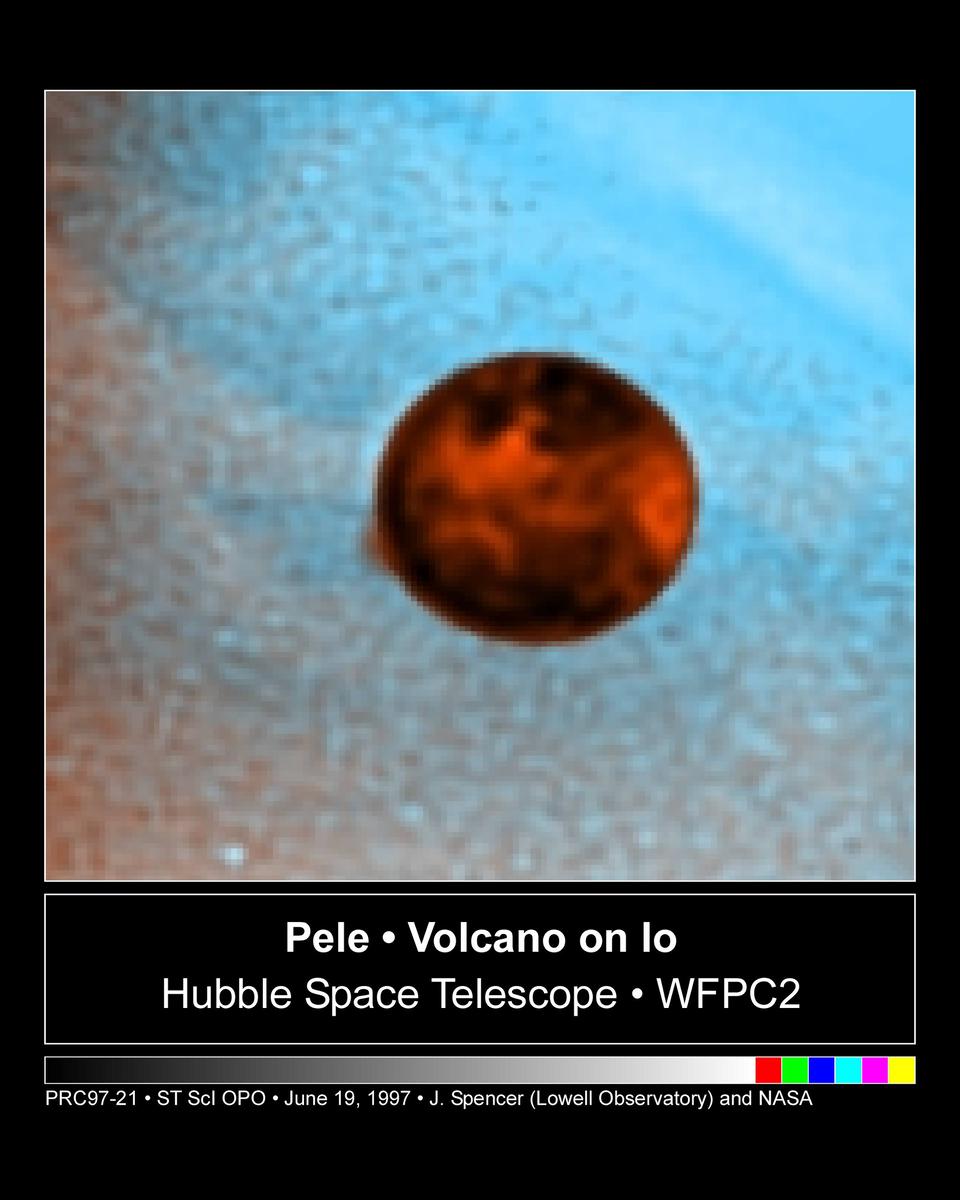
Eruption on Io
There it goes again. Gas and rock were catapulted hundreds of kilometers into space as Jupiter 's most volatile moon, Io , showed yet another impressive volcanic display in this…
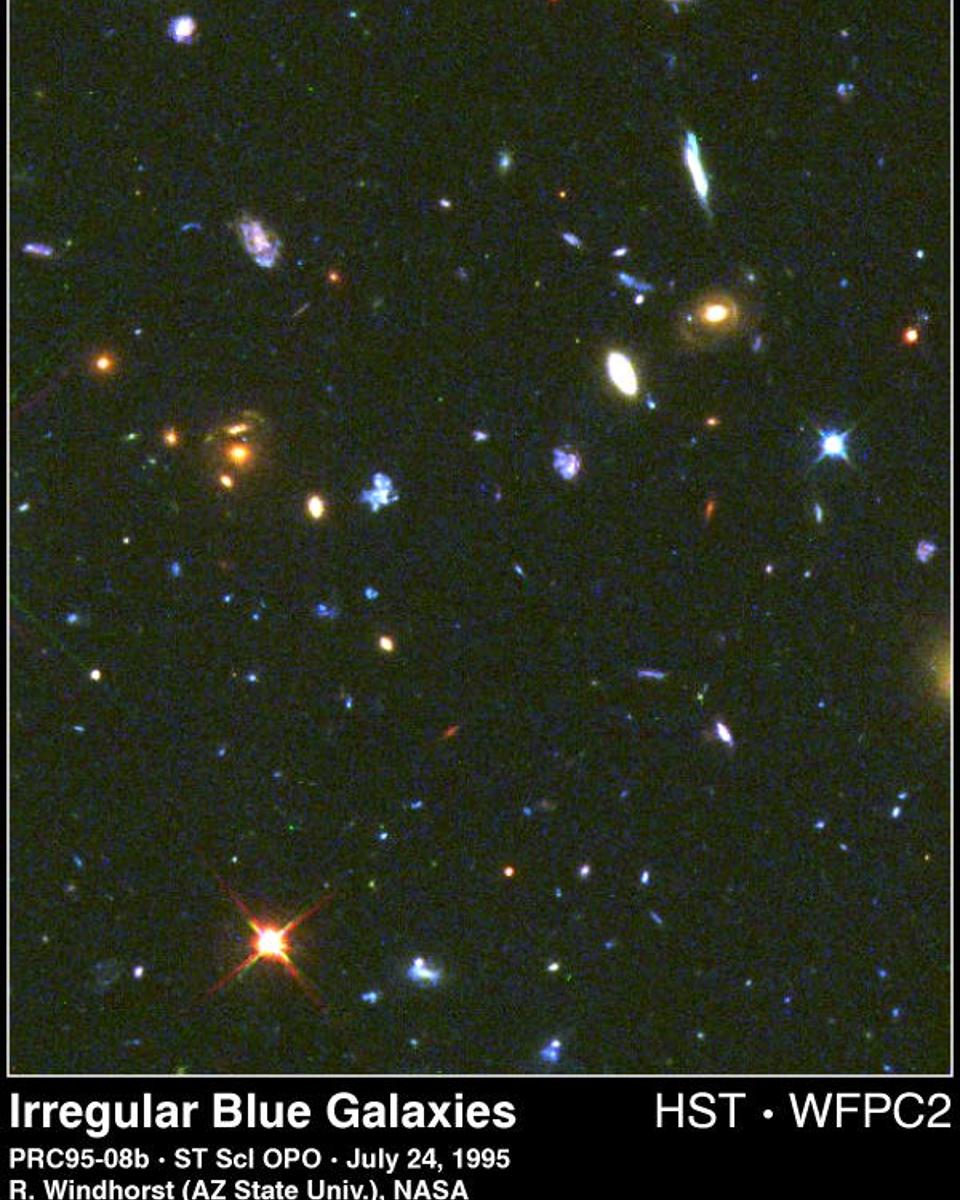
Distant Galaxies
This Hubble Space Telescope image of a group of faint galaxies “far, far away” is a snap shot of the Universe when it was young. The bluish, irregularly shaped galaxies revealed…
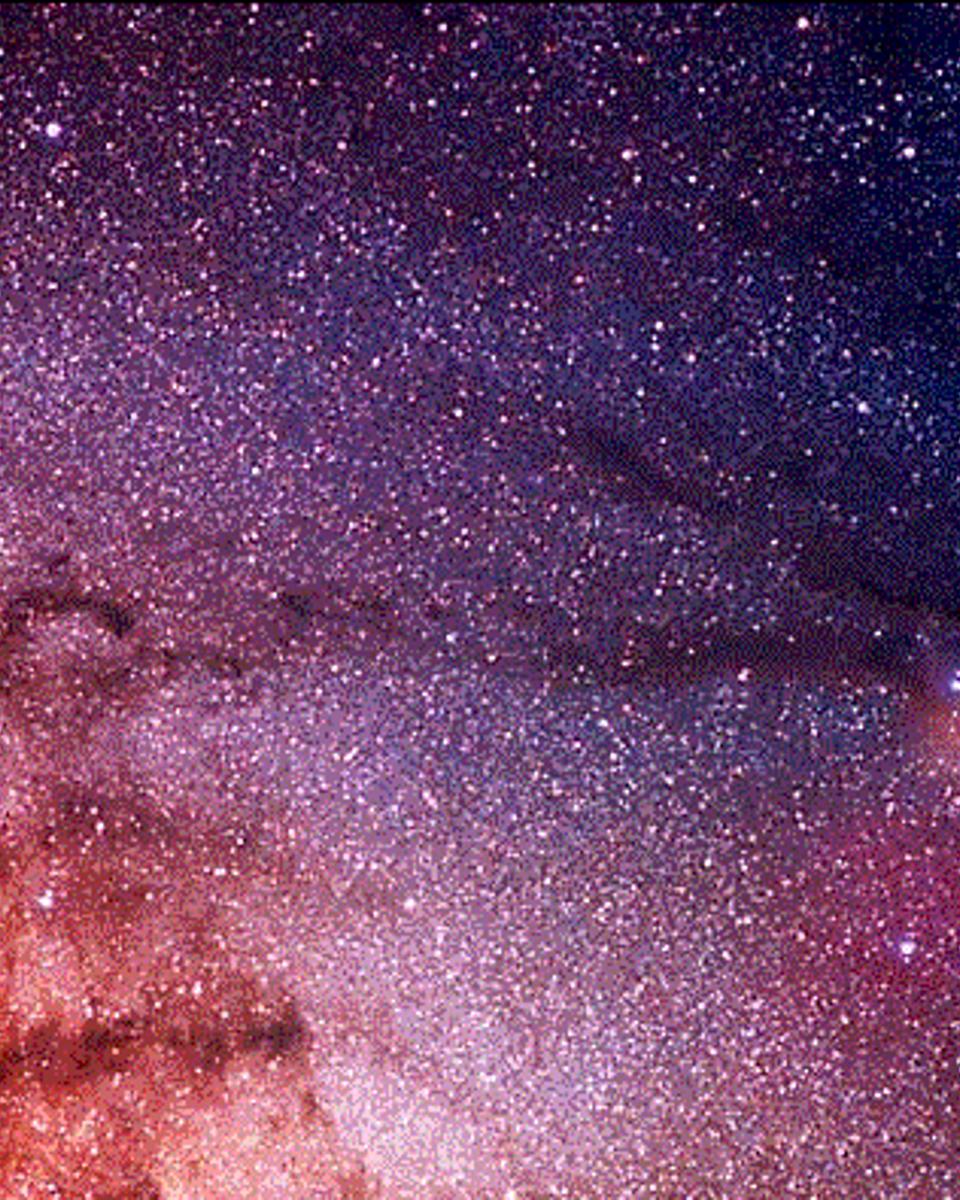
The Pipe Dark Nebula
The dark nebula predominant at the lower left of the above photograph is known as the Pipe Nebula . The dark clouds, suggestively shaped like smoke rising from a pipe, are caused…
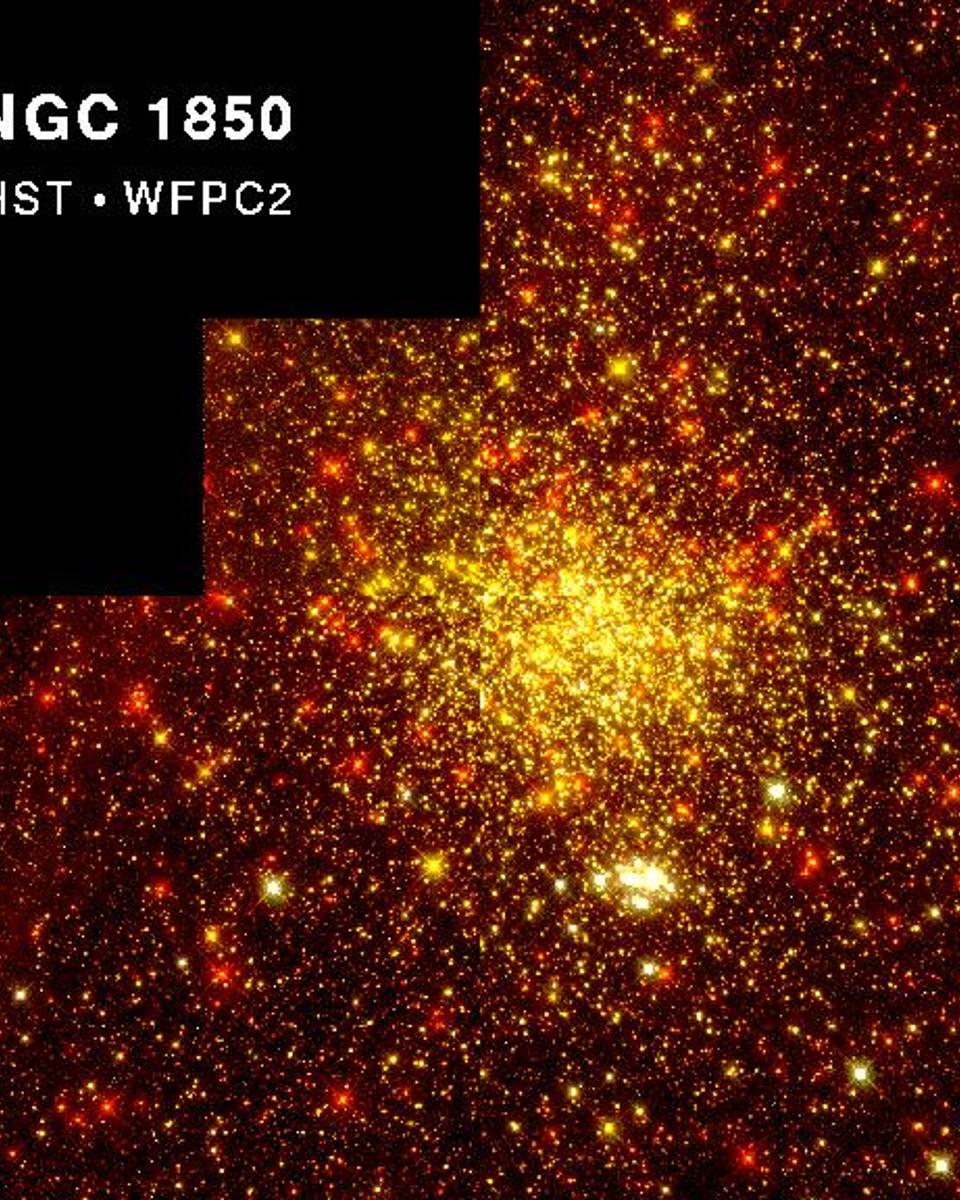
NGC1850: Star Cluster in the LMC
NGC1850 is a large cluster of stars located a mere 166,000 light-years from Earth in our neighboring galaxy the Large Magellanic Cloud (LMC). The colors in this beautiful Hubble…
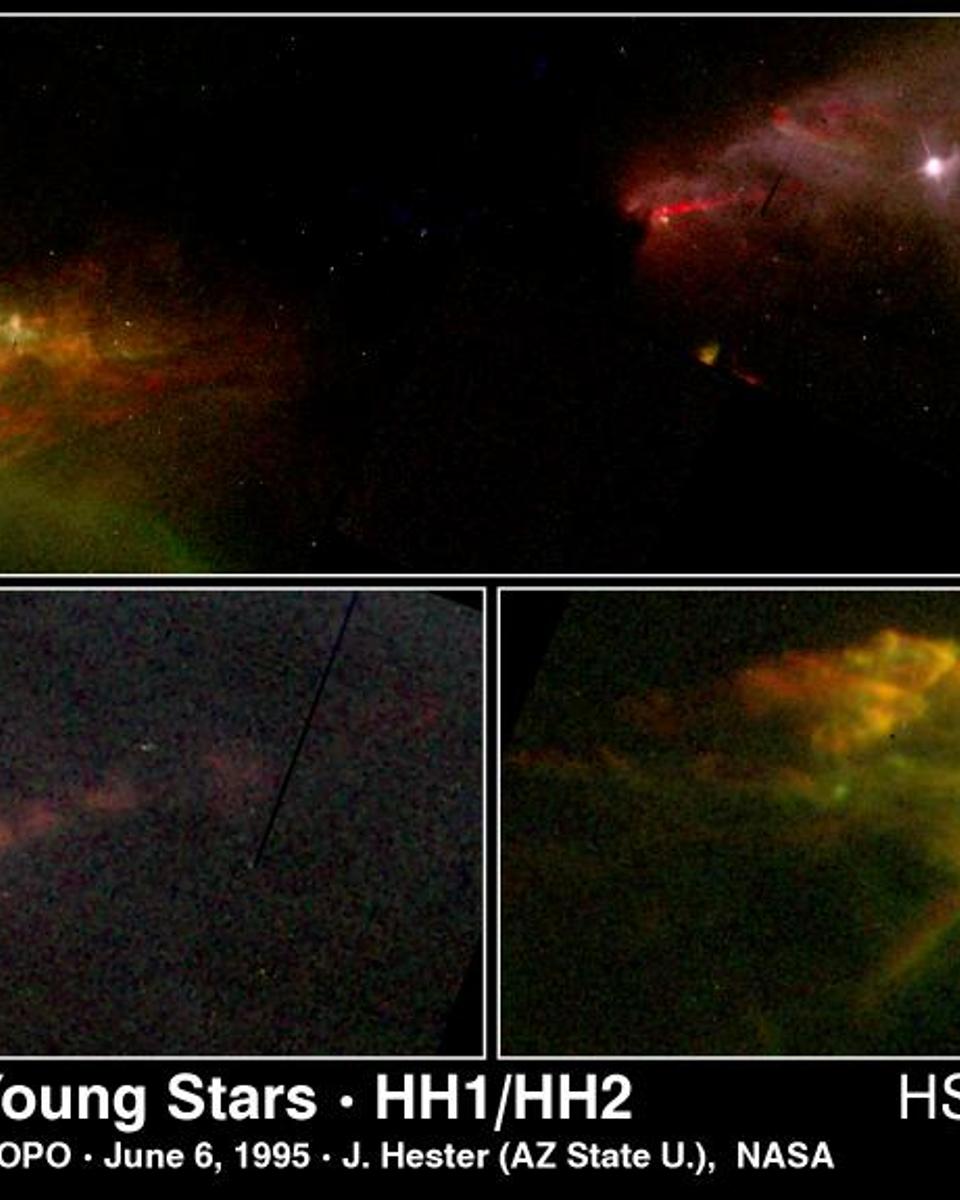
HH1/HH2: Star Jets
A cloud of interstellar gas and dust collapses and a star is born . At its core temperatures rise, a nuclear furnace ignites , and a rotating dusty disk forms surrounding the…
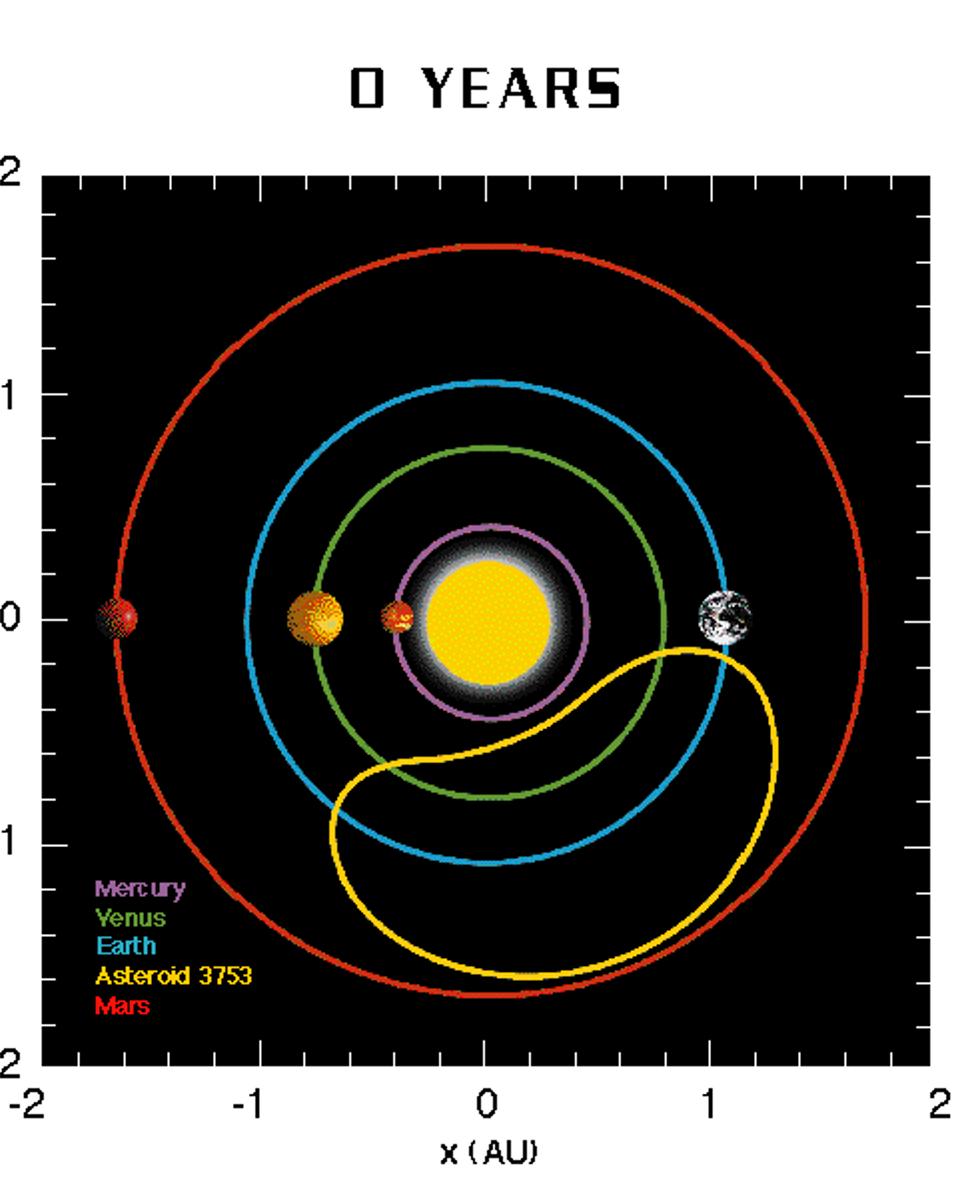
Asteroid 3753: Earth's Curious Companion
Earth is not alone. It orbits the Sun with a small companion: Asteroid 3753 . First discovered in 1986 and designated 1986 OT, this five kilometer rock was recently found to orbit…
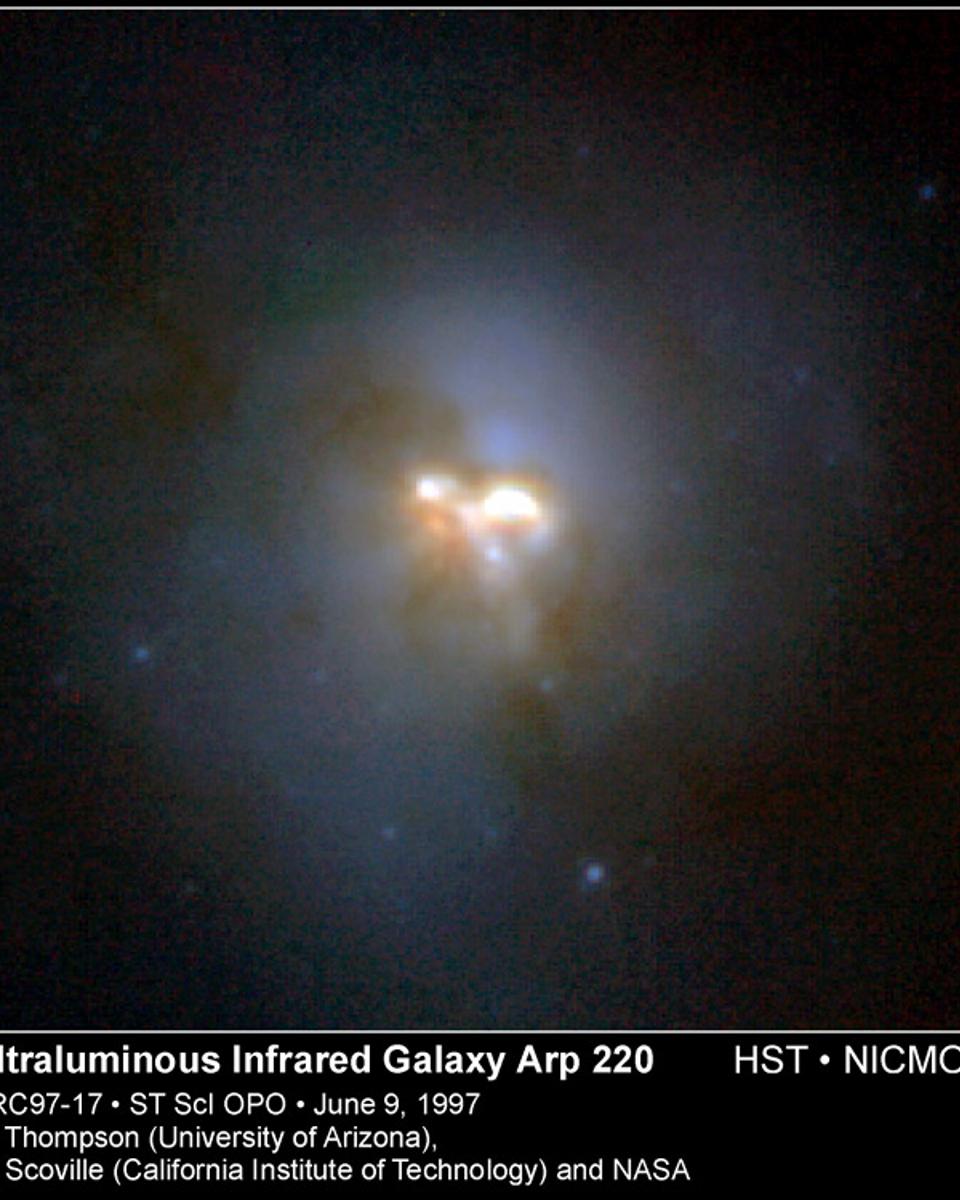
Arp 220: Spirals in Collision
Arp 220 is the brightest object in the local universe . But why does it shine so brightly? Arp 220 was cataloged as a peculiar galaxy in the 1960s. In the late 1980s, it was…
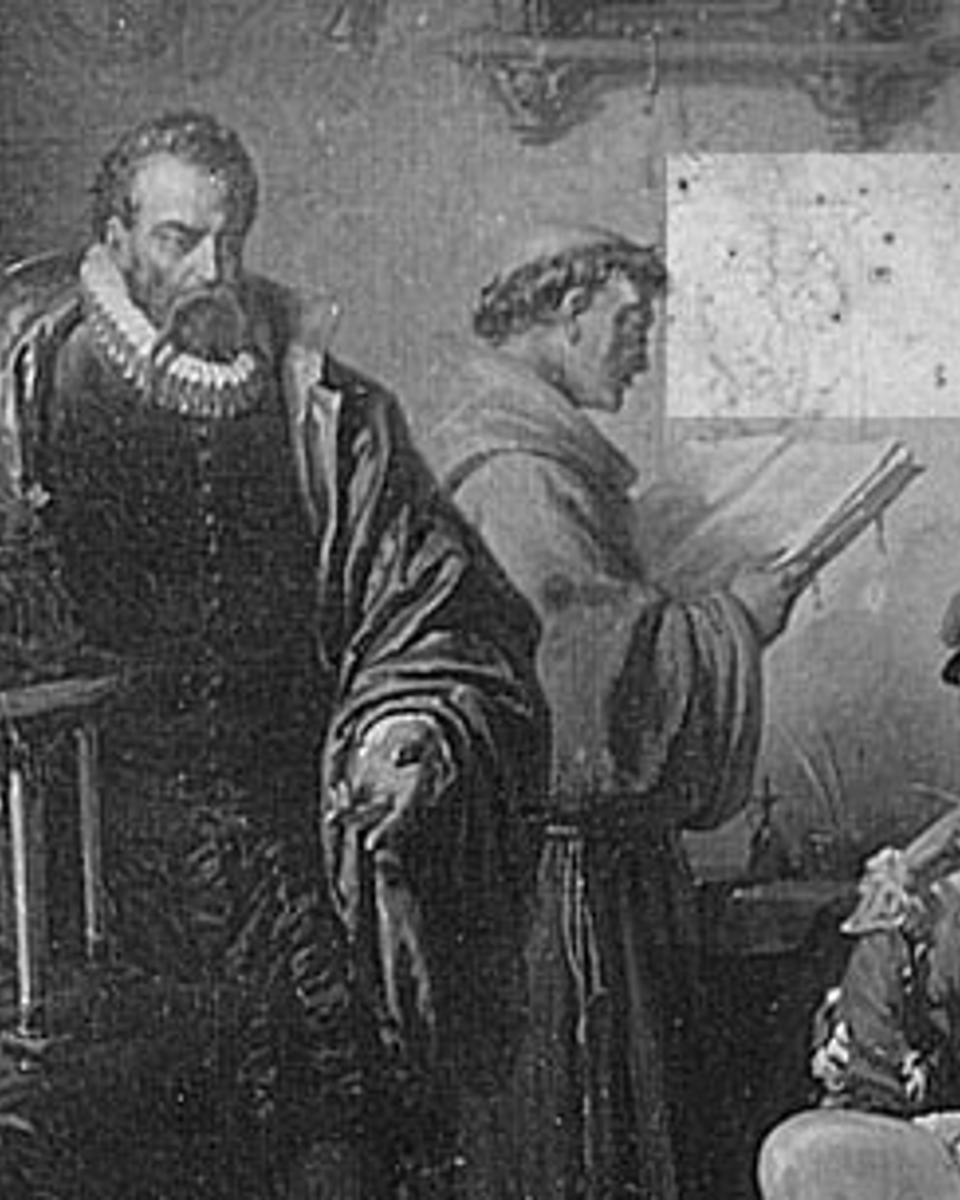
APOD is Two Years Old Today
The first Astronomy Picture of the Day (APOD) appeared two years ago today. Pictured above is a scene surrounding the creation of an early APOD , depicting the famous astronomer…
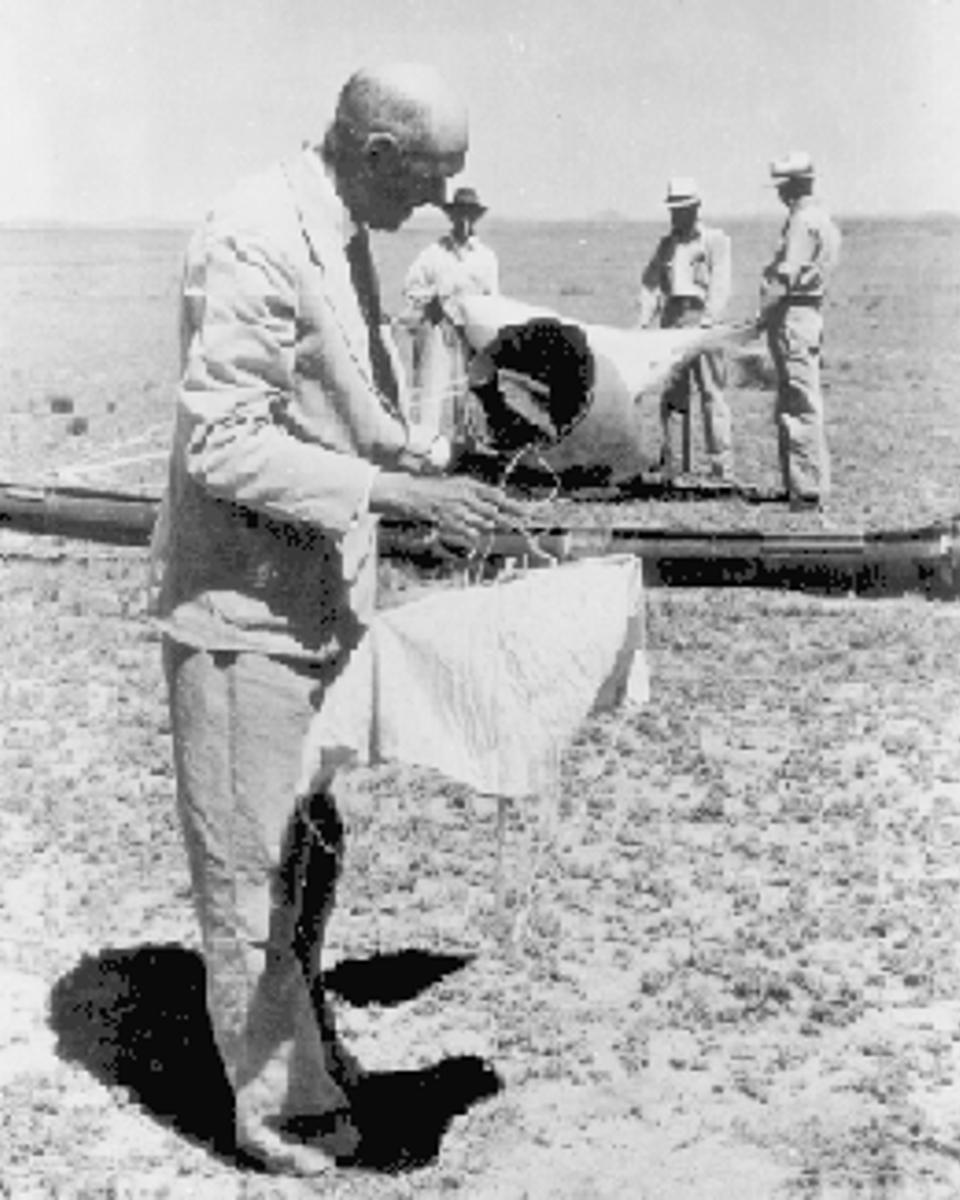
Rockets and Robert Goddard
Robert H. Goddard , one of the founding fathers of modern rocketry, was born in Worcester Massachusetts in 1882. As a 16 year old, Goddard read H.G. Wells' science fiction classic…
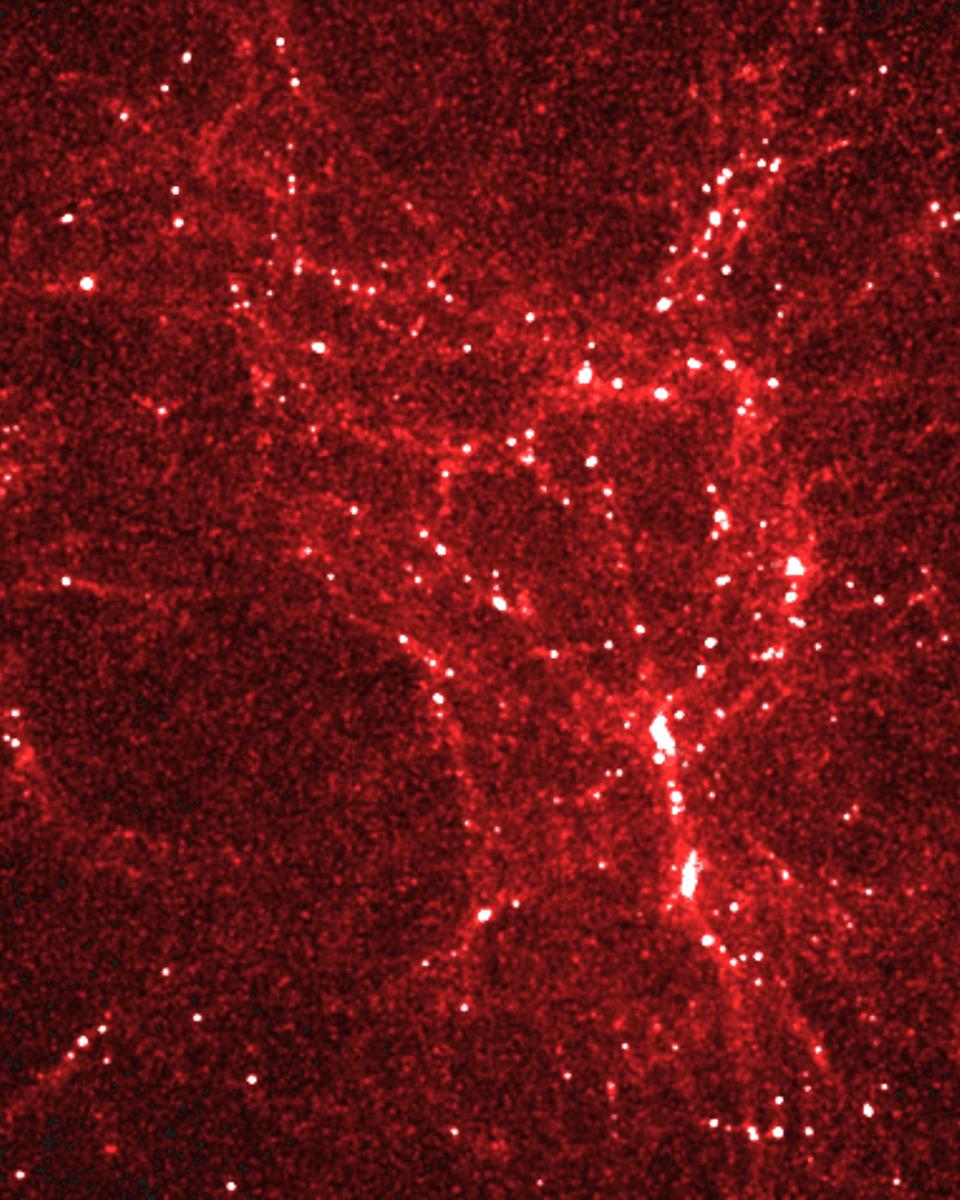
The Early Universe
What did our universe look like when it was young? To answer this, cosmologists run sophisticated computer programs tracking the locations of millions of particles. The above…
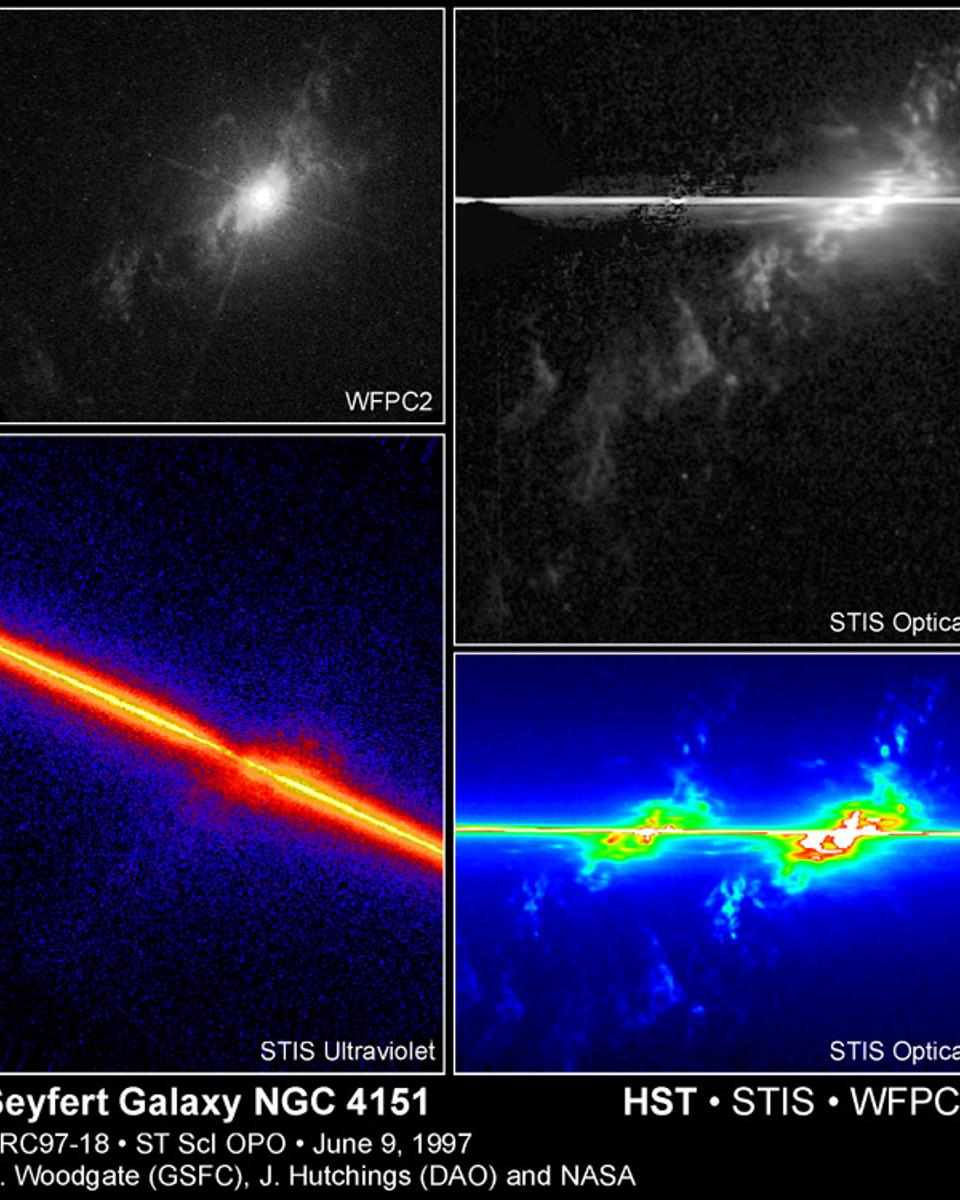
Streaming From A Black Hole
Glowing gas clouds are streaming from the core of galaxy NGC4151 at hundreds of thousands of miles per hour. A powerful tool, the Hubble Space Telescope's new STIS instrument ,…
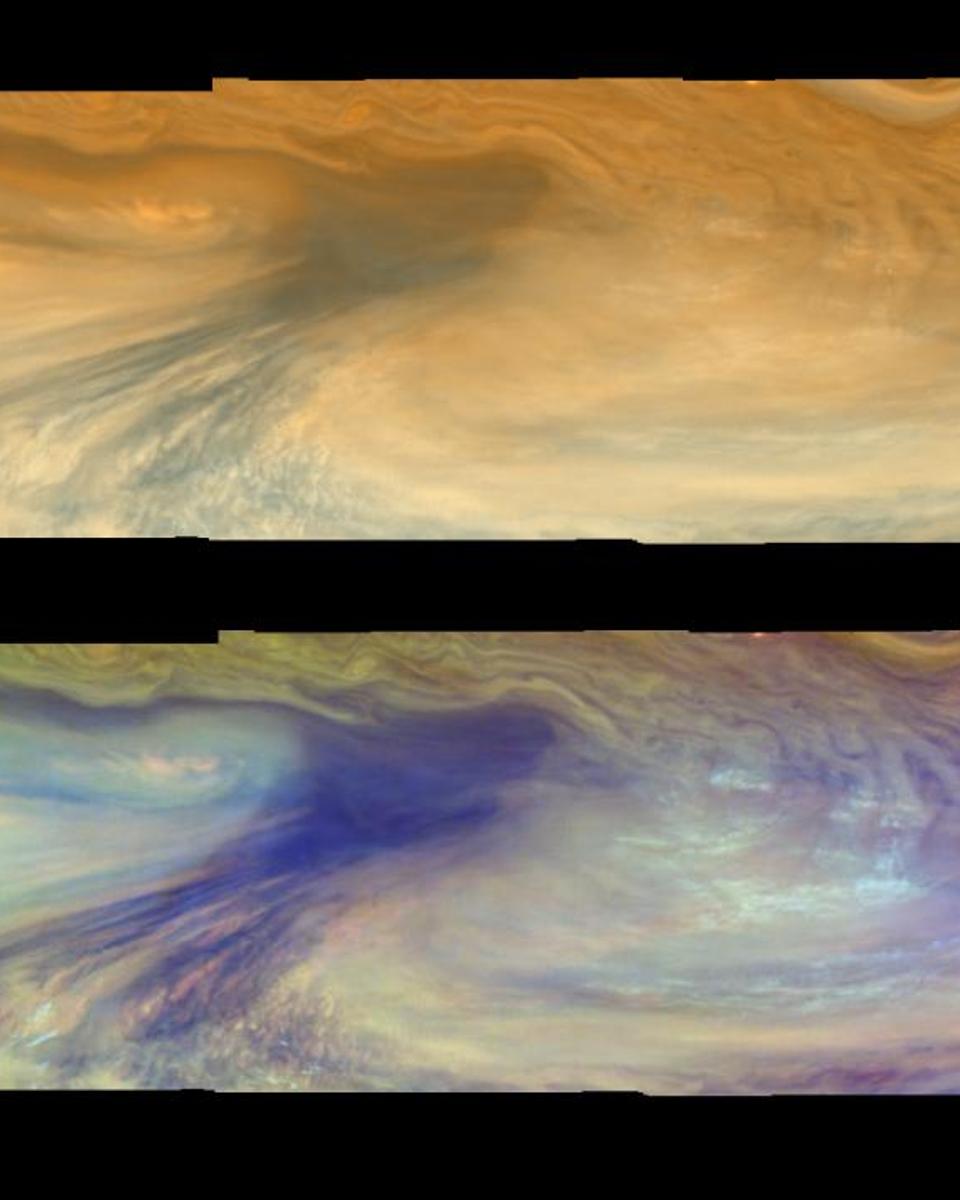
Jupiter's Dry Spots
Known for its spectacular images of Jupiter's moons, Io , Ganymede , Callisto , and Europa , the robot spacecraft Galileo has also aggressively explored the Jovian atmosphere. In…
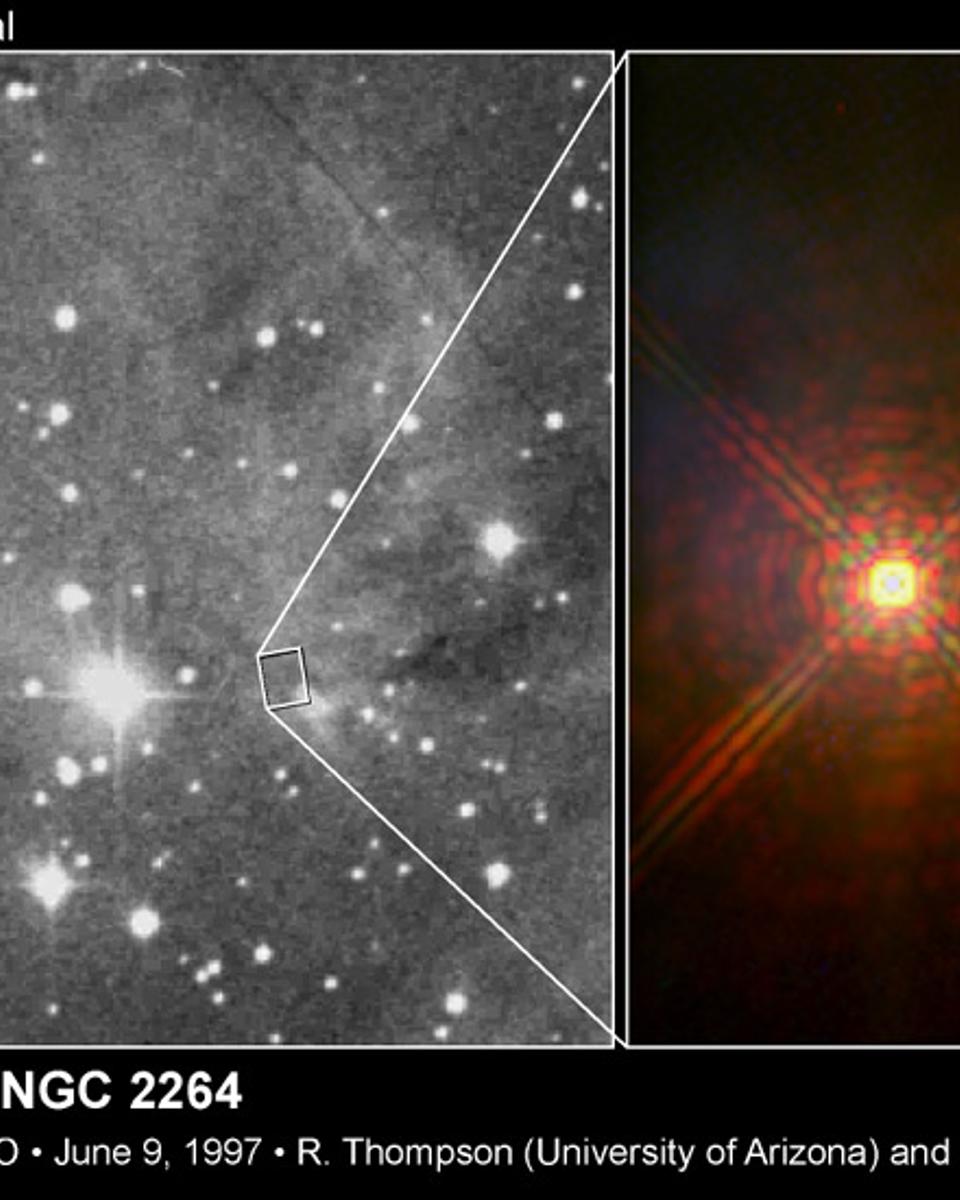
Young Suns
The star cataloged as NGC2264 IRS is normally hidden from the inquiring gaze of optical telescopes . It resides in the midst of the obscuring gas and dust of a nearby star forming…
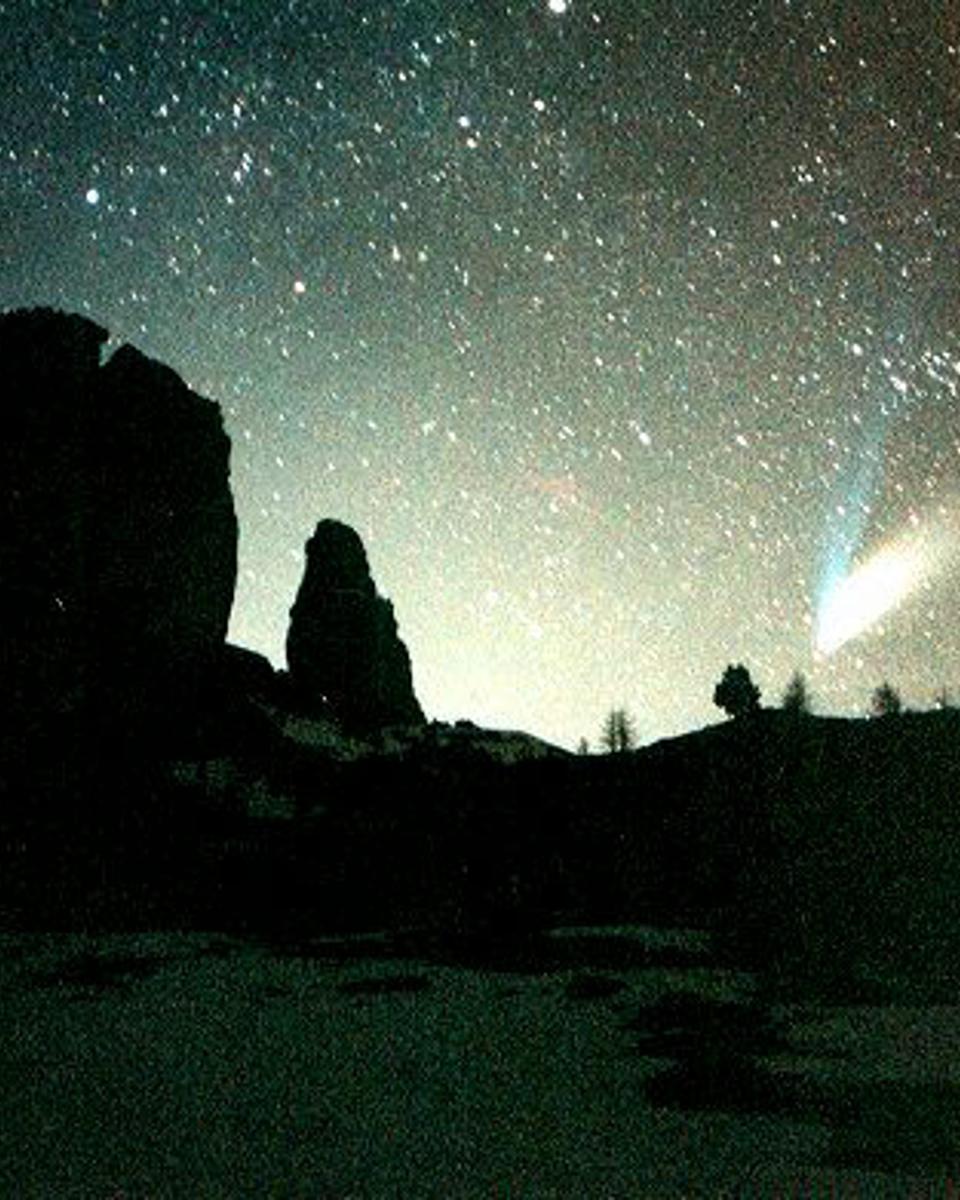
Hale-Bopp Above the Cinqui Torri Mountains
Hale-Bopp may be the most photographed comet in history. Above , our photogenic giant flying snowball appeared last month as a backdrop to the “Cinque Torri” Mountains near…
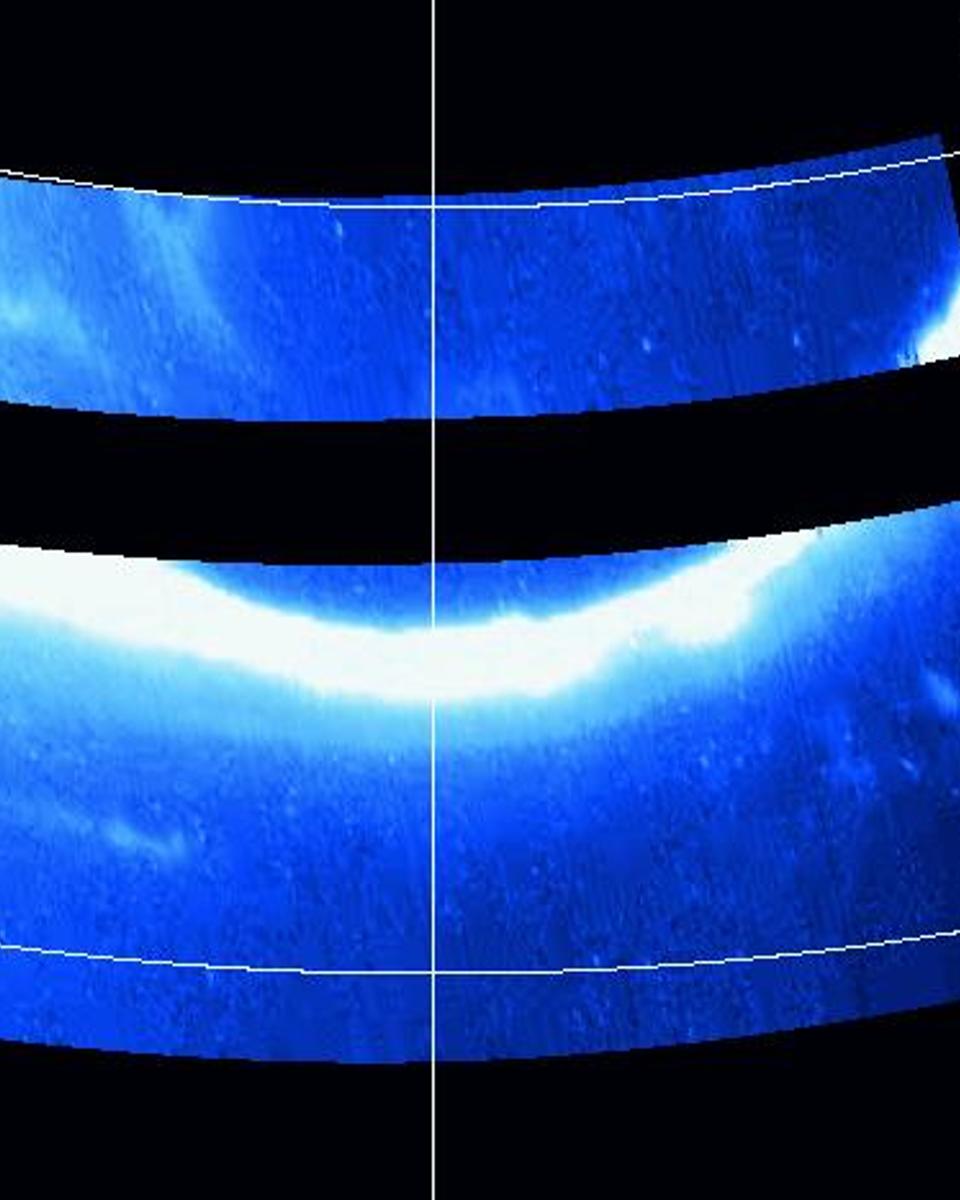
An Auroral Ring on Jupiter
Do other planets have aurora? Terrestrial and spacecraft observations have found evidence for aurora on Venus , Mars , Jupiter , Saturn , Uranus , and Neptune . In the above…
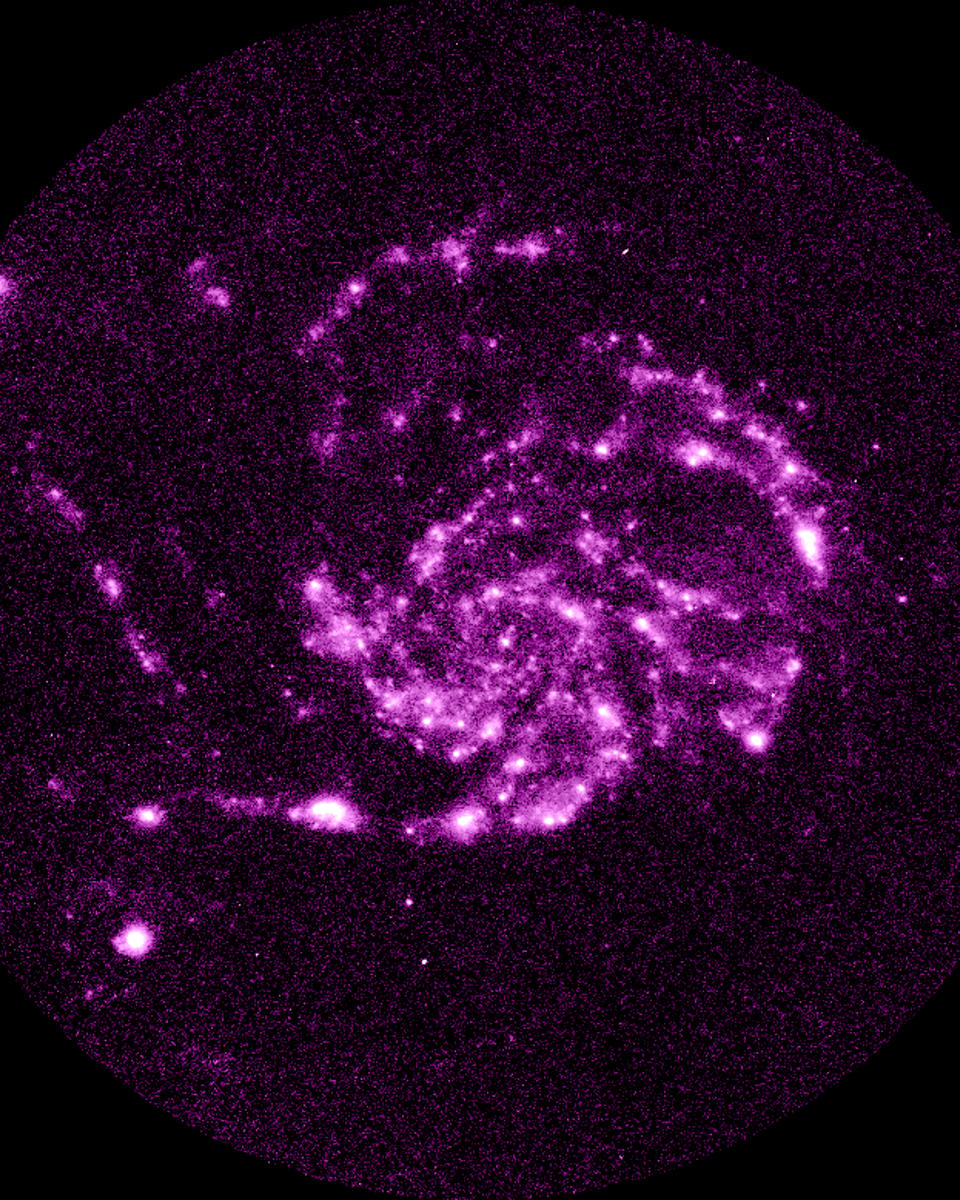
M101: An Ultraviolet View
Explanation : This giant spiral galaxy, Messier 101 (M101) , was photographed by the Ultraviolet Imaging Telescope ( UIT ). UIT flew into orbit as part of the Astro 2 mission…
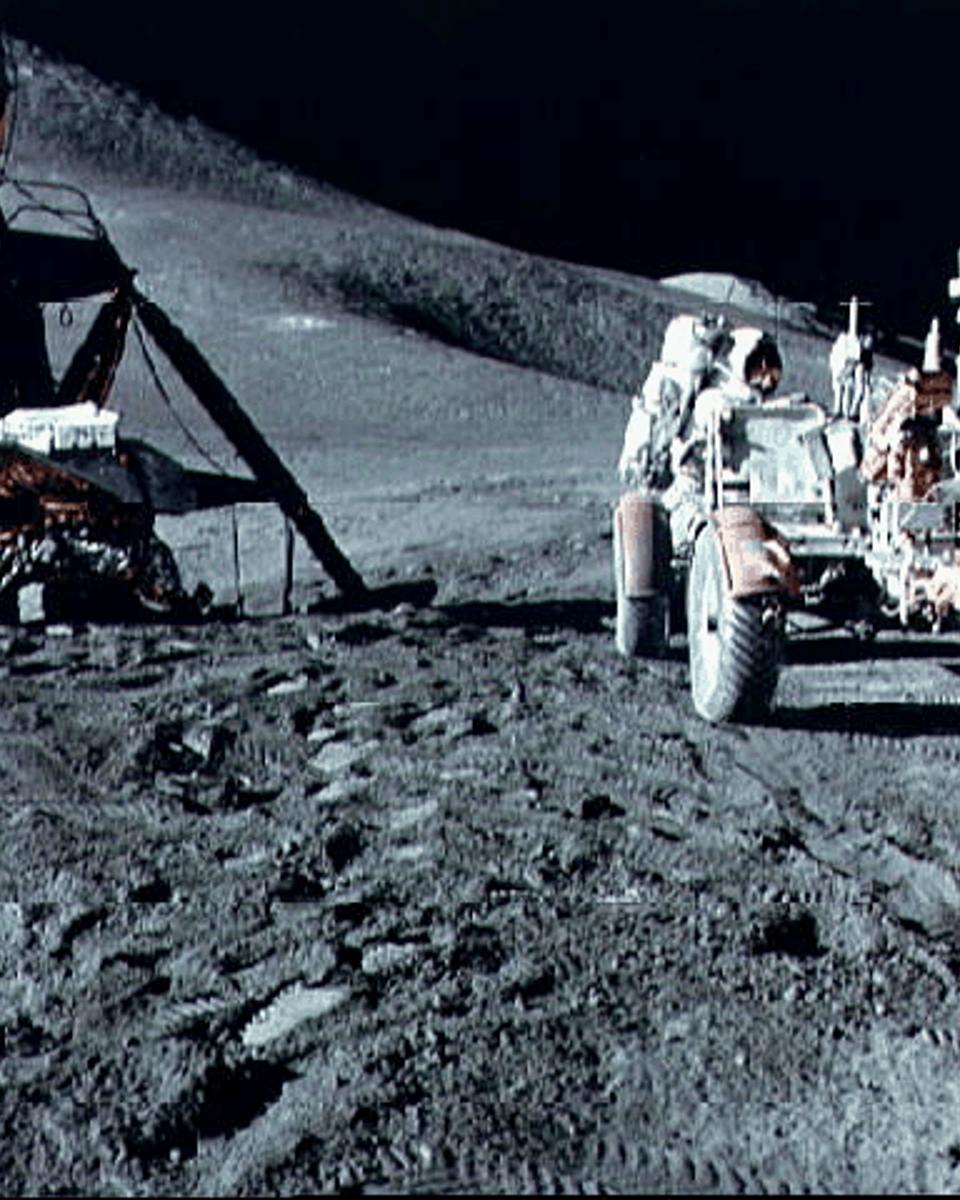
Apollo 15: Driving on the Moon
Apollo 15 astronaut James Irwin works on the first Lunar Roving Vehicle , before he and fellow astronaut David Scott take it out for a drive. Sloping up behind the lunar module…
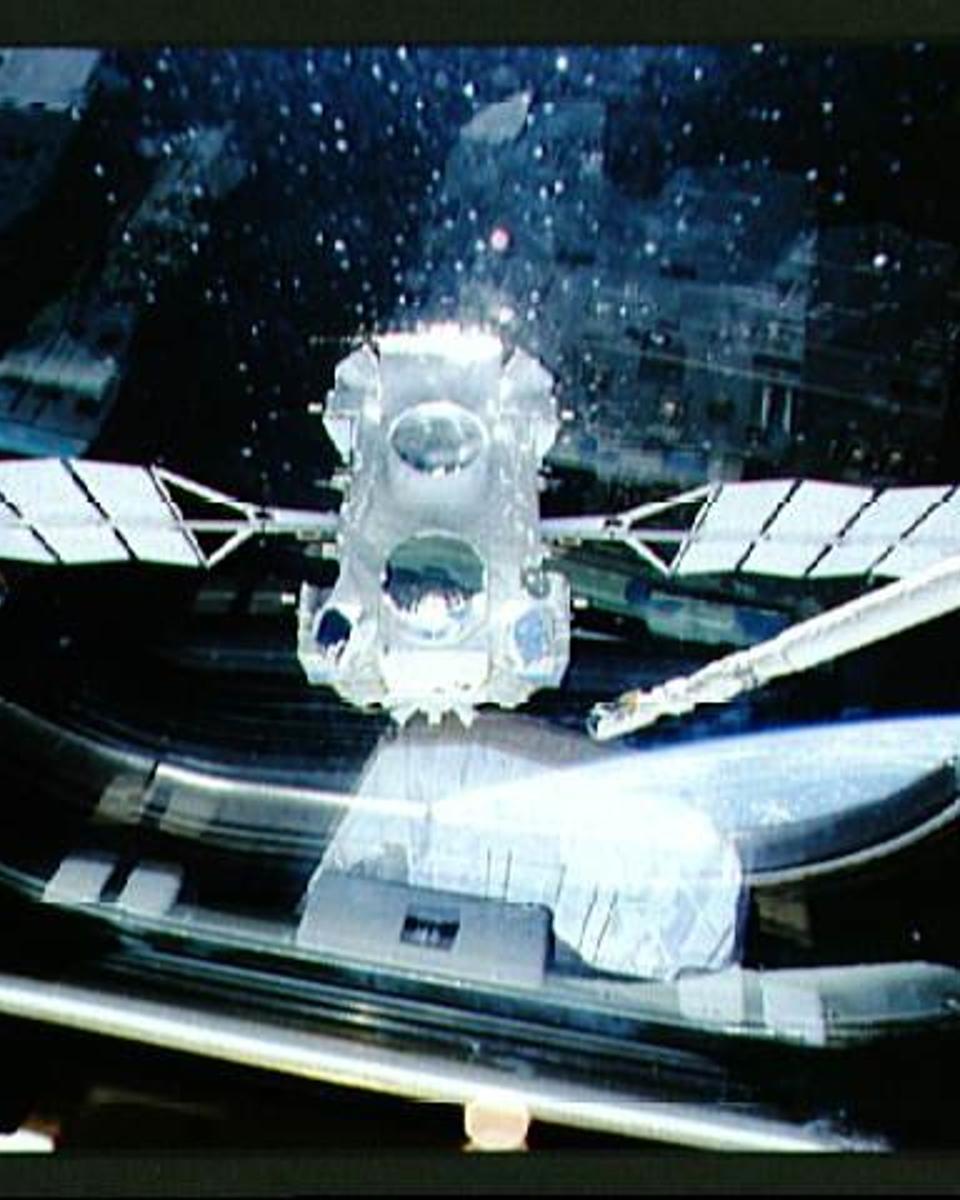
Boosting Compton
Explanation : Even great observatories need a boost from time to time -- including the orbiting Compton Gamma-Ray Observatory . Sparkling reflections and the bright limb of the…
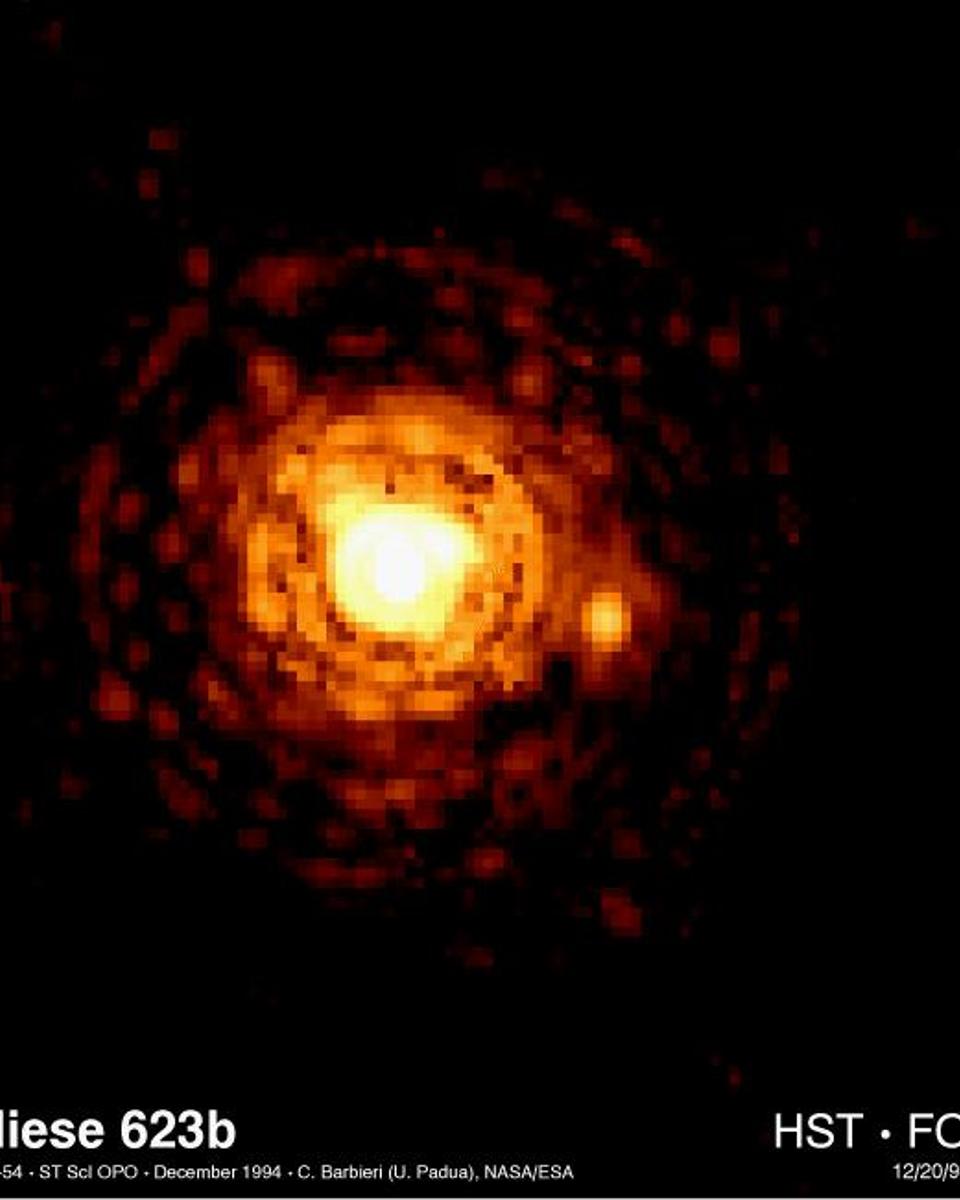
Small Star
Explanation : A dim double star system cataloged as Gliese 623 lies 25 light-years from Earth, in the constellation of Hercules . The individual stars of this binary system were…
Viewing discoveries from 28 June 1997 through 5 June 1997.