Browse NASA Astronomy Picture of the Day archive by date and media: Archive Discoveries
Browse the NASA APOD archive without needing the exact date first. Filter by media type and keep moving deeper into older images and videos.
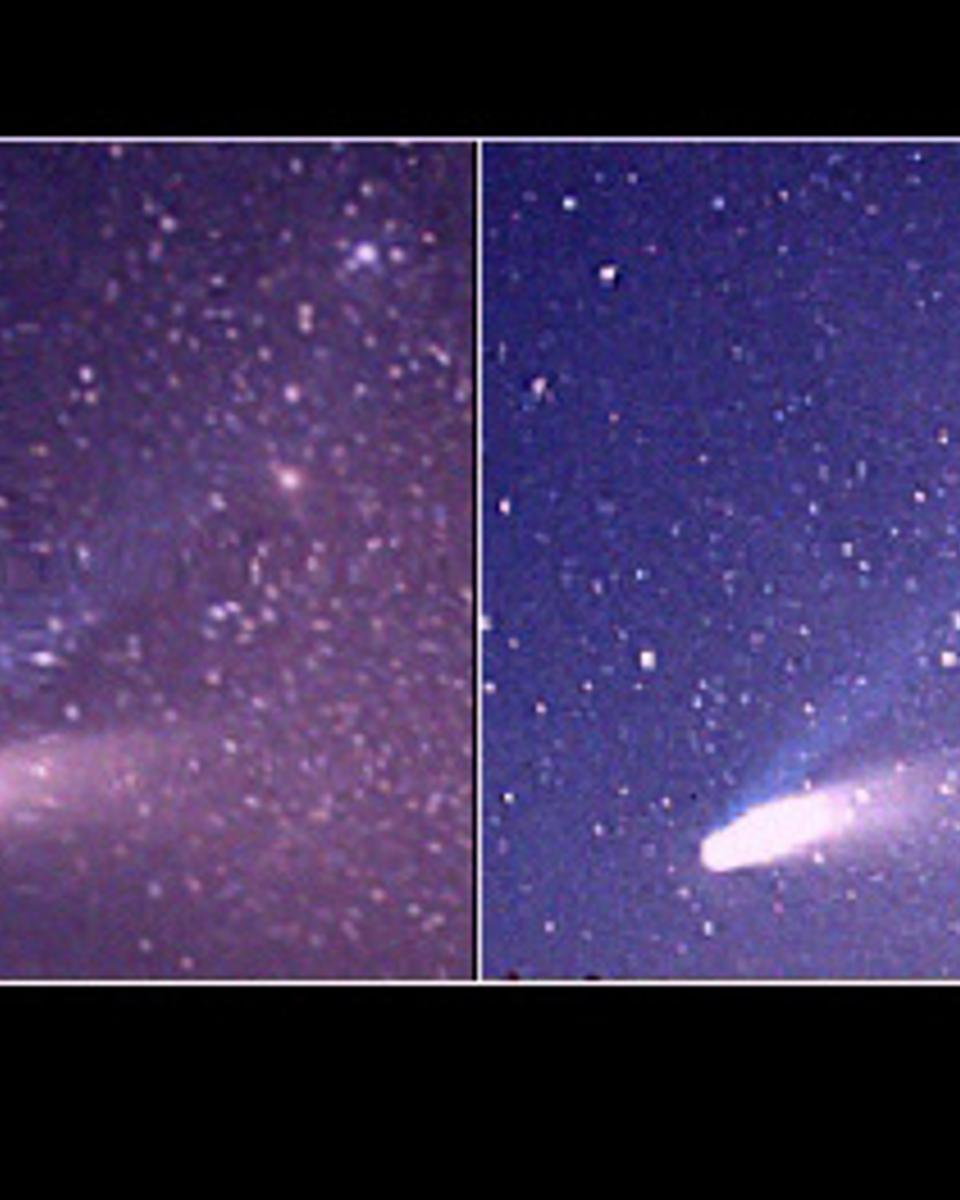
Hale-Bopp in Stereo
Explanation : This stereo pair of Hale-Bopp images combines two pictures from slightly different viewing angles. Simulating stereo vision , the difference was generated by the…
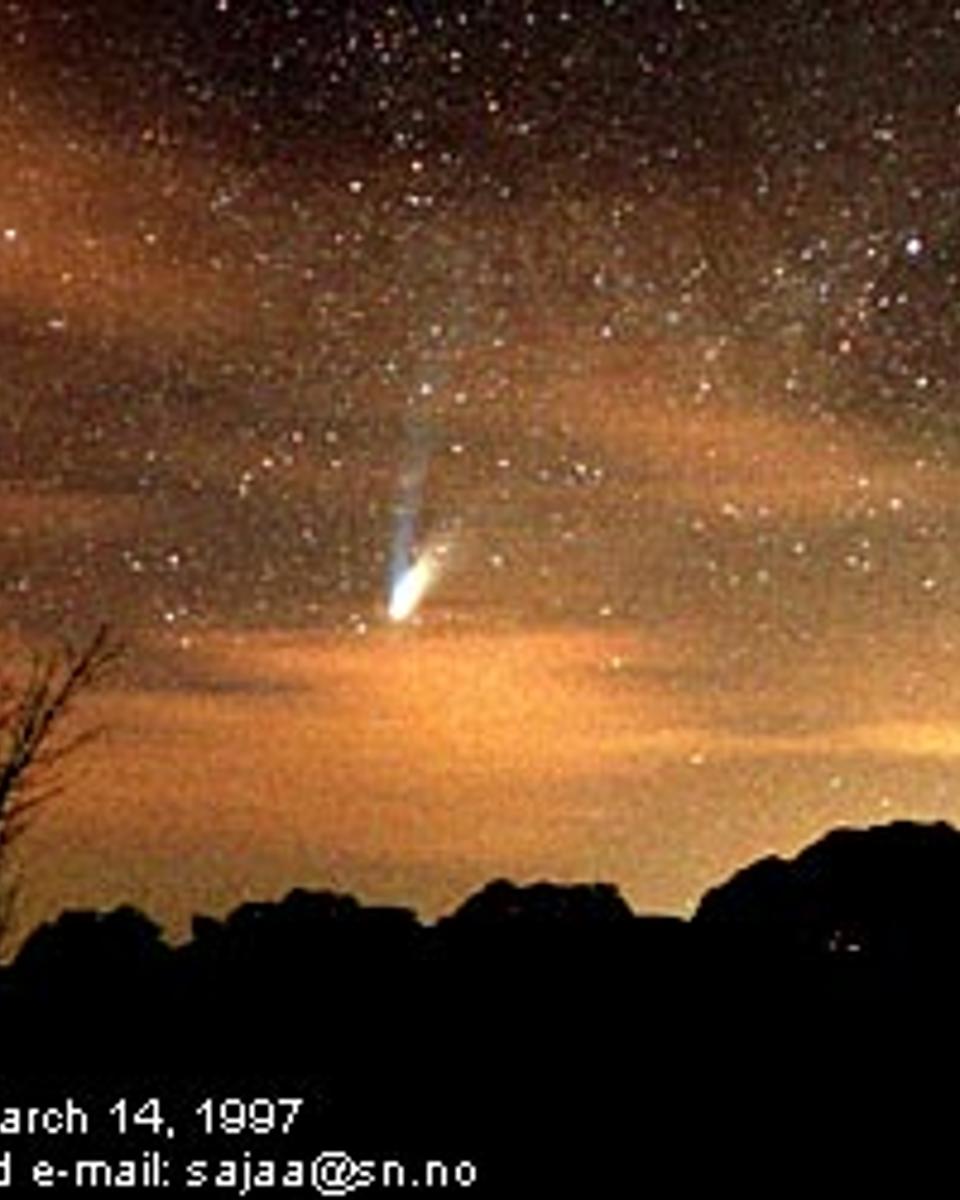
Earth, Clouds, Sky, Comet
Explanation : Does a comet's dust tail always orbit behind it? Since comets rotate, they shed gas and dust in all directions equally. Small ice and dust particles expelled by the…
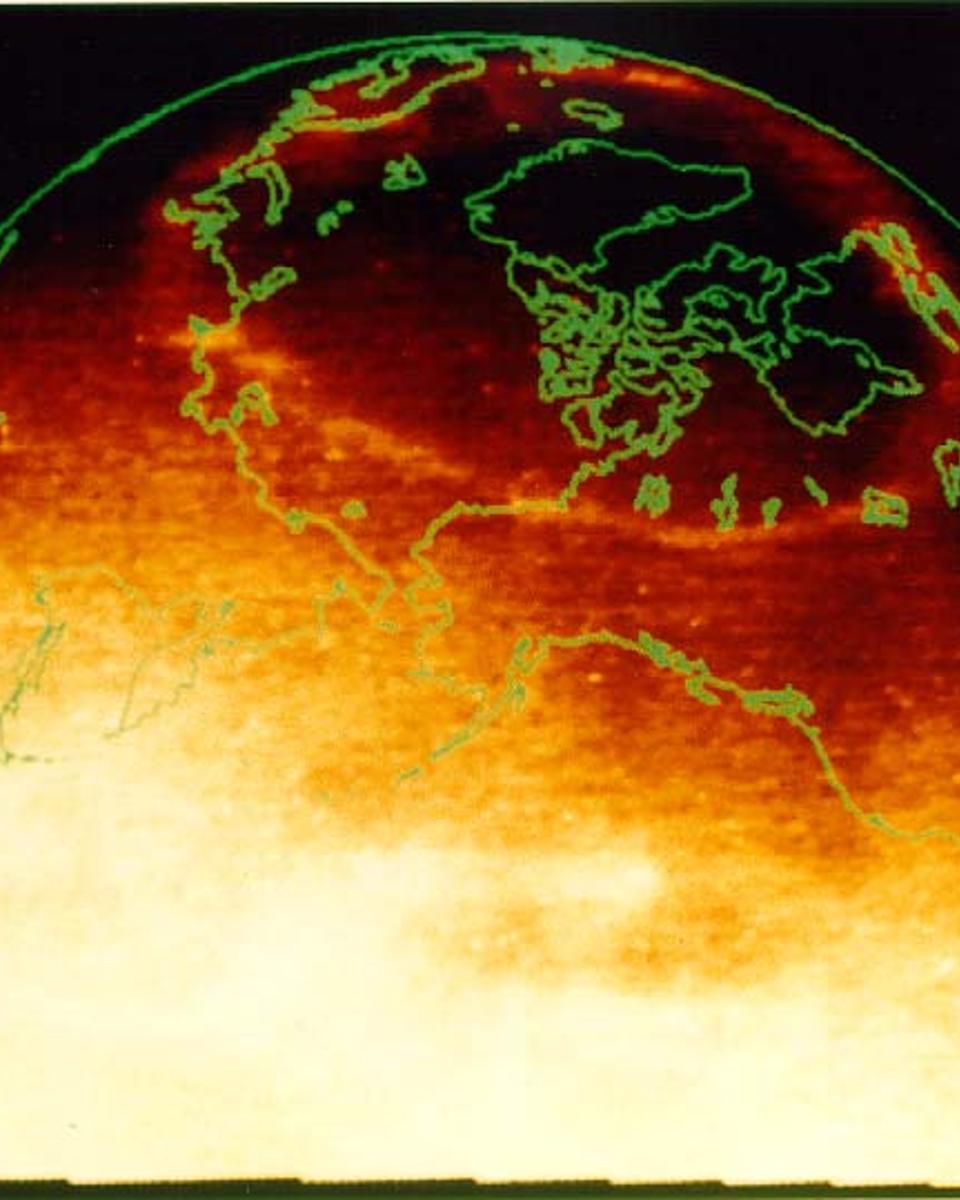
A Complete Aurora
Explanation : Aurora frequently make complete rings around a pole of the Earth. This particular “ crown ”, visible in orange near the top of this image , was taken by the orbiting…
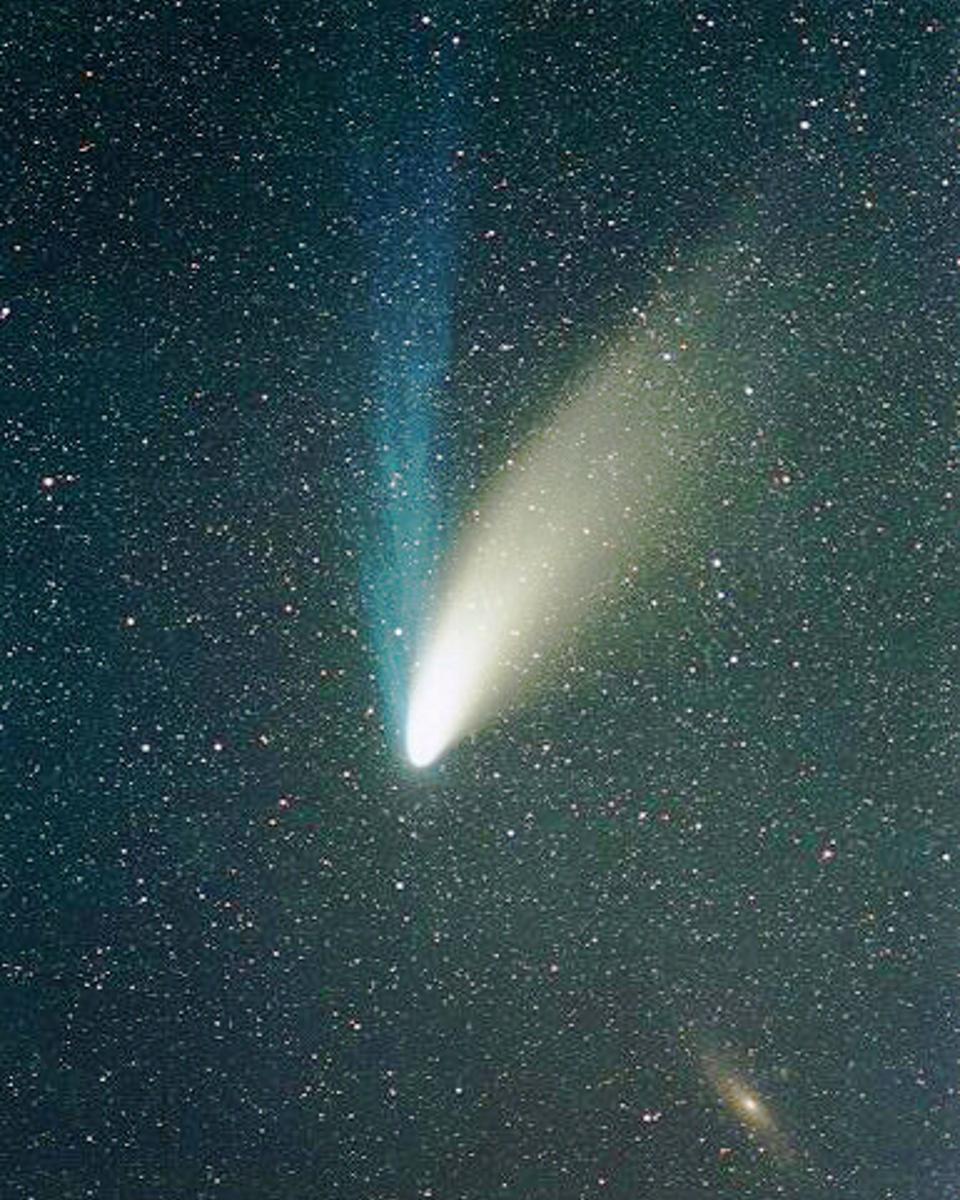
Hale-Bopp and Andromeda
Explanation : Which is closer: the comet or the galaxy? Answer: the comet. In its trek through the inner Solar System , Comet Hale-Bopp has passed nearly in front of the Andromeda…
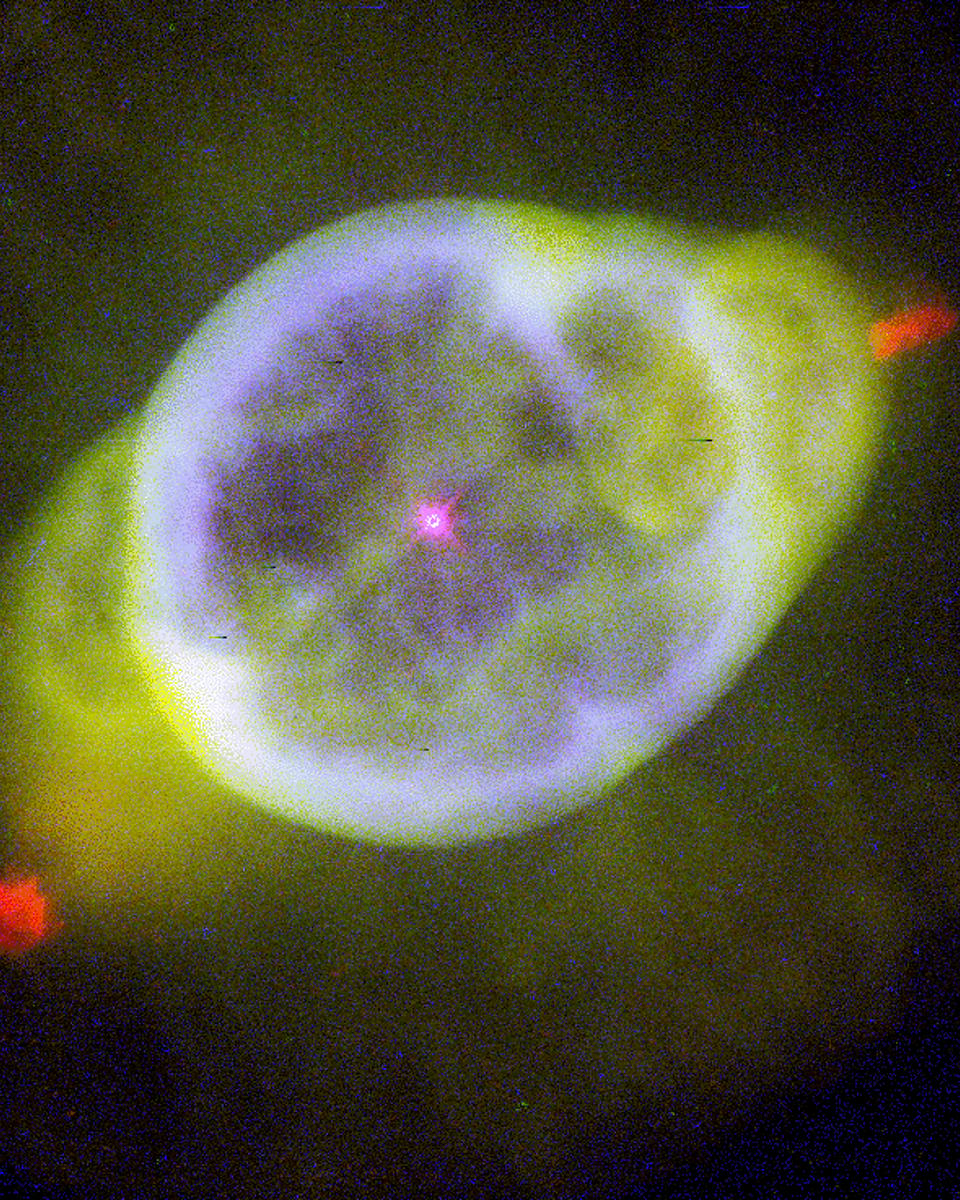
NGC 3242: The 'Ghost of Jupiter' Planetary Nebula
Explanation : It's a weed , it's Jupiter , no it's - actually planetary nebula NGC 3242. After a star like our Sun completes fusion in its core, it throws off its outer layers it…
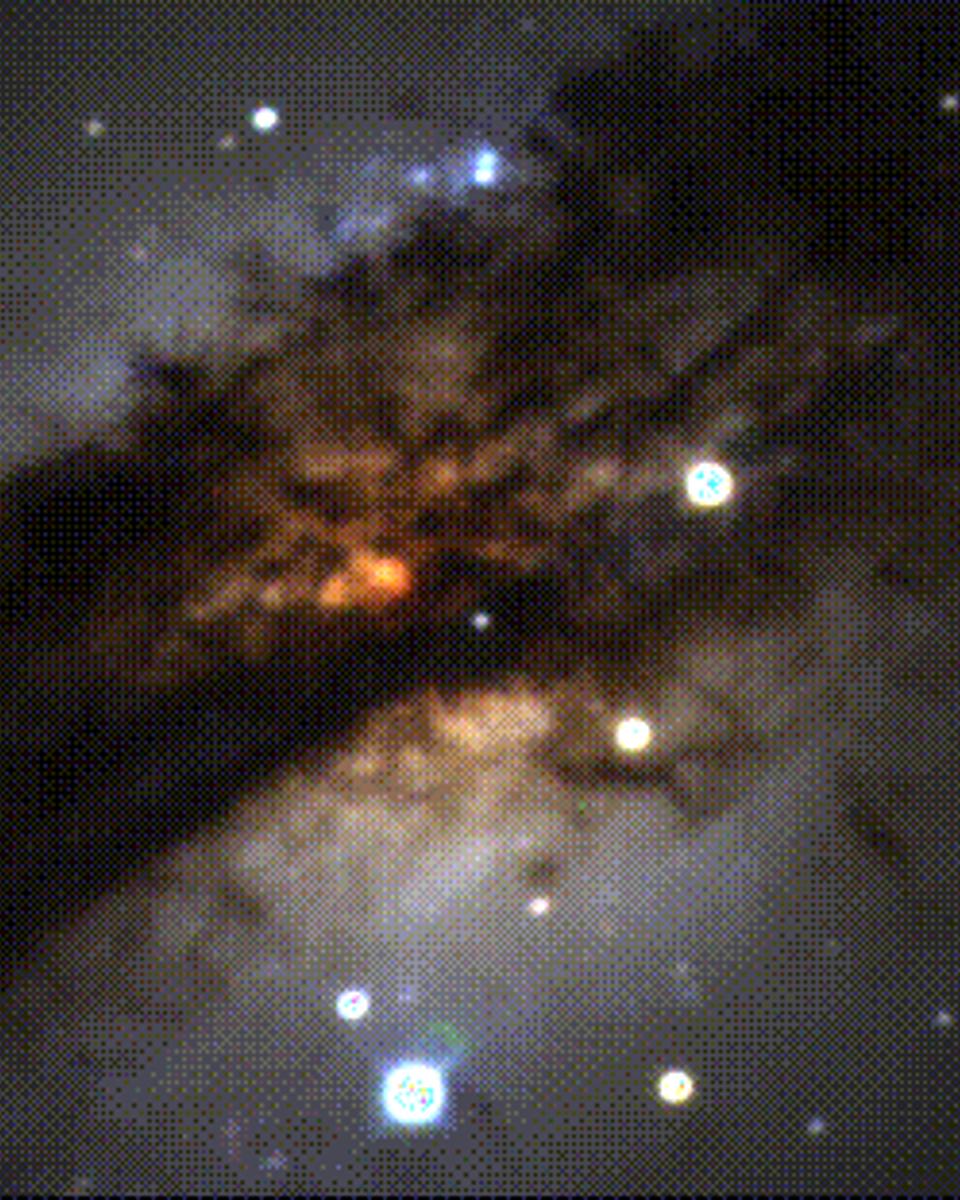
Dusty Galaxy Centaurus A
Explanation : One of the most unusual galaxies known , Centaurus A , is pictured above. Cen A is marked by dramatic dust lanes that run across the galaxy's center. These dust…
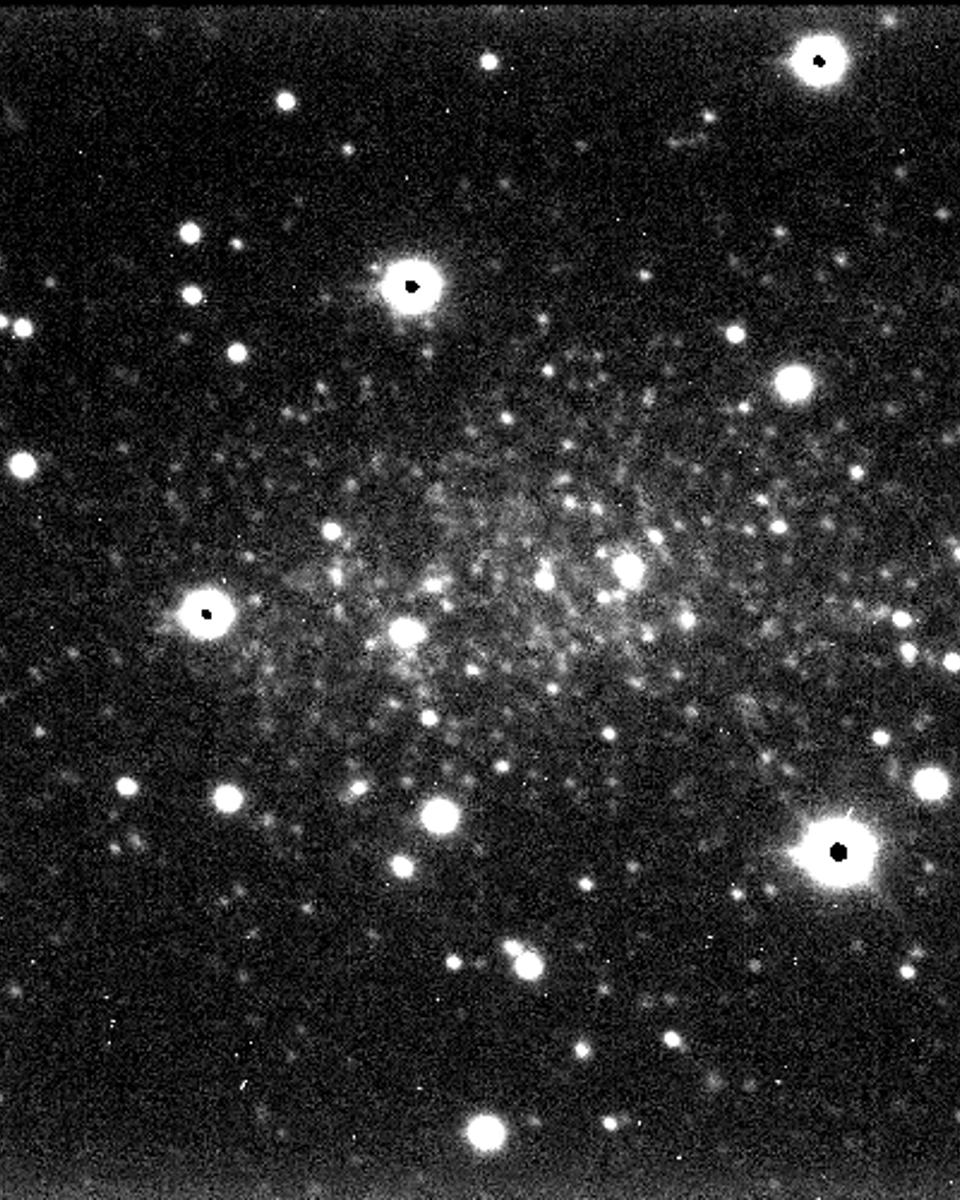
The Closest Galaxy: The Sagittarius Dwarf
Explanation : What's the closest galaxy to our Milky Way ? For many years astronomers thought it was the Large Magellanic Cloud (LMC). But the seemingly insignificant fuzzy patch…
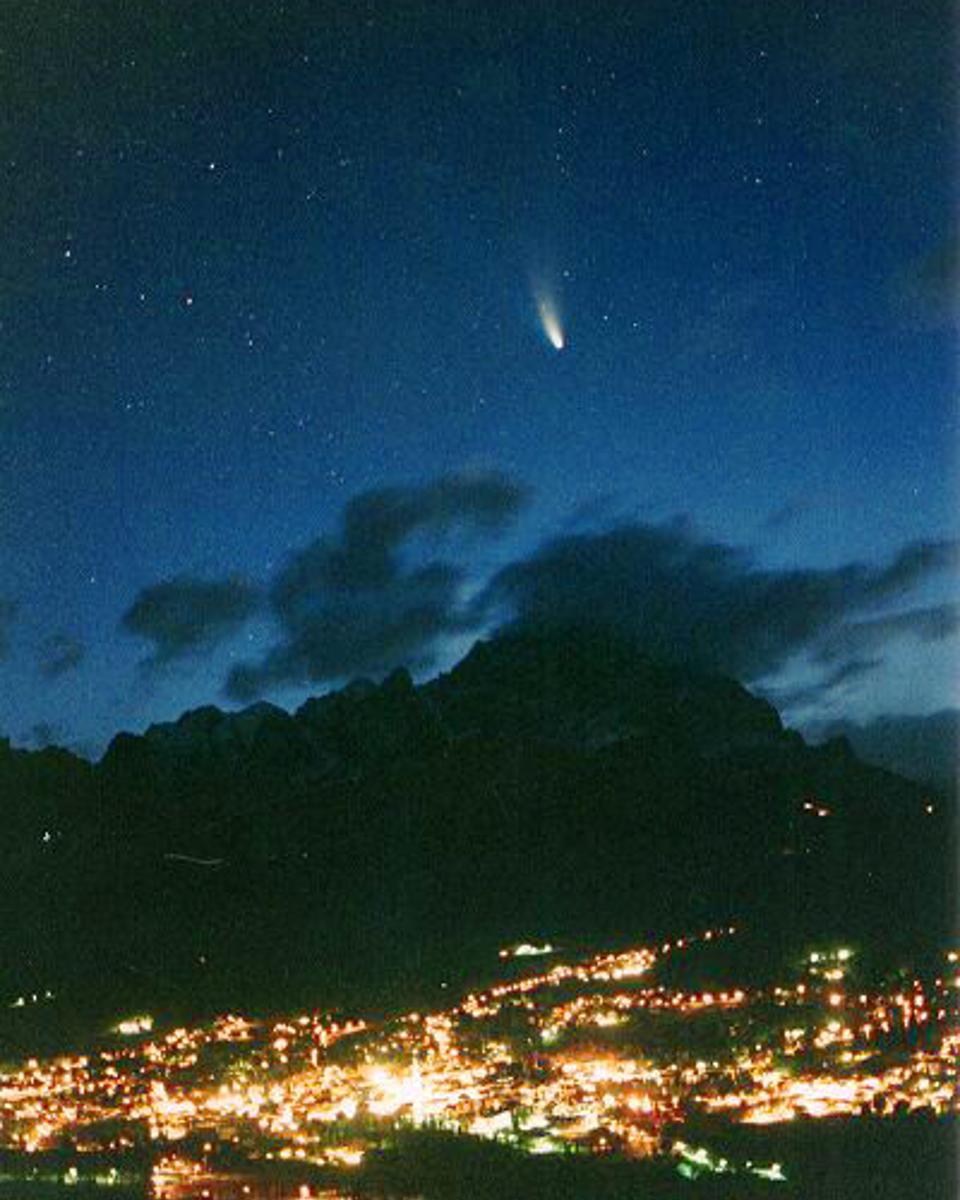
A Comet In The Sky
Explanation : It has been suggested that Comet Hale-Bopp will become the most viewed comet in Human history . Presently, for denizens of the Earth's northern hemisphere, this…
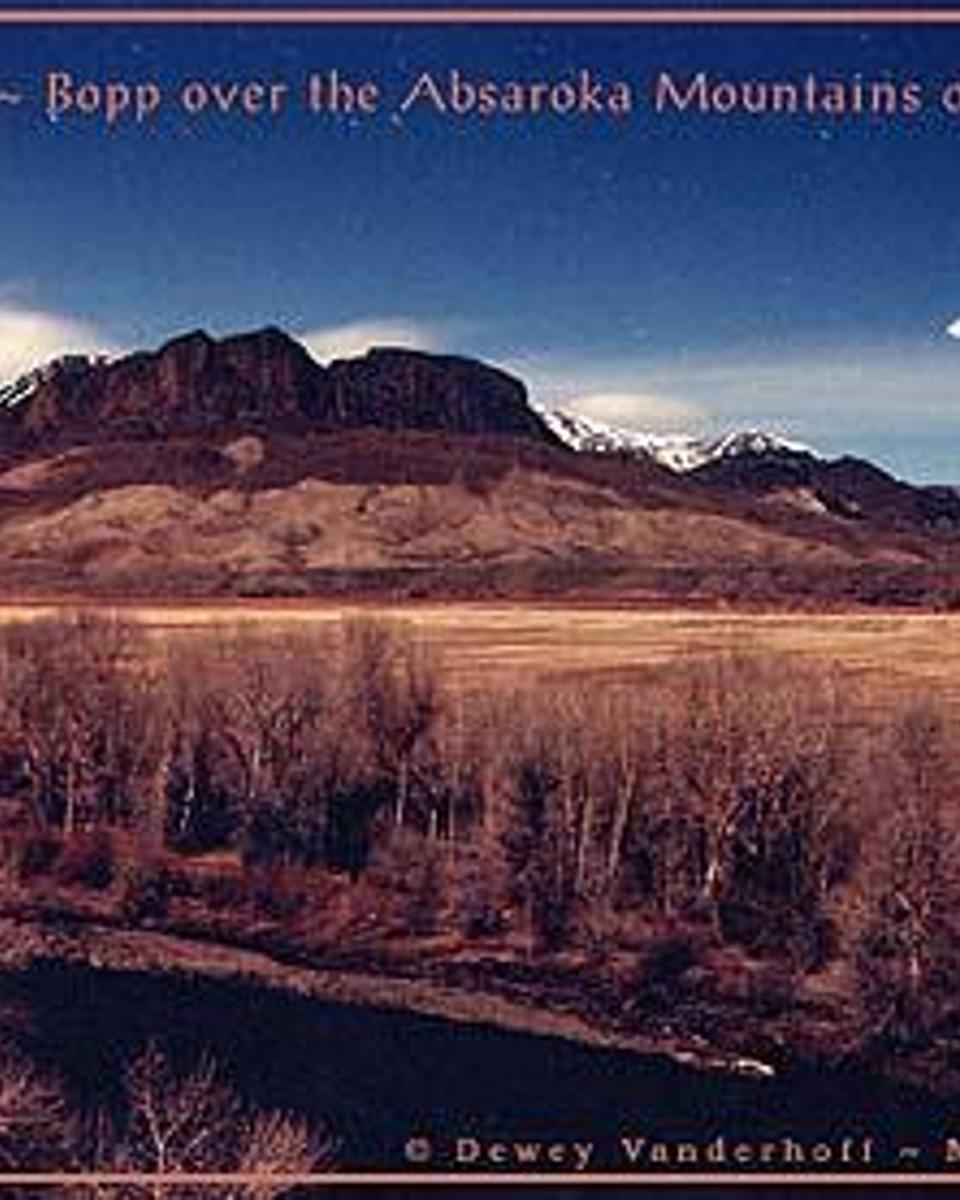
Comet Country
Explanation : Moonlight illuminates the landscape and lends a painterly quality to this beautiful photograph of the Absaroka mountain range , located along the Montana-Wyoming…
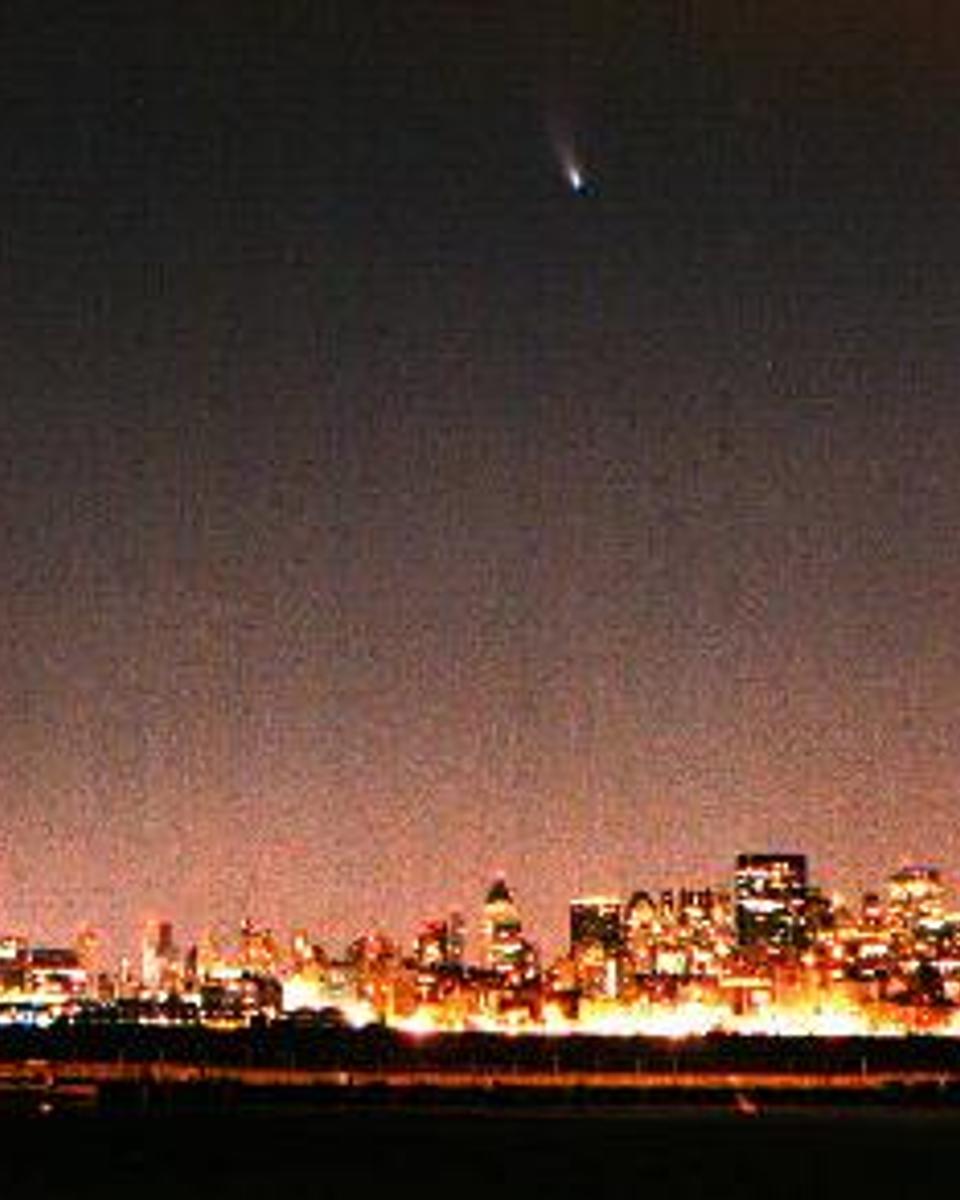
The City Comet
Explanation : Undaunted by the artificial glow from one of the most famous urban skylines on Earth, comet Hale-Bopp shines above the city of New York, USA . Photographed on March…
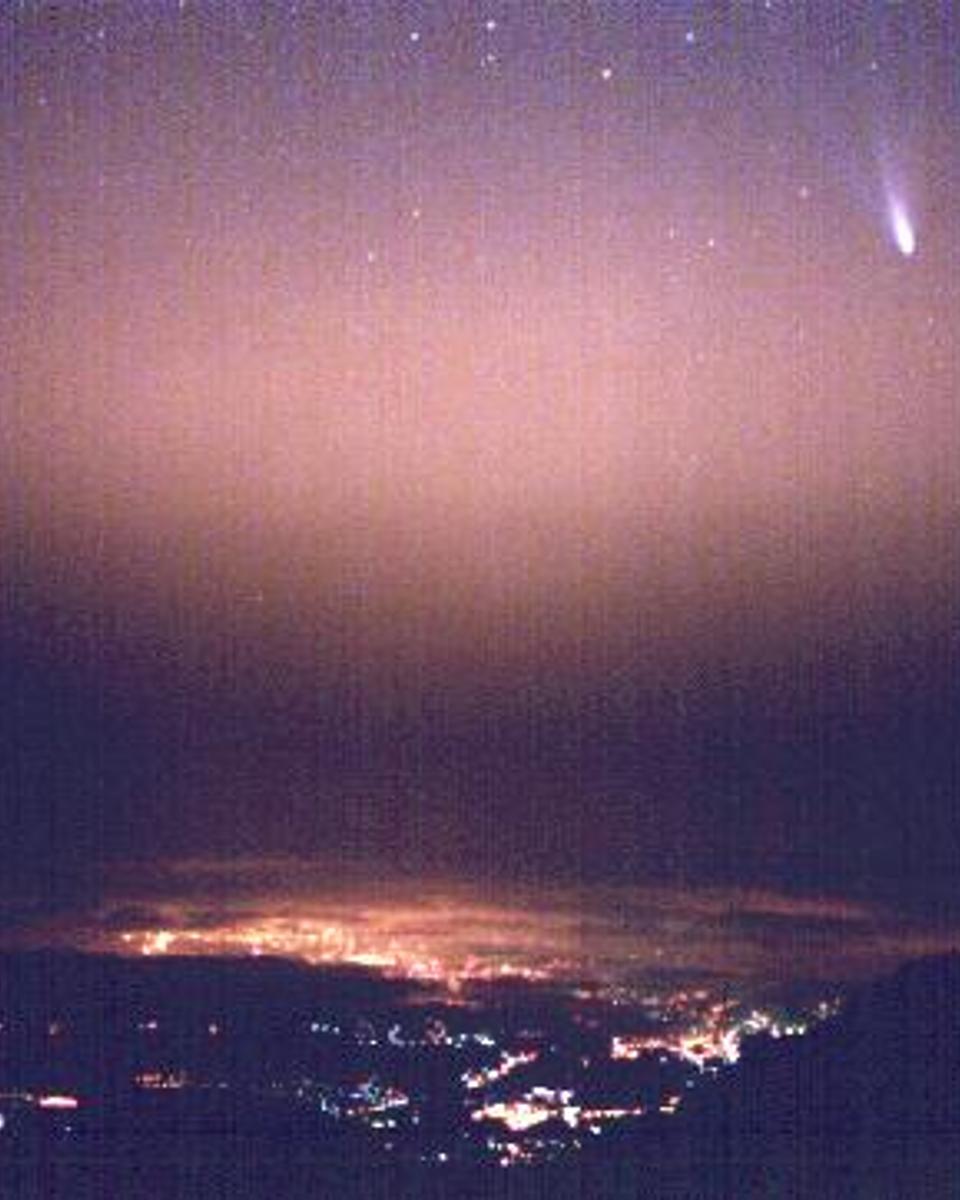
Hale-Bopp Brightest Comet This Century
Explanation : A comet as bright as Comet Hale-Bopp is very rare indeed. No comet has emitted or reflected this much light since possibly the Great Comet of 1811 . However, since…
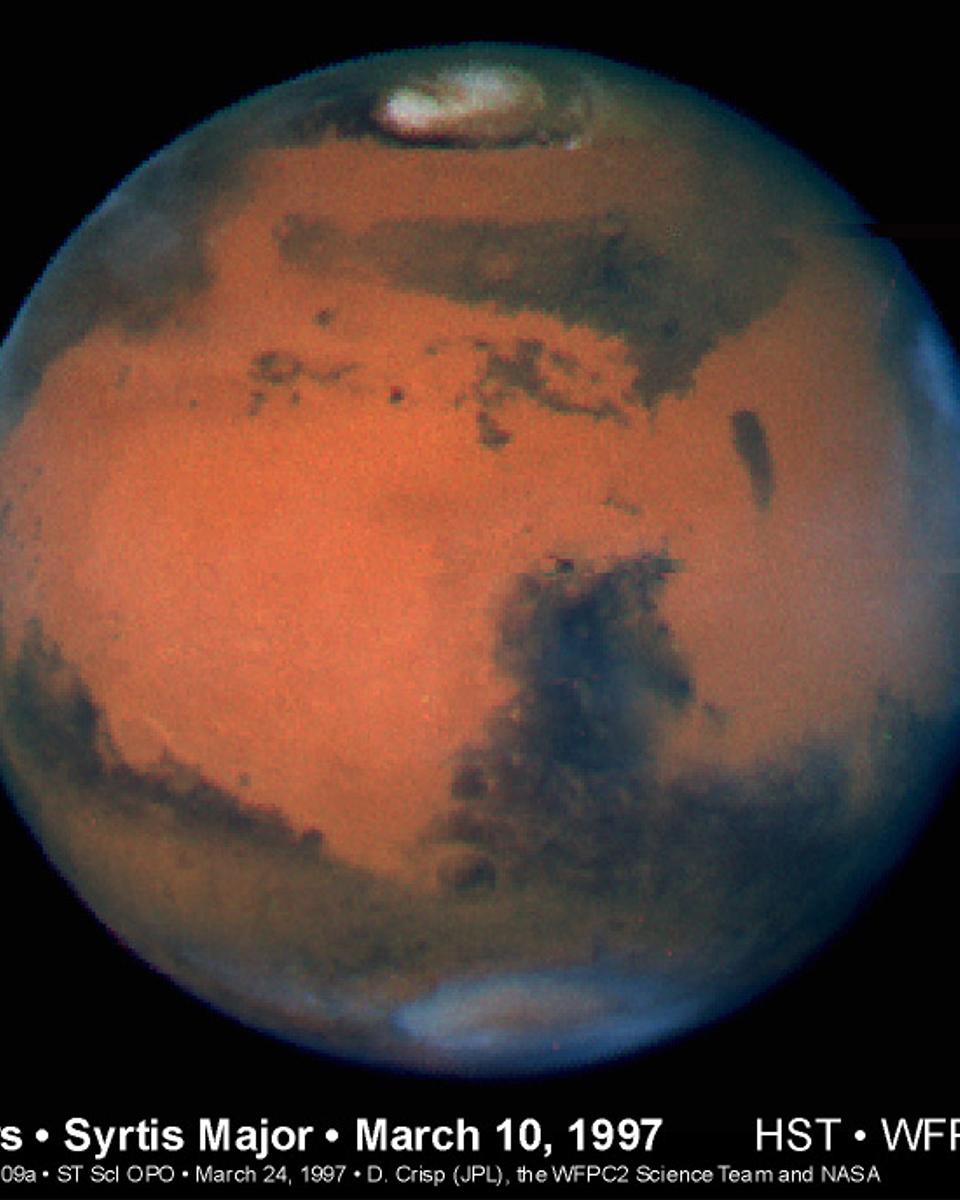
The Weather on Mars
Explanation : Would Mars be a nice place to visit? Sometimes. Much of Mars undergoes severe changes in climate during its orbit around the Sun, ranging from extreme cold to…
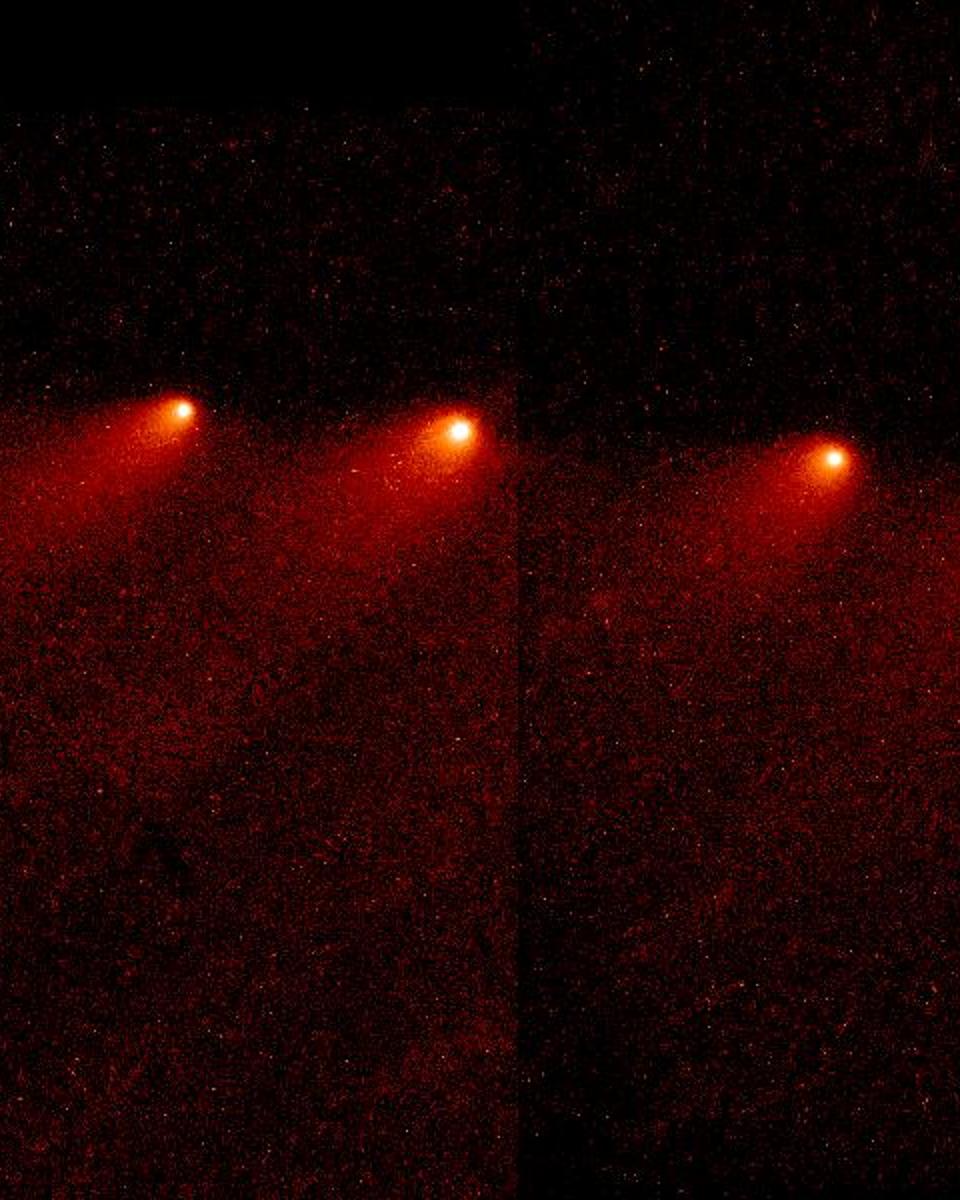
A String Of Pearls
Explanation : Comet Shoemaker-Levy 9 , named after its co-discoverers , was often referred to as the “string of pearls” comet. It is famous for its unusual appearance as well as…
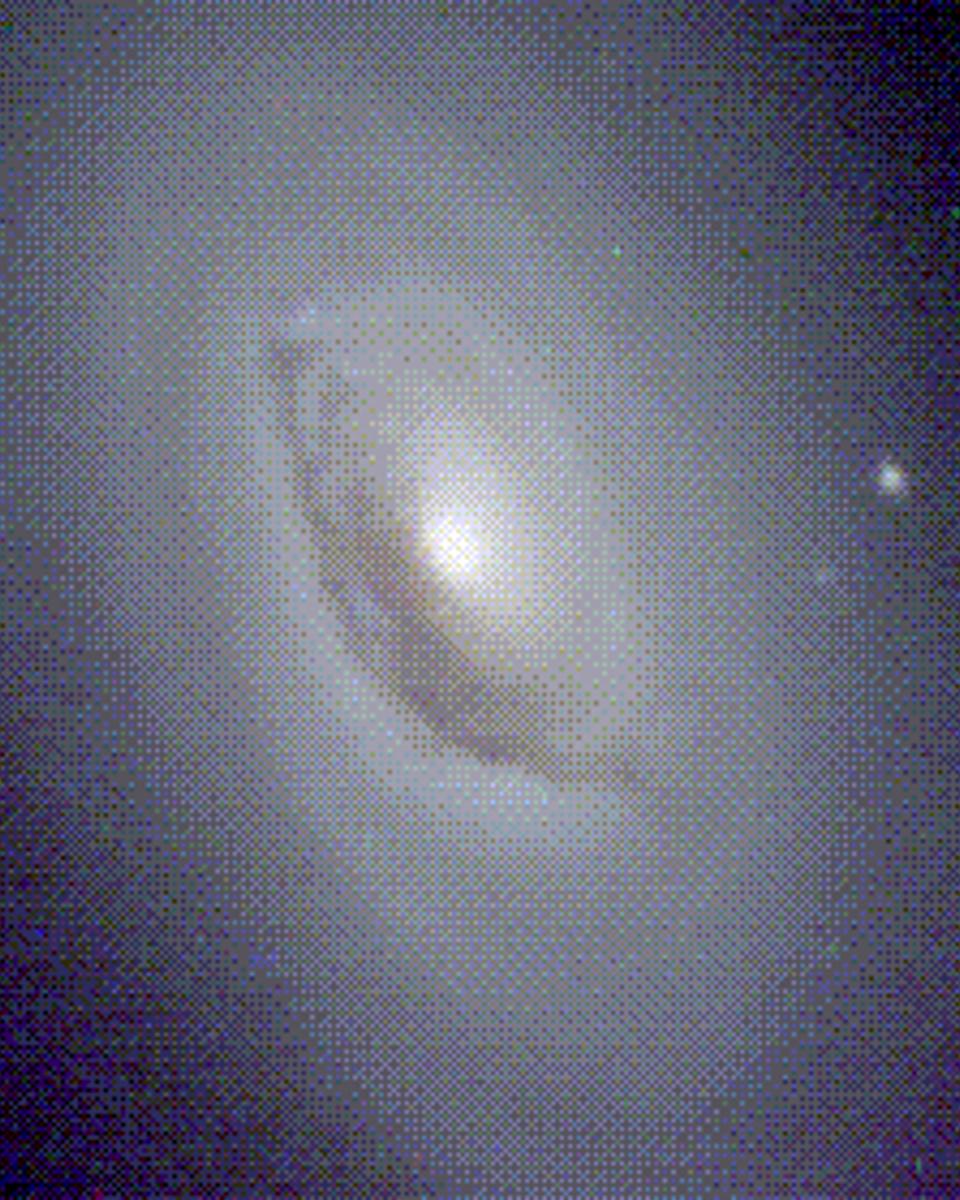
M64: The Sleeping Beauty Galaxy
Explanation : The Sleeping Beauty galaxy may appear peaceful at first sight but it is actually tossing and turning. In an unexpected twist, recent observations have shown that the…
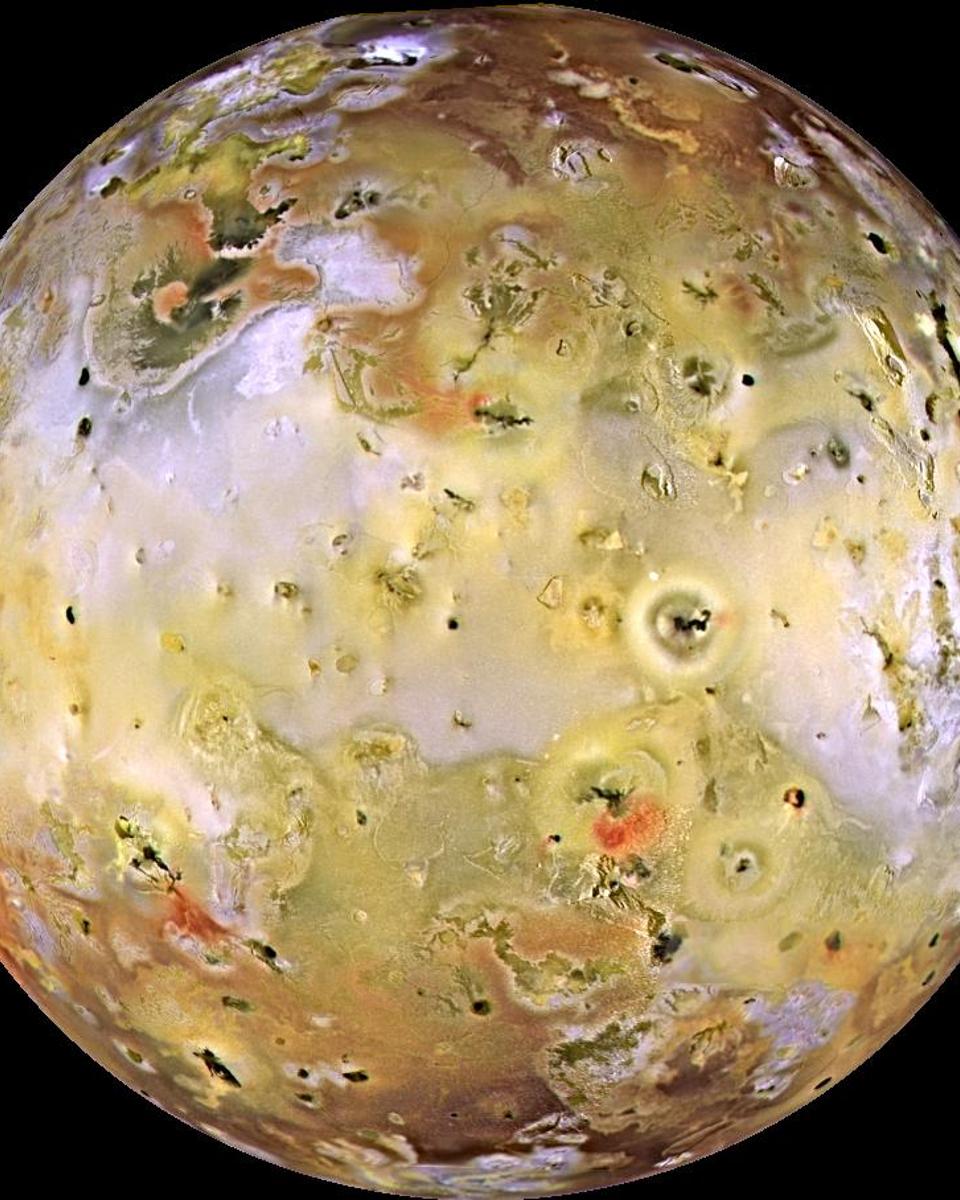
Io's Surface: Under Construction
Explanation : Like the downtown area of your favorite city, the roads you drive to work on, and any self-respecting Web site ... Io's surface is constantly under construction .…
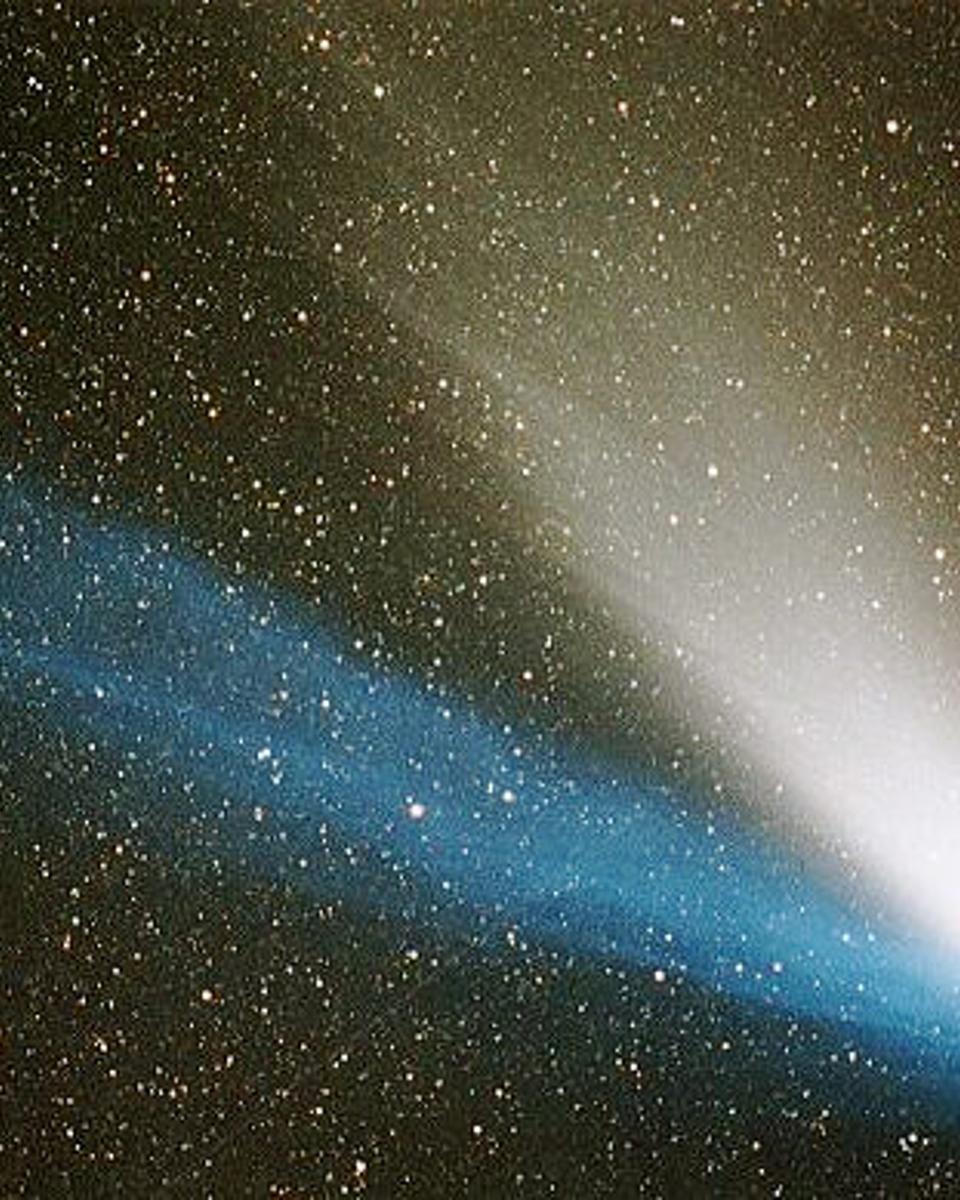
Springtime Comet Fever
Explanation : Today marks the Vernal Equinox , the first day of Spring for planet Earth's northern hemisphere. Despite recent attempts by other spectacular and dramatic celestial…
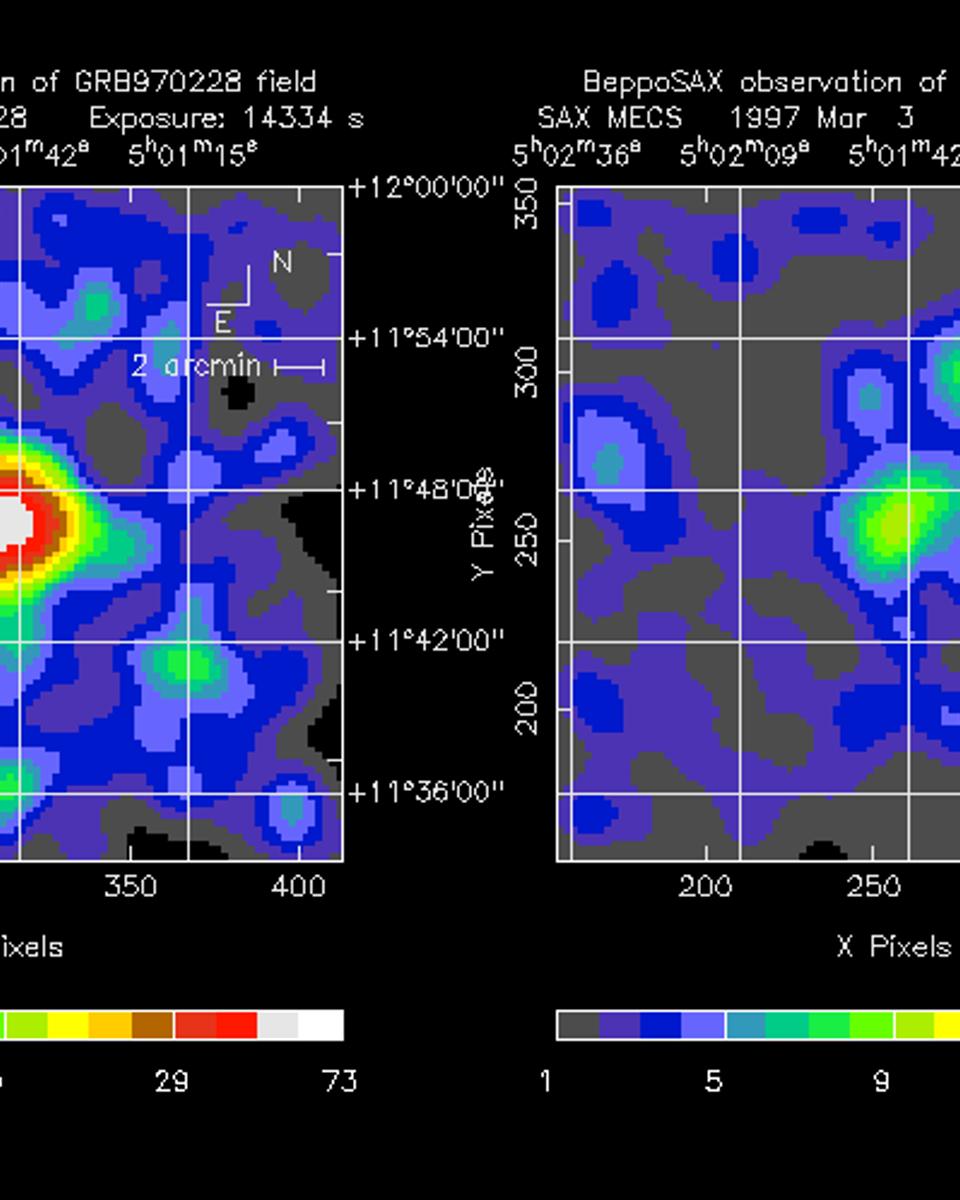
Gamma-Ray Burster
Explanation : What and where are the Gamma-Ray Bursters ? Since their discovery in the early 1970s, nobody has been able to explain the cause of mysterious flashes of gamma rays…
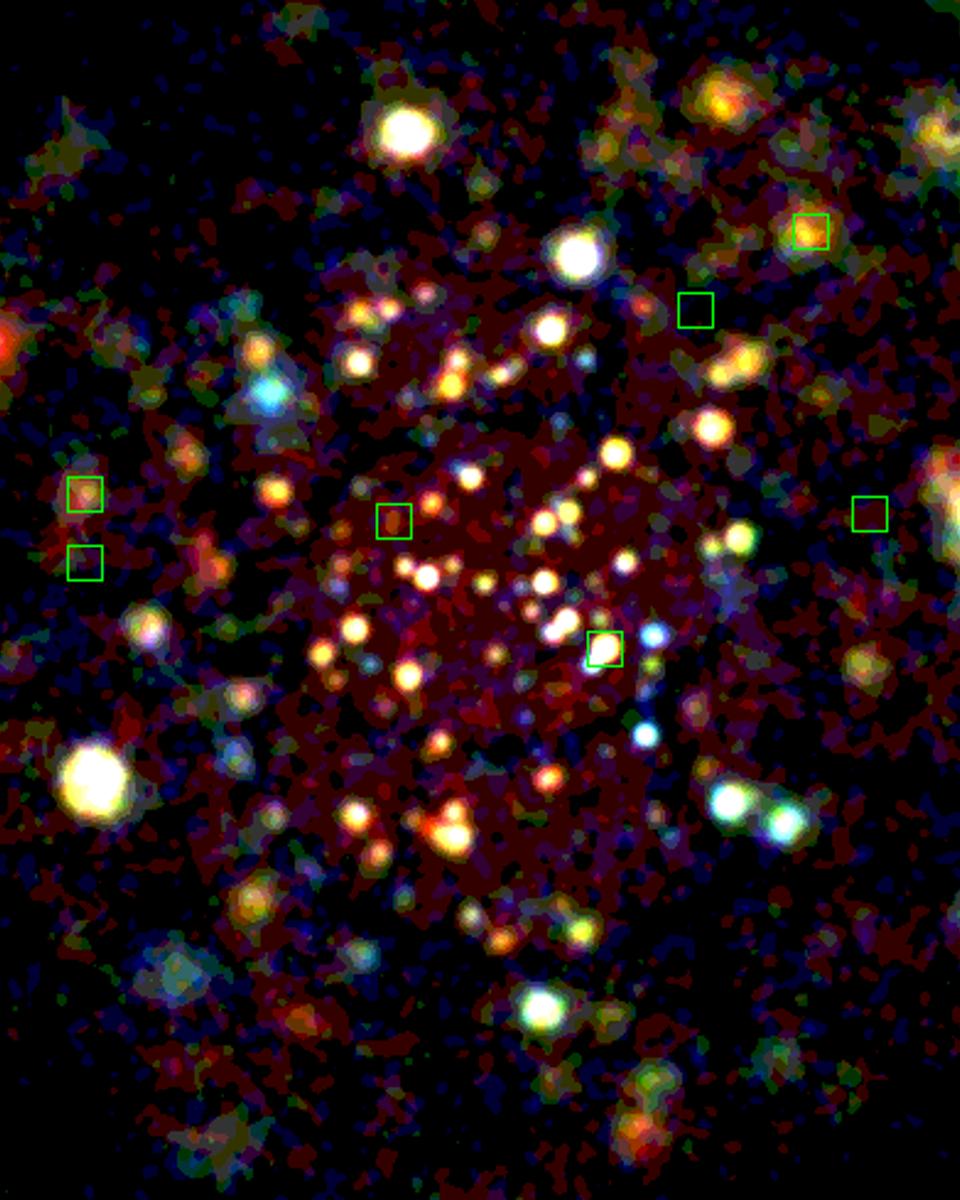
X-Ray Pleiades
Explanation : The Pleiades star cluster is one of the jewels of the northern sky . To the unaided eye it appears as a lovely and tantalizing grouping of stars in the constellation…
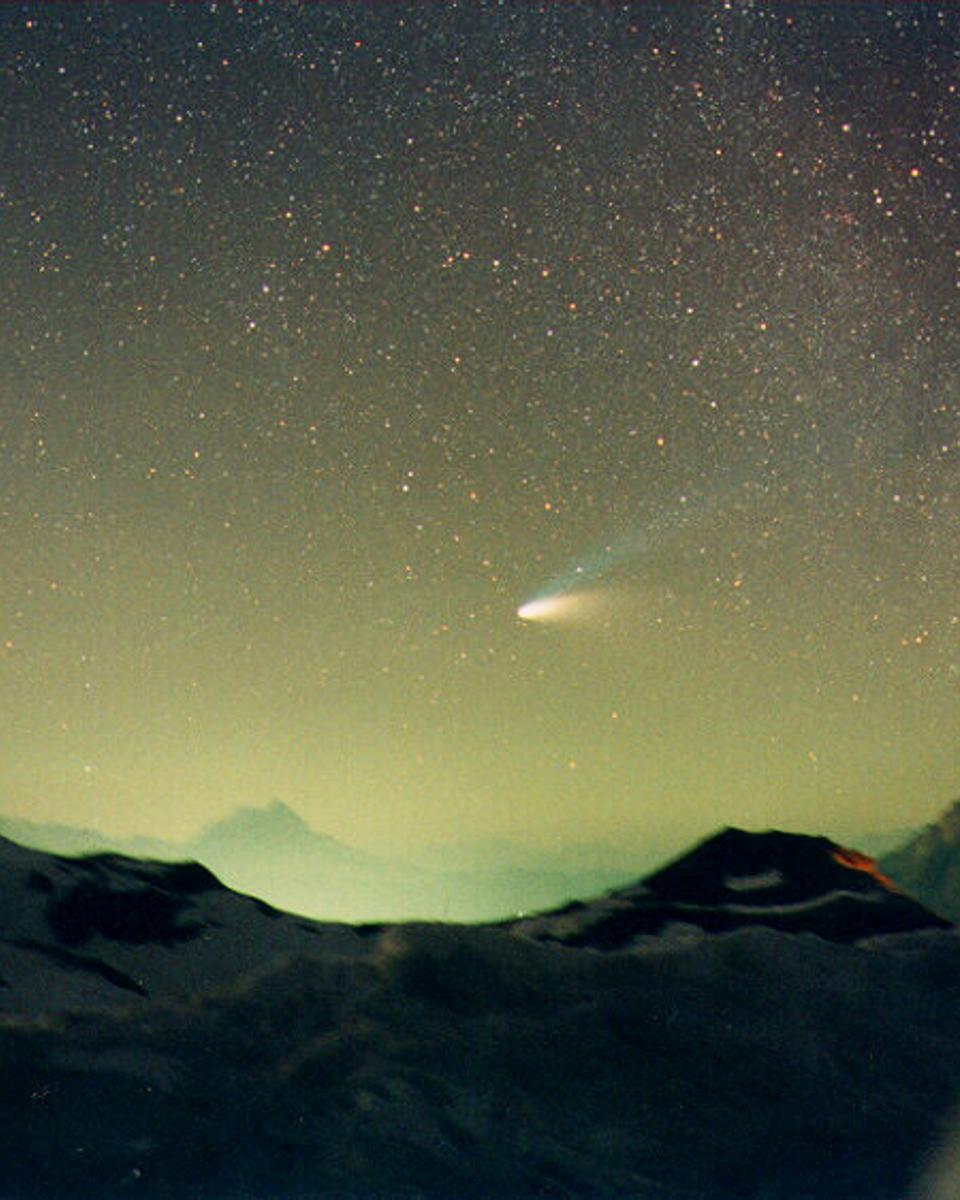
Comet Hale-Bopp Over Val Parola Pass
Explanation : Comet Hale-Bopp is now much brighter than any surrounding stars. It can be seen even over bright city lights. Out away from city lights, however, it is putting on…
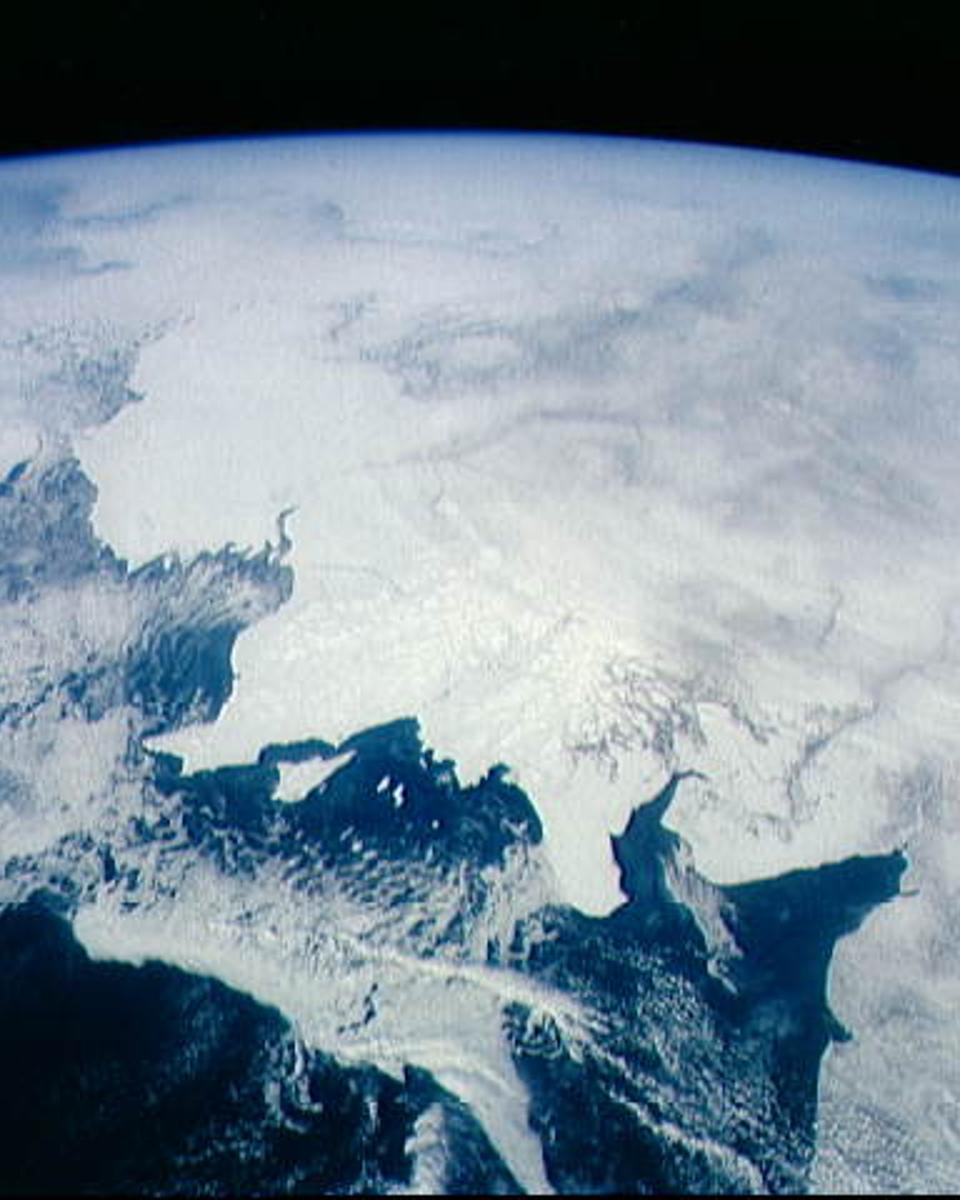
Water World
Explanation : Water (Dihydrogen Oxide, H2O) is a truly remarkable chemical compound, fundamental to life on Earth . Earth is the only planet in the Solar System where the surface…
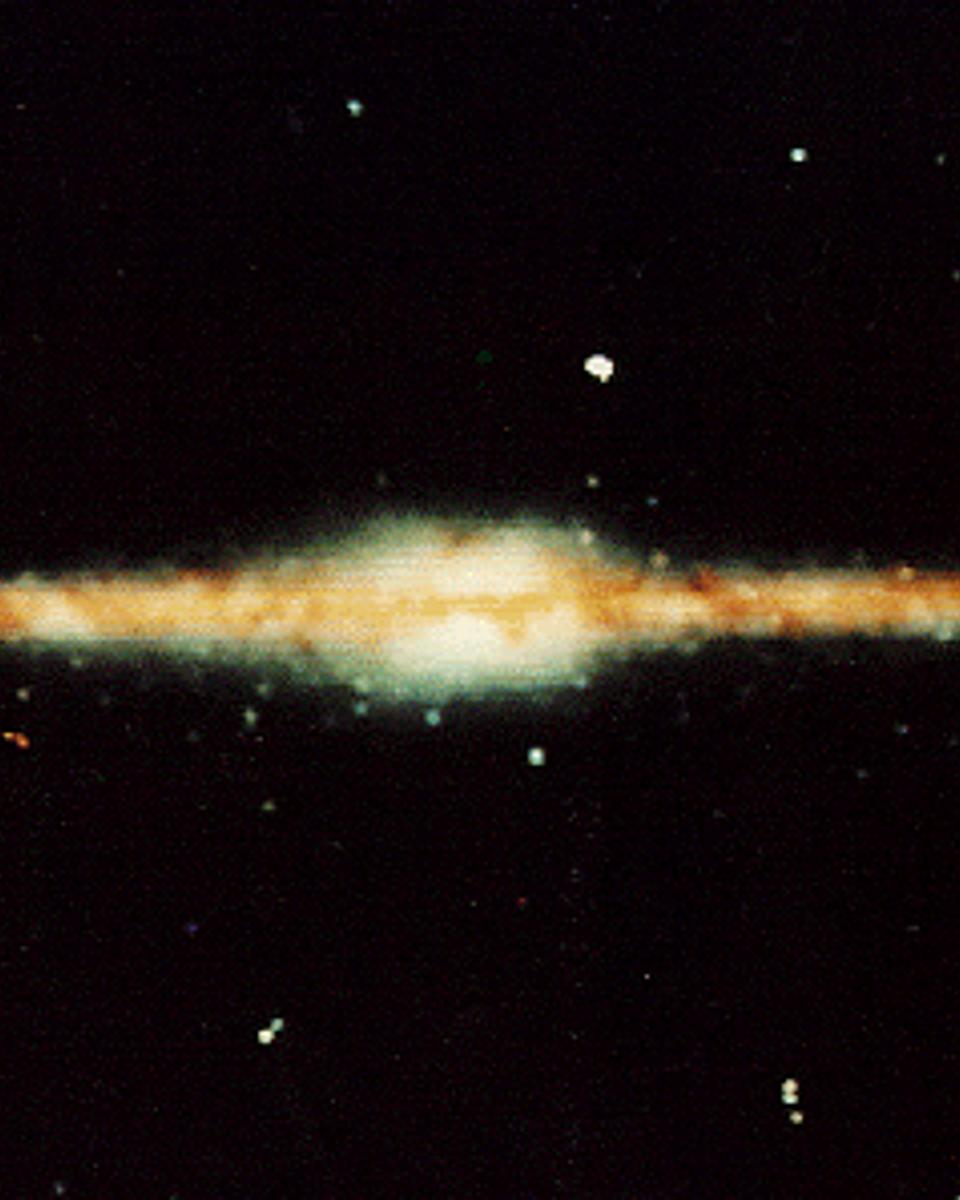
The Milky Way's Center
Explanation : Although the Earth is round, our Galaxy appears truly flat. This was shown in dramatic fashion by the COsmic Background Explorer (COBE) satellite which produced this…
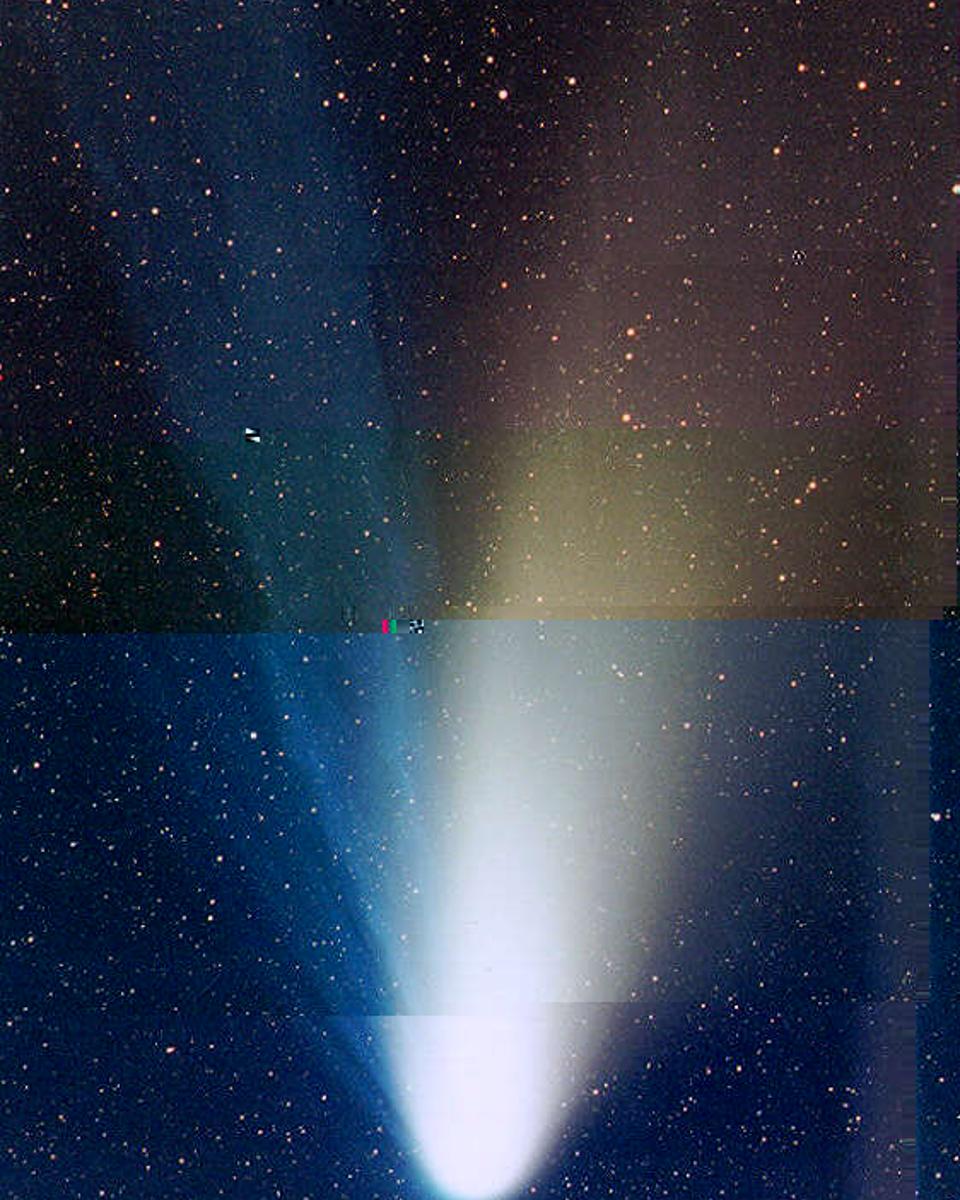
Comet Hale-Bopp's Developing Tail
Explanation : Comet Hale-Bopp is living up to its expectations. Besides the brightness of its coma , a comet is typically remembered by the length of its tails . As visible in the…
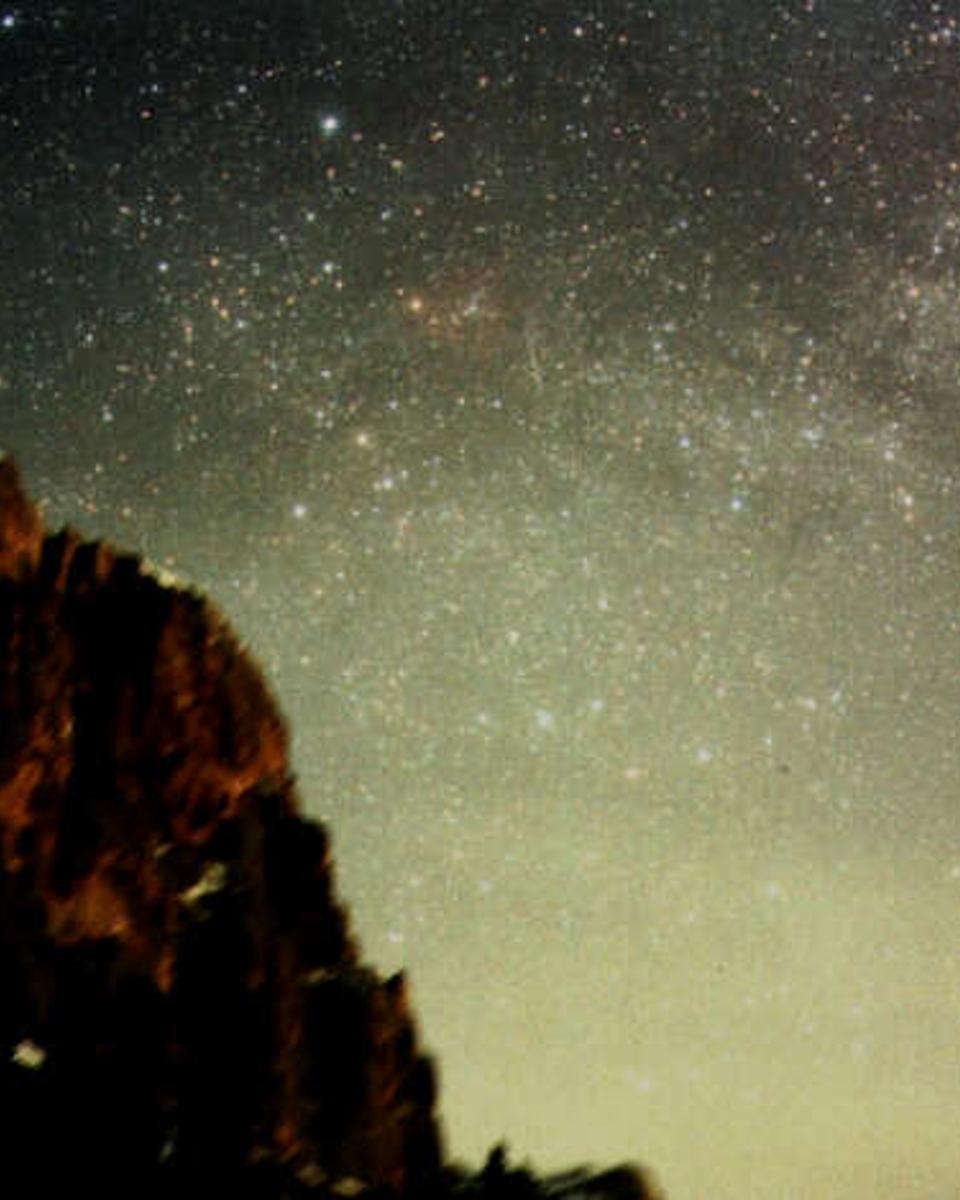
Hale-Bopp Brightest Comet This Decade
Explanation : The Great Comet of 1997 is now brighter than the Great Comet of 1996 ever was. In fact, it is brighter than almost every star in the sky. Yet Comet Hale-Bopp is…
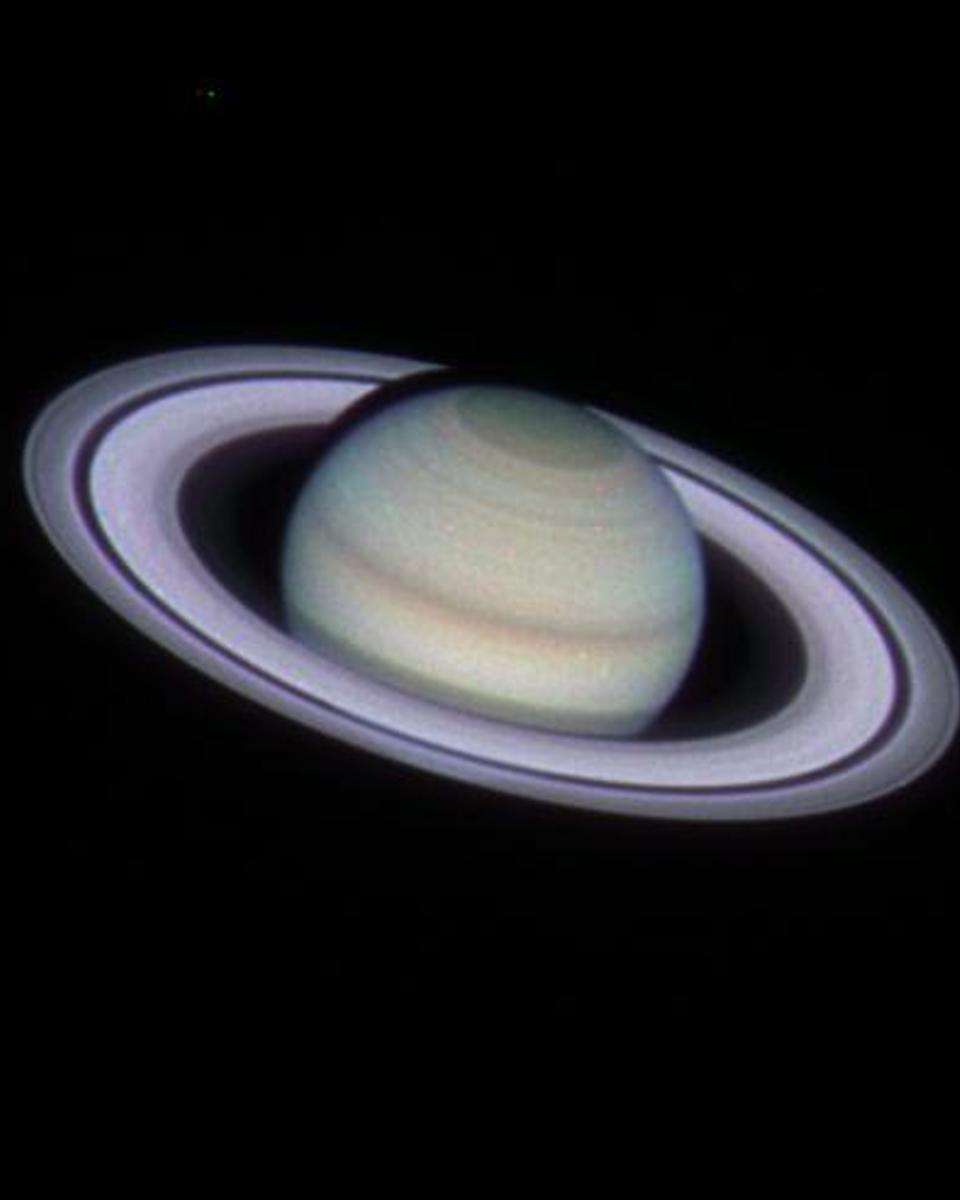
Saturn in Color
Explanation : Saturn is unusual but photogenic. The second largest planet in our Solar System , behind Jupiter , has been easily identifiable at night since history has been…
Viewing discoveries from 4 April 1997 through 12 March 1997.