Browse NASA Astronomy Picture of the Day archive by date and media: Archive Discoveries
Browse the NASA APOD archive without needing the exact date first. Filter by media type and keep moving deeper into older images and videos.
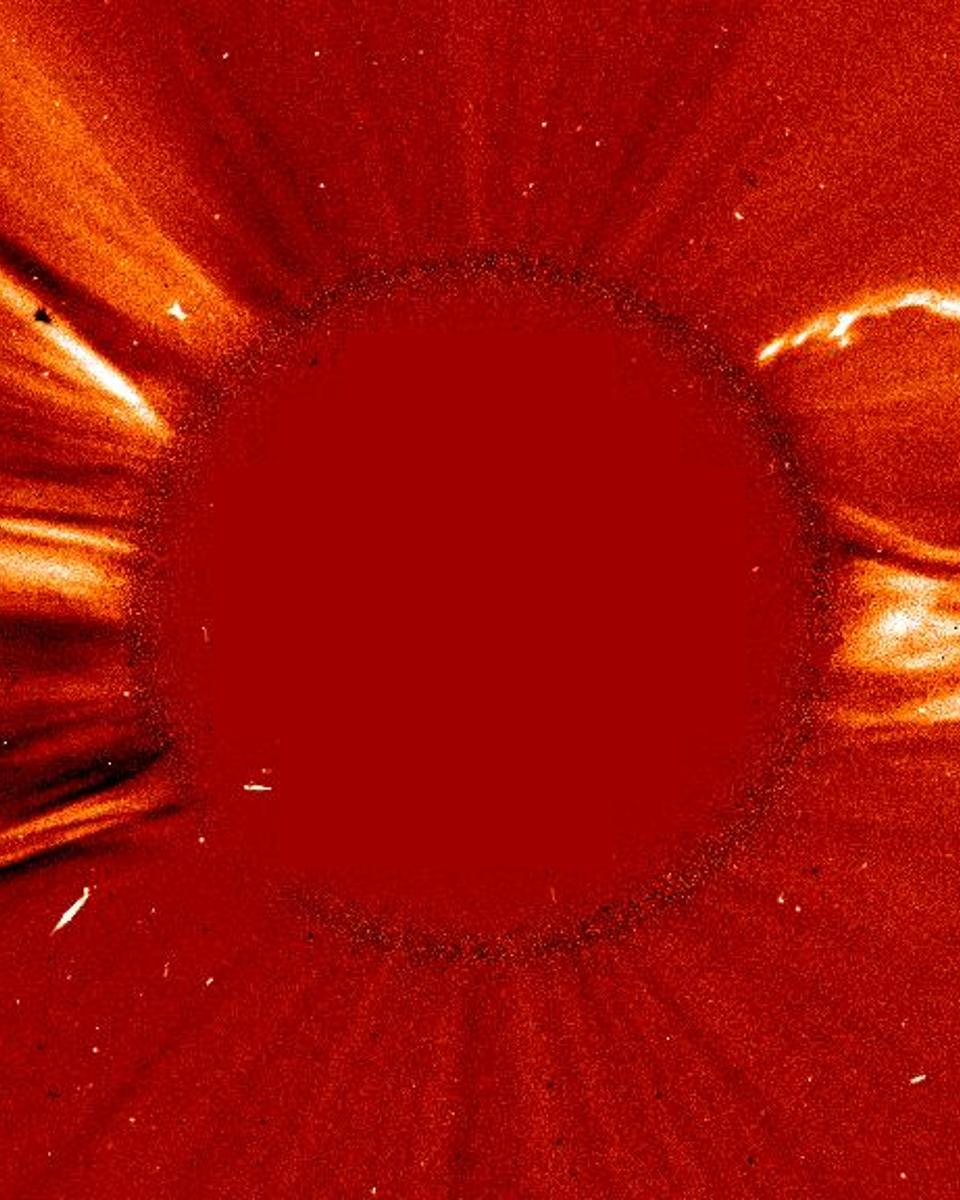
Red Sun Streaming
Explanation : The Sun is leaking. In fact, it is gushing: particles stream away from the Sun at hundreds of kilometers per second. Some of these particles strike the Earth and…
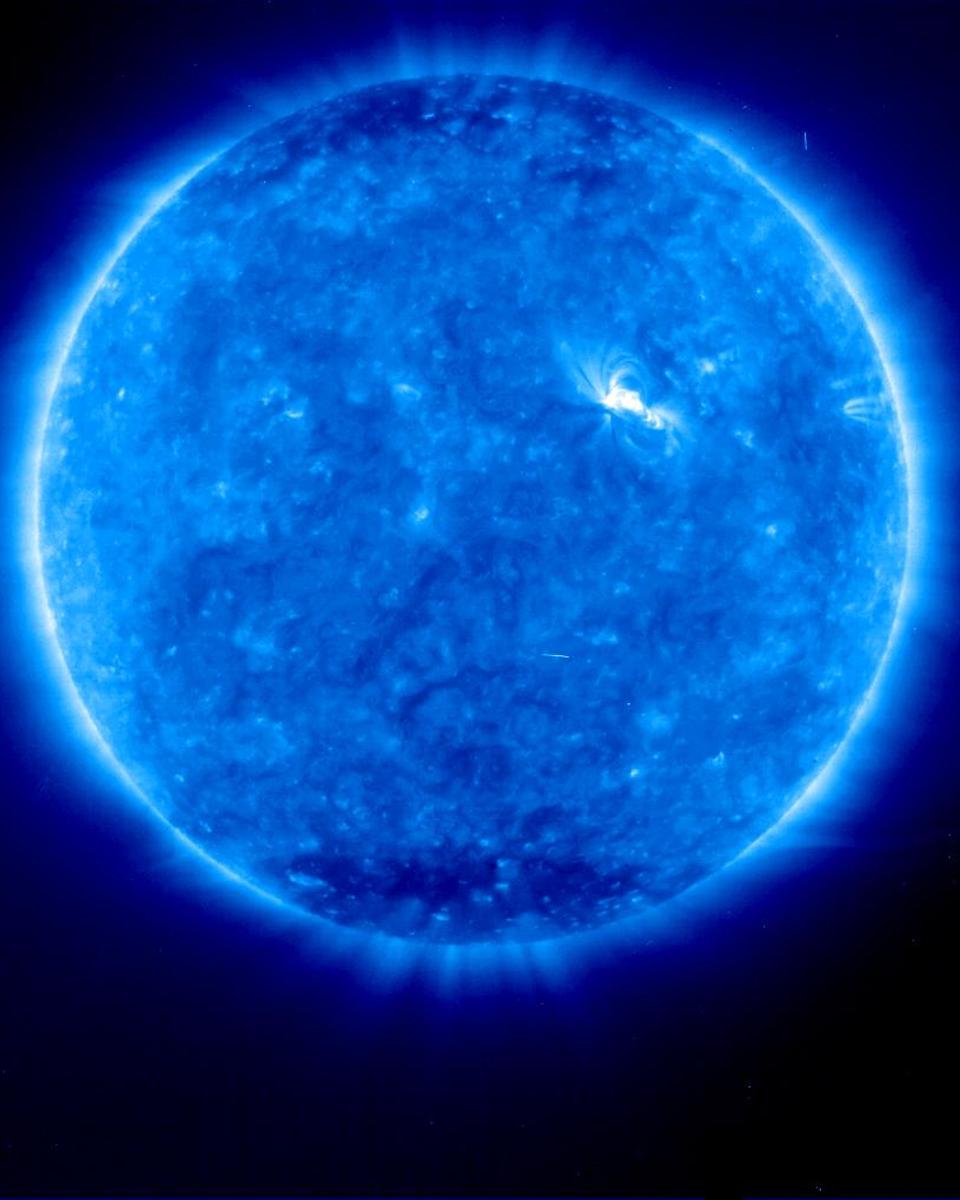
Blue Sun Glaring
Explanation : The Sun is a bubbling ball of extremely hot gas. In this false-color picture , light blue regions are extremely hot - over 1 million degrees , while dark blue…
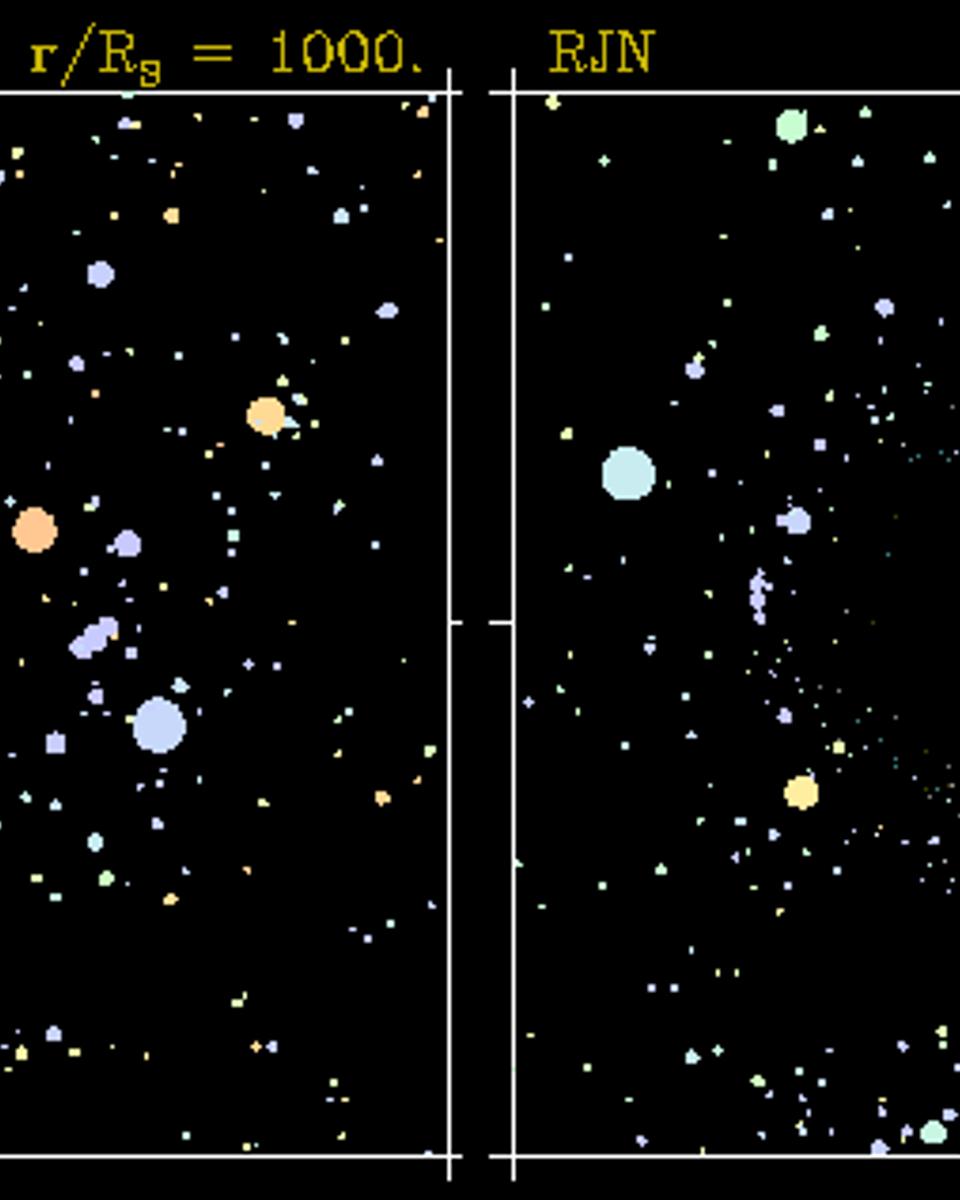
Too Close to a Black Hole
Explanation : What would you see if you went right up to a black hole ? Above are two computer generated pictures highlighting how strange things would look. On the left is a…

A Star Where Photons Orbit
Explanation : The above computer animated picture depicts how a very compact star would look to a nearby observer. The star pictured is actually more compact that any known except…
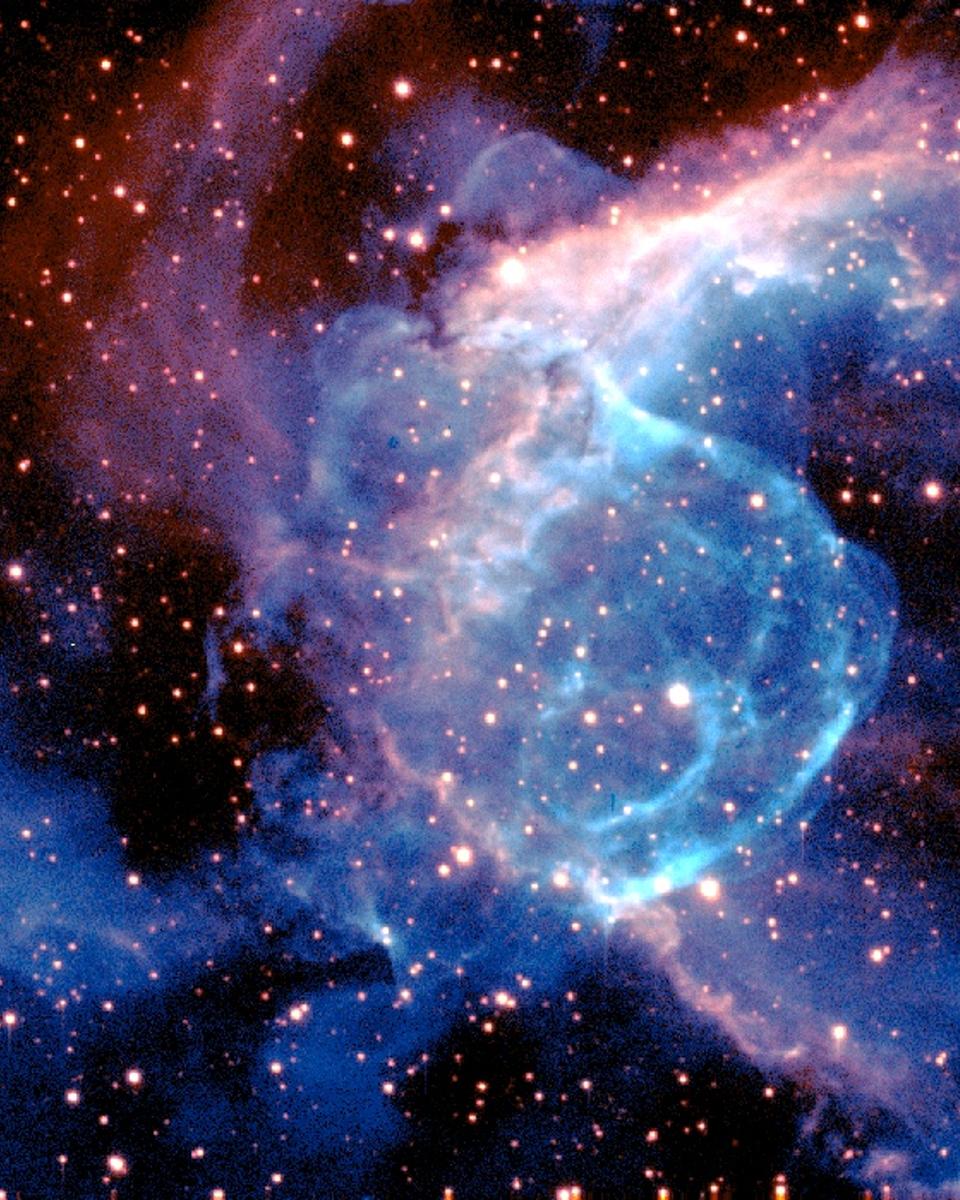
A Wolf-Rayet Star Blows Bubbles
Explanation : Wolf-Rayet stars can blow bubbles. These unusual stars are much hotter and more luminous than our Sun . All extremely massive stars will eventually evolve though a…
Bubbles and Arcs in NGC 2359
Explanation : What caused the bubbles and arcs in NGC 2359? The main suspect is the Wolf-Rayet star in the center of one of the bubbles - visible slightly below and to the right…
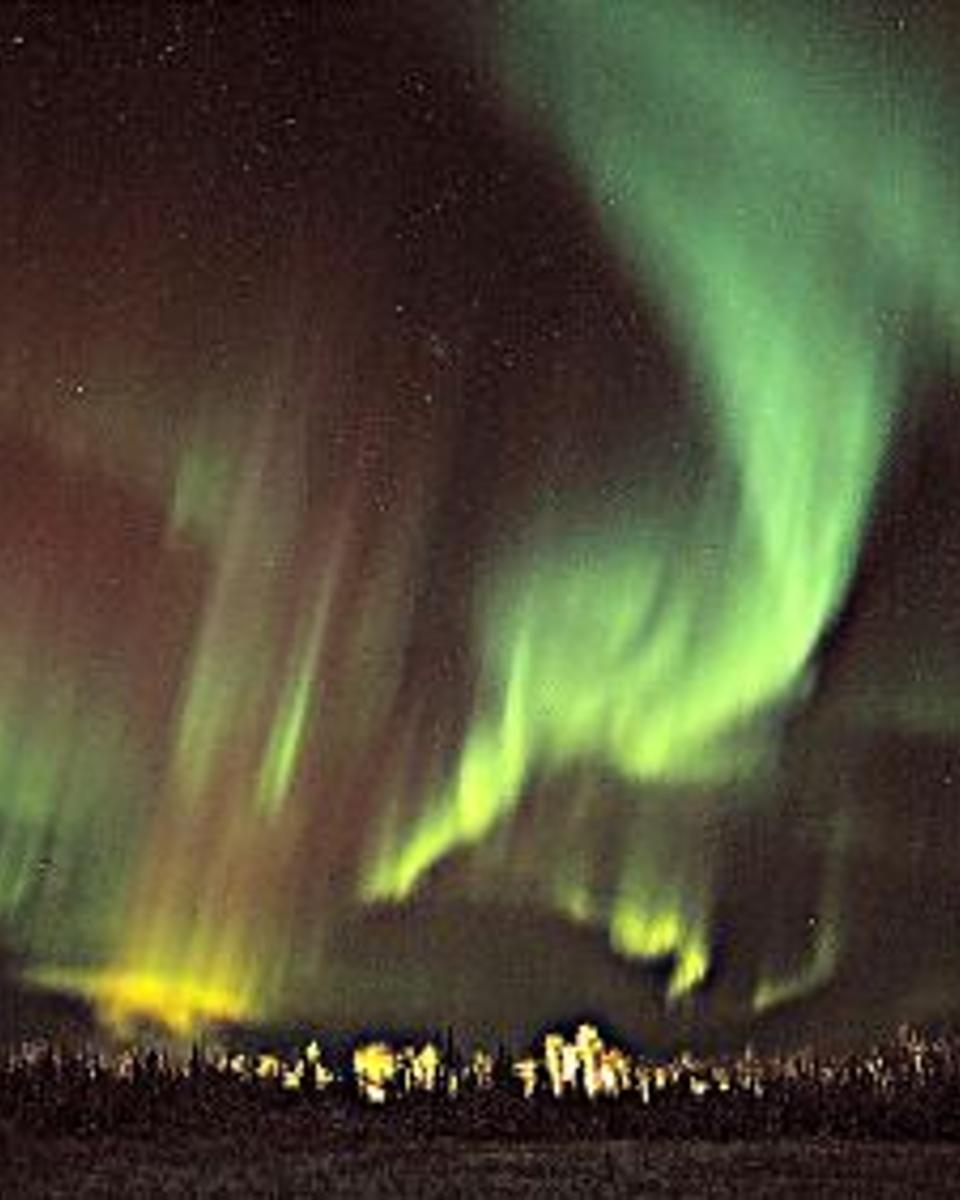
Aurora Over Circle, Alaska
Explanation : Aurora can make spectacular sights. This particular aurora was photographed hovering over the town of Circle, Alaska. Although Aurora might first appear to be…
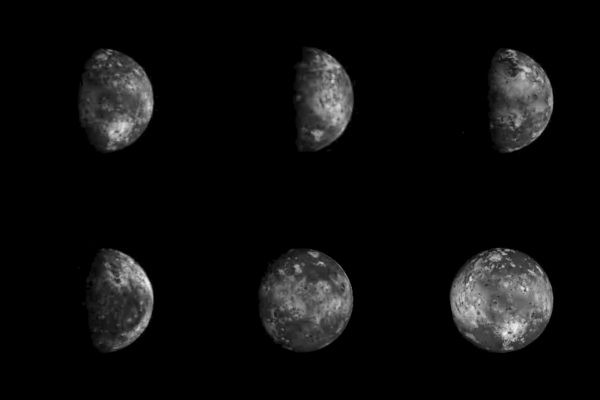
Io Rotating
Explanation : Are any volcanoes on Io currently erupting? To help answer this, scientists instructed the robot spacecraft Galileo to take hourly pictures of this moon of Jupiter…
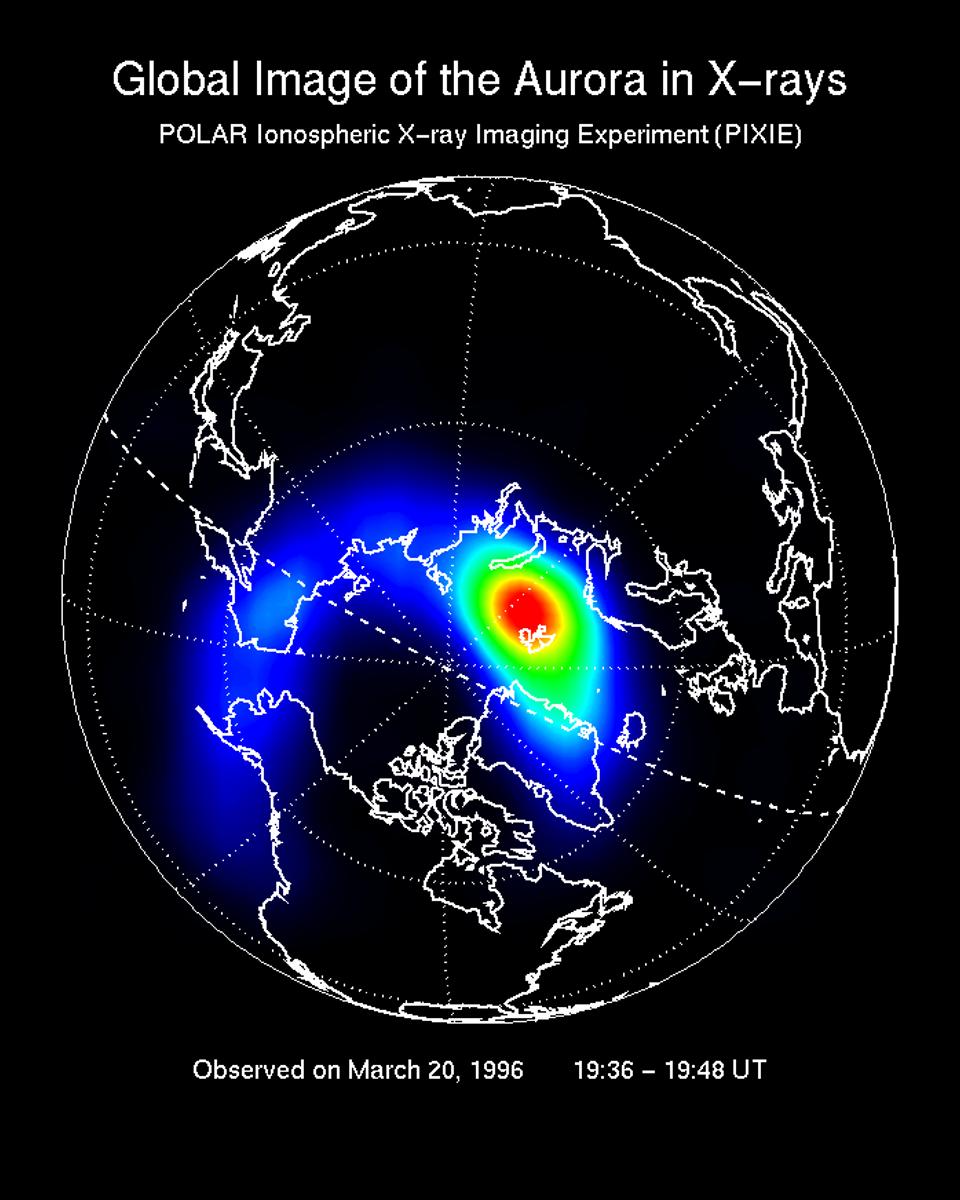
X-Ray Earth
Explanation : The Earth glows in many kinds of light, including the energetic X-ray band. Actually, the Earth itself does not glow - only aurora produced high in the Earth's…
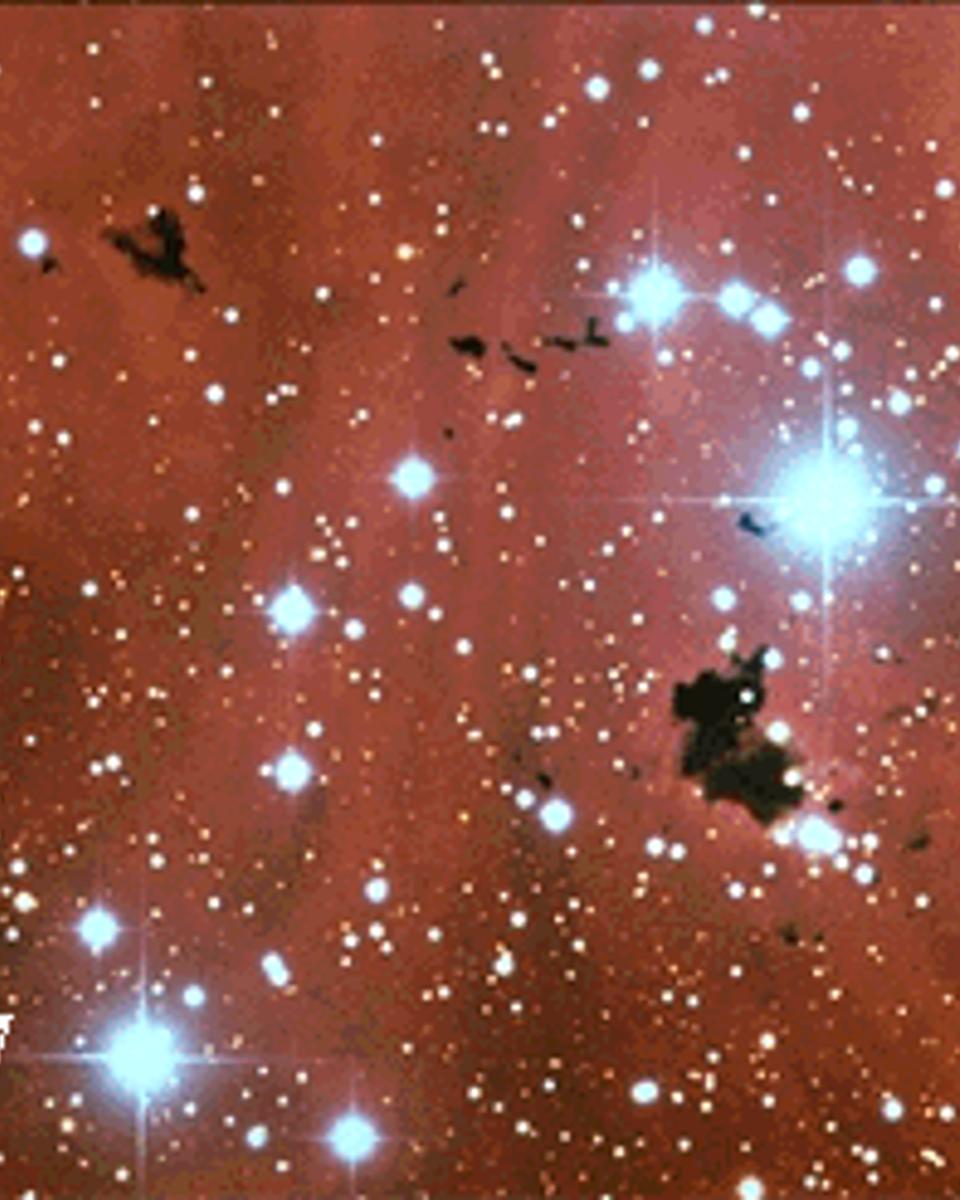
Dark Bok Globules in IC 2944
Explanation : The dark spots in the above picture are not photographic defects but an unusual type of interstellar cloud known as a Bok globule . Bok globules, named after…
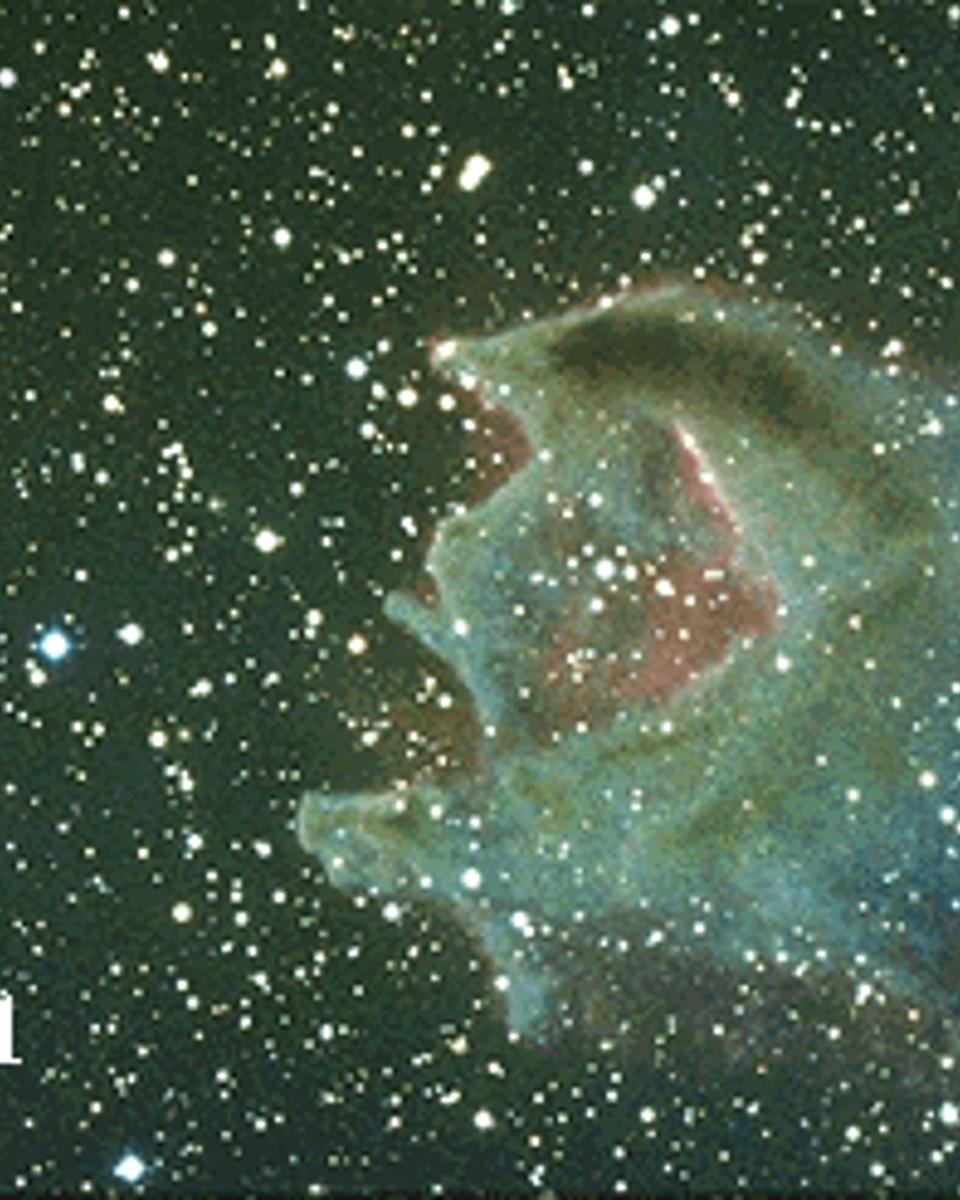
CG4: A Ruptured Cometary Globule
Explanation : The odd looking “creature” to the right of center in the above photo is a gas cloud known as a cometary globule . This globule, however, has ruptured. Cometary…
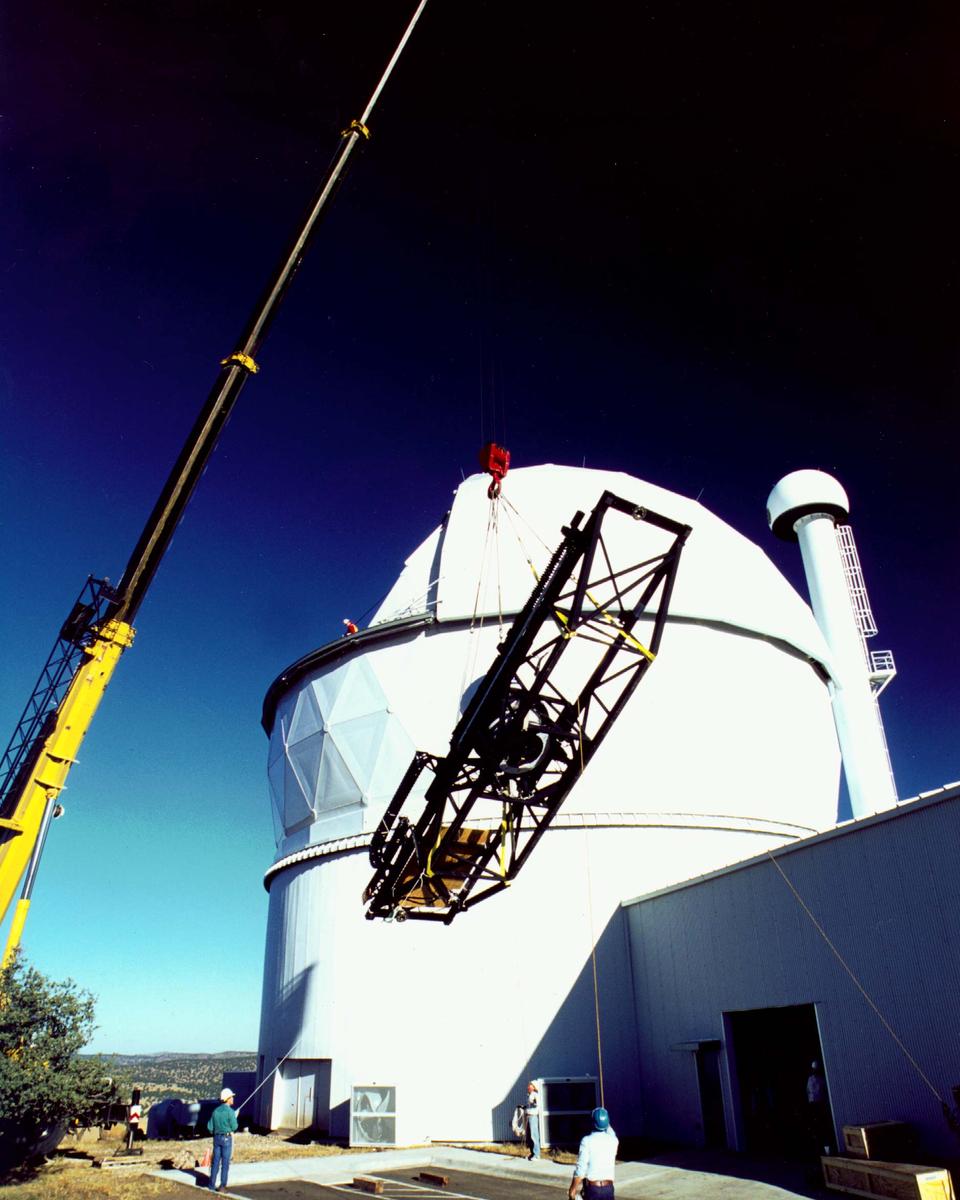
HET: The New Largest Optical Telescope
Explanation : Most of our universe is too dim to see. To peer into our cosmos' unknown depths, astronomers must deploy new tools - and the classic new tool is a larger telescope.…

Carl Sagan 1934-1996
Explanation : Carl Sagan died last Friday at the age of 62. Sagan was the world's most famous astronomer. Among his many activities as a scientist, he contributed to the discovery…
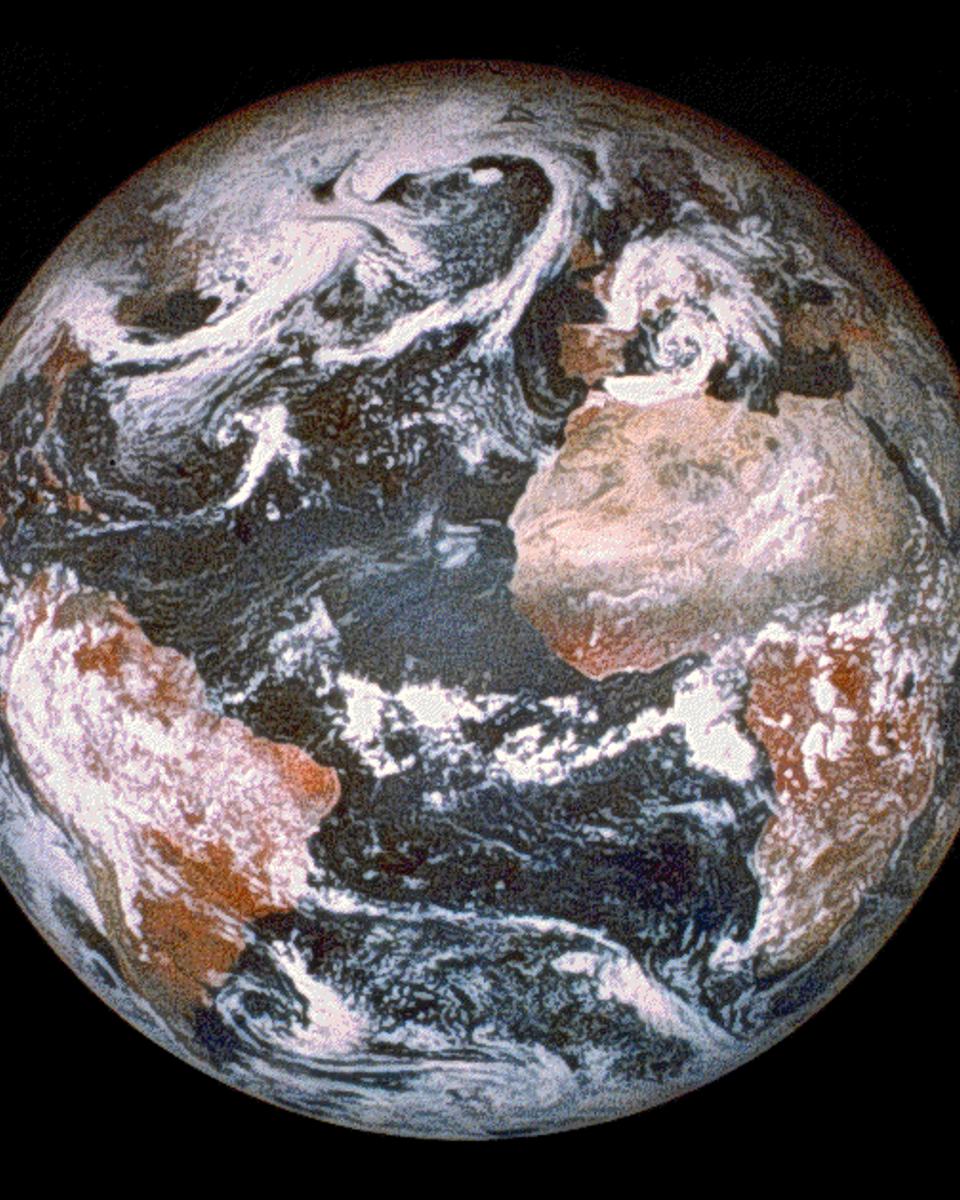
An Earth Ornament
Explanation : The Apollo 8 astronauts spent the 1968 Christmas Season in lunar orbit, returning with striking images of the Moon and Earth from space which inspired the world.…
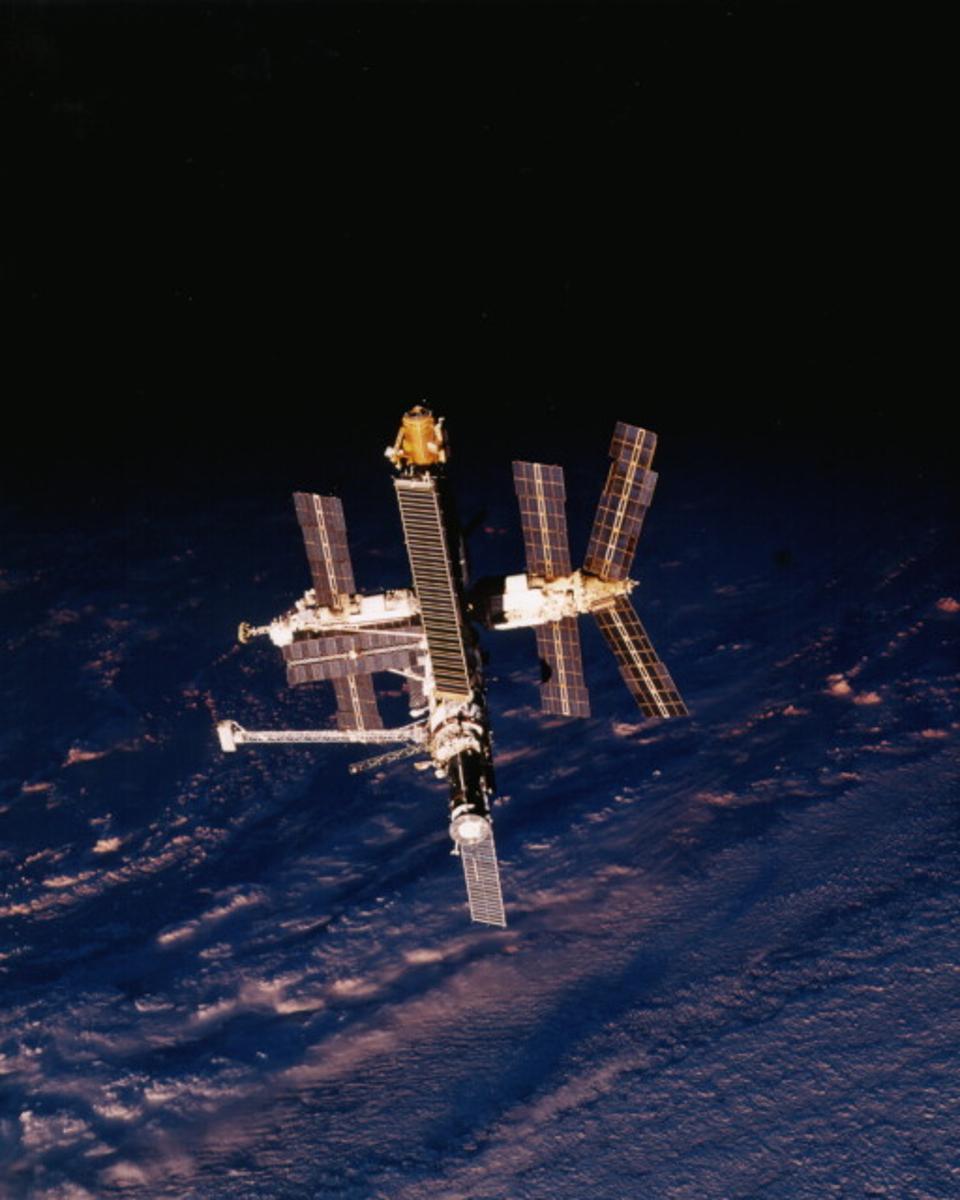
A Mirry Christmas
Explanation : Thinking about spending the Holiday Season in low Earth orbit? Astronaut John Blaha and his cosmonaut colleagues Valeri Korzun and Alexander Kaleri are doing just…
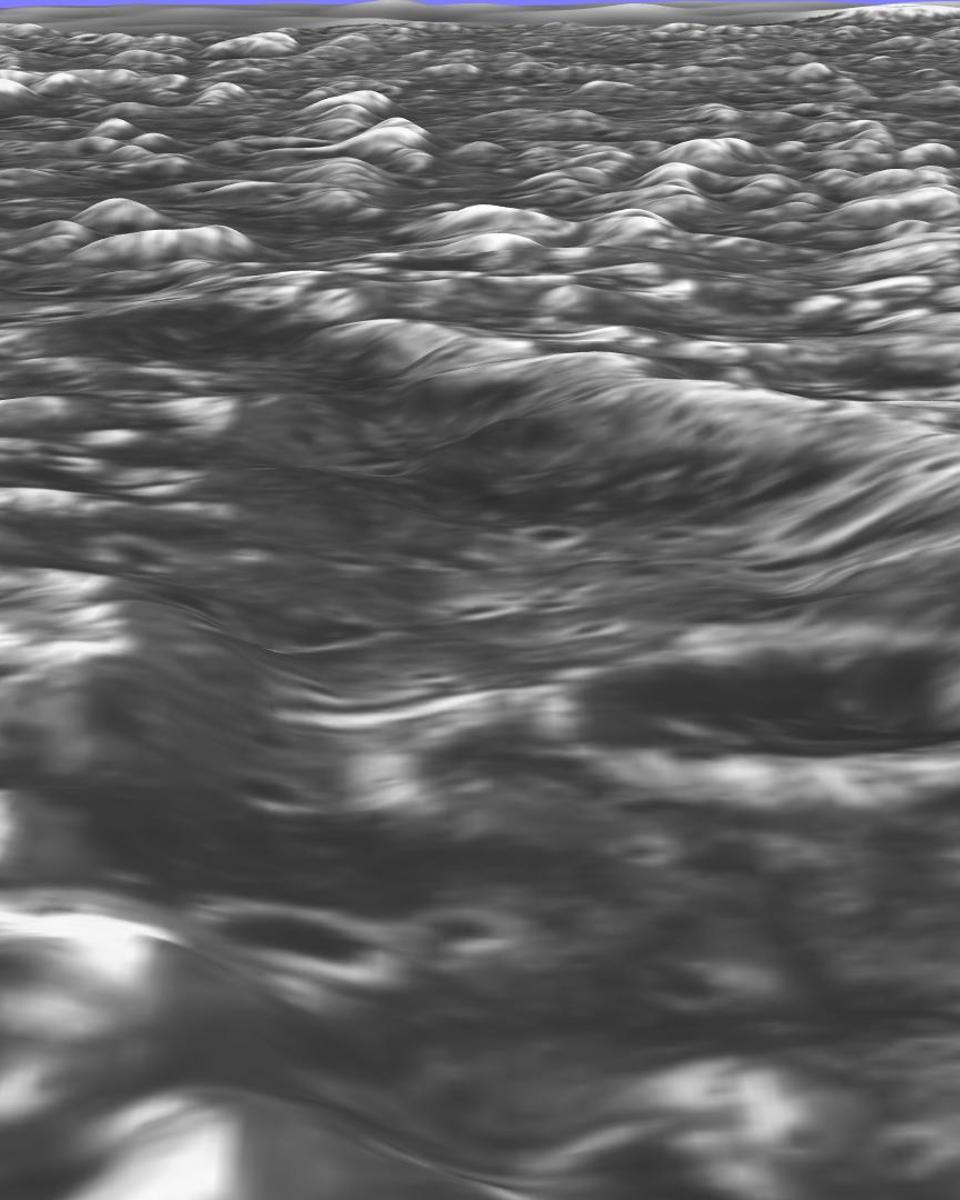
The Hills of Ganymede
Explanation : This computer generated 3D close-up view of Jupiter's large moon Ganymede was created using image data from NASA's Galileo spacecraft. Simulating stereo vision by…
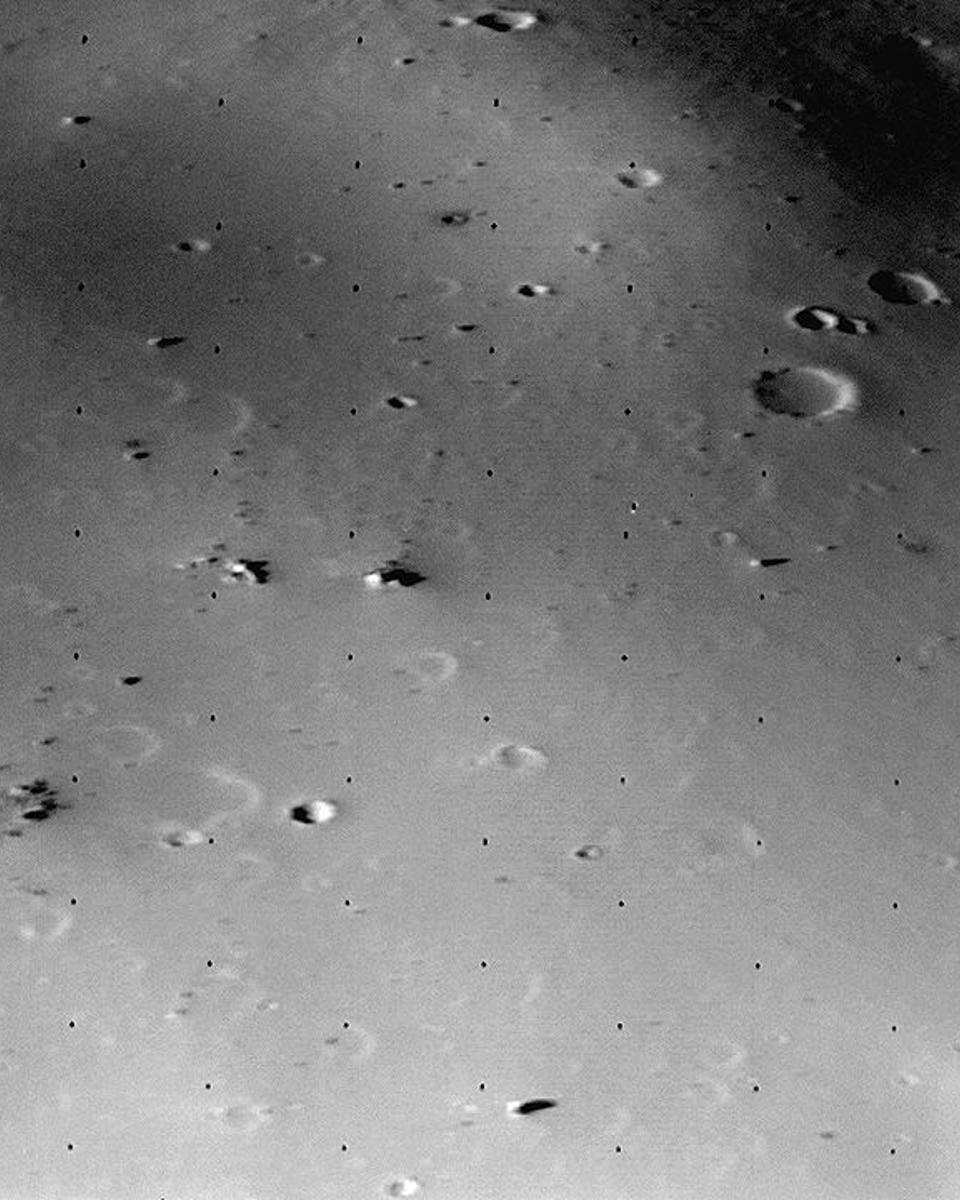
18 Miles From Deimos
Explanation : Diminutive Deimos is the smallest of the two tiny Moons of Mars. Potato shaped and barely 6 miles wide this asteroid-like body was visited by the Viking 2 orbiter in…
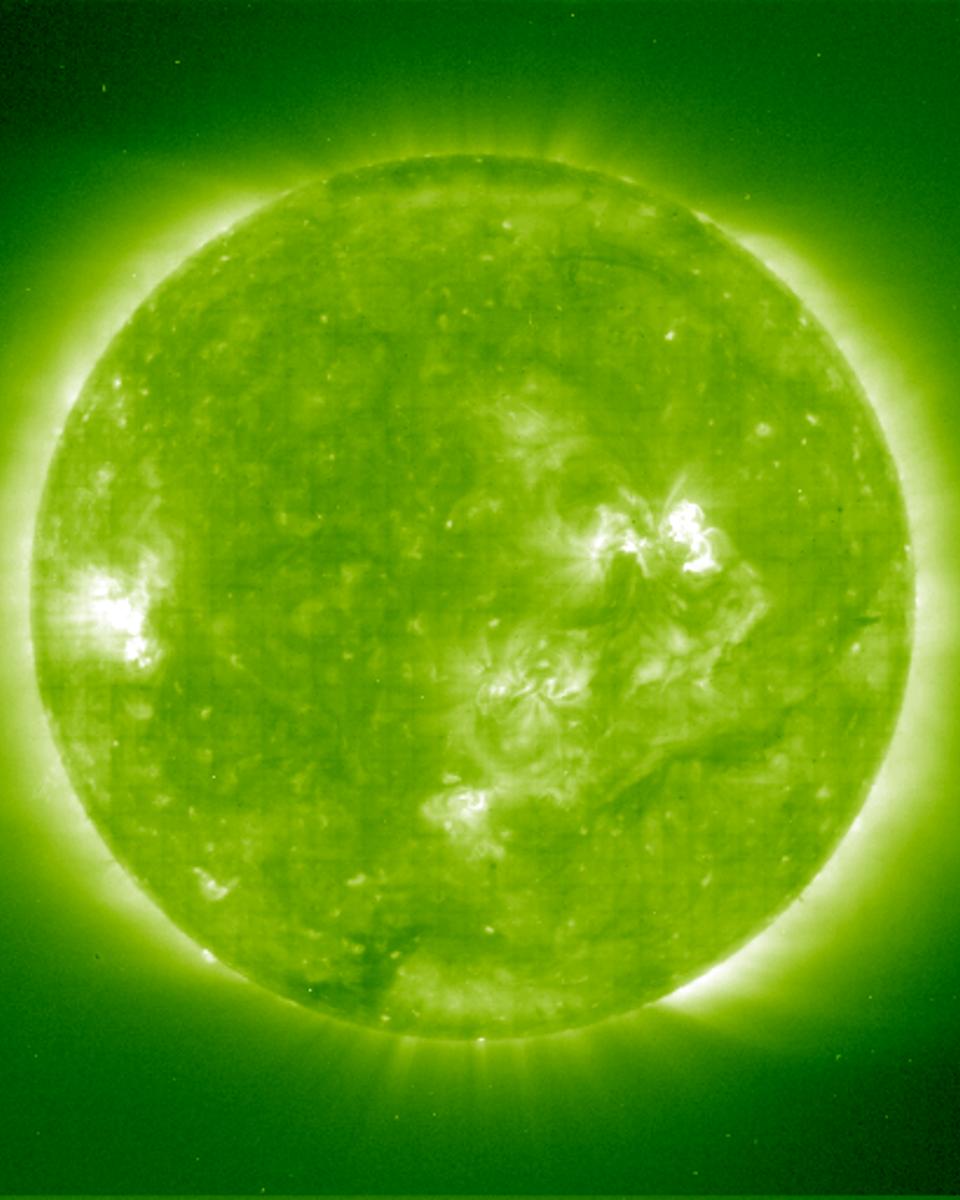
Sun and Winter Solstice 1996
Explanation : Today is the Winter Solstice for 1996. After steadily sinking in Northern Hemisphere skies , the Sun is now at its lowest declination - marking the first day of…
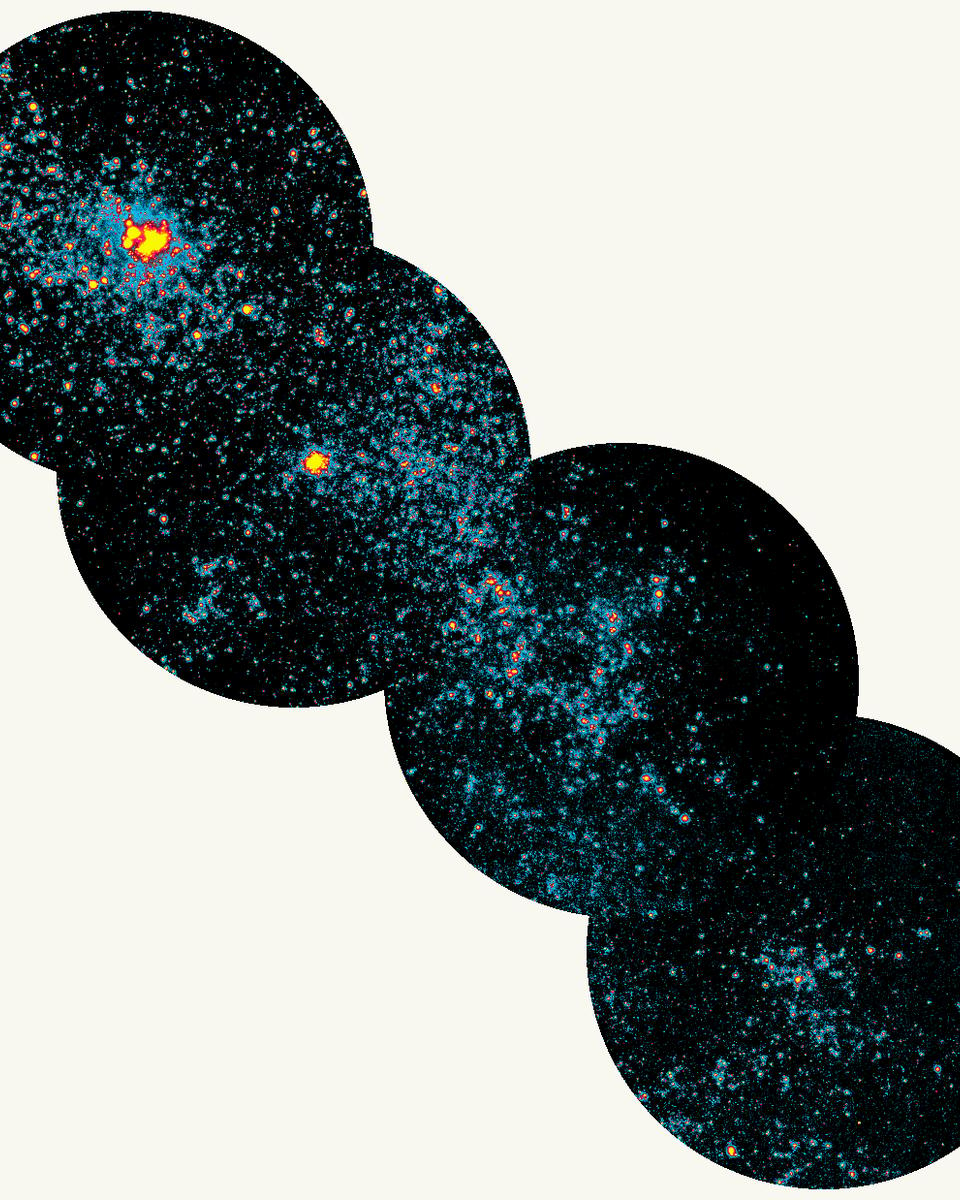
The UV SMC from UIT
Explanation : Translated from the “acronese” the title reads - The U ltra V iolet S mall M agellanic C loud from the U ltraviolet I maging T elescope. FYI, the four ultraviolet…
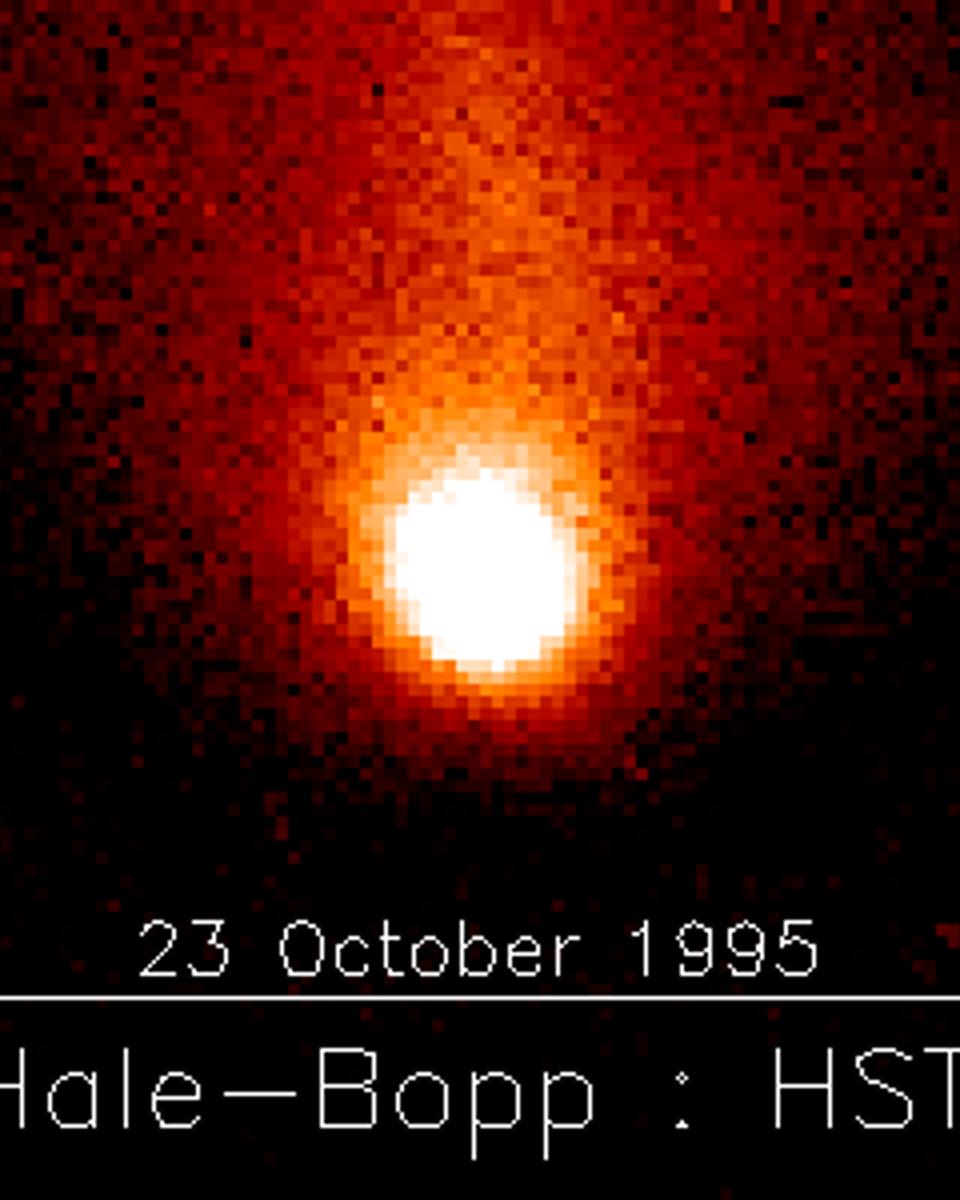
Comet Hale-Bopp Inbound
Explanation : Headed toward the inner Solar System, the much anticipated Comet Hale-Bopp has promised to put on a big show next spring. The comet's apparent brightness is…
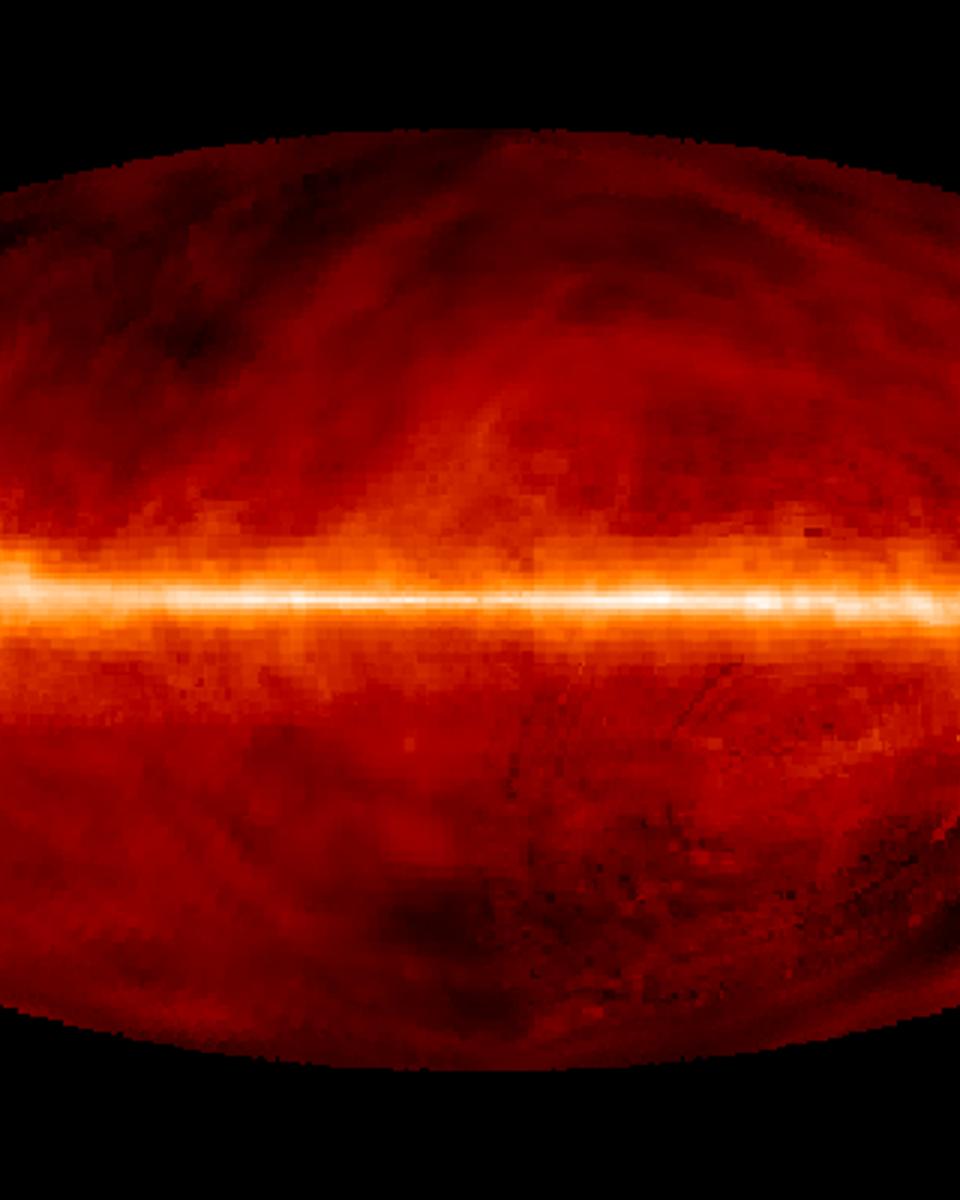
A Sky Full Of Hydrogen
Explanation : Interstellar space is filled with extremely tenuous clouds of gas which are mostly Hydrogen. The neutral hydrogen atom (HI in astronomer's shorthand) consists of 1…
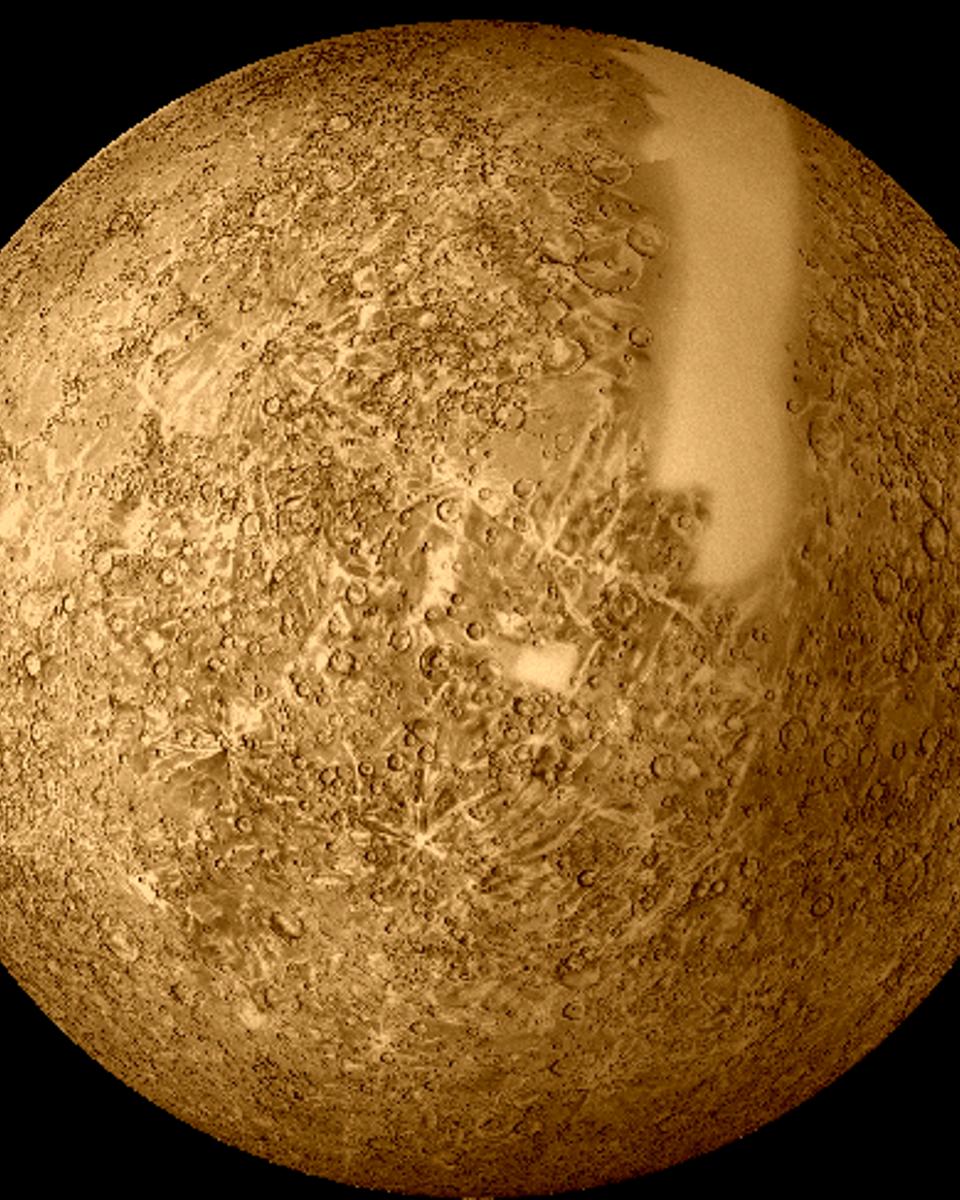
Mariner's Mercury
Mercury, the closest planet to the Sun, remains the most mysterious of the Solar System's inner planets. Hiding in the Sun's glare it is a difficult target for Earth bound…
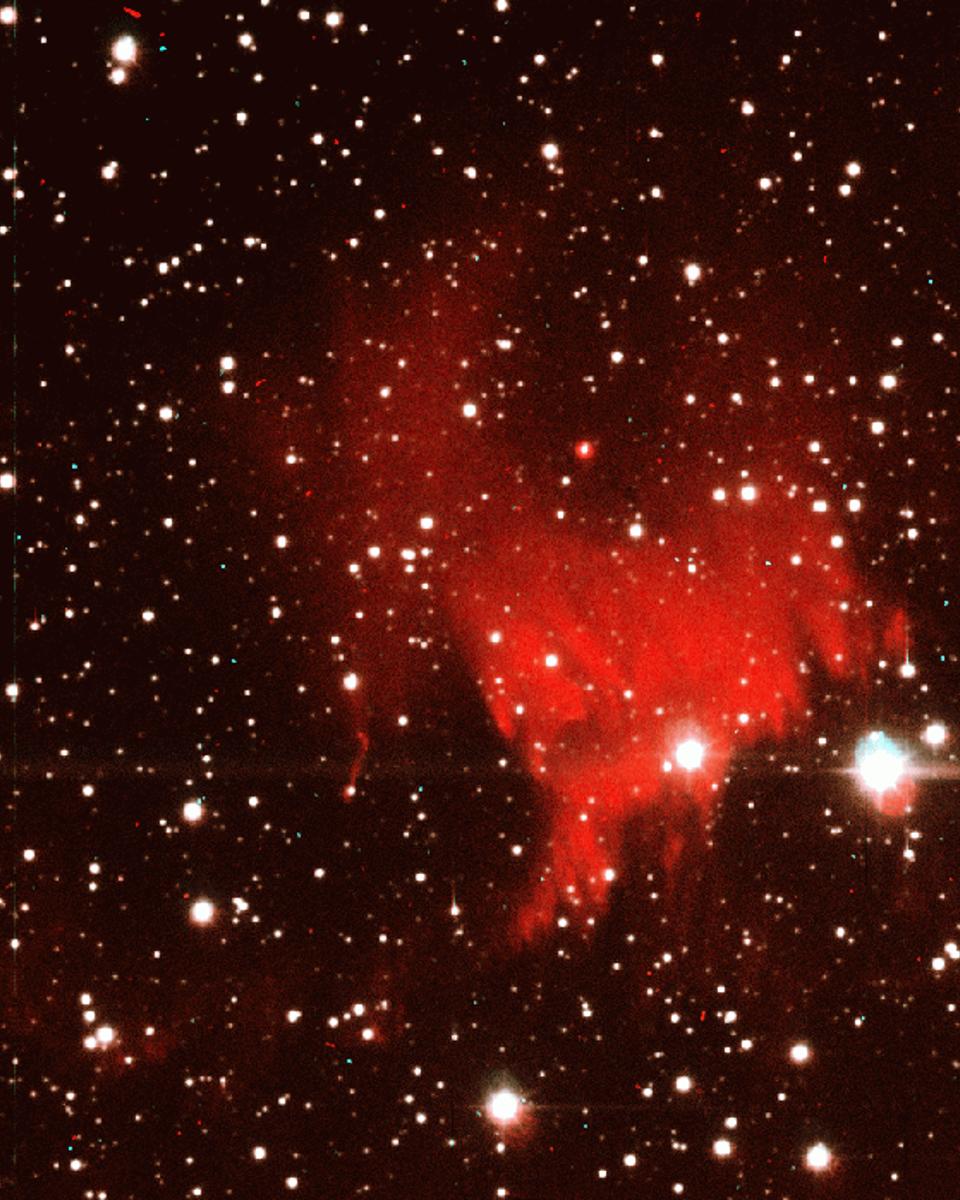
Nebula Nova Cygni Turns On
Explanation : Old photographs show no evidence of the above nebula. In 1992, a white dwarf star in Cygnus blew off its outer layers in a classical nova explosion : an event called…
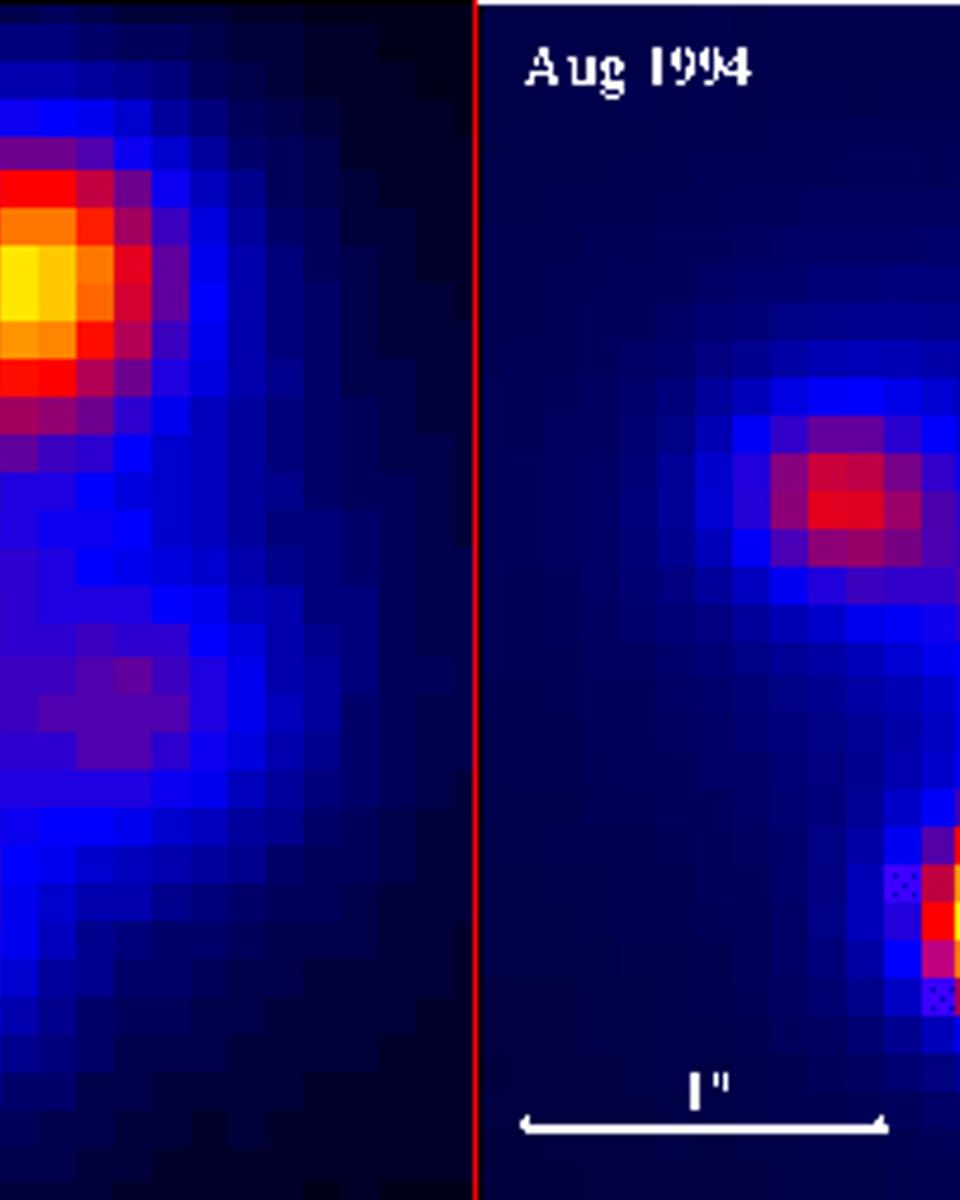
Microlensing of the Einstein Cross
Explanation : The famous “Einstein Cross” is a case where a single object is seen four times. Here a very distant QSO happened to be placed right behind a massive galaxy . The…
Viewing discoveries from 7 January 1997 through 15 December 1996.