Browse NASA Astronomy Picture of the Day archive by date and media: Archive Discoveries
Browse the NASA APOD archive without needing the exact date first. Filter by media type and keep moving deeper into older images and videos.
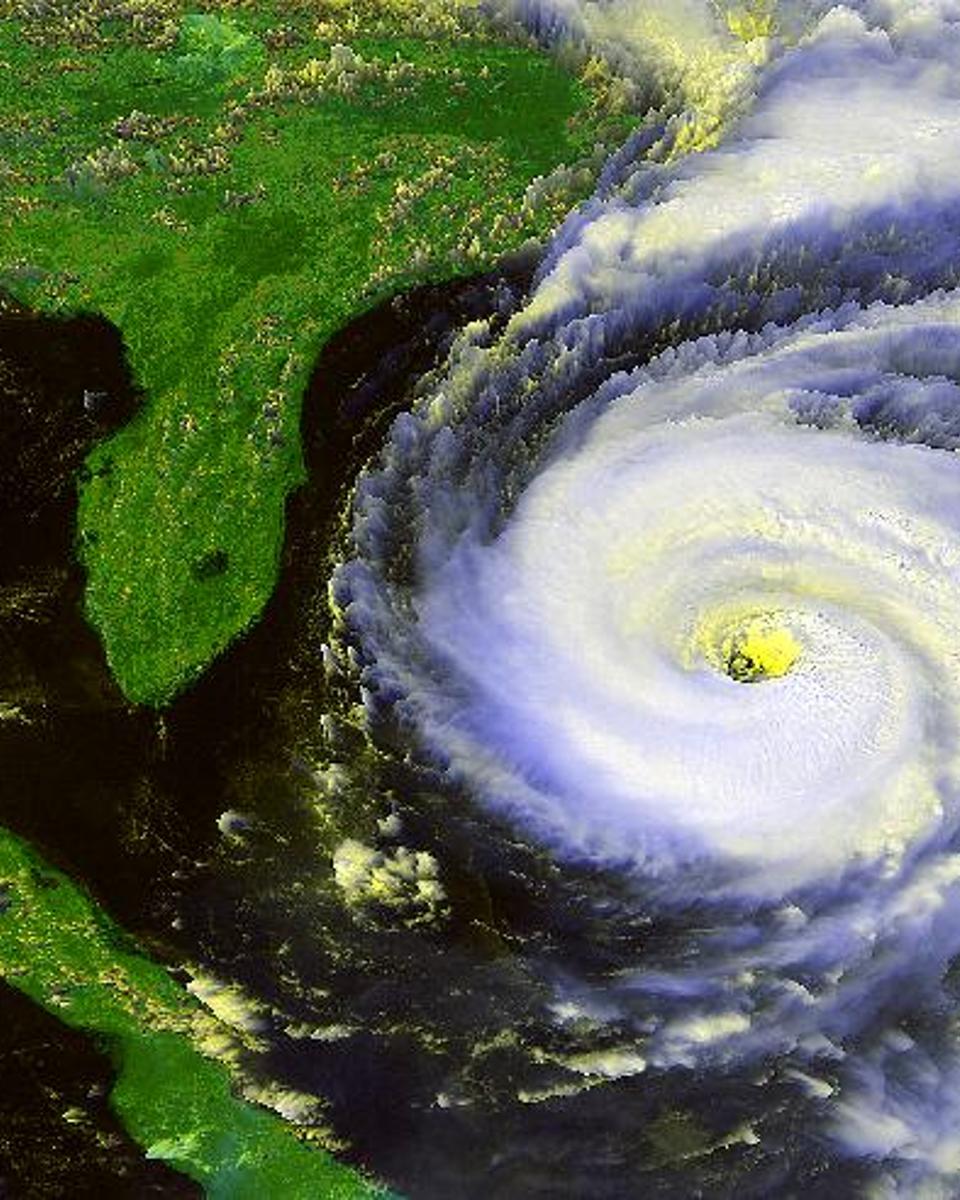
Hurricane Fran's Approach
Two weeks ago Hurricane Fran, pictured above , struck the east coast of the United States . Hurricanes are huge swirling storms with cloud systems typically larger than a state.…
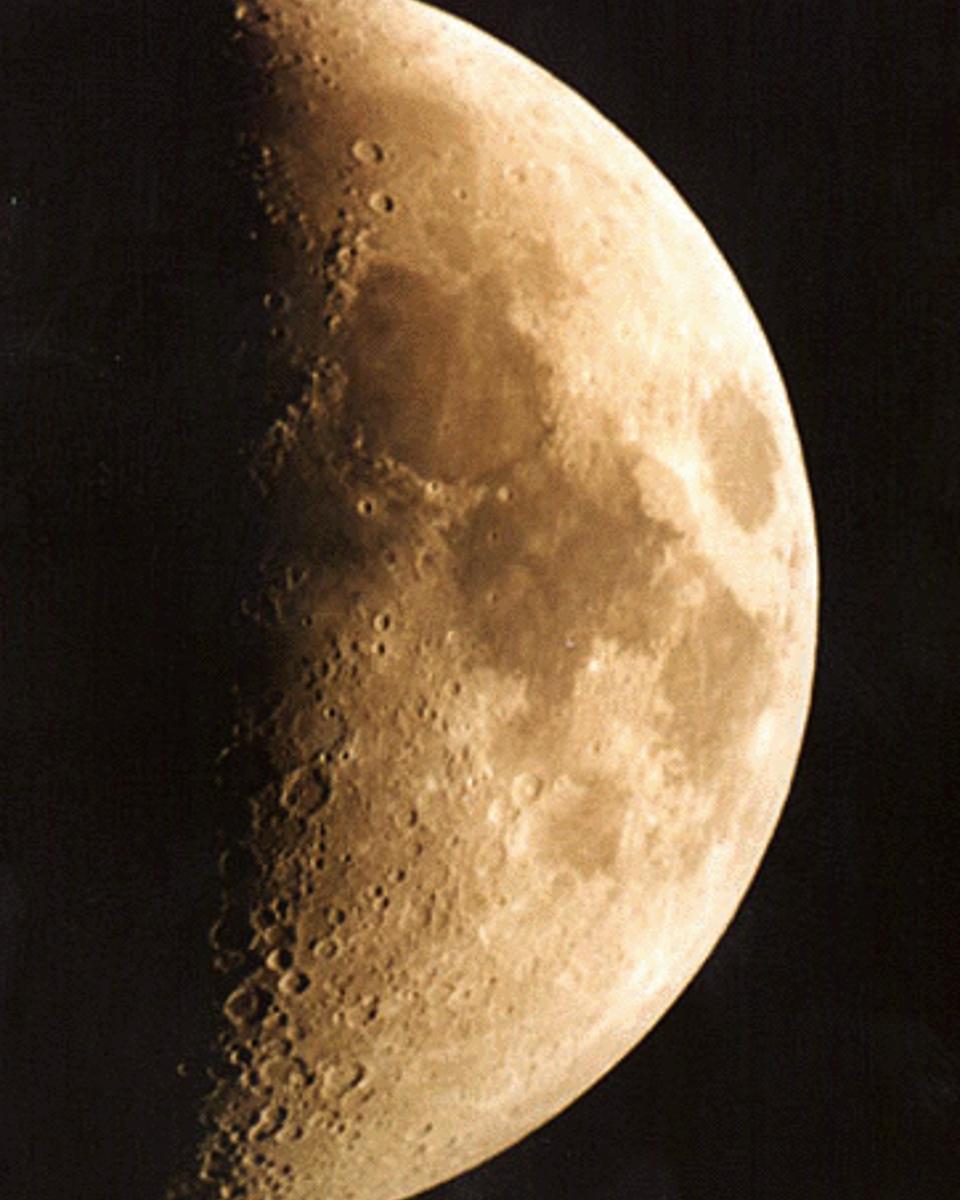
The Moon and All the Crashes
A clear blue summer sky finally grows dark and the new telescope, hastily set up in the backyard, generates excitment and anticipation. “I bought it for the kids ...”, Dad assures…
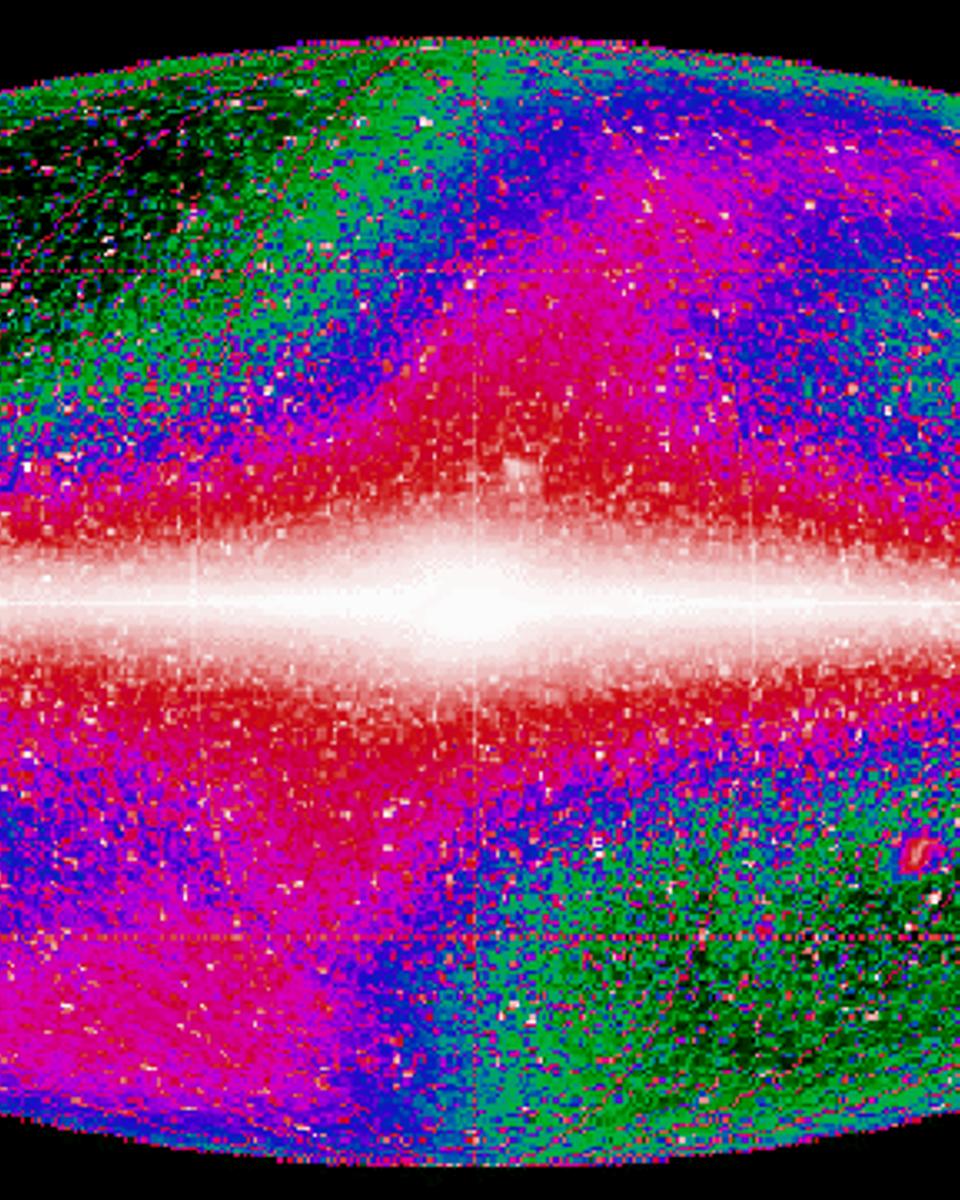
Stars in the Infrared Sky
What if you could see infrared light ? Because this light is less absorbed by dust than visible light, you could peer into the center of our Milky Way Galaxy. The stars there are…
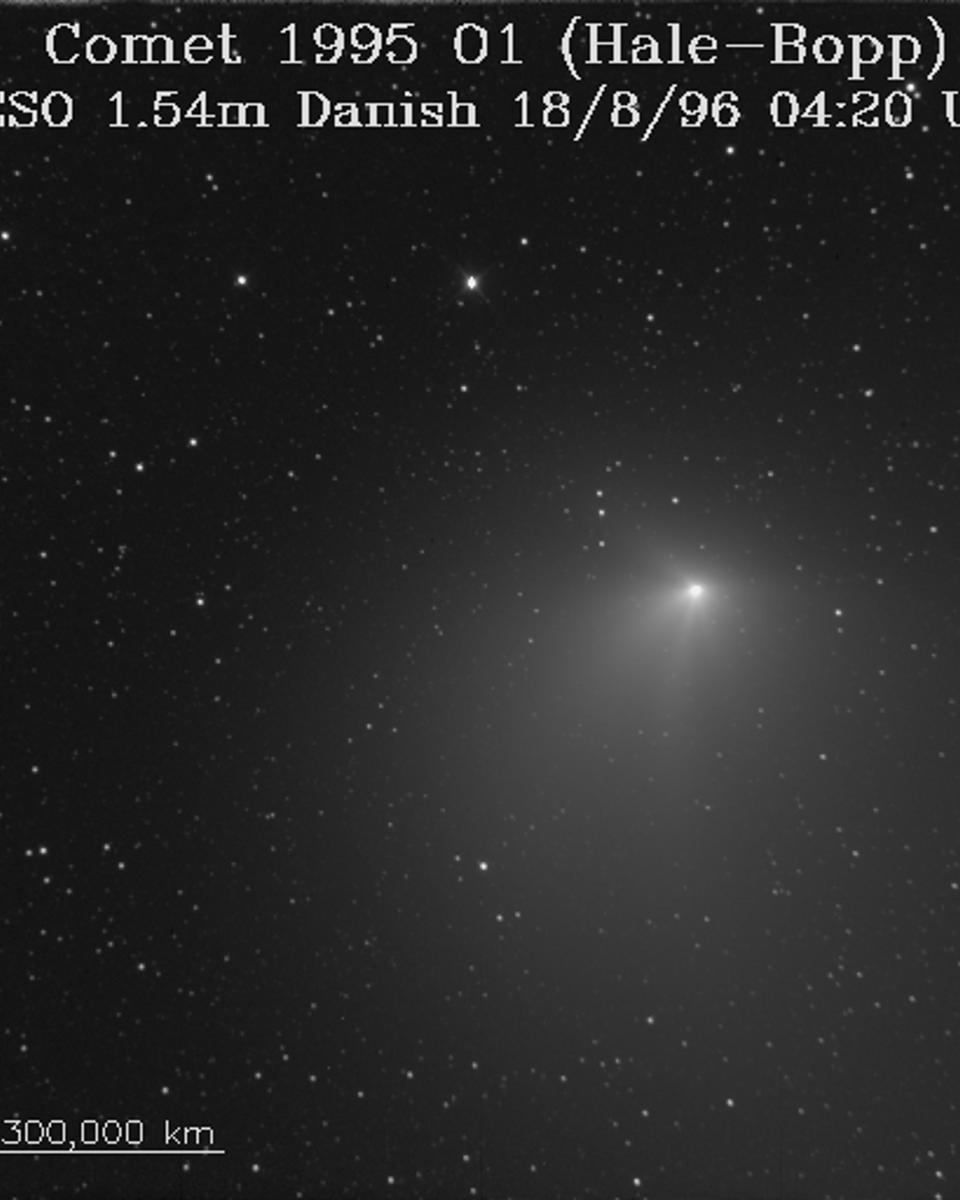
Comet Hale-Bopp Fades
Comet Hale-Bopp has faded in the past few weeks. For Hale-Bopp , promised as the Great Comet of 1997, this was a bit of a disappointment -- but not entirely unexpected. Comet…
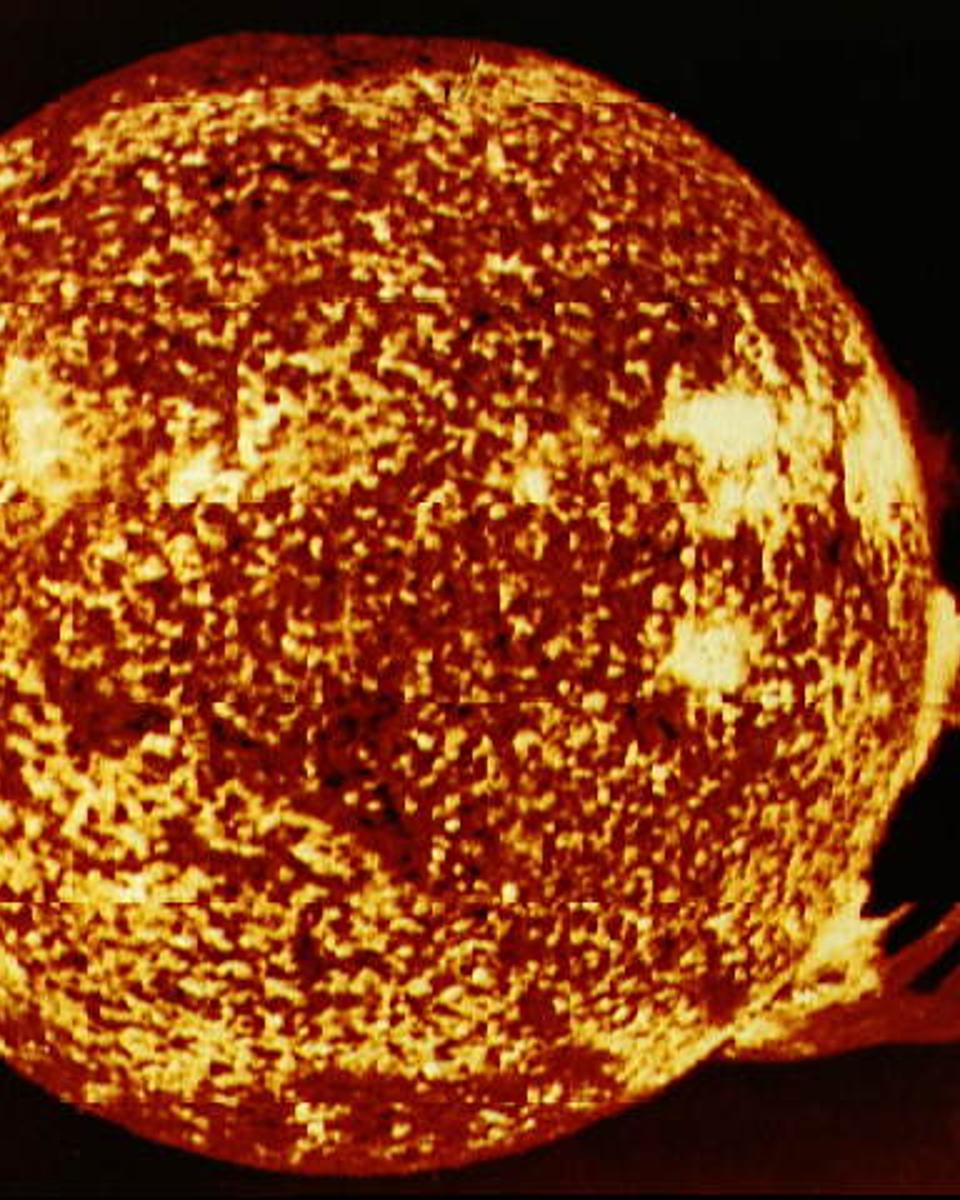
The Sun Erupts
The Sun is a seething ball of extremely hot gas. Above, the Sun was captured by Skylab in 1973 throwing off one the largest eruptive prominences in recorded history. The Sun has…

Tycho Brahe Measures the Sky
Tycho Brahe was the most meticulous astronomical observer of his time. Brahe, who lived between 1546 and 1601, set out to solve the day's most pressing astronomical problem: to…
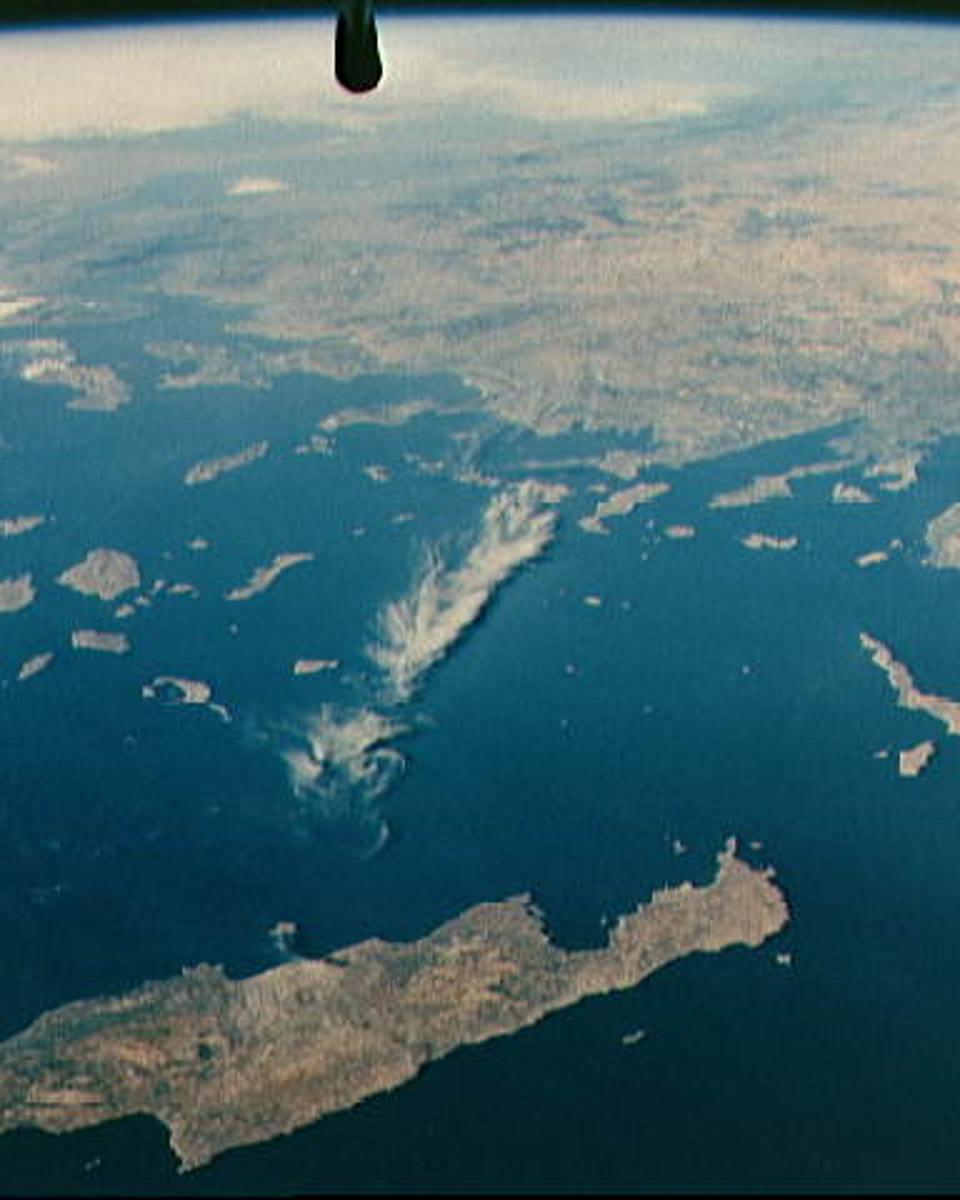
Aristarchus' Unbelievable Discoveries
Here lived one of the greatest thinkers in human history. Aristarchus lived on the Greek island of Samos, a small island in the center of the above picture that can be identified…
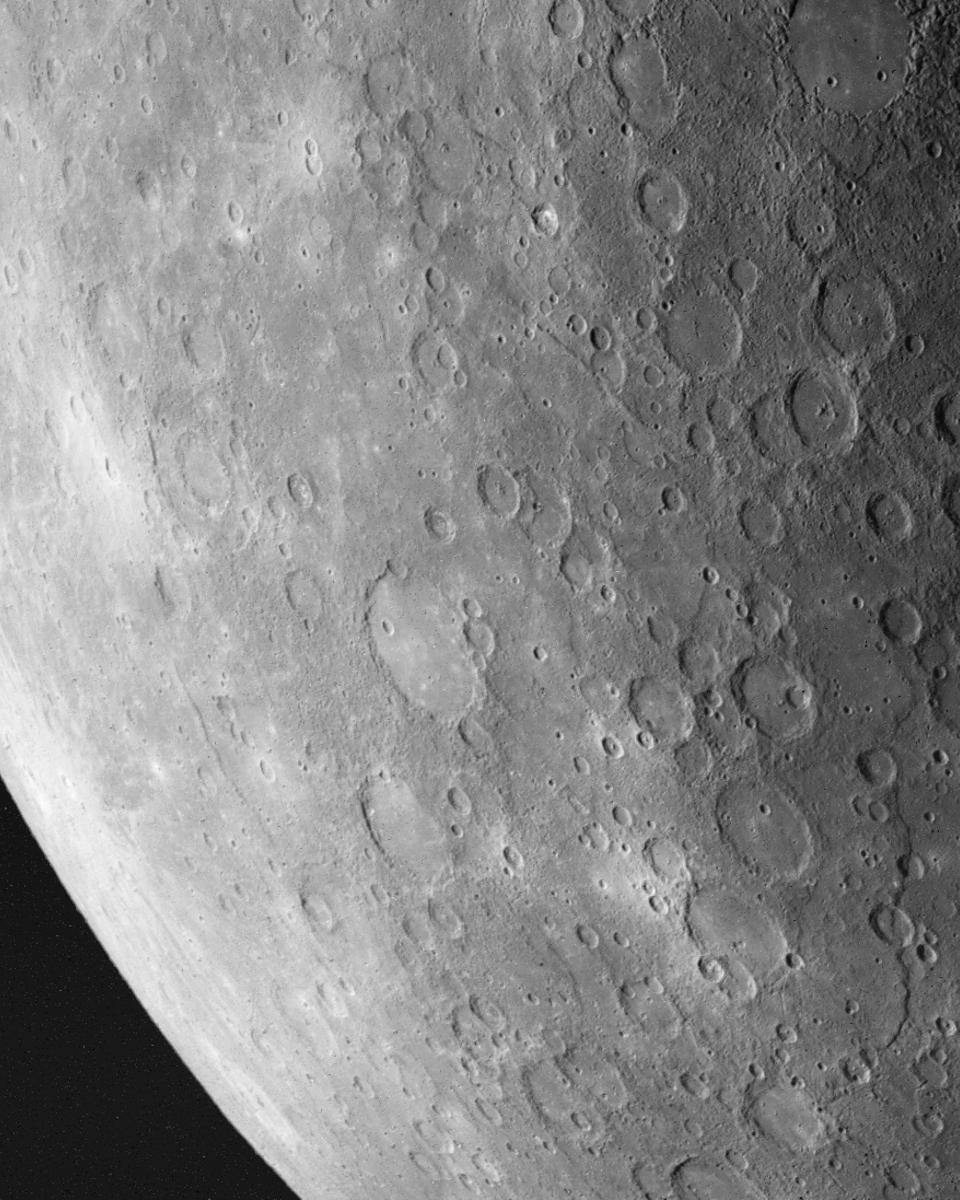
Southwest Mercury
The planet Mercury resembles a moon. Mercury 's old surface is heavily cratered like many moons. Mercury is larger than most moons but smaller than Jupiter 's moon Ganymede and…
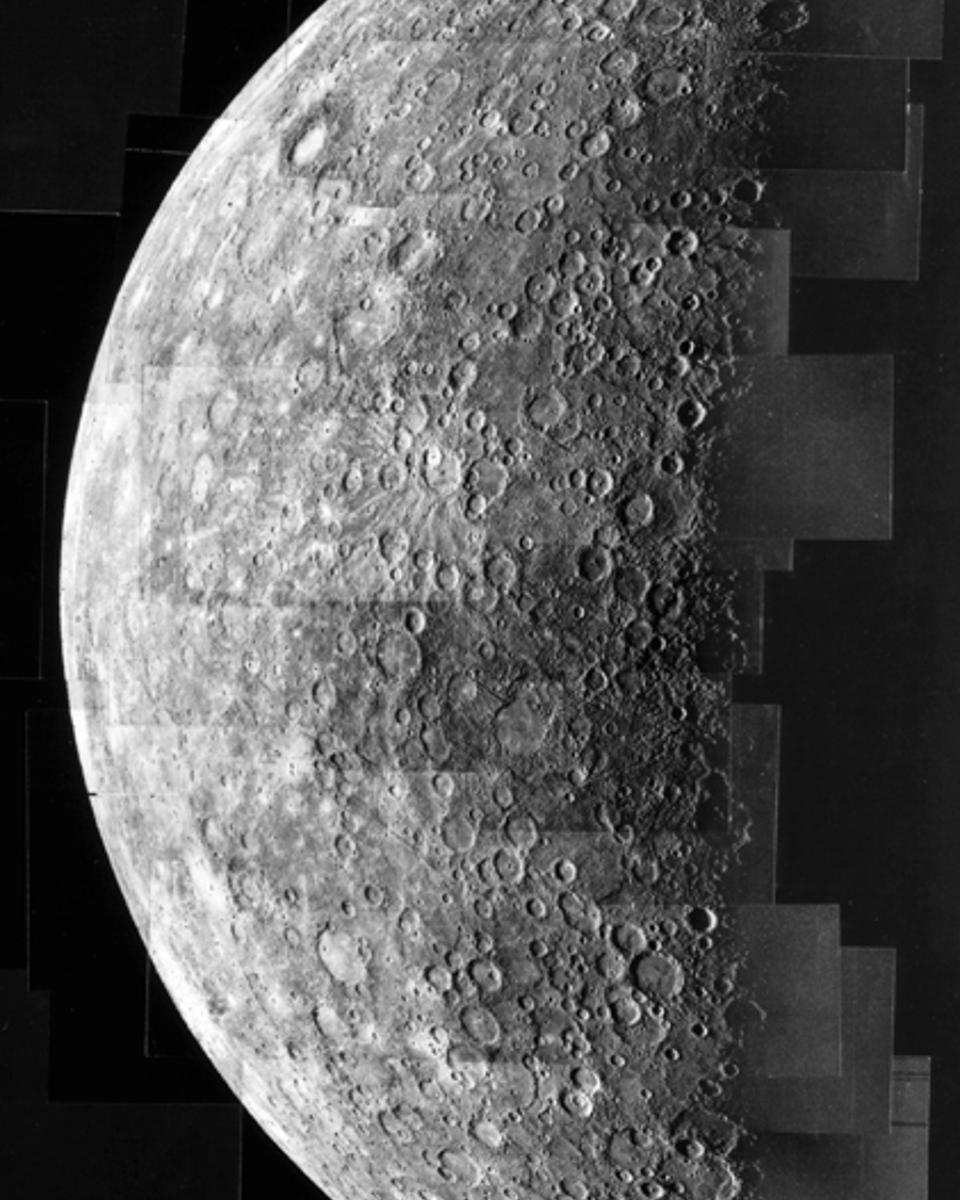
Mercury: A Cratered Inferno
Mercury's surface looks similar to our Moon's. Each is heavily cratered and made of rock. Mercury 's diameter is about 4800 km, while the Moon 's is slightly less at about 3500 km…
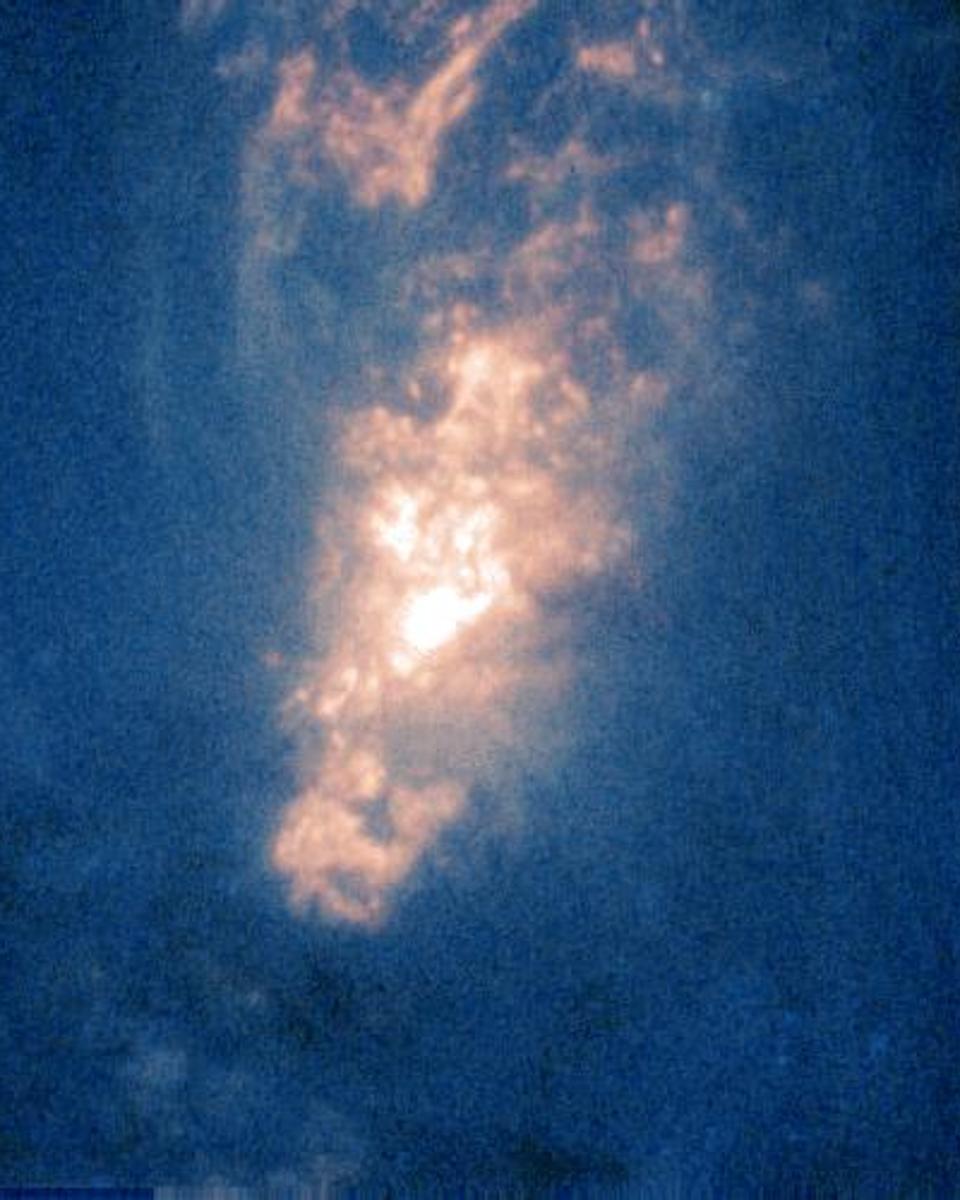
In the Center of Spiral M77
What is happening in the center of nearby spiral galaxy M77? To find out, astronomers used the Hubble Space Telescope to peer deep into the dusty chaos of this active galactic…
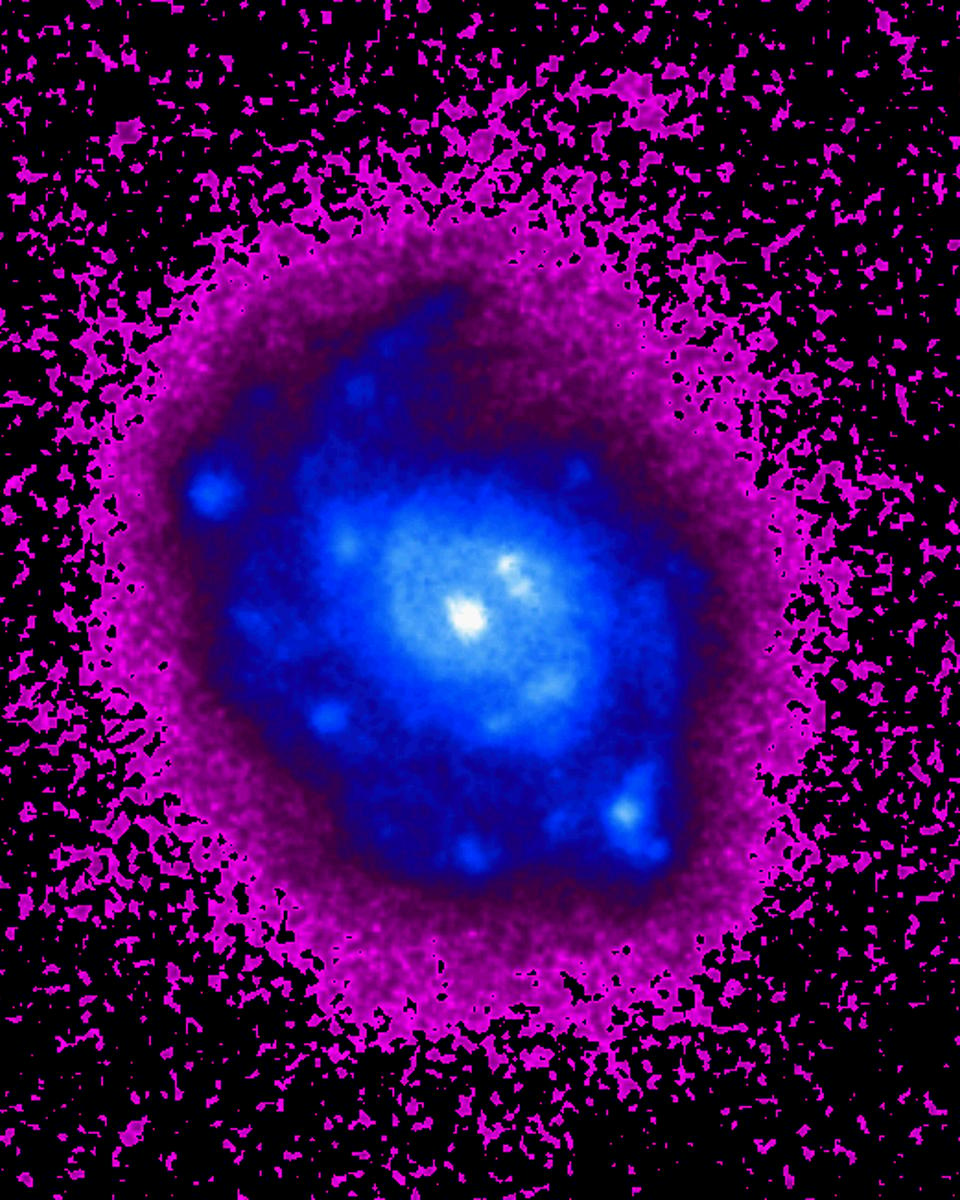
M77: Spiral with a Strange Glow
Why is M77 surrounded by an ultraviolet glow? M77 , also called NGC 1068, appears at first sight to be a relatively normal barred spiral galaxy . But when photographed in the…
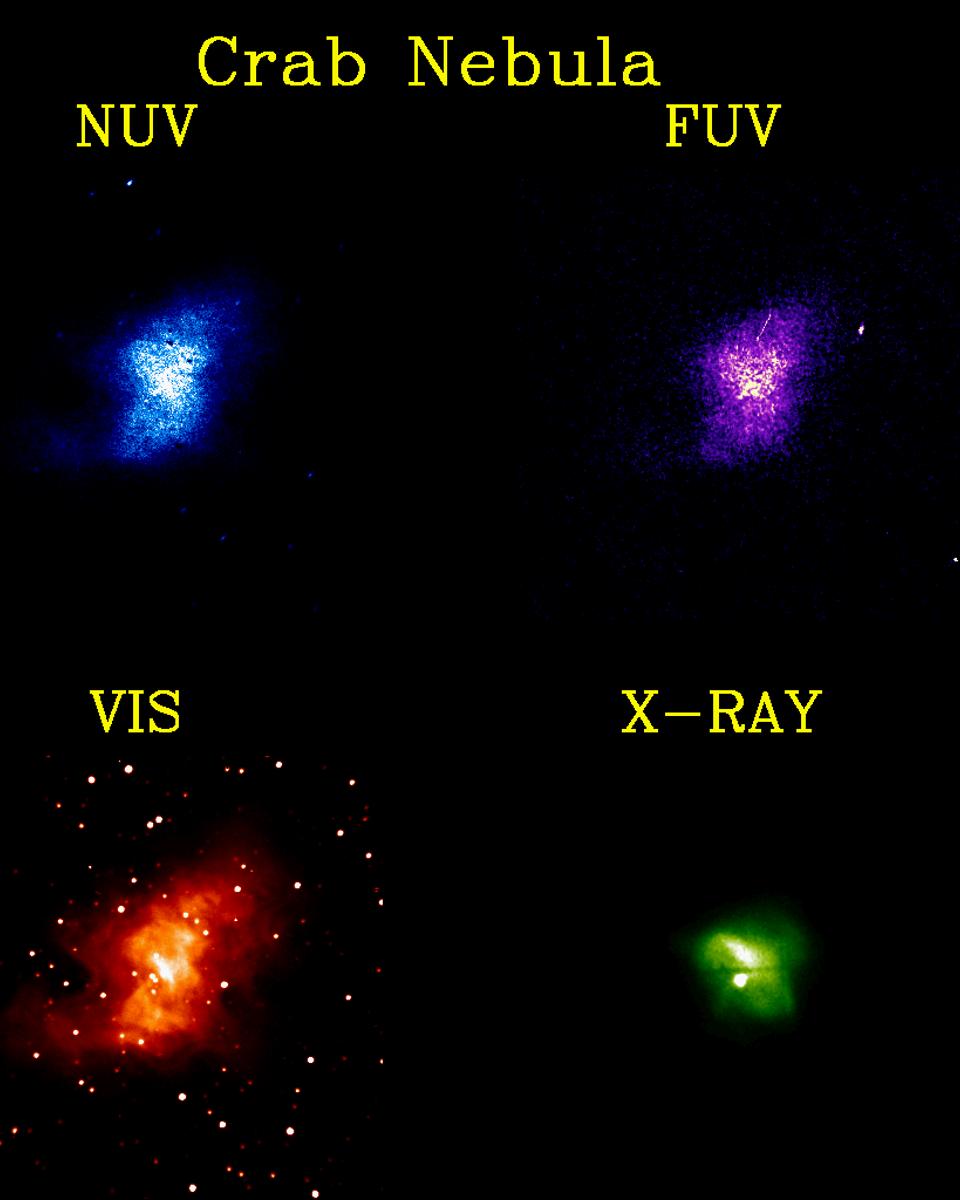
The High Energy Crab Nebula
This is the mess that is left when a star explodes. The Crab Nebula is so energetic that it glows in every kind of light known. Shown above are images of the Crab Nebula from…
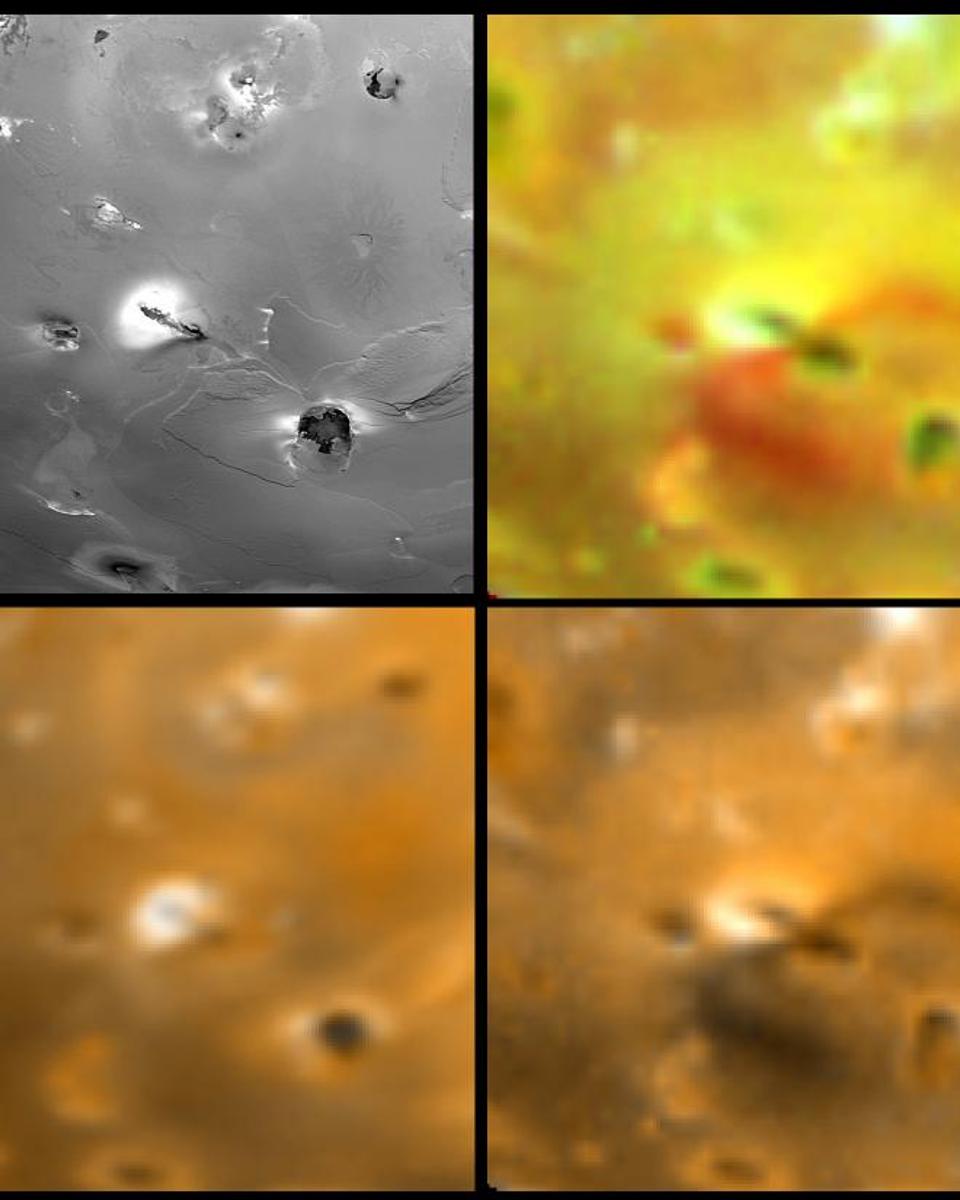
Volcano Euboea Fluctus On Io
Jupiter 's moon Io is turning out to be our Solar System 's geologic powerhouse. The churning moon was photographed again just recently on June 27th and again shows signs of…
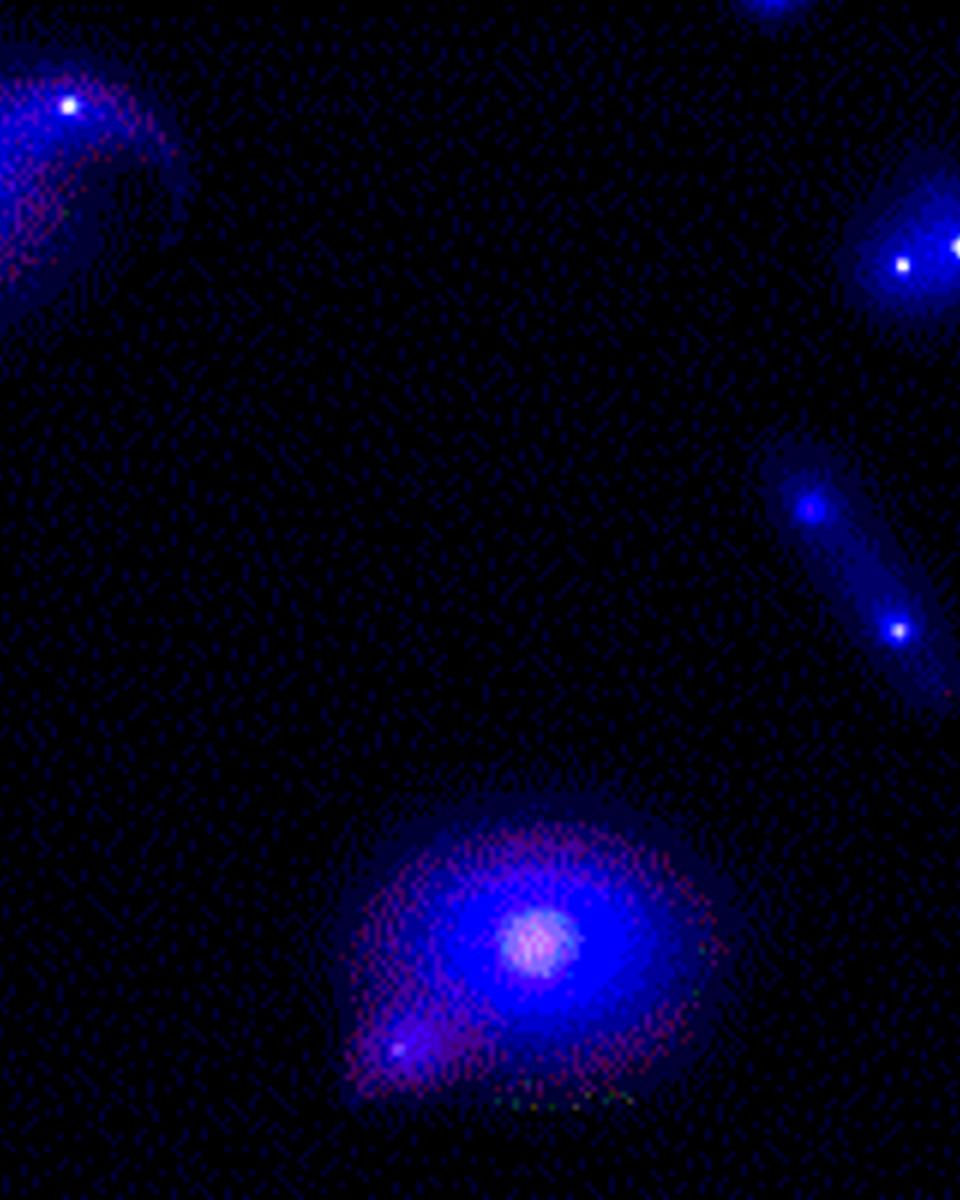
Two Billion Years After the Big Bang
What did the universe look like two billion years after the Big Bang ? According to this computer model , the universe was filled with irregular looking objects like the ones…
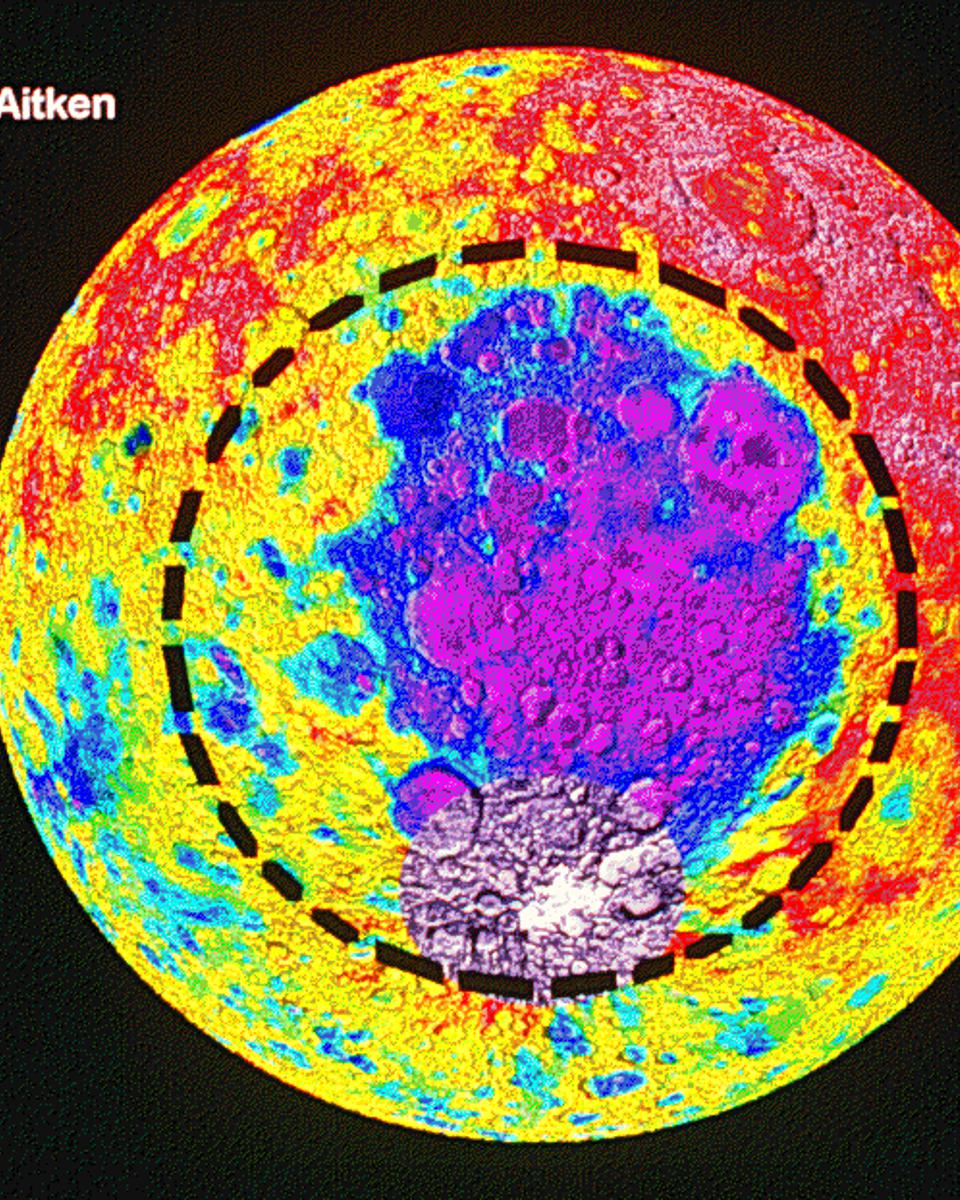
The Largest Impact Crater
What is the largest known impact crater in the Solar System? Over 1300 miles across, the South Pole -Aitken Basin on the farside of Earth's Moon holds that distinction. Circled…
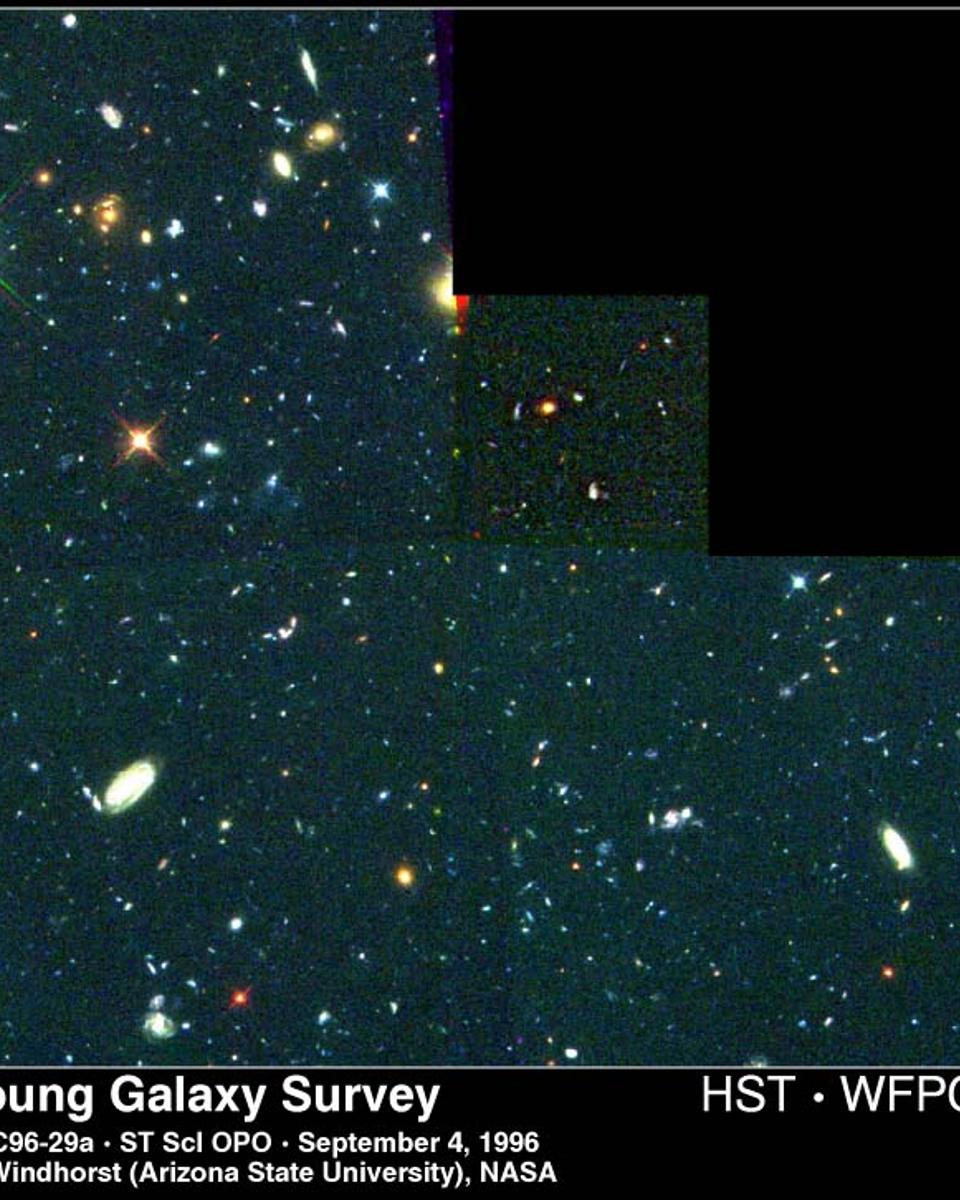
Watch Galaxies Form
Snips and snails and puppy dog tails, is that what galaxies were made of? In a report released yesterday and soon to be published in Nature , astronomers have imaged an…
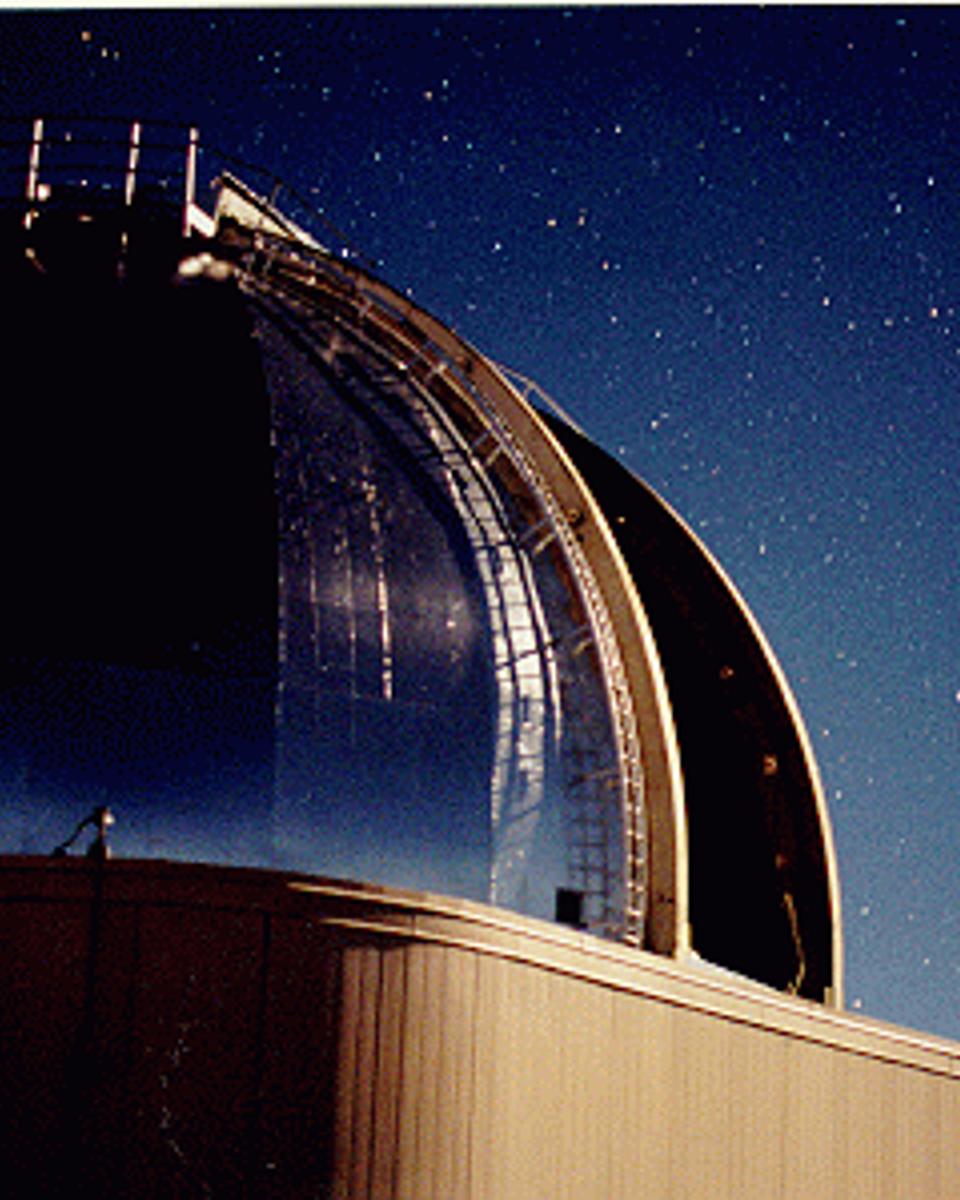
IRTF: Scanning the Infrared Skies
Above, NASA's Infrared Telescope Facility (IRTF) poses in front of a starry background. Located on top of Hawaii 's towering volcano Mauna Kea , the IRTF is the premier telescope…
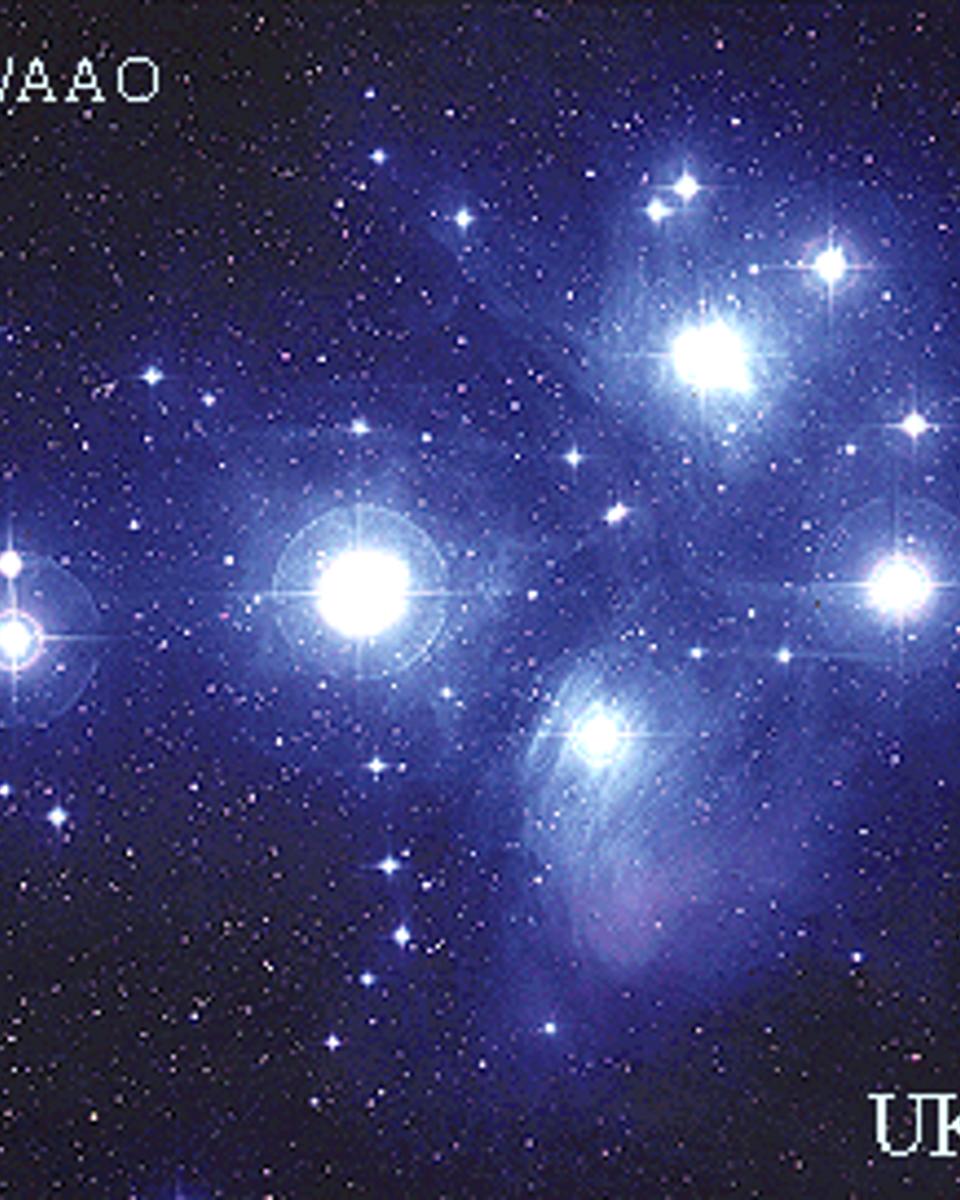
The Pleiades Star Cluster
It is the most famous star cluster on the sky. The Pleiades can be seen without binoculars from even the depths of a light-polluted city . Also known as the Seven Sisters and M45…
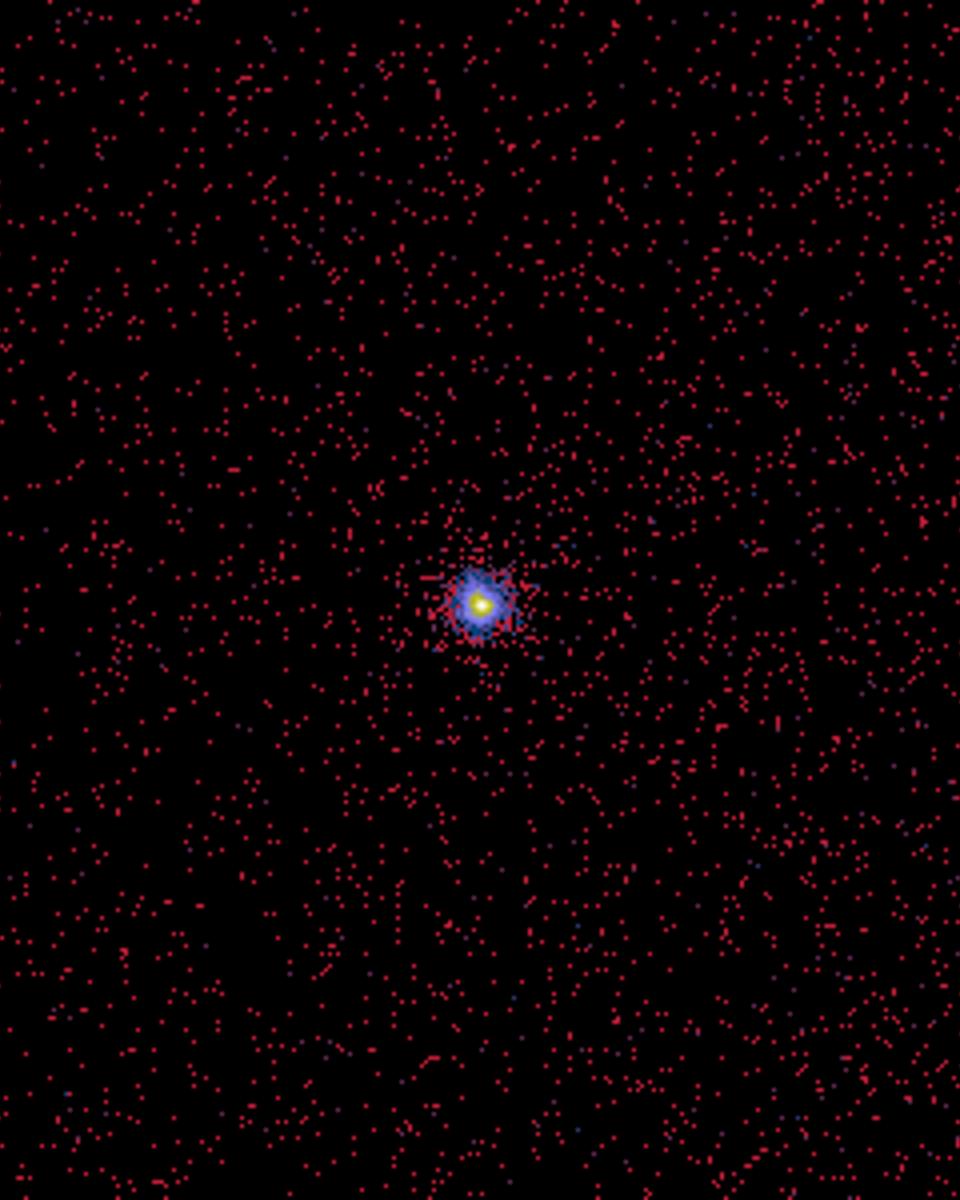
Sirius: The Brightest Star in the Night
Sirius is the brightest star in the night sky. Intrinsically, Sirius is over 20 times brighter than our Sun and over twice as massive. As Sirius is 8.7 light years distant, it is…
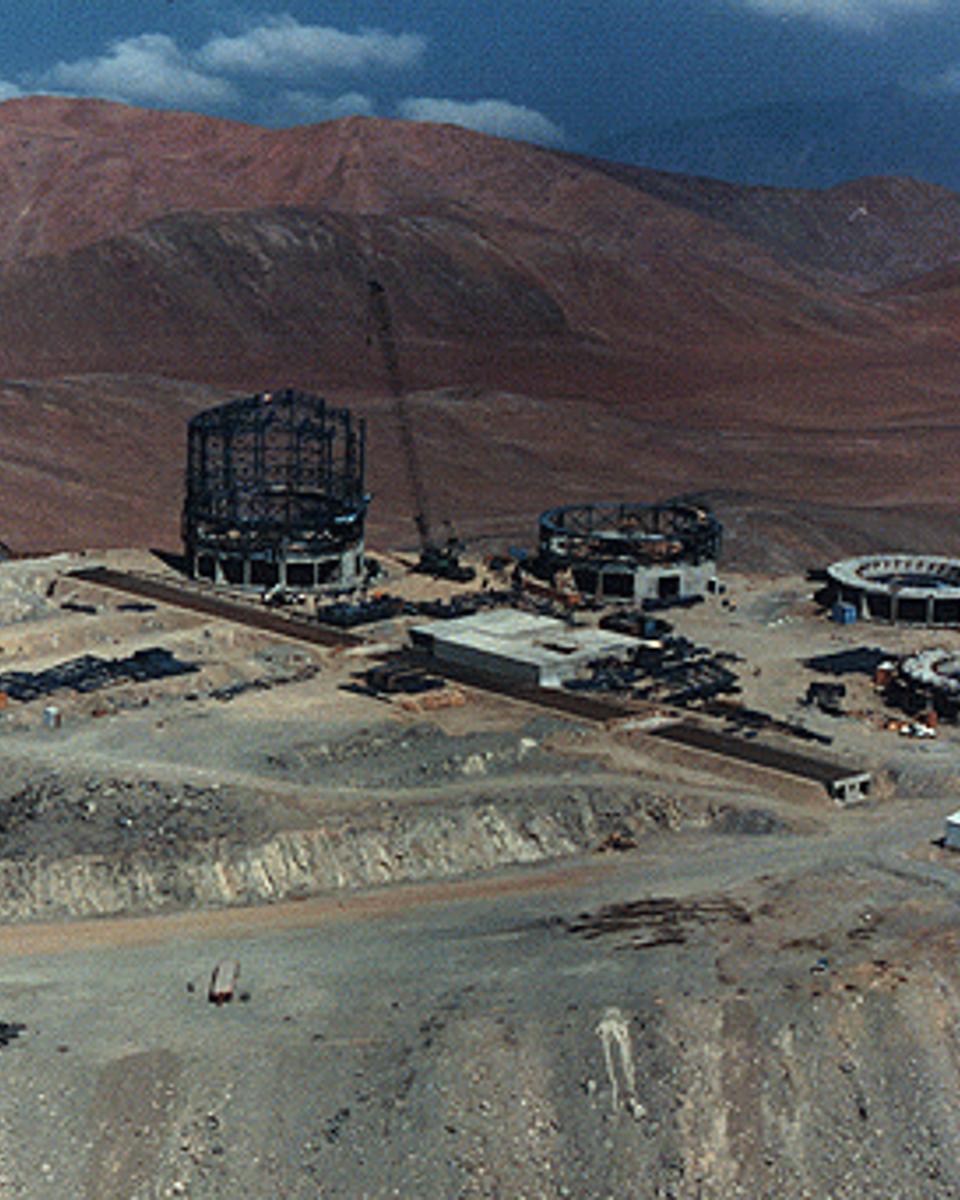
VLT: A New Largest Optical Telescope
What is the largest telescope in the world? In the optical, this title was long held by the Hale 200-inch , and is presently held by the Keck telescopes in Hawaii. But an even…

Kepler Discovers How Planets Move
Johannes Kepler used simple mathematics to describe how planets move. Kepler was an assistant to the most accurate astronomical observer of the time, Tycho Brahe . Kepler was able…
Galileo Demonstrates the Telescope
Galileo Galilei made a good discovery great. Upon hearing at age 40 that a Dutch optician had invented a glass that made distant objects appear larger, Galileo crafted his own…
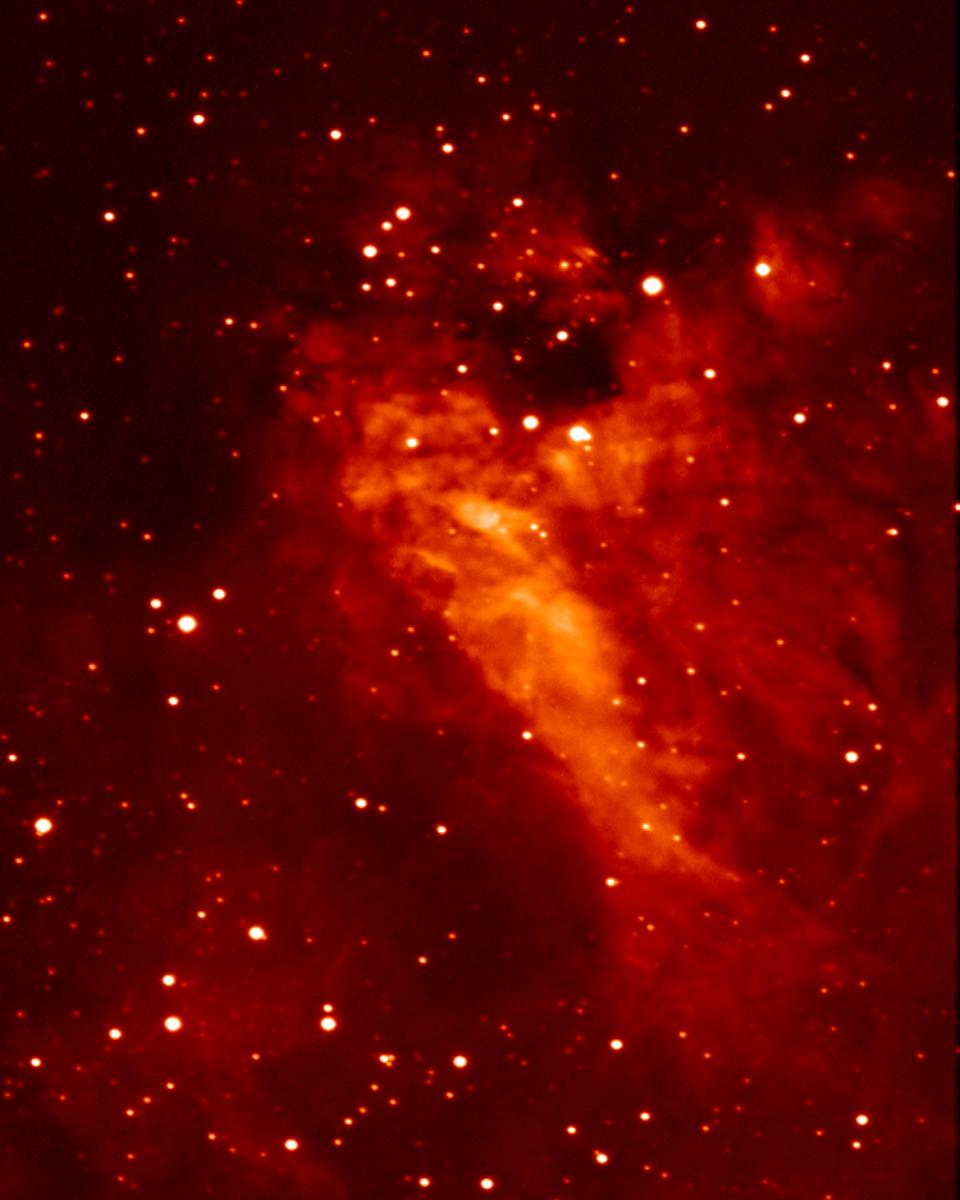
M17: The Majestic Swan Nebula
What unusual eggs have been laid by this majestic swan ? The star forming region above, known as Swan Nebula , is the home of hot red-glowing gas , dark lanes of dust , bright…
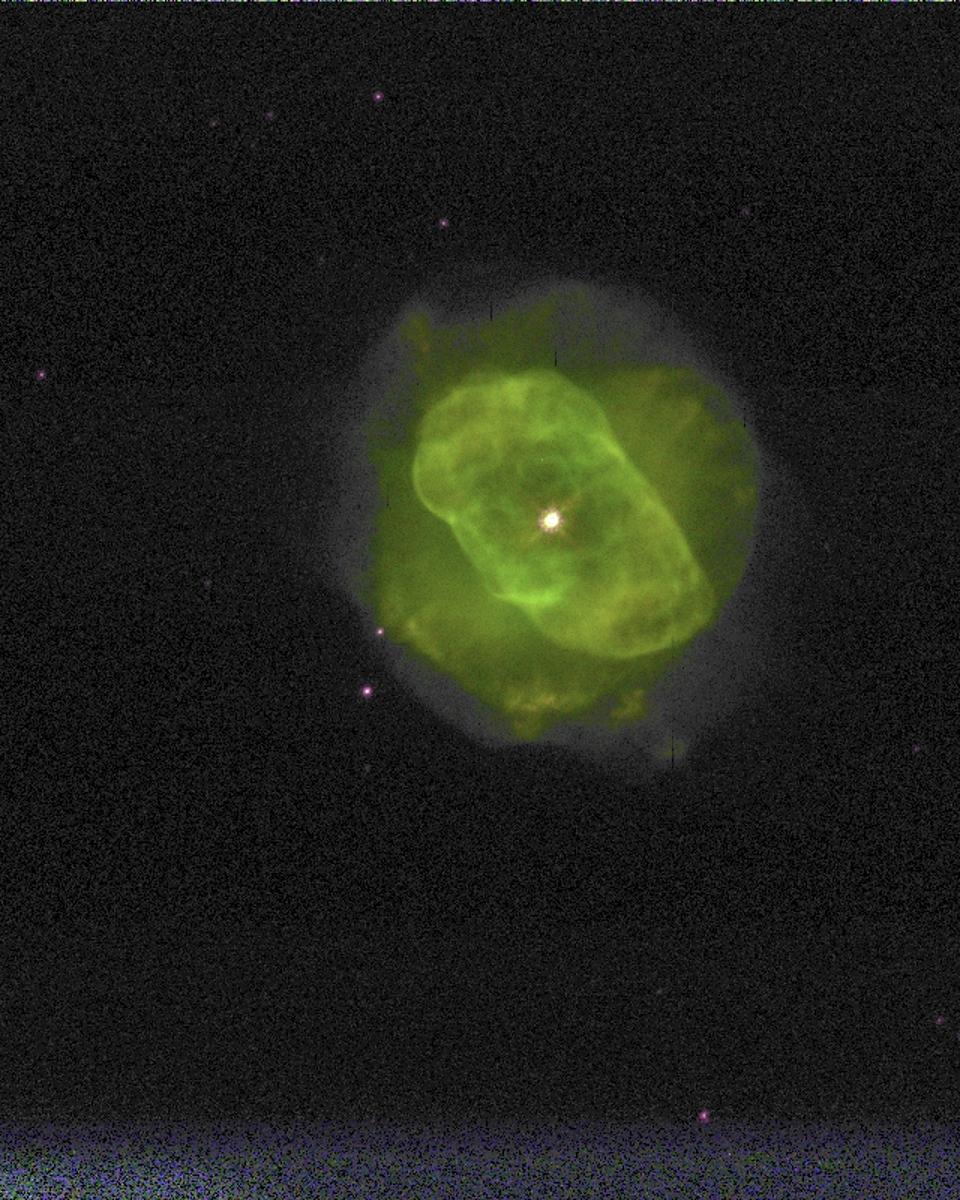
NGC 5882: A Small Planetary Nebula
Will most stars one day look like this? Pictured above is the planetary nebula NGC 5882, captured by the Hubble Space Telescope . Although planetary nebulae can appear similar to…
Viewing discoveries from 20 September 1996 through 28 August 1996.