Browse NASA Astronomy Picture of the Day archive by date and media: Archive Discoveries
Browse the NASA APOD archive without needing the exact date first. Filter by media type and keep moving deeper into older images and videos.
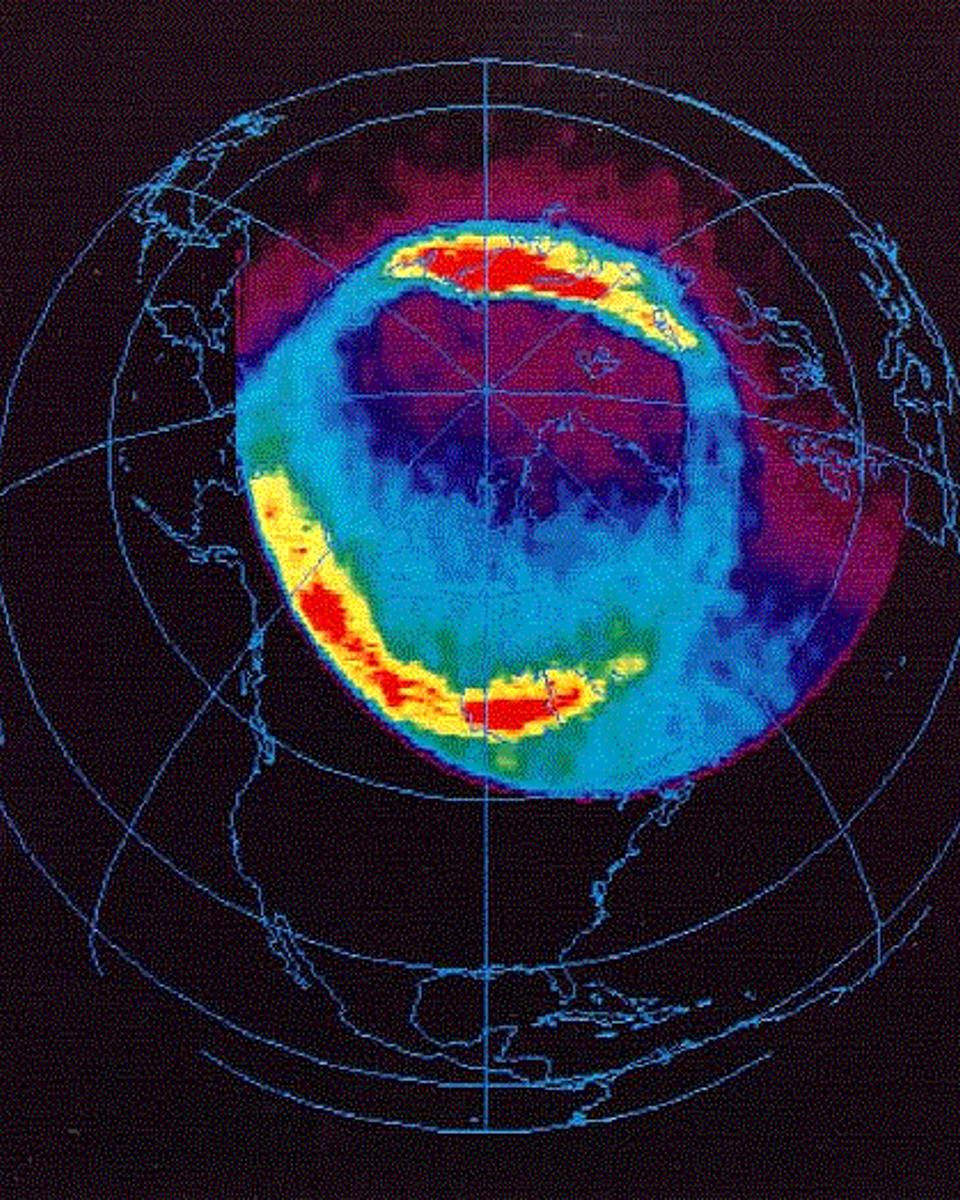
Aurora Crown the Earth
What do aurora look like from space? The POLAR spacecraft answered this by photographing an auroral oval surrounding the north pole of the Earth, causing displays on both the…
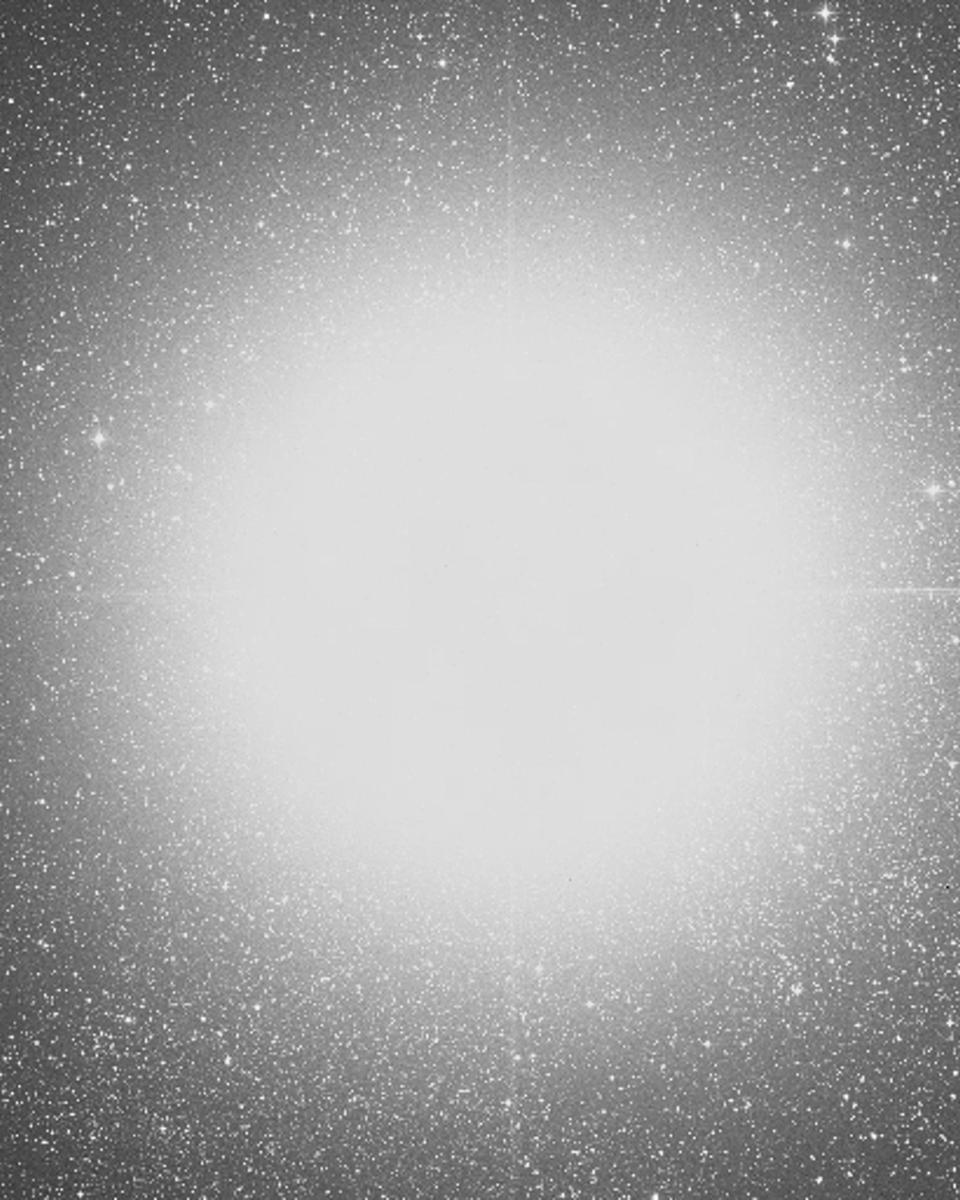
Alpha Centauri: The Closest Star System
The closest star system to the Sun is the Alpha Centauri system . Of the three stars in the system, the dimmest -- called Proxima Centauri -- is actually the nearest star . The…
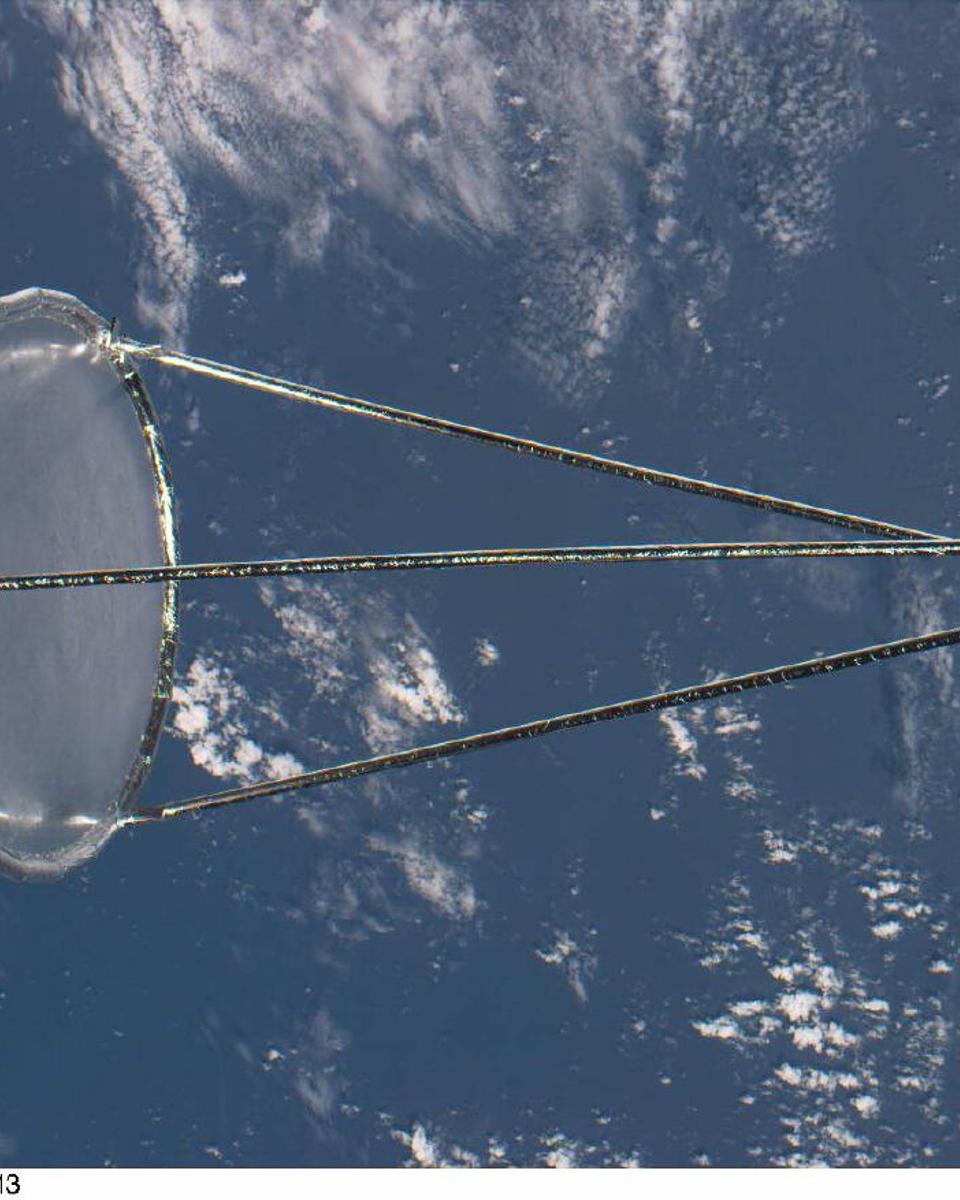
The Shuttle Launches an Inflatable Antenna
High above the Earth the Space Shuttle Endeavor launches a new type of instrument - an inflatable antenna. The officially designated Inflatable Antenna Experiment was released…
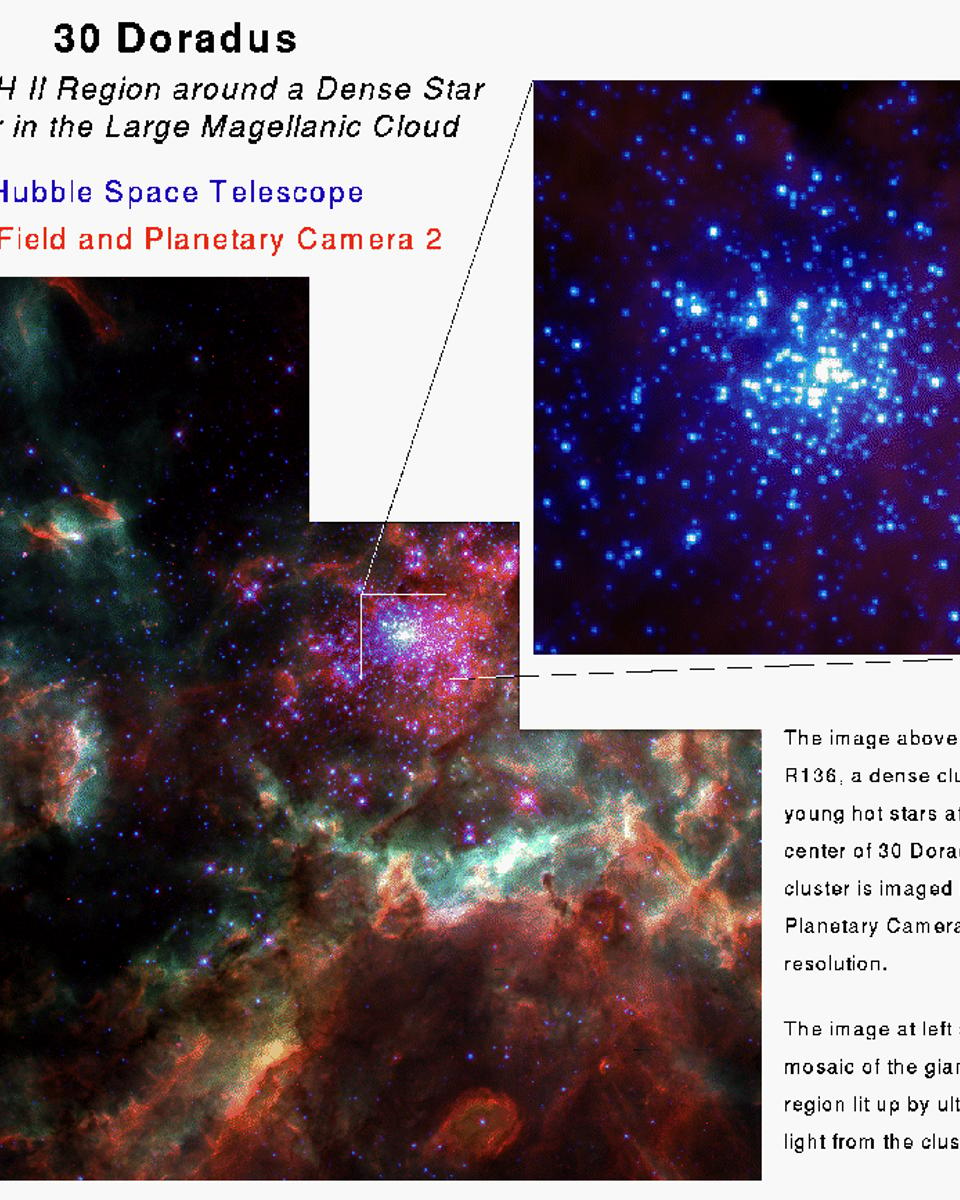
In the Center of 30 Doradus
In the center of 30 Doradus lies a huge cluster of the largest, hottest, most massive stars known. The center of this cluster, known as R136 , is boxed in the upper right portion…
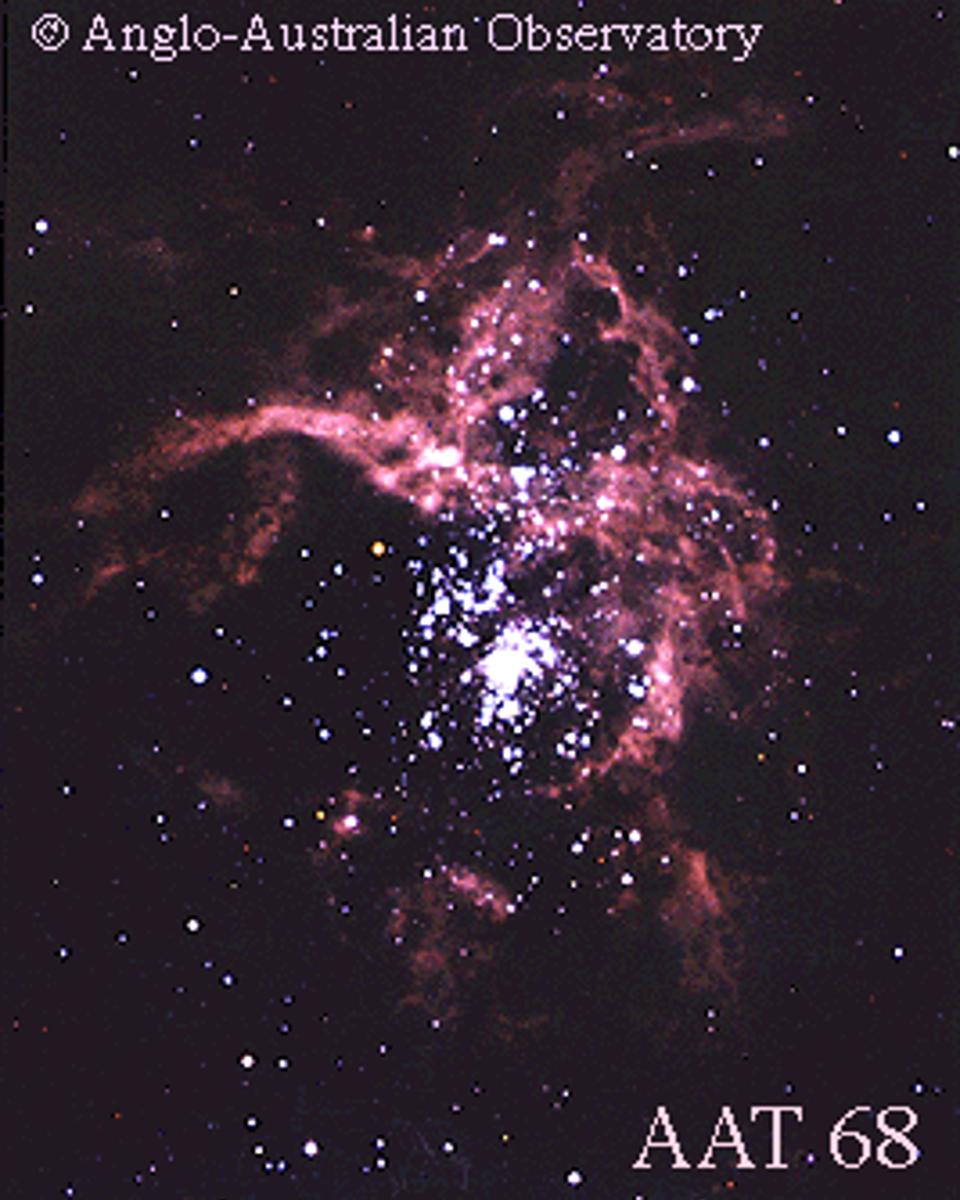
Stellar Violence in 30 Doradus
The largest, most violent star forming region known in the whole Local Group of galaxies lies in our neighboring galaxy the LMC . Were 30 Doradus at the distance of the Orion…
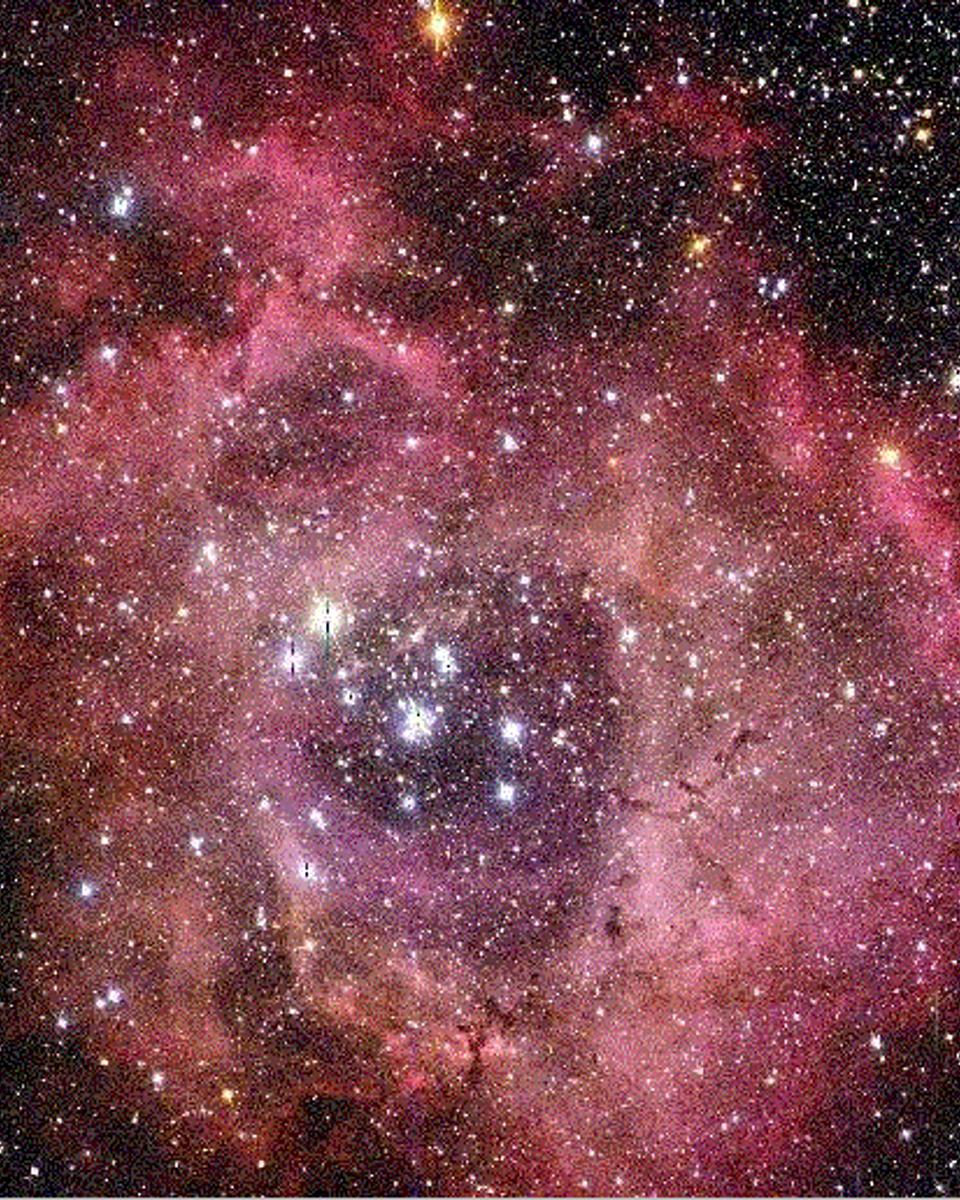
Star Cluster in the Rosette Nebula
Embedded in the center of the colorful and photogenic Rosette Nebula is a bright, young open cluster . The bright blue stars in this cluster, labelled NGC 2244, emit ultraviolet…
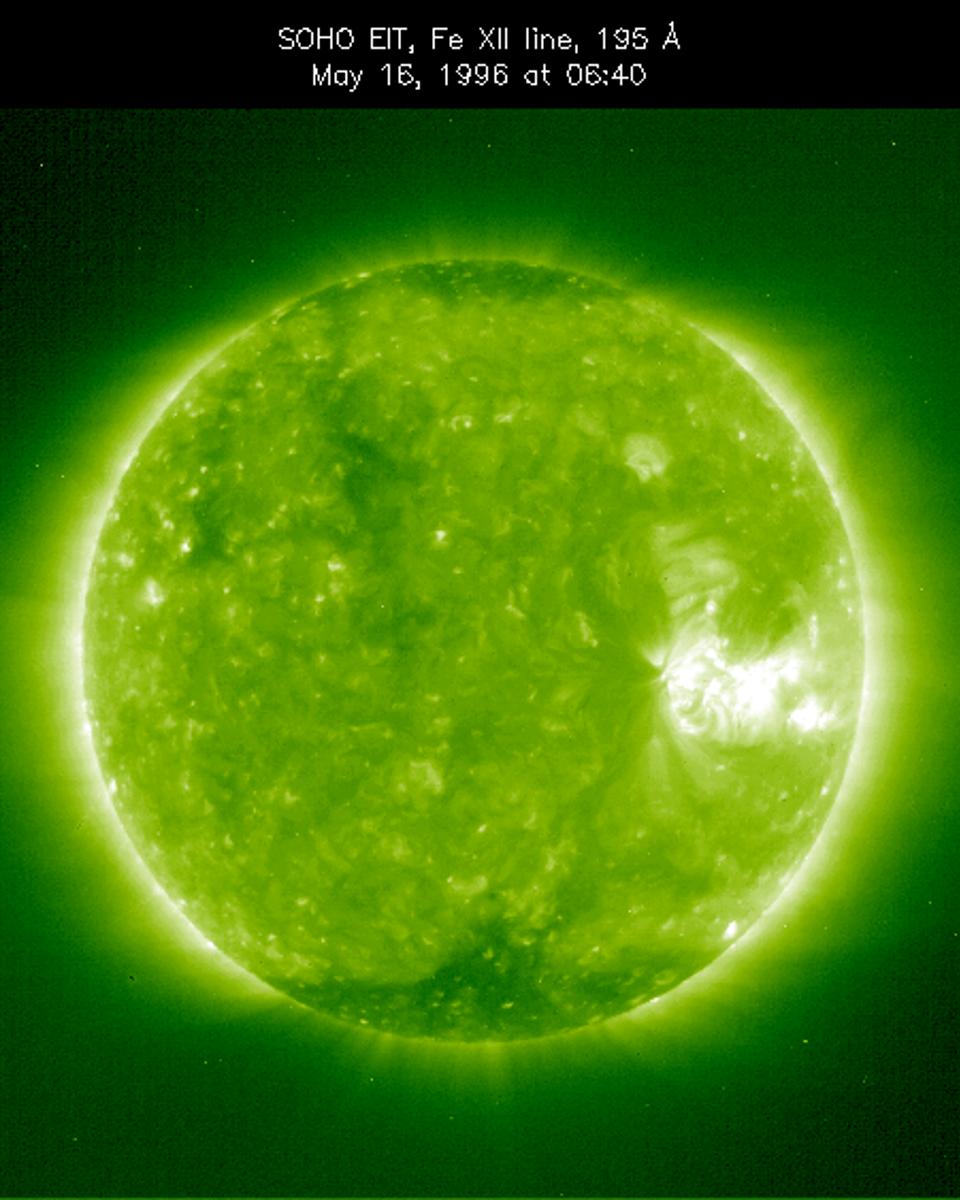
The Iron Sun
The ultraviolet light emitted by eleven times ionized iron at temperatures over 2 million degrees Farenheit was used to record the above picture of the Sun on May 16 . The image…
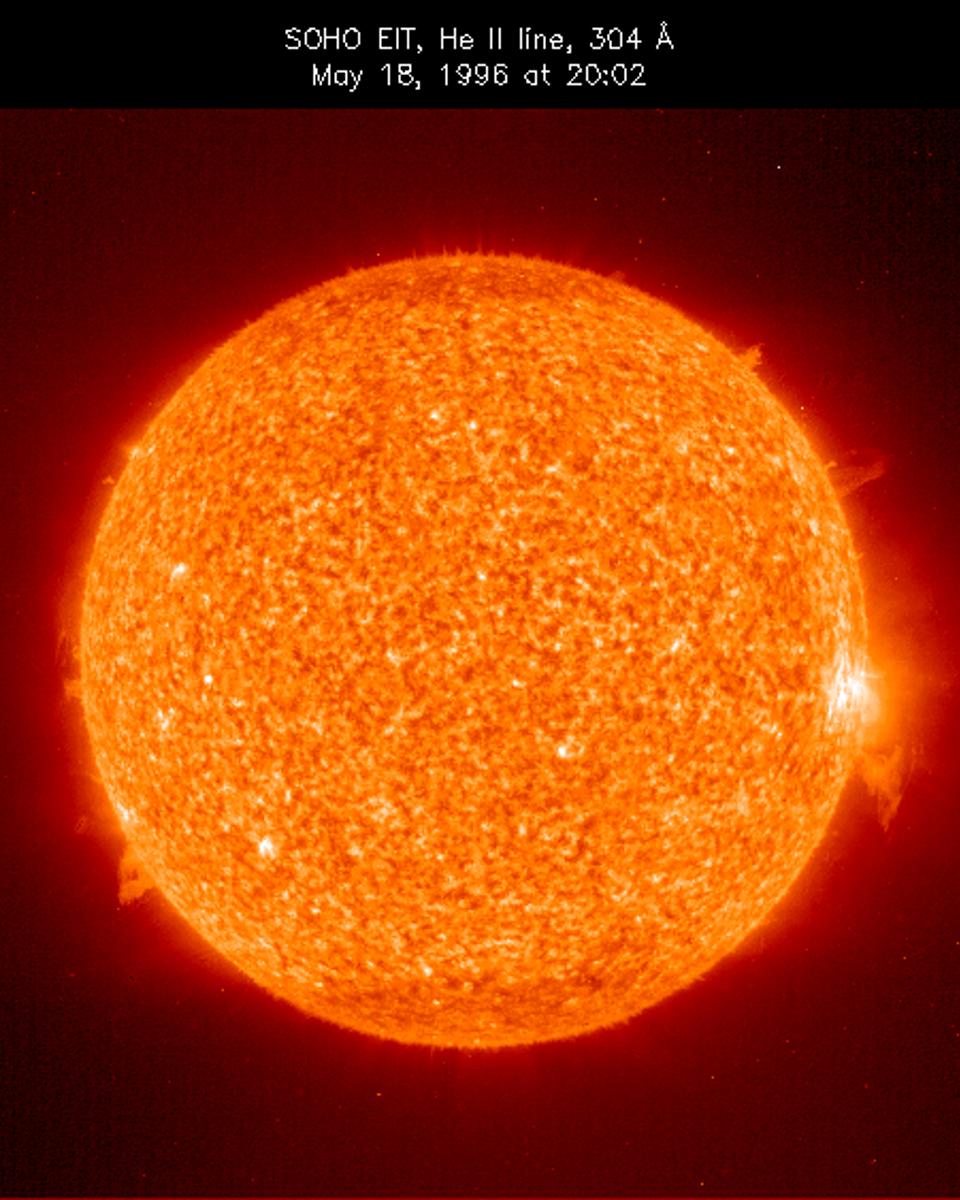
Helios Helium
Above is an image of the relatively quiet Sun made on May 18 in light emitted by ionized Helium atoms in the Solar chromosphere . Helium was first discovered in the Sun in 1868,…
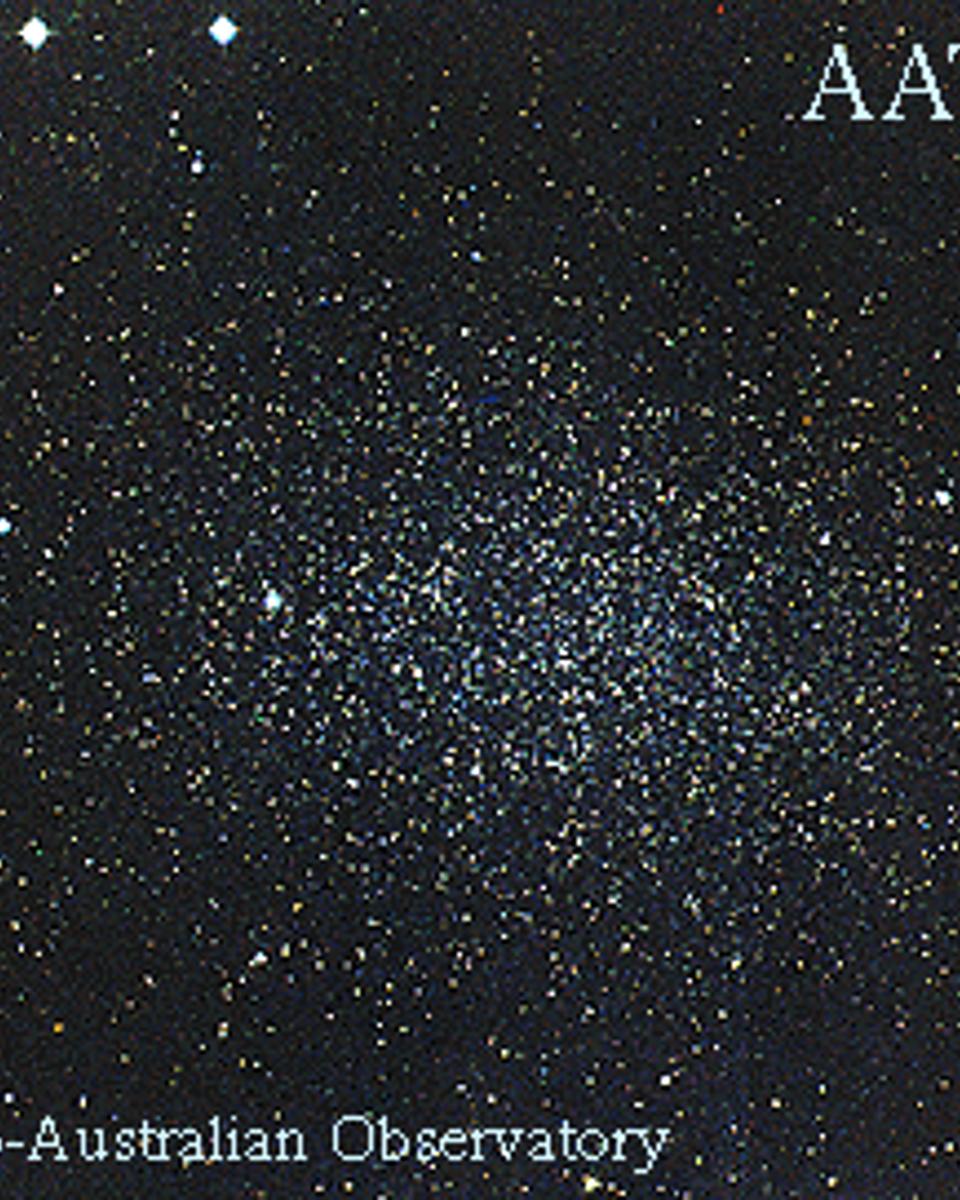
Nearby Dwarf Galaxy Leo I
Leo I is a dwarf spheroidal galaxy in the Local Group of galaxies dominated by our Milky Way Galaxy and M31 . Leo I is thought to be the most distant of the eleven known small…
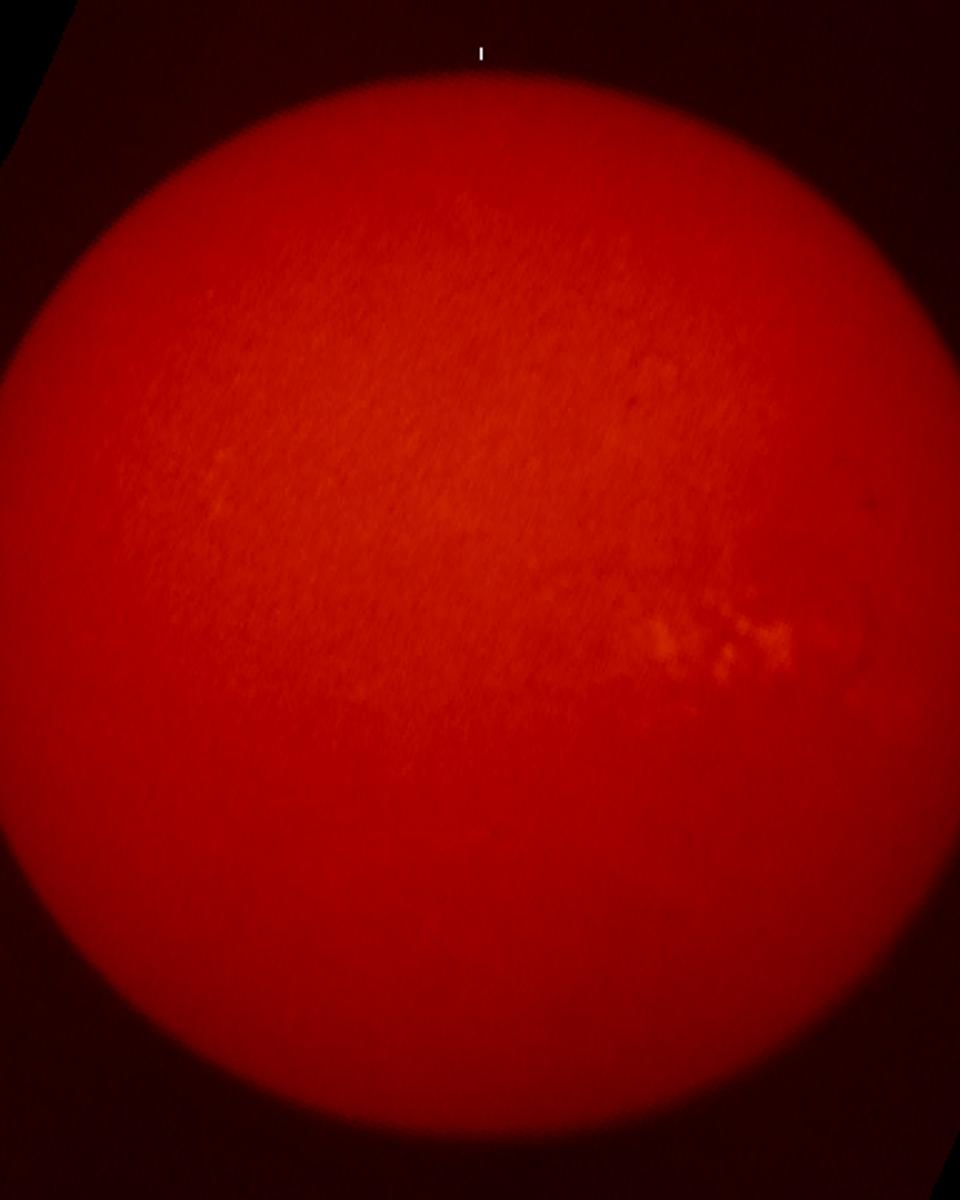
The Sun Today
Our Sun shows a different face every day. The above picture was taken on May 15, but a similar picture of the Sun actually taken today can be found here . The above picture was…
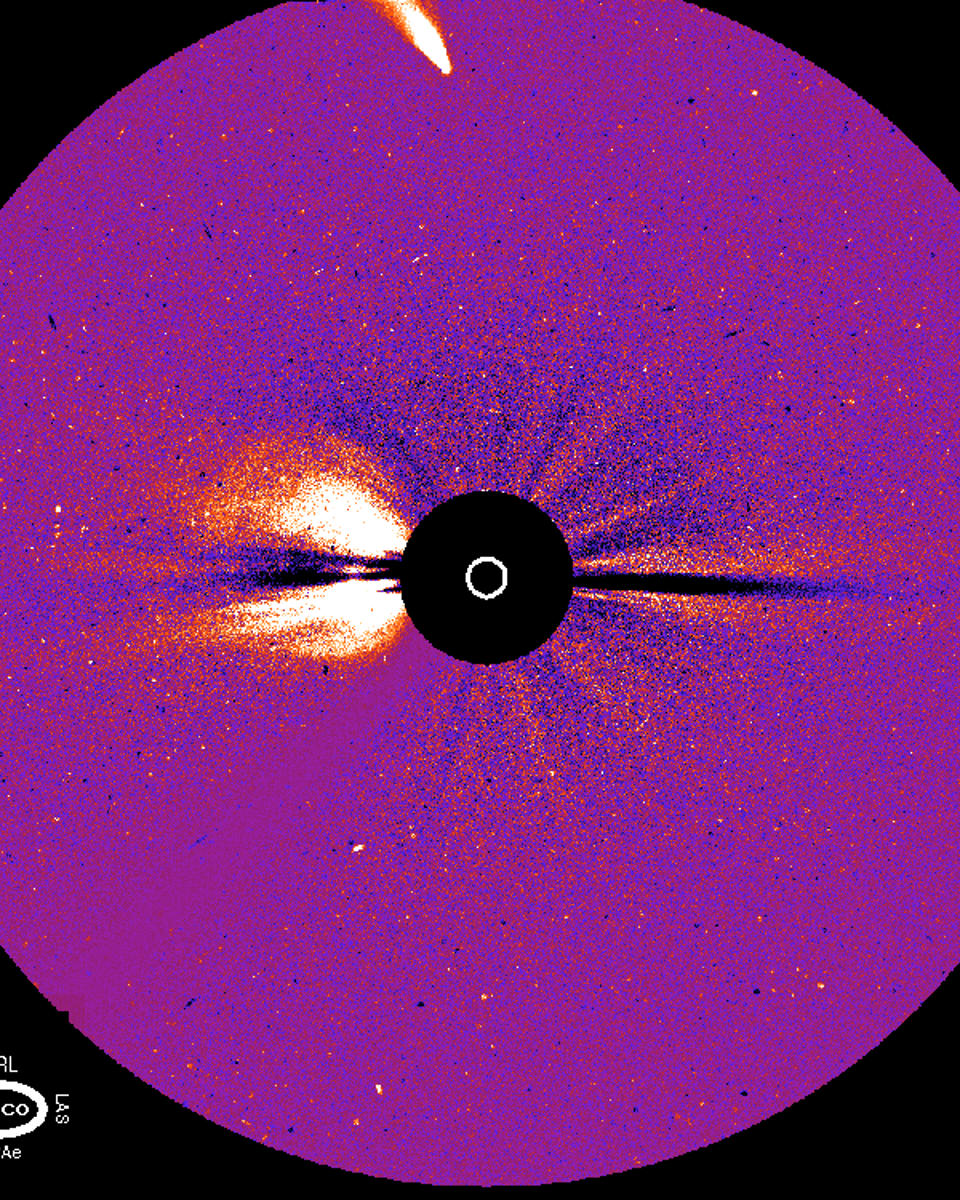
Comet Hyakutake and a Solar Flare
A rare coincidence was recently captured by the orbiting SOHO spacecraft . During the closest approach to the Sun of Comet Hyakutake on May 1, SOHO photographed the comet . By…
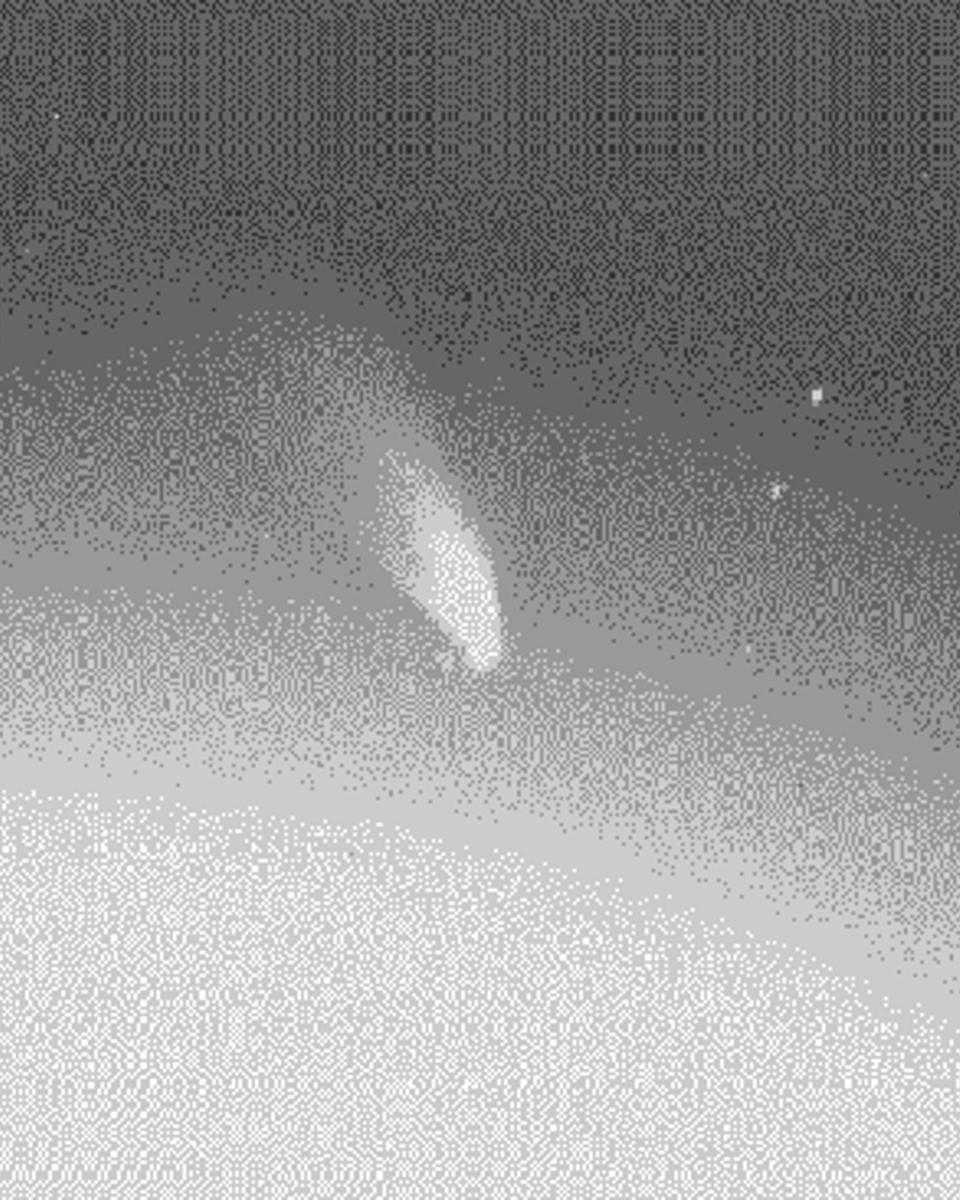
Comet Hyakutake Passes the Sun
On May 1, Comet Hyakutake made its closest approach to the Sun . During this time it was not possible to view the comet with most astronomical instruments because of the…
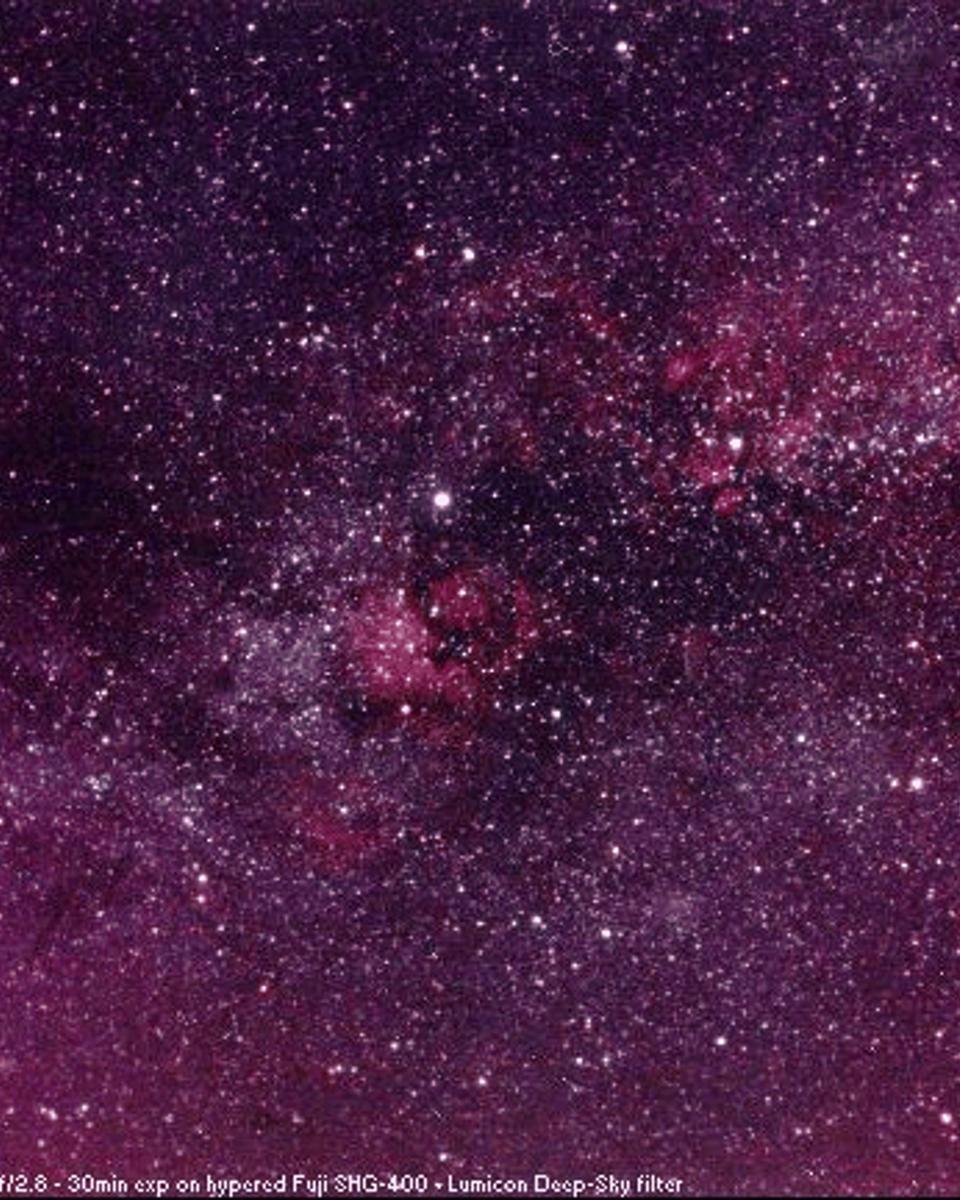
The Milky Way Near the Northern Cross
This beautiful image of the sky near the bright star Deneb (just above center) reveals the stars, nebulae, and dark clouds along the plane of our Milky Way Galaxy as seen from the…
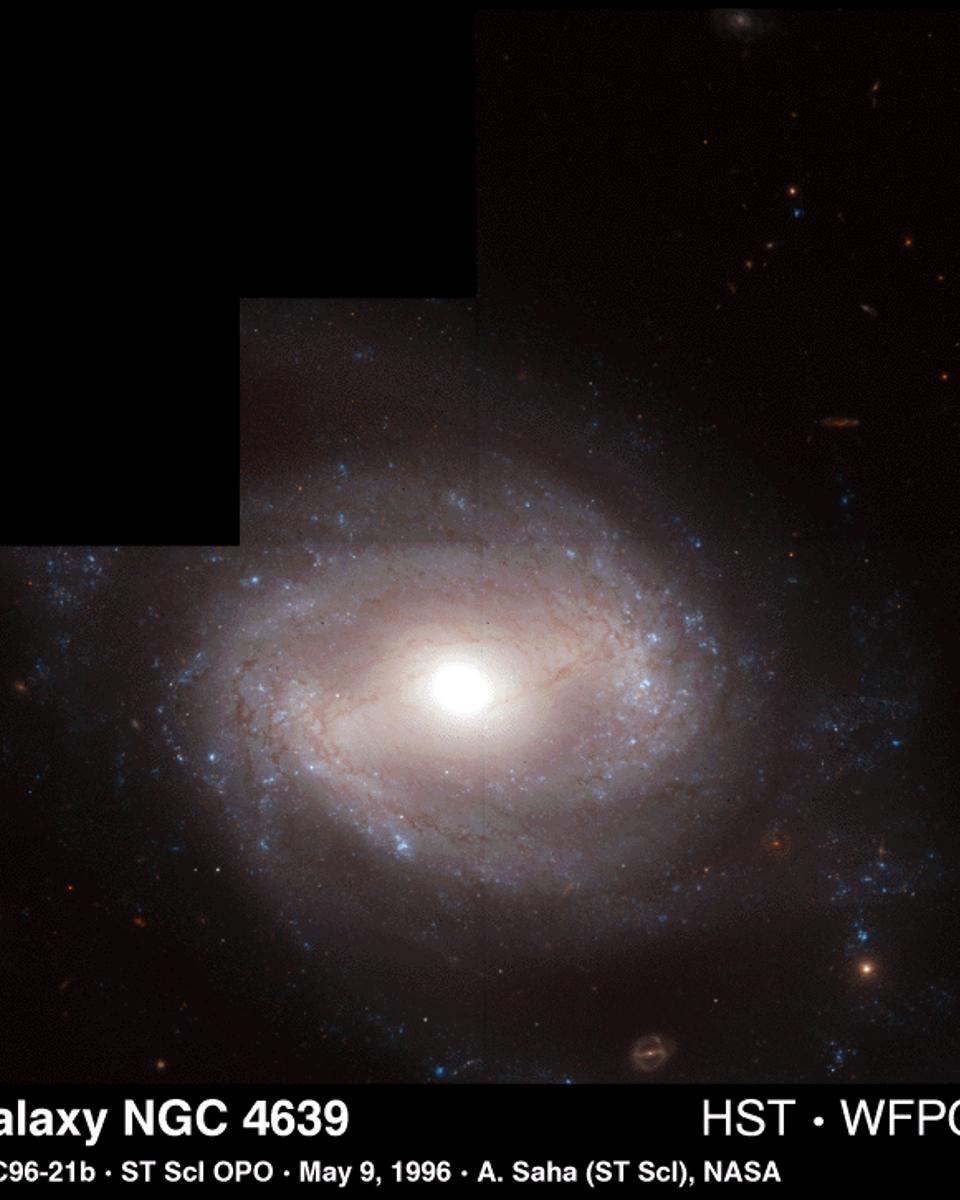
Hubble's Constant and The Expanding Universe (II)
In this century, the discovery that the Universe is expanding has produced a revolution in human thought about the Cosmos. American astronomer Edwin Hubble played a major role in…
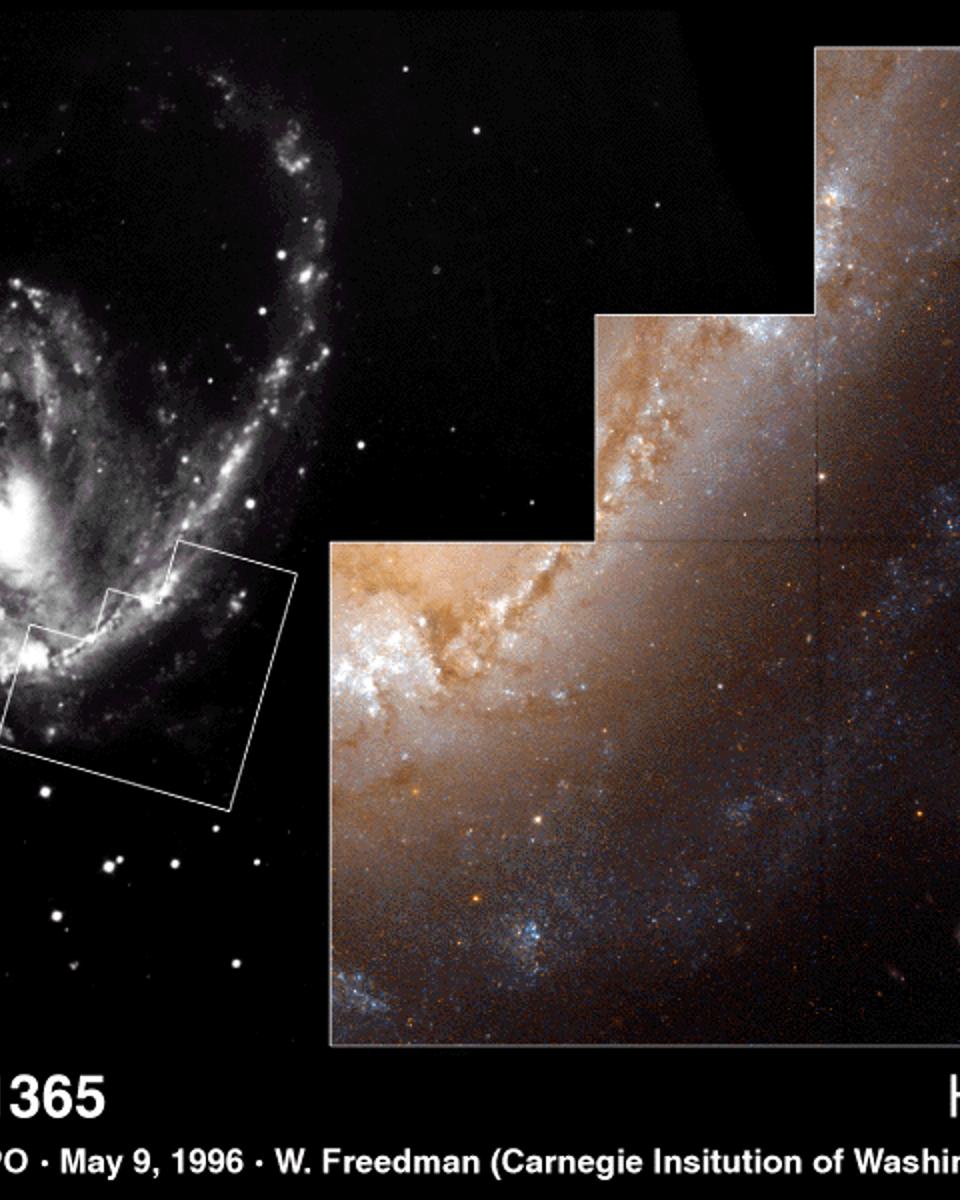
Hubble's Constant and The Expanding Universe (I)
Our Universe is expanding. Distant galaxies appear to recede from us at ever-increasing speeds. What is the rate of expansion? How long has it been expanding? What will be its…
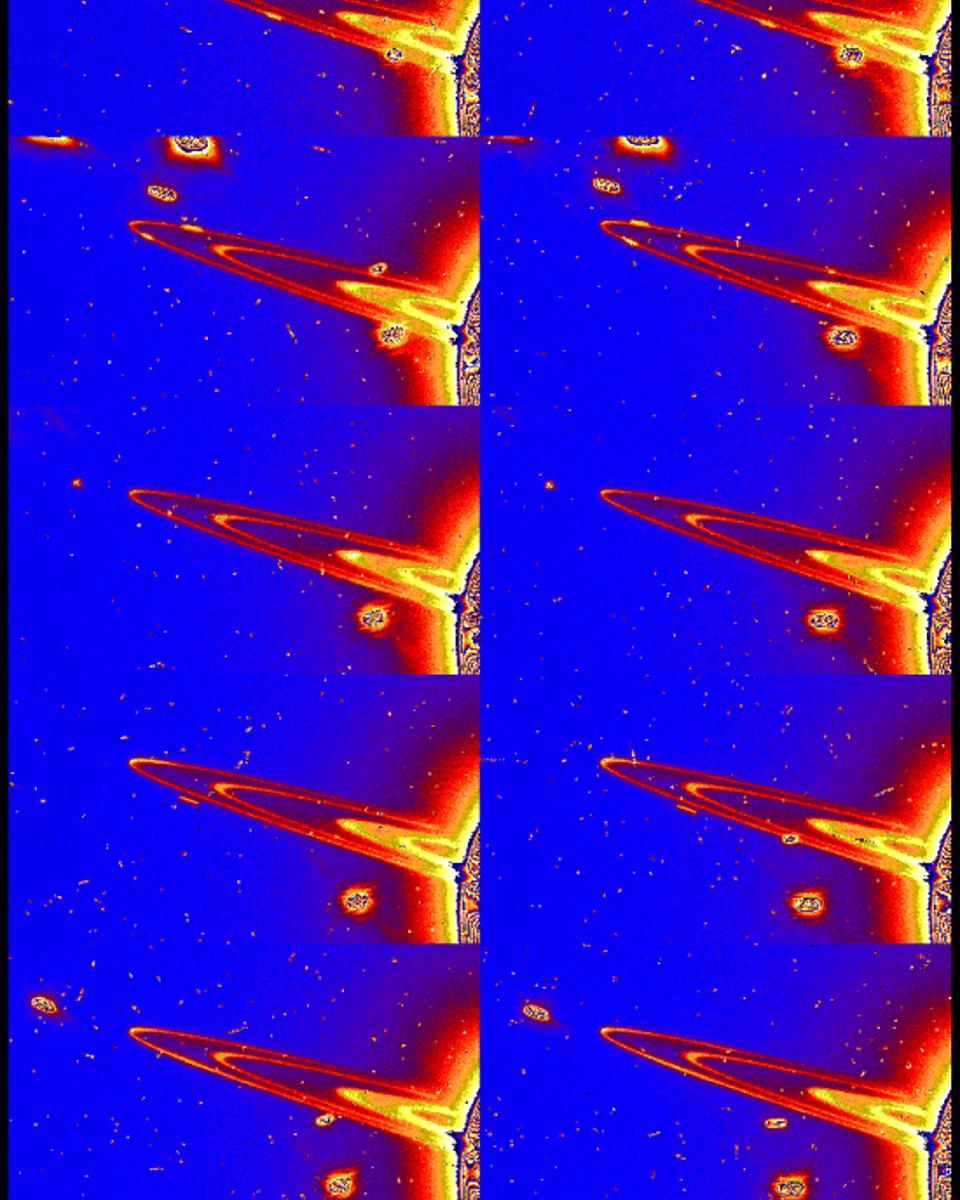
Tracking Saturn's Moons
These five pairs of Hubble Space Telescope images track some of Saturn's moons as they orbit the ringed planet . A pair of images was taken every 97 minutes on November 21, 1995…
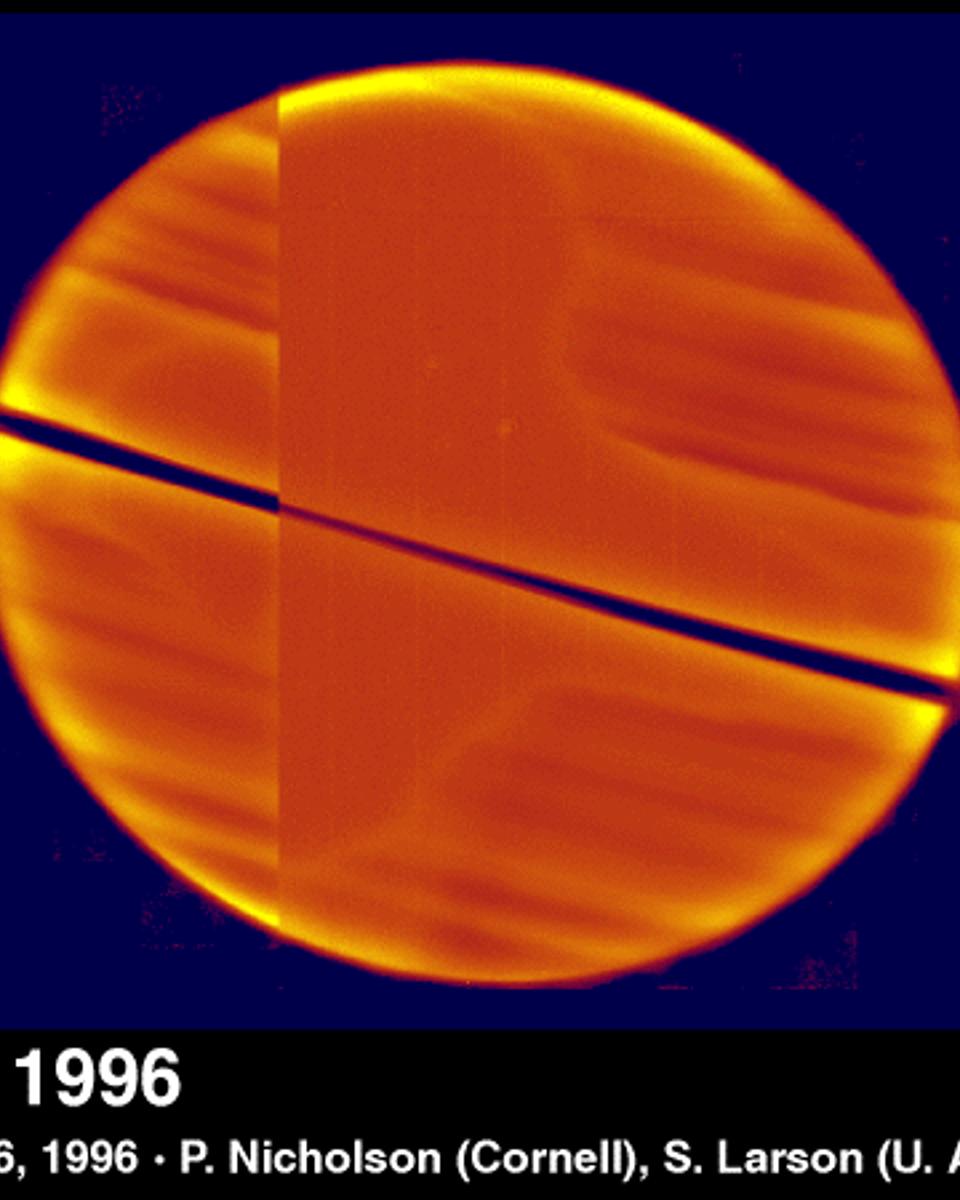
Sunlight Through Saturn's Rings
Normally, Earth based astronomers view Saturn's spectacular ring system fully illuminated by reflected sunlight. However, this November 1995 Hubble Space Telescope composite image…
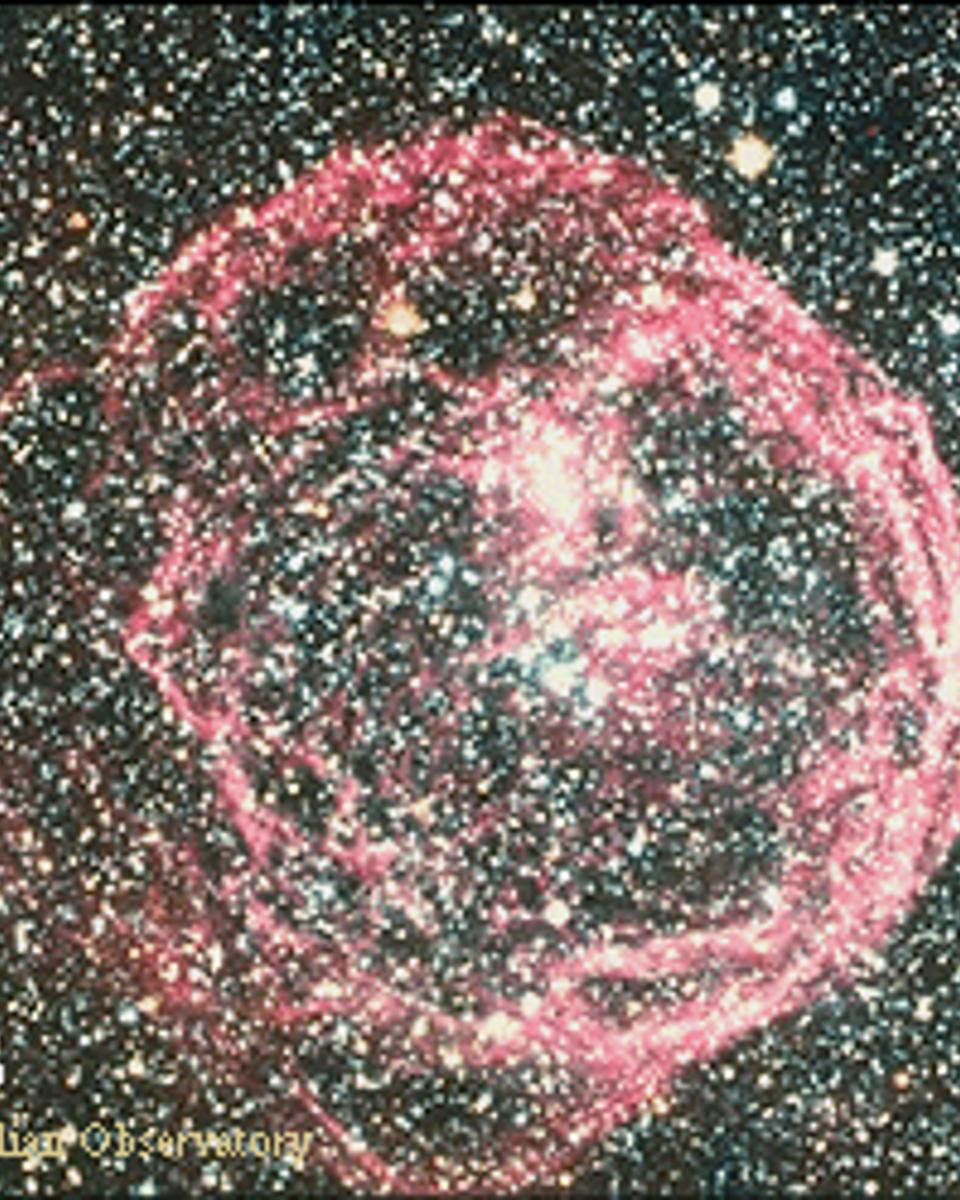
Henize 70: A SuperBubble In The LMC
Massive stars (tens of times the mass of the Sun) profoundly affect their galactic environment. Churning and mixing the clouds of gas and dust between the stars, they leave their…
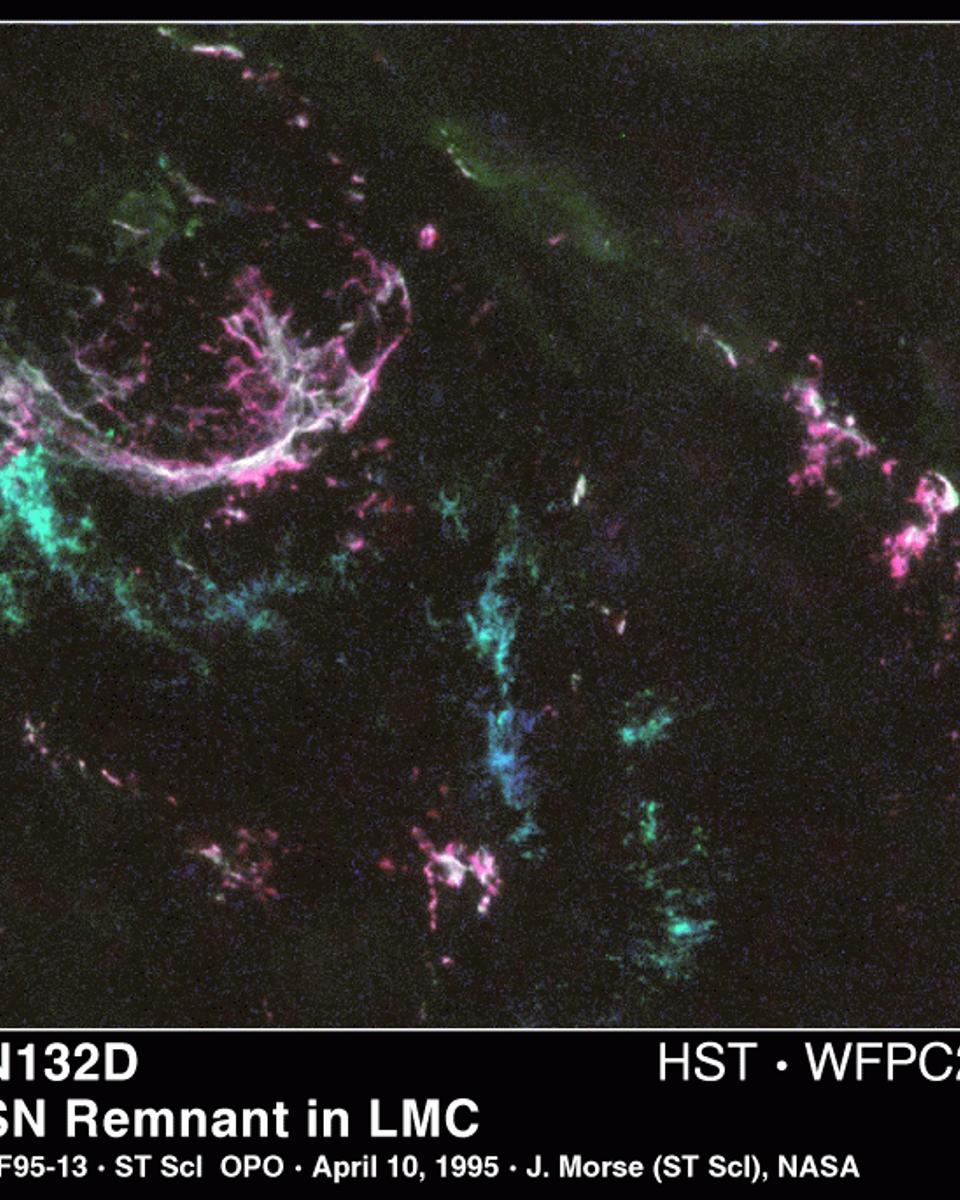
Supernova Remnant: Cooking Elements In The LMC
Massive stars cook elements in their cores through nuclear fusion . Starting with the light elements of hydrogen and helium, their central temperatures and pressures produce…
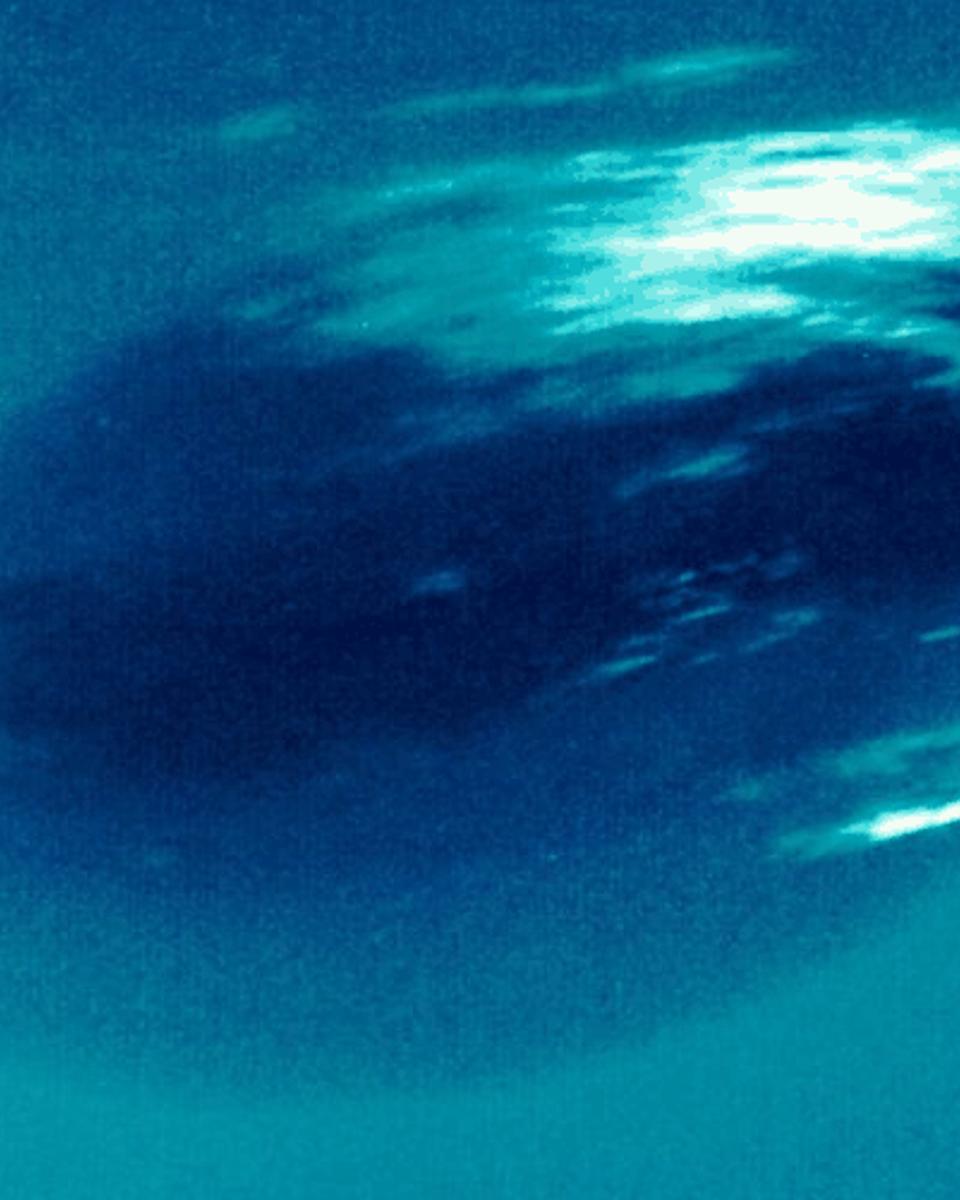
Neptune's Great Dark Spot: Gone But Not Forgotten
When NASA's Voyager 2 spacecraft flew by distant Neptune in August of 1989, astronomers were shocked . Since Neptune receives only 3 percent the sunlight Jupiter does, they…
The Clouds of Neptune
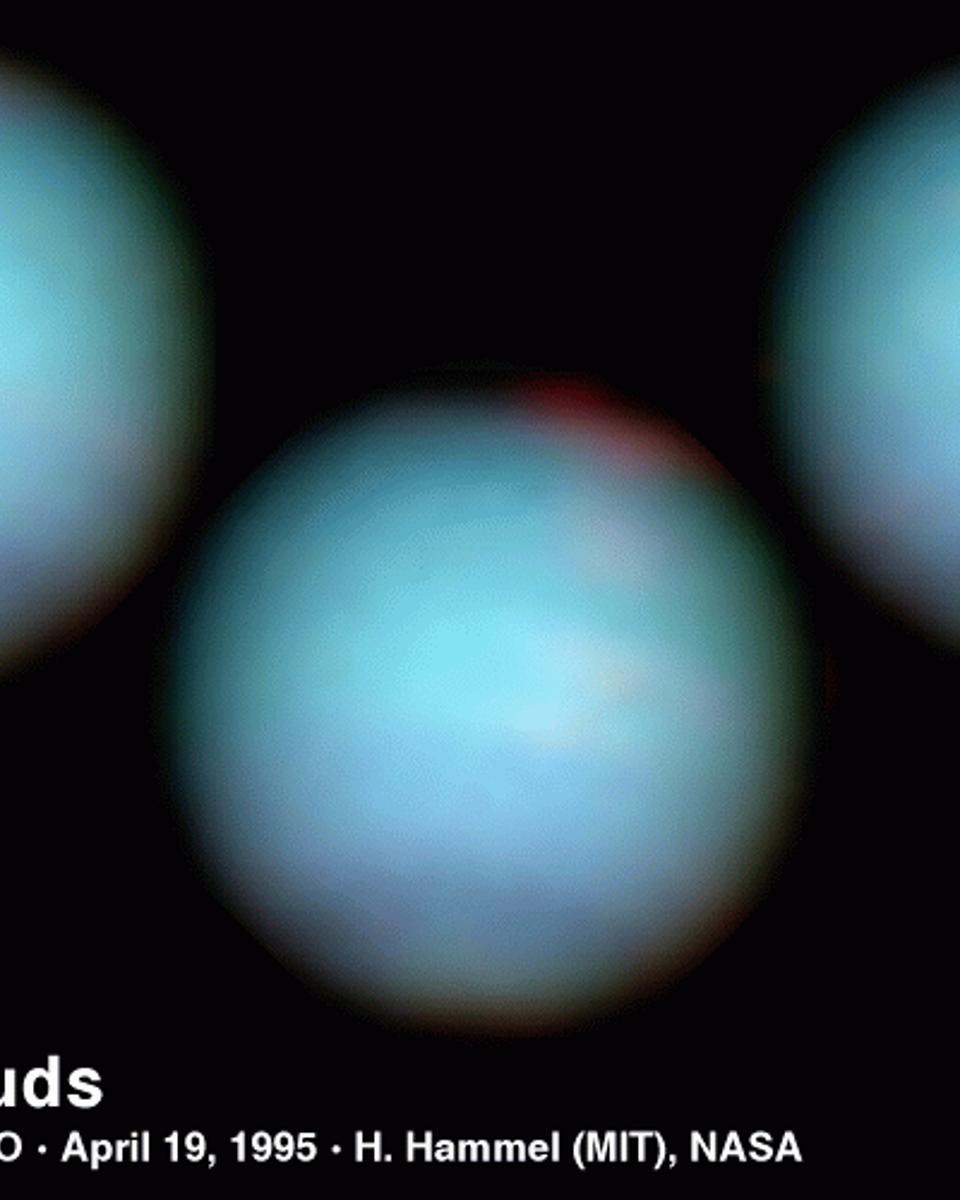
These Hubble Space Telescope (HST) images reveal glimpses of the dynamic atmosphere of Neptune , the Solar System's most distant gas giant planet . The first close-up of Neptune's…
Southern Lights and Shuttle Glow
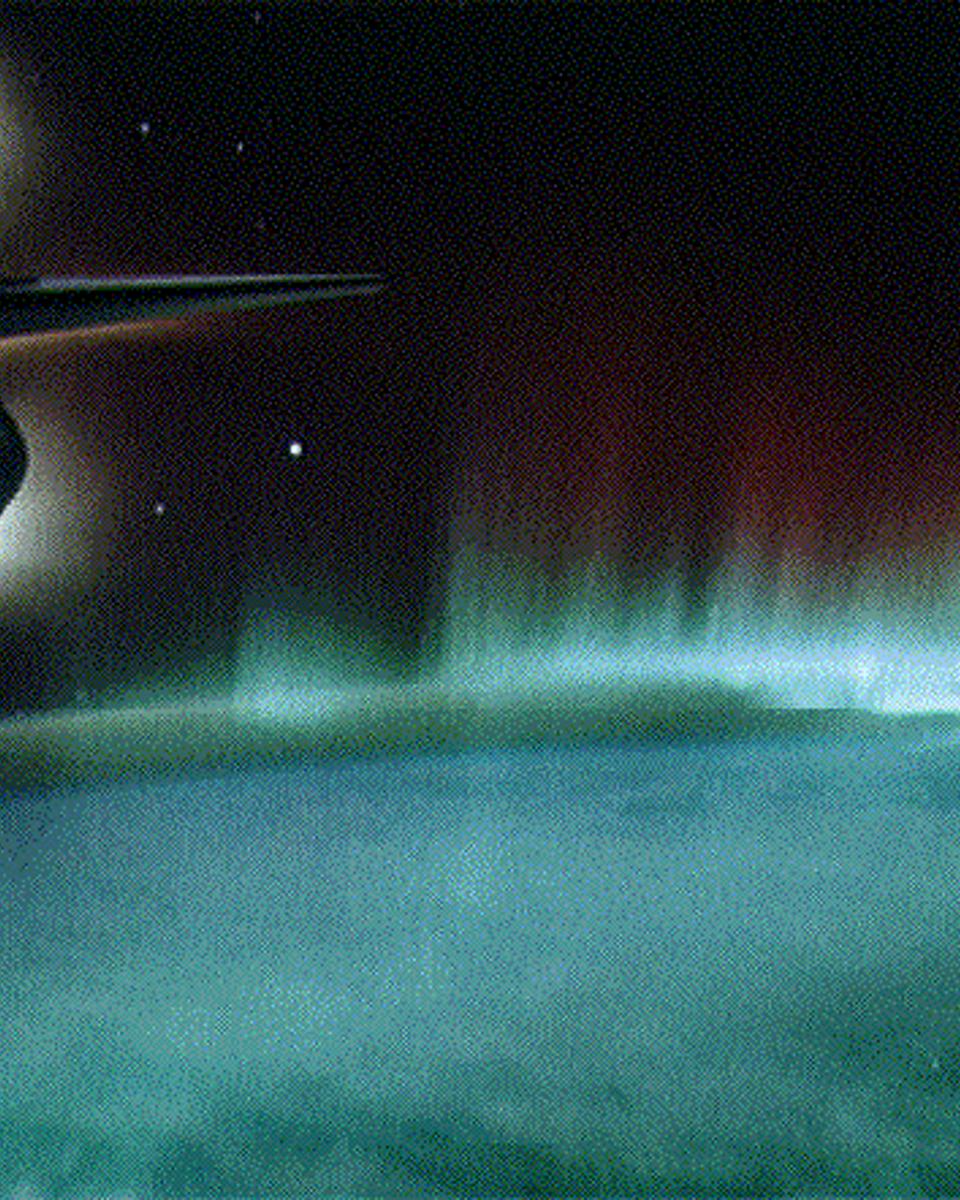
A background of distant stars, sinuous and spiky bands of Southern Lights (Aurora Australis) , and the faint glow of charged plasma (ionized atomic gas) surrounding the Space…
Planet Near a Galaxy Core
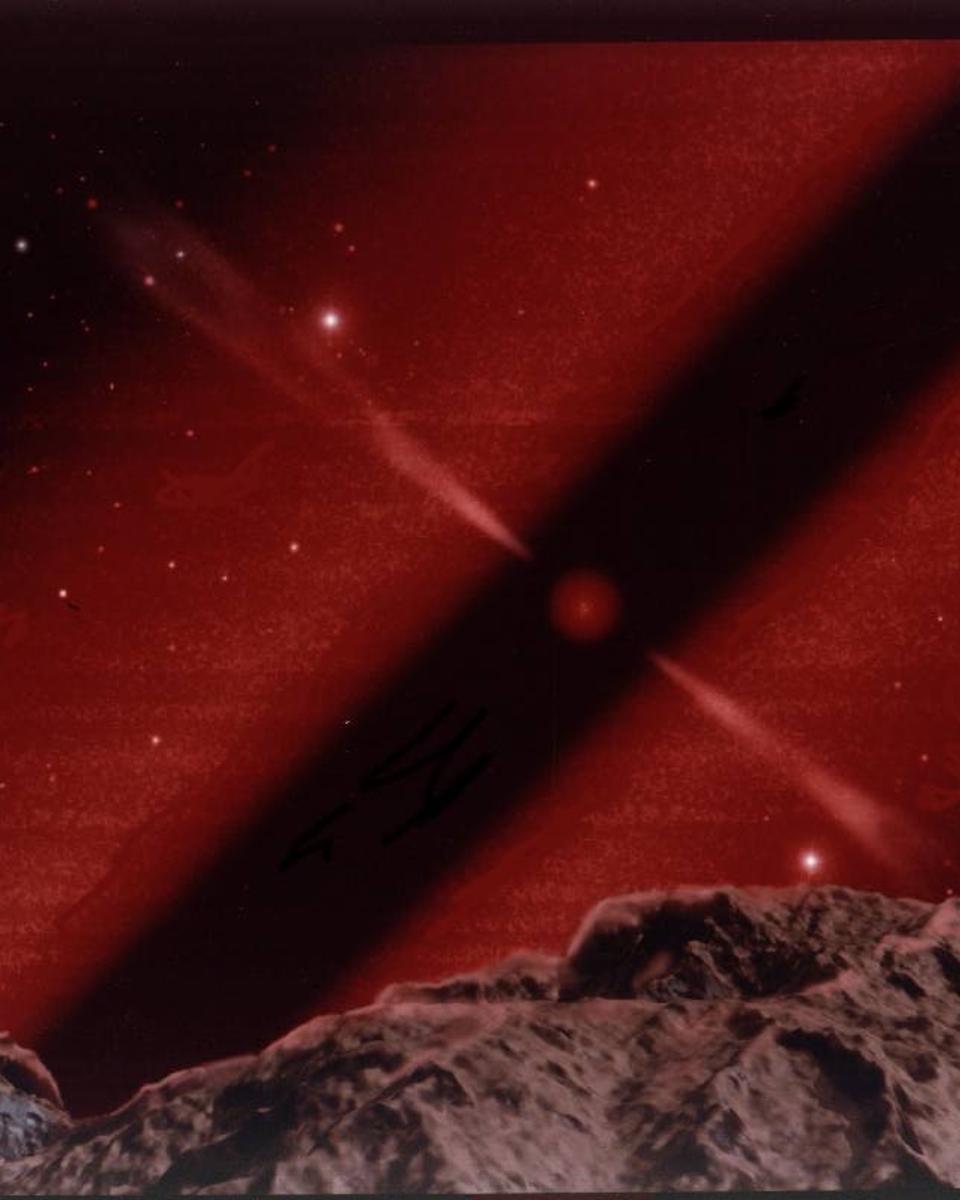
What would the night sky look like if you lived on a planet near the center of a galaxy? Now imagine that this galaxy houses a black hole billions of times more massive than a…
Astro 1 In Orbit
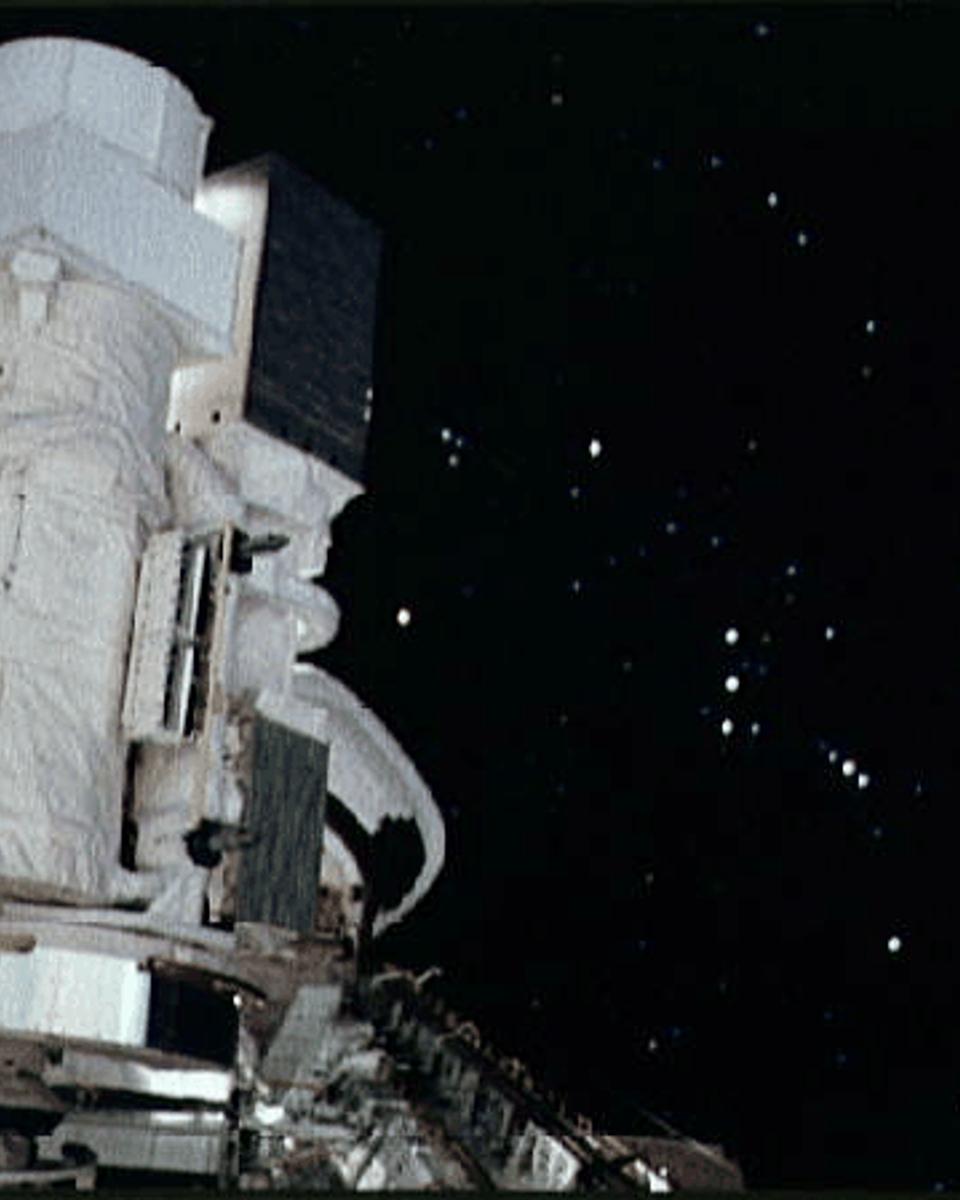
In December of 1990, the Space Shuttle Columbia carried an array of astronomical telescopes high above the Earth's obscuring atmosphere to observe the Universe at ultraviolet and…
Viewing discoveries from 27 May 1996 through 4 May 1996.