Browse NASA Astronomy Picture of the Day archive by date and media: Archive Discoveries
Browse the NASA APOD archive without needing the exact date first. Filter by media type and keep moving deeper into older images and videos.
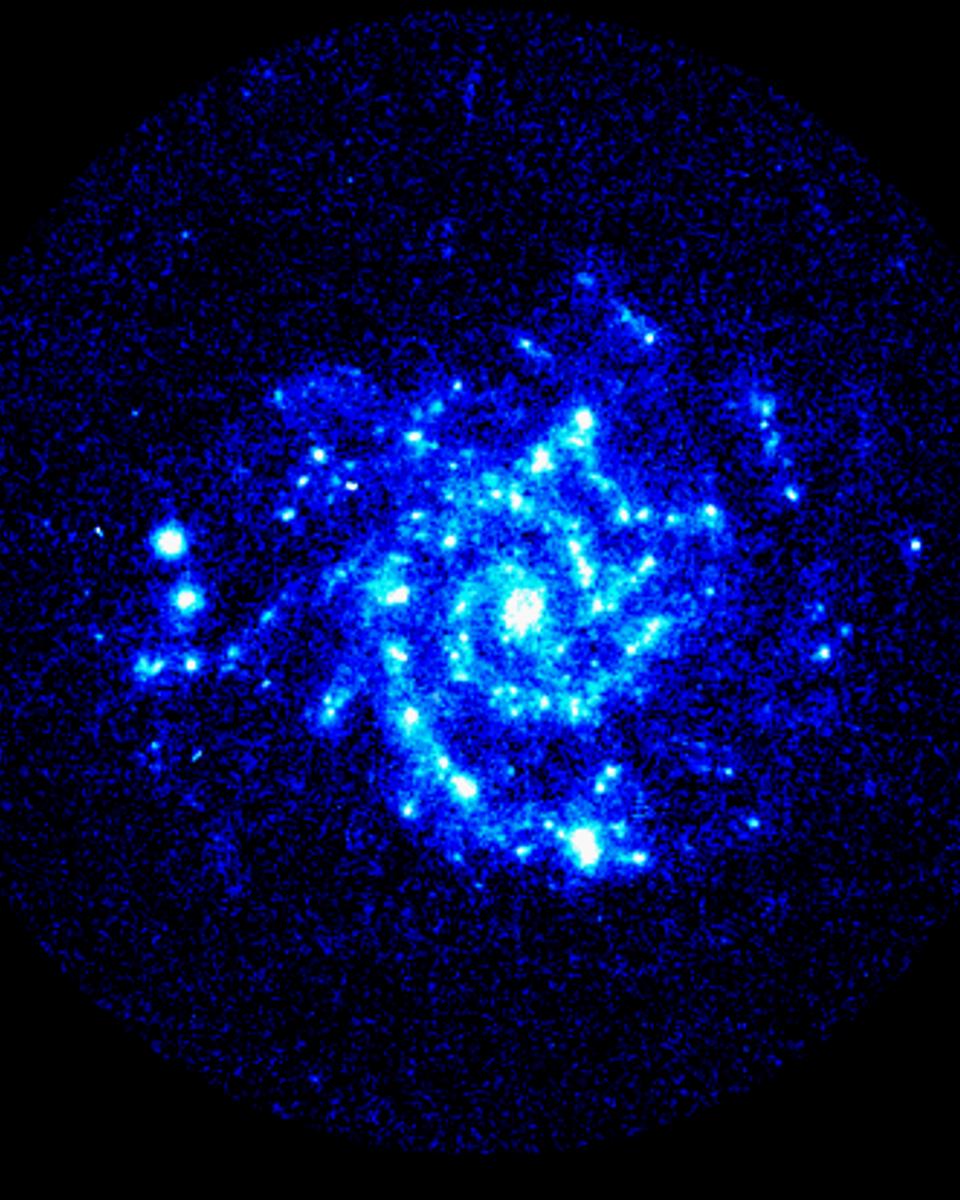
A Spiral Galaxy Gallery
A progression of beautiful spiral galaxies is illustrated above with three photographs from NASA's Ultraviolet Imaging Telescope (UIT). Flying above the Earth's obscuring layer of…
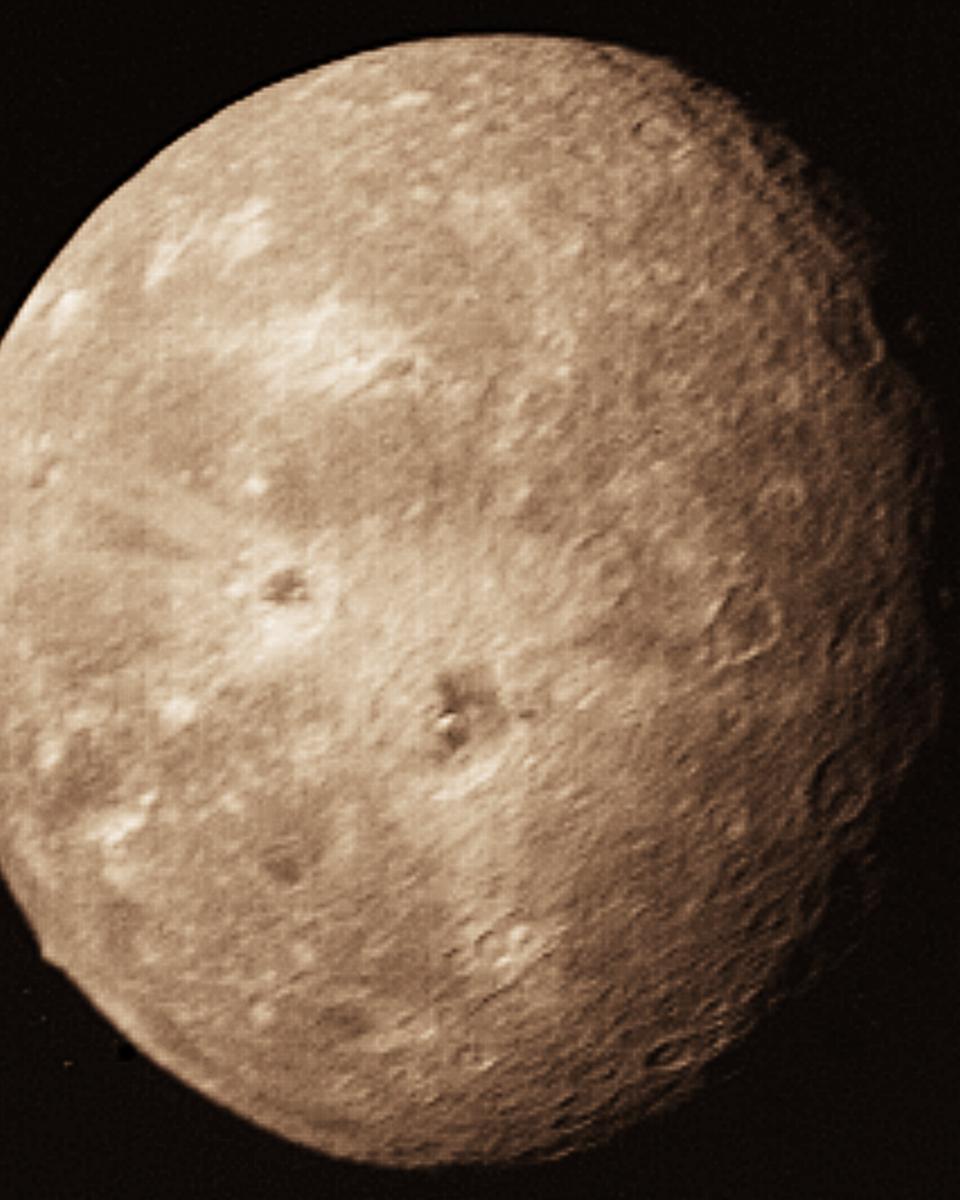
Uranus's Moon Oberon: Impact World
Oberon is the most distant and second largest moon of Uranus. Discovered by William Herschel in 1787, the properties of the world remained relatively unknown until the robot…
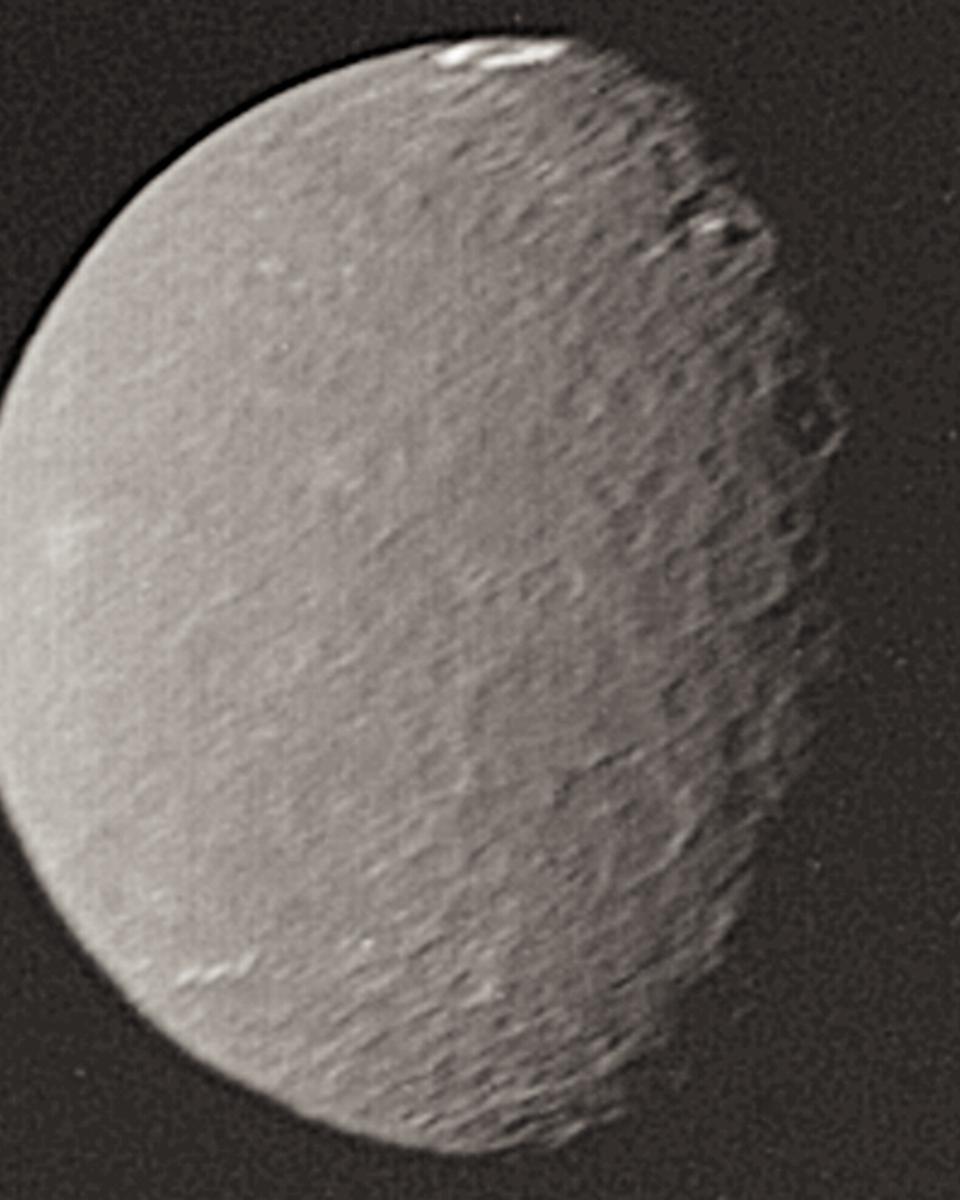
Uranus's Moon Umbriel: A Mysterious Dark World
Why is Umbriel so dark? This dark moon reflects only half the light of other Uranus' moons such as Ariel . And what is that bright ring at the top? Unfortunately, nobody yet…
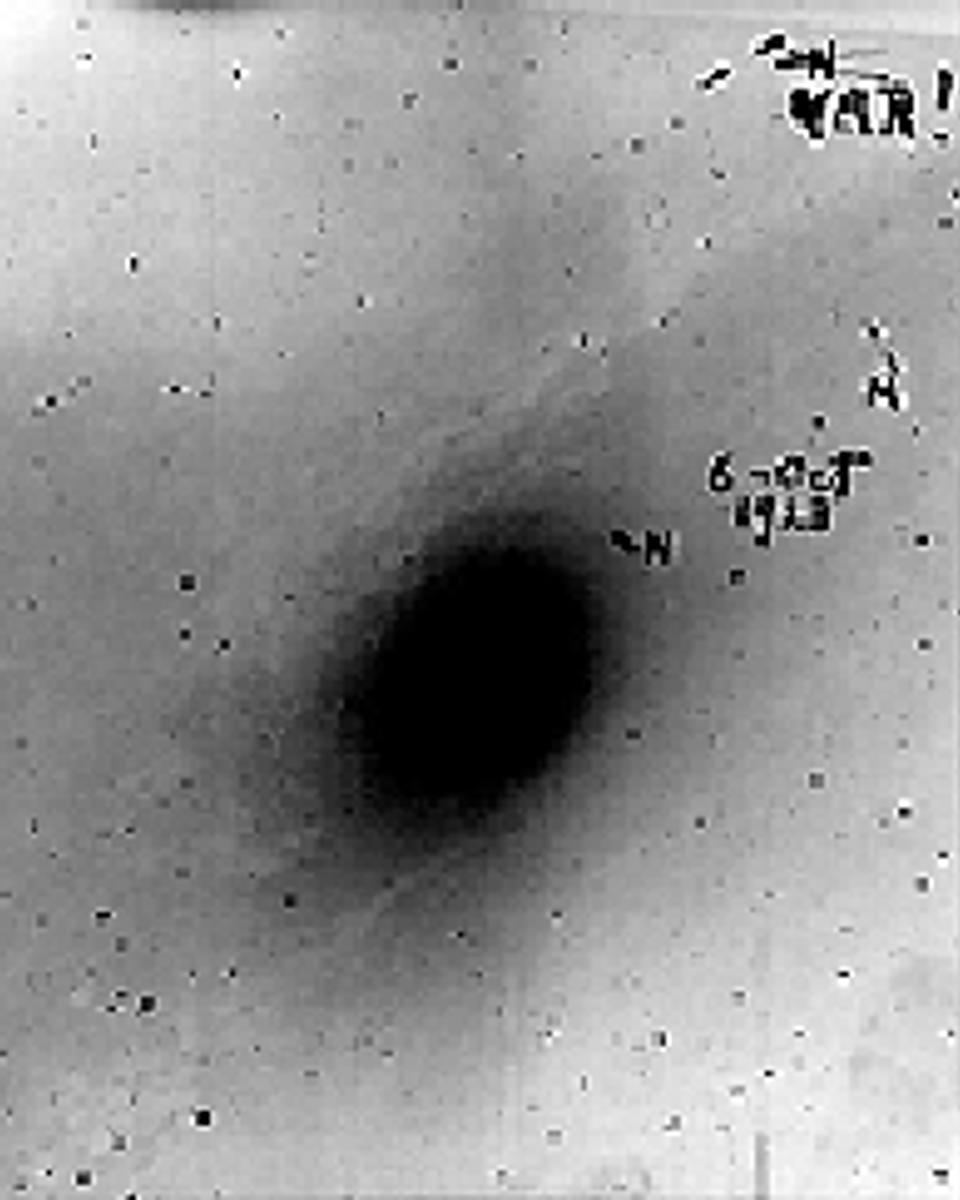
Andromeda Nebula: Var!
In the 1920s, using photographic plates made with the Mt. Wilson Observatory's 100 inch telescope, Edwin Hubble determined the distance to the Andromeda Nebula - decisively…
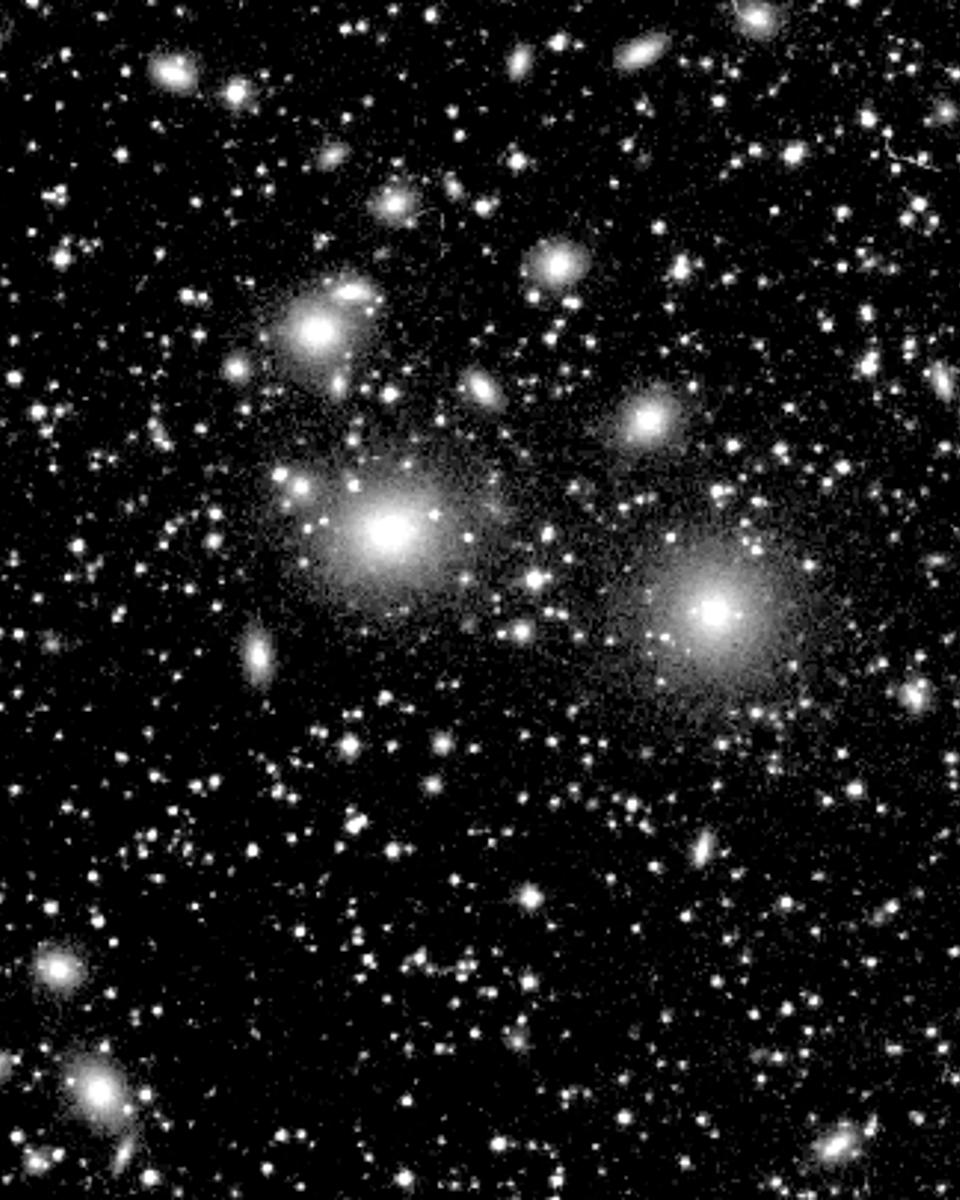
The Perseus Cluster of Galaxies
Here is one of the largest objects that anyone will ever see on the sky. Each of the fuzzy blobs in the above picture is a galaxy , together making up the Perseus Cluster, one of…
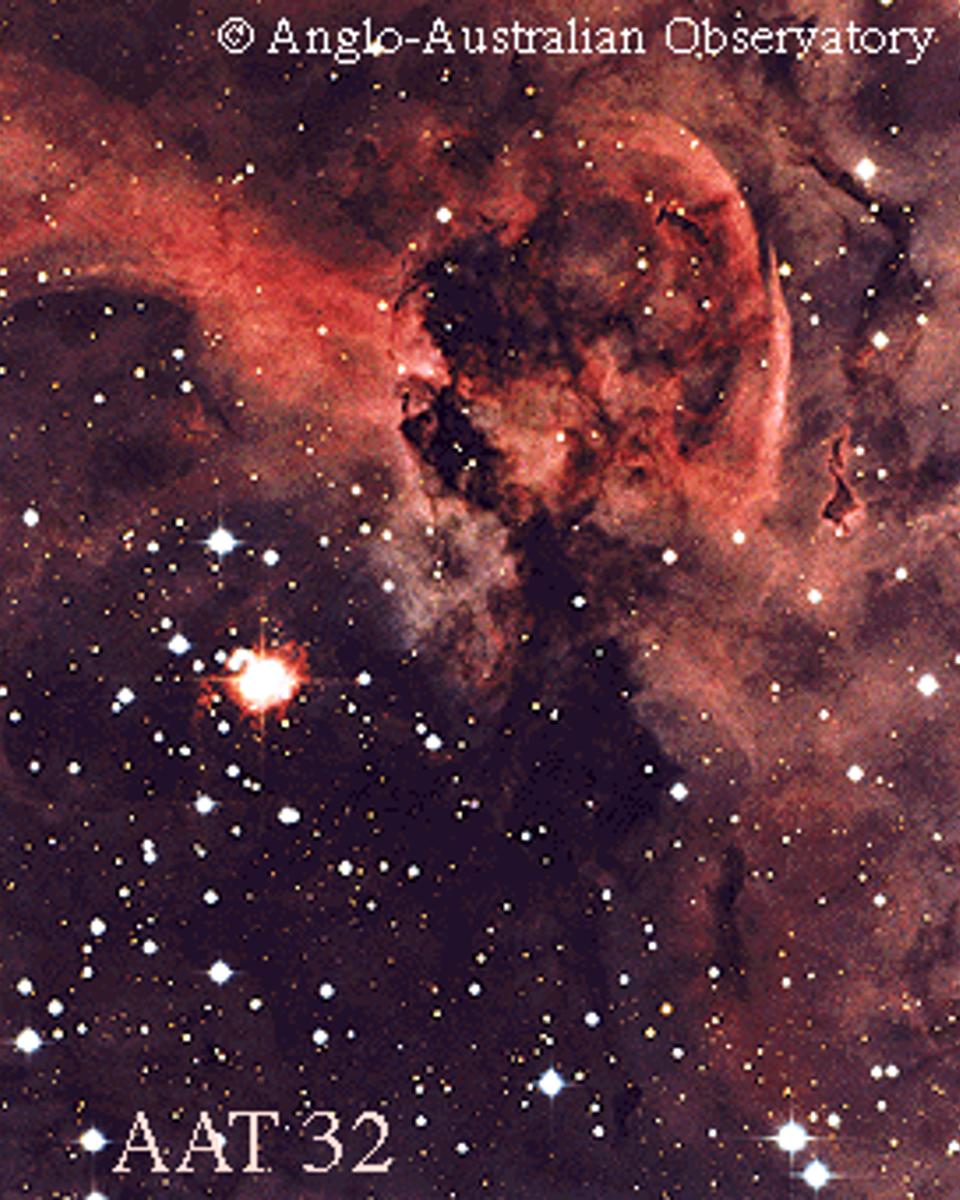
The Keyhole Nebula Near Eta Carinae
The dark dusty Keyhole Nebula gets its name from its unusual shape. Designated NGC 3324, the Keyhole Nebula is a smaller region superposed on the bright Eta Carina Nebula . The…
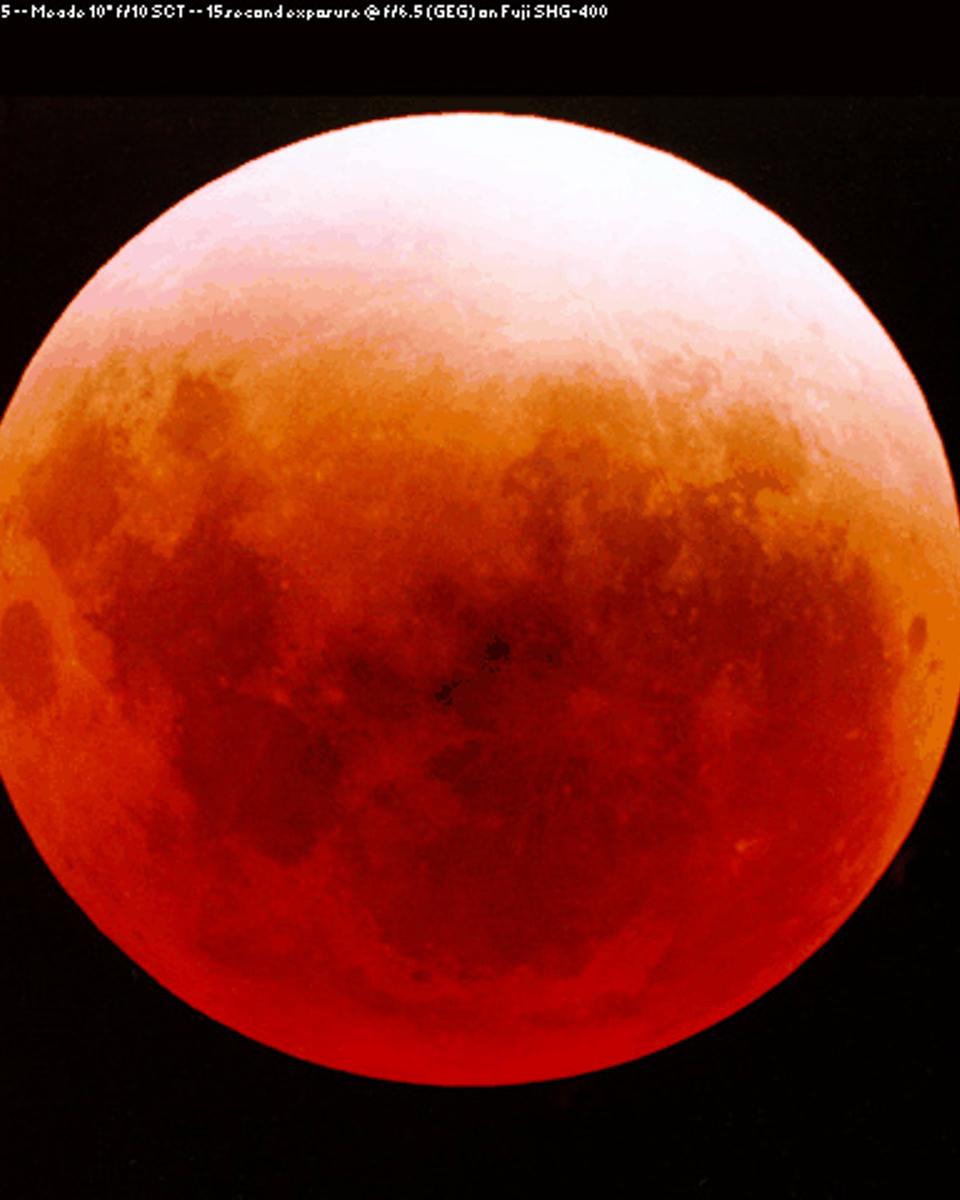
A Lucky Lunar Eclipse
Tonight's full moon would normally washout the spectacle of Comet Hyakutake's lovely tail , even for those far from light polluted skies. Except that tonight comet observers are…
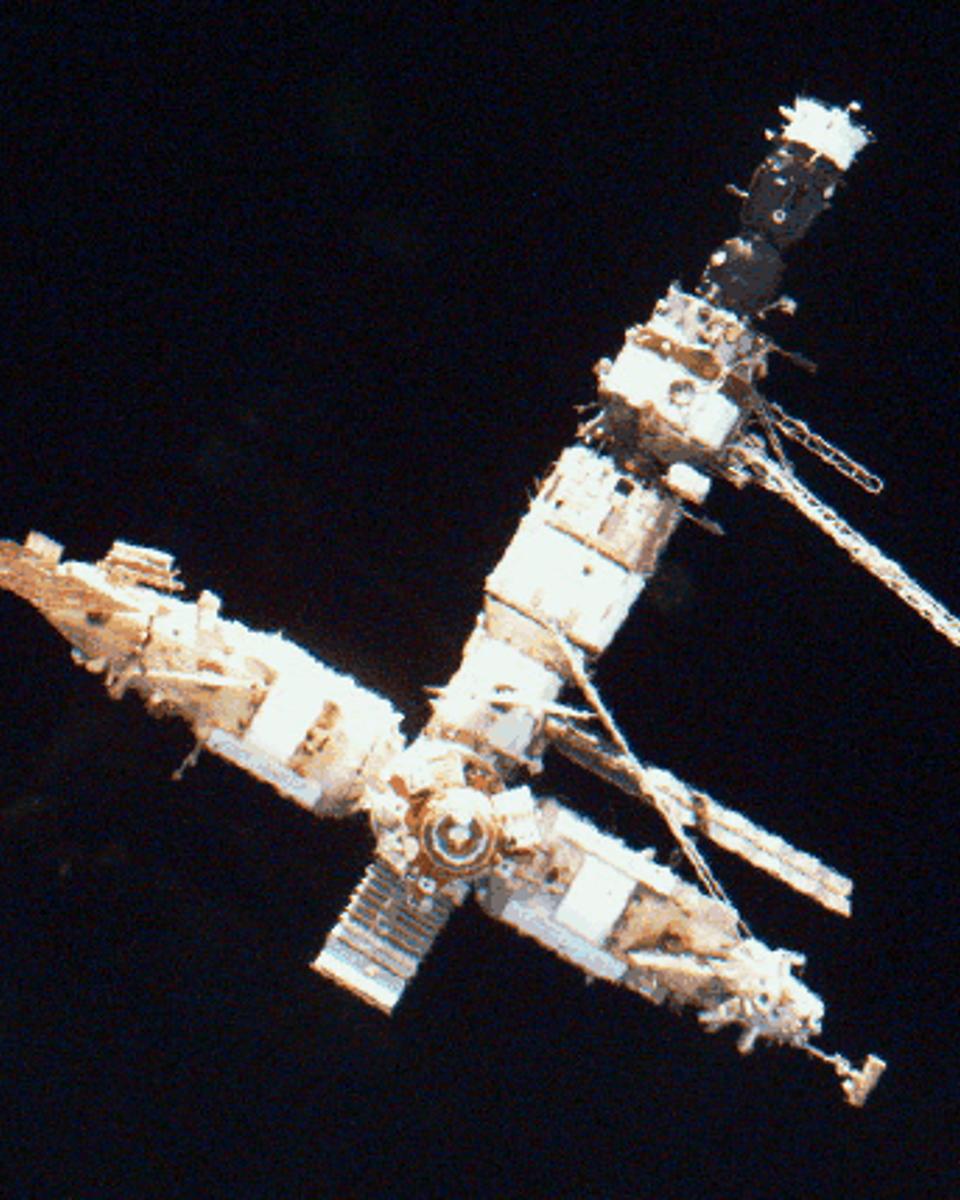
Atlantis Approaches Mir
Imagine flying though space and approaching the Mir space station . The crew of the Space Shuttle Atlantis did just this in a mission that ended only two days ago. Mir, now 10…
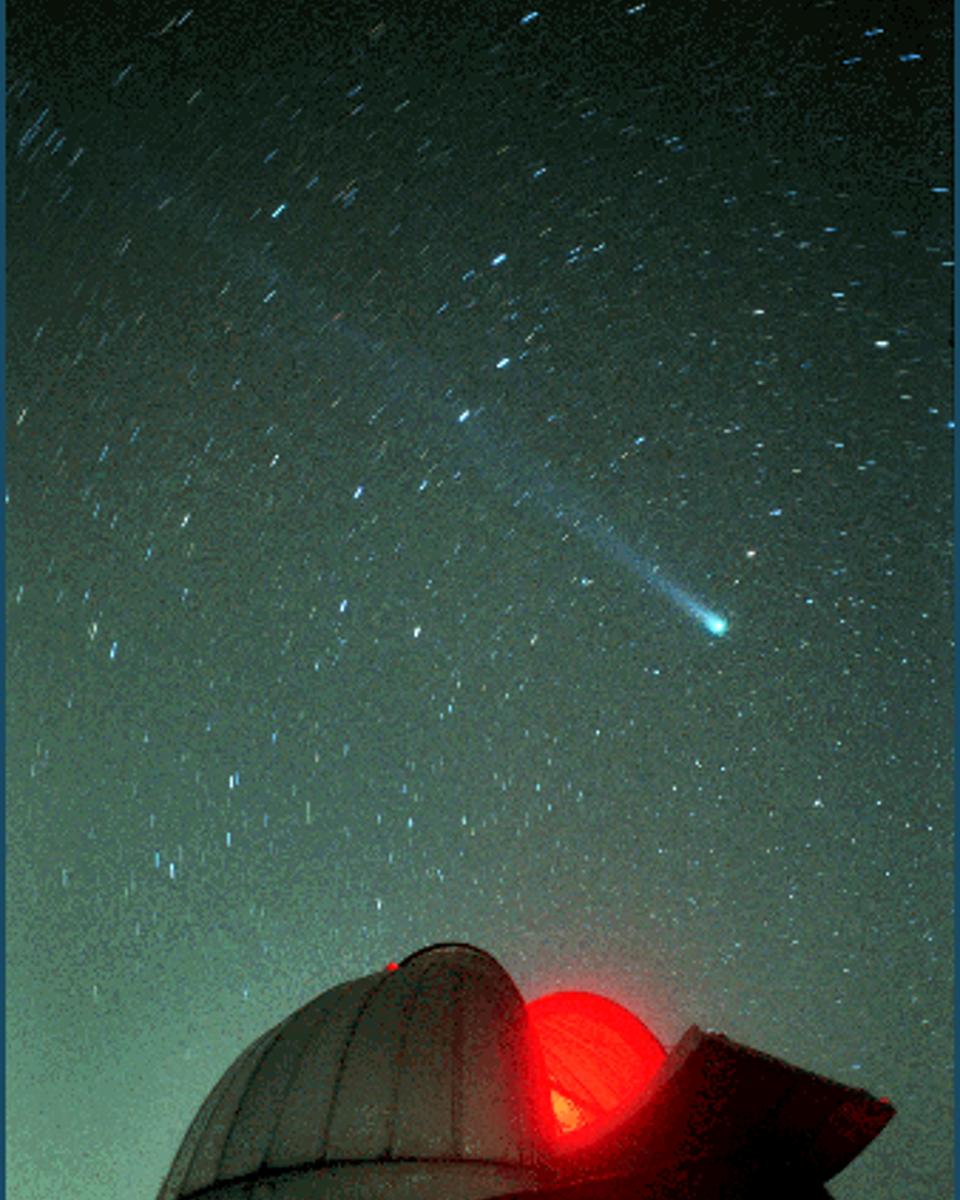
Hyakutake, Big Dipper, and Observatory Dome
In one of the more spectacular pictures yet taken, Comet Hyakutake is shown here on March 26 high in the dark Missouri sky. In the foreground is Elmcrest Observatory complete with…
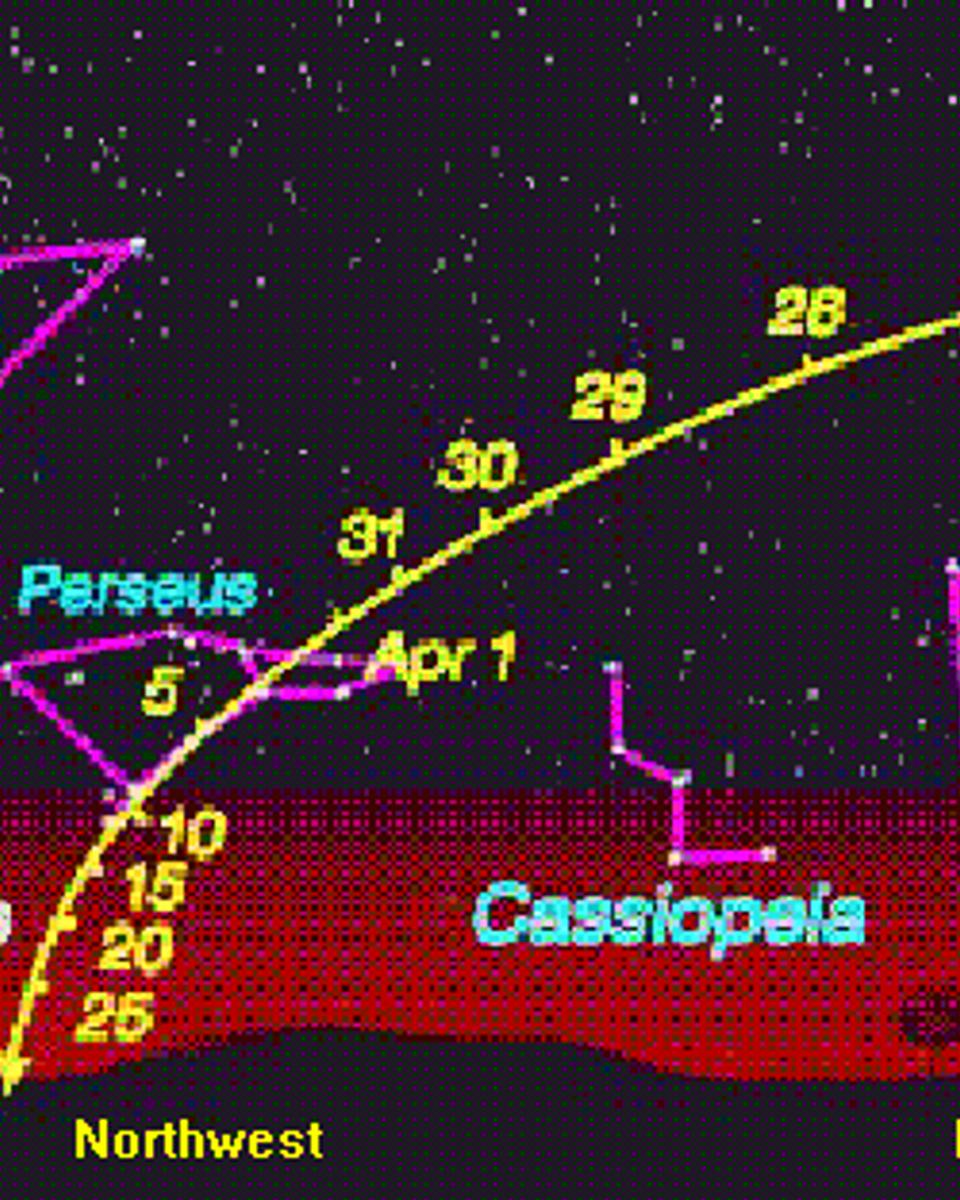
Comet Hyakutake Finder Chart for April
During April Comet Hyakutake heads in toward the Sun after passing the Earth . At this time the comet's orbit places it north of the Earth. Remaining visible in the northern sky…
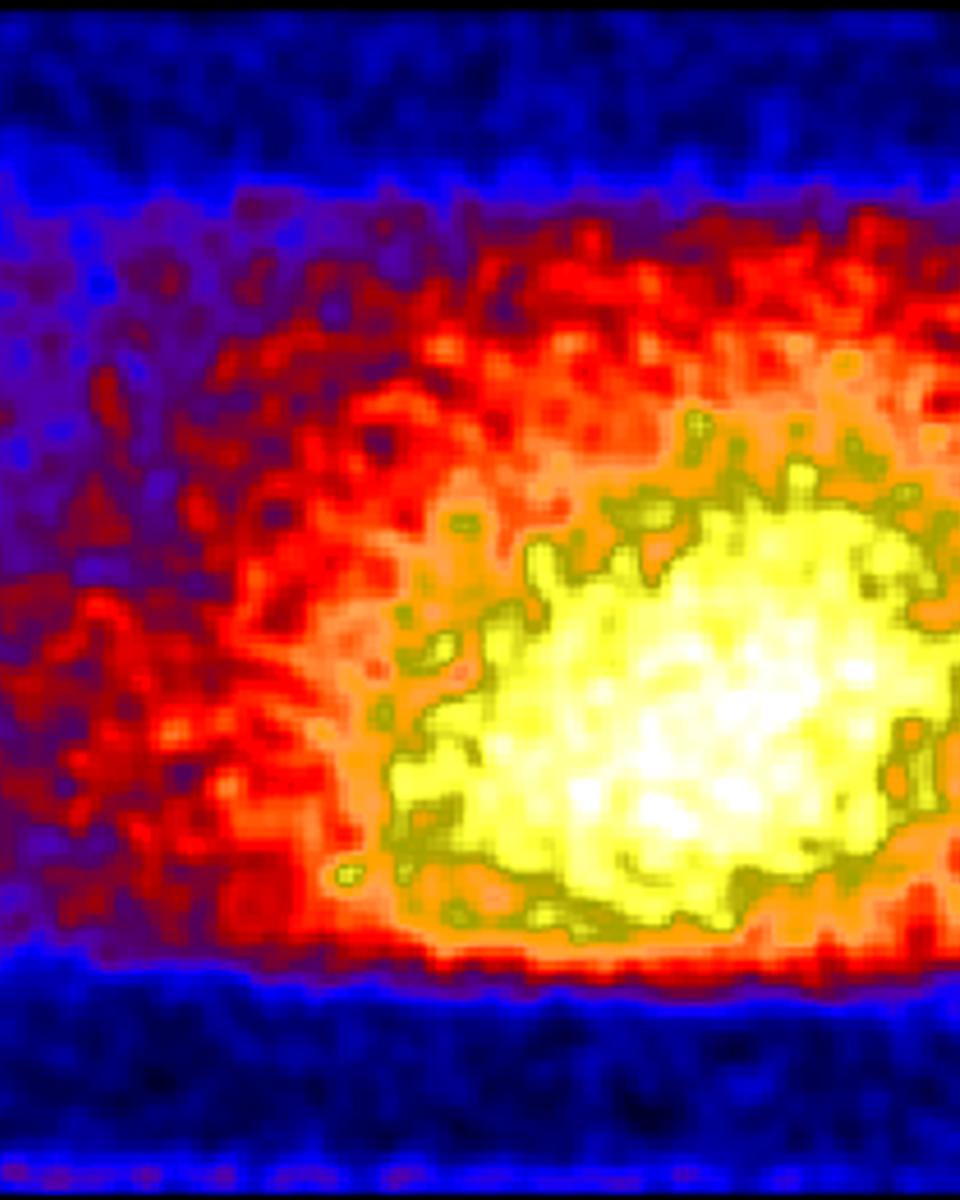
An Extreme UltraViolet View of the Comet
As the Sun floods Comet Hyakutake with ultraviolet light gases in the coma scatter the radiation and fluoresce making the comet a bright source in the ultraviolet sky. The above…
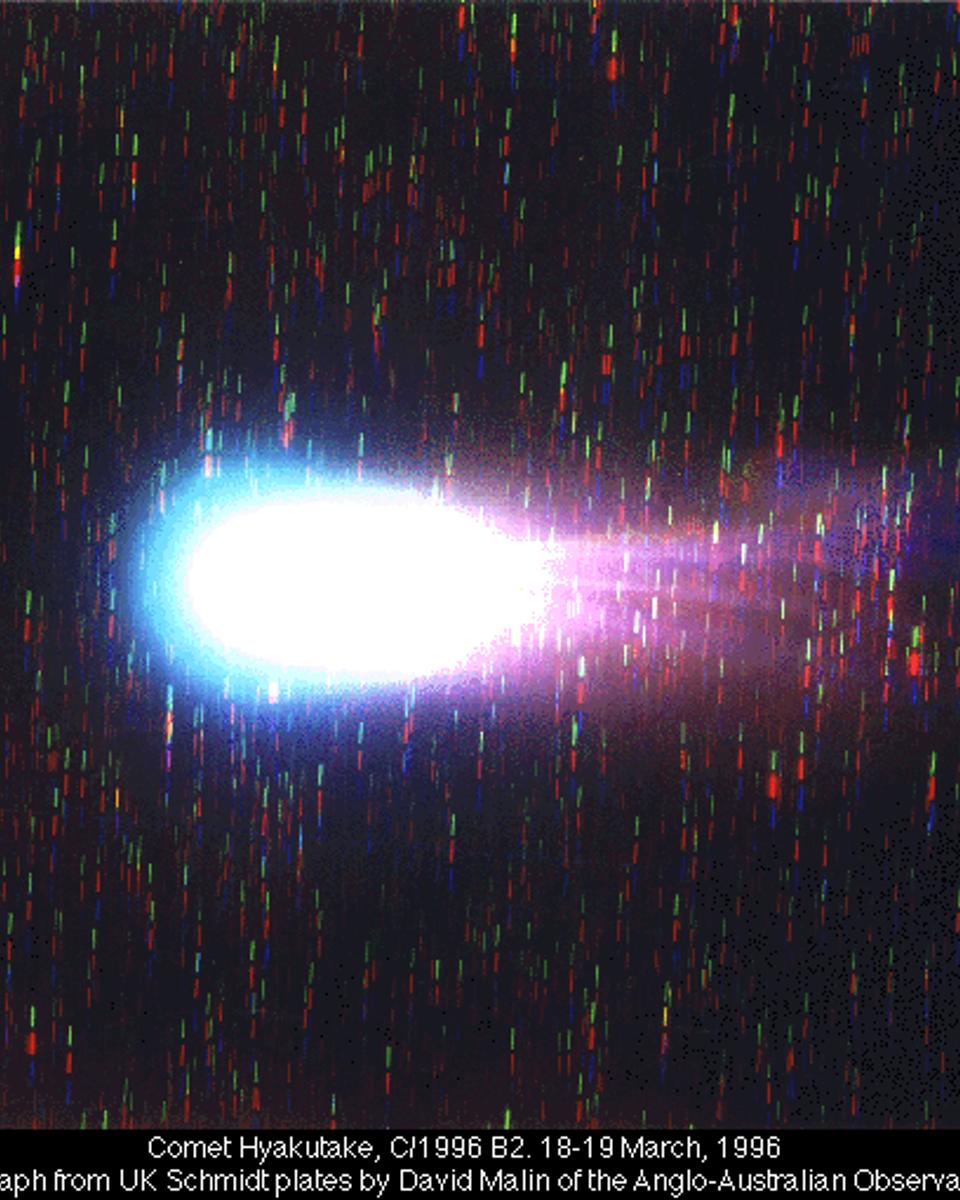
The Colors of Comet Hyakutake
The colors of Comet Hyakutake are caused by the action of sunlight on the dust and gas produced by the warming nucleus . The microscopic dust particles reflect sunlight while the…
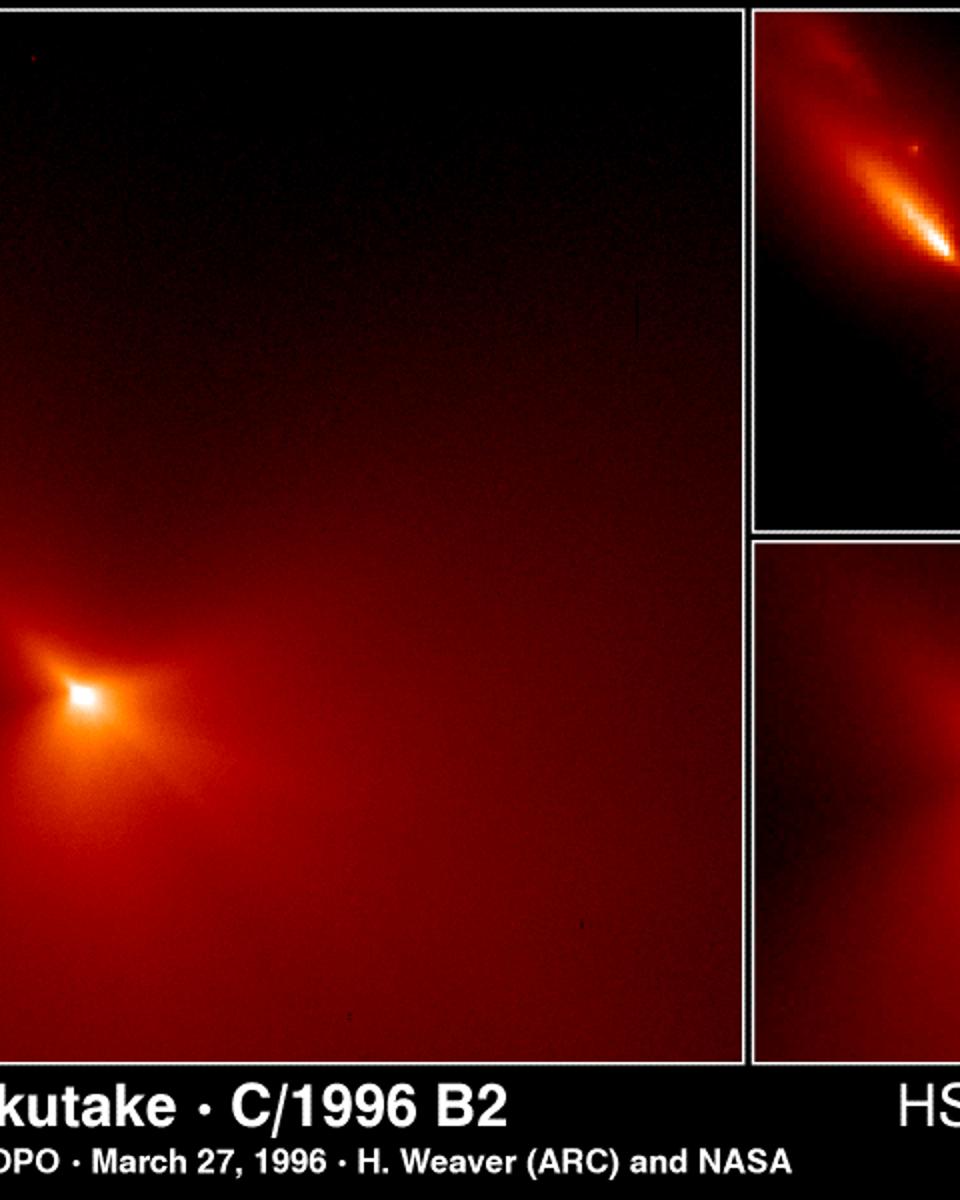
Near the Nucleus of Hyakutake
NASA's Hubble Space Telescope captured this image of the near-nuclear region of Comet Hyakutake on March 25 as the comet approached within 9.3 million miles of the Earth. It…
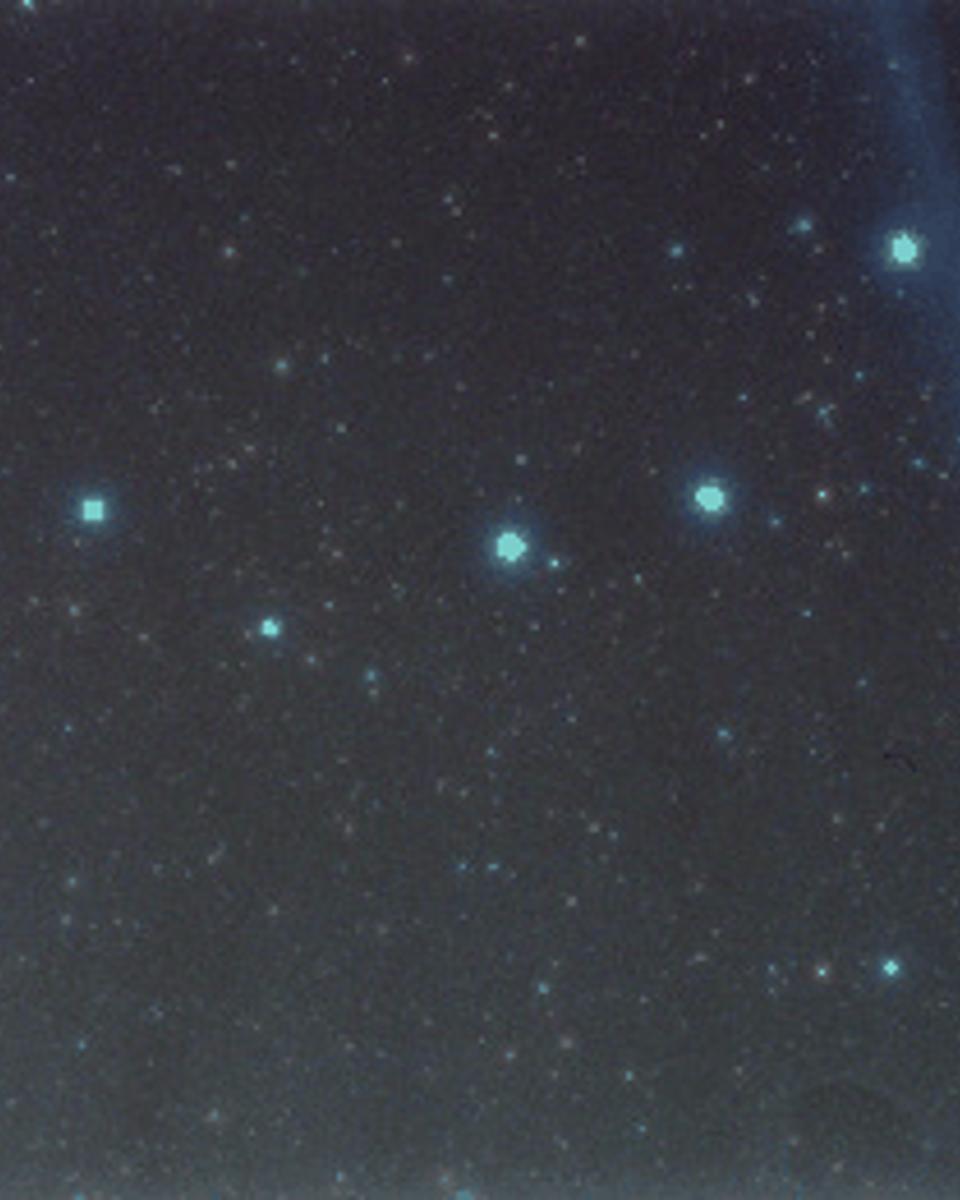
How Much is That Comet in the Window?
The above true-color photo taken March 25th shows Comet Hyakutake passing below the stars of the Big Dipper . Many astronomy enthusiasts delight in helping people in their local…
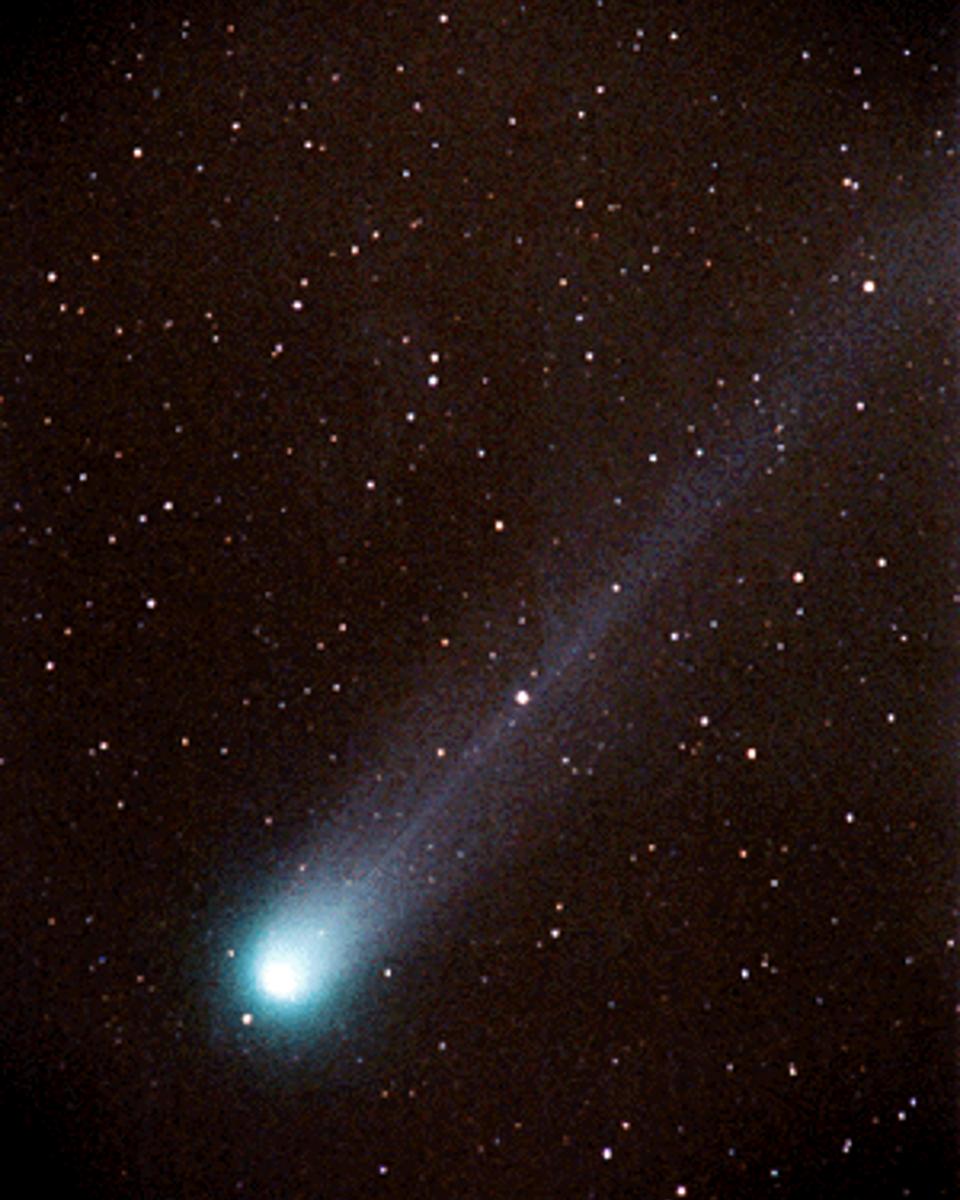
What are Comet Tails Made Of?
The tail of comet Hyakutake , visible in this recent color image , is composed of dust and gas driven off the icy comet nucleus by the Sun's heat and blown away by the solar wind.…
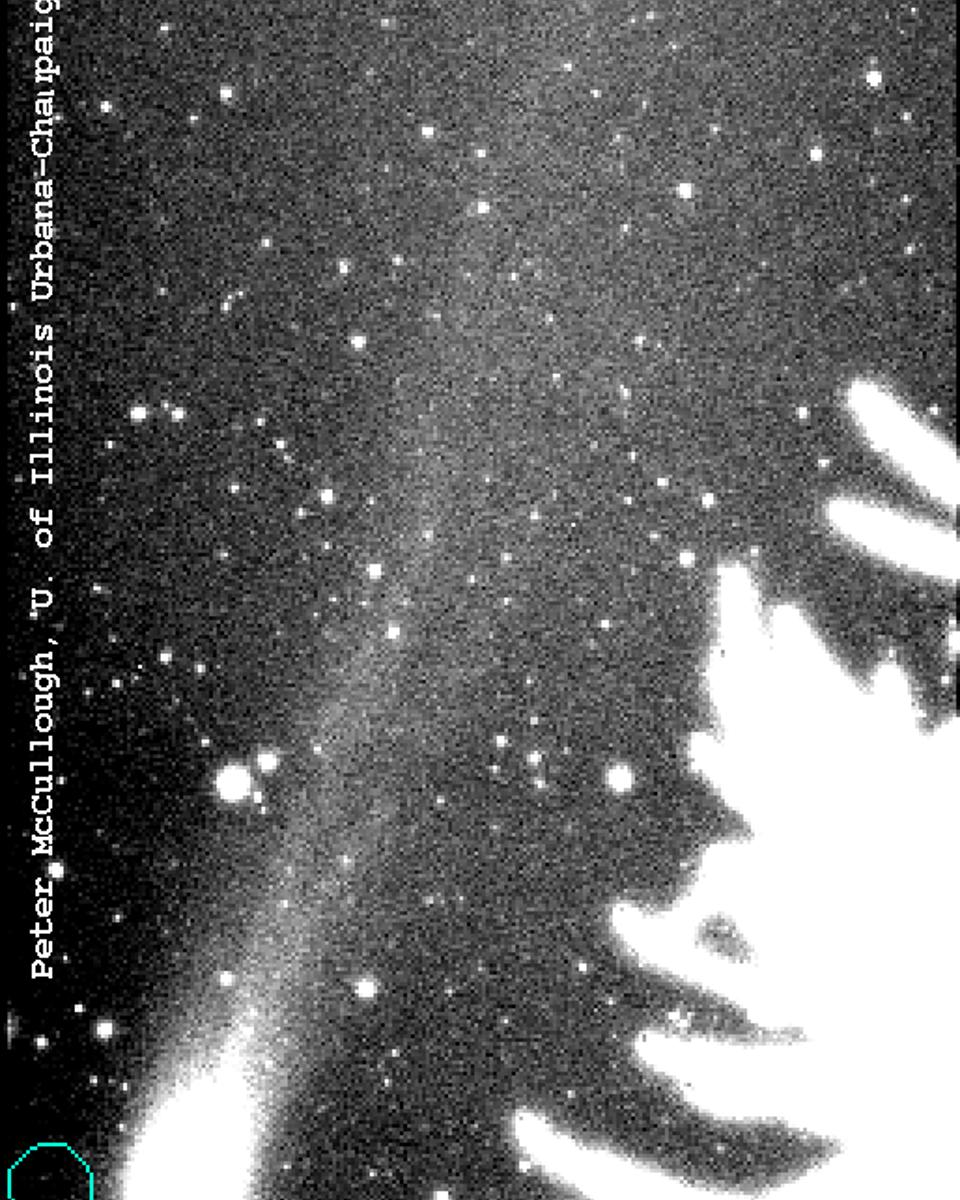
Comet Hyakutake Passes the Earth
This picture of Comet Hyakutake taken the night of March 21/22 in Illinois, USA shows the enormous tail that has already developed. The silhouette on the right is a foreground…
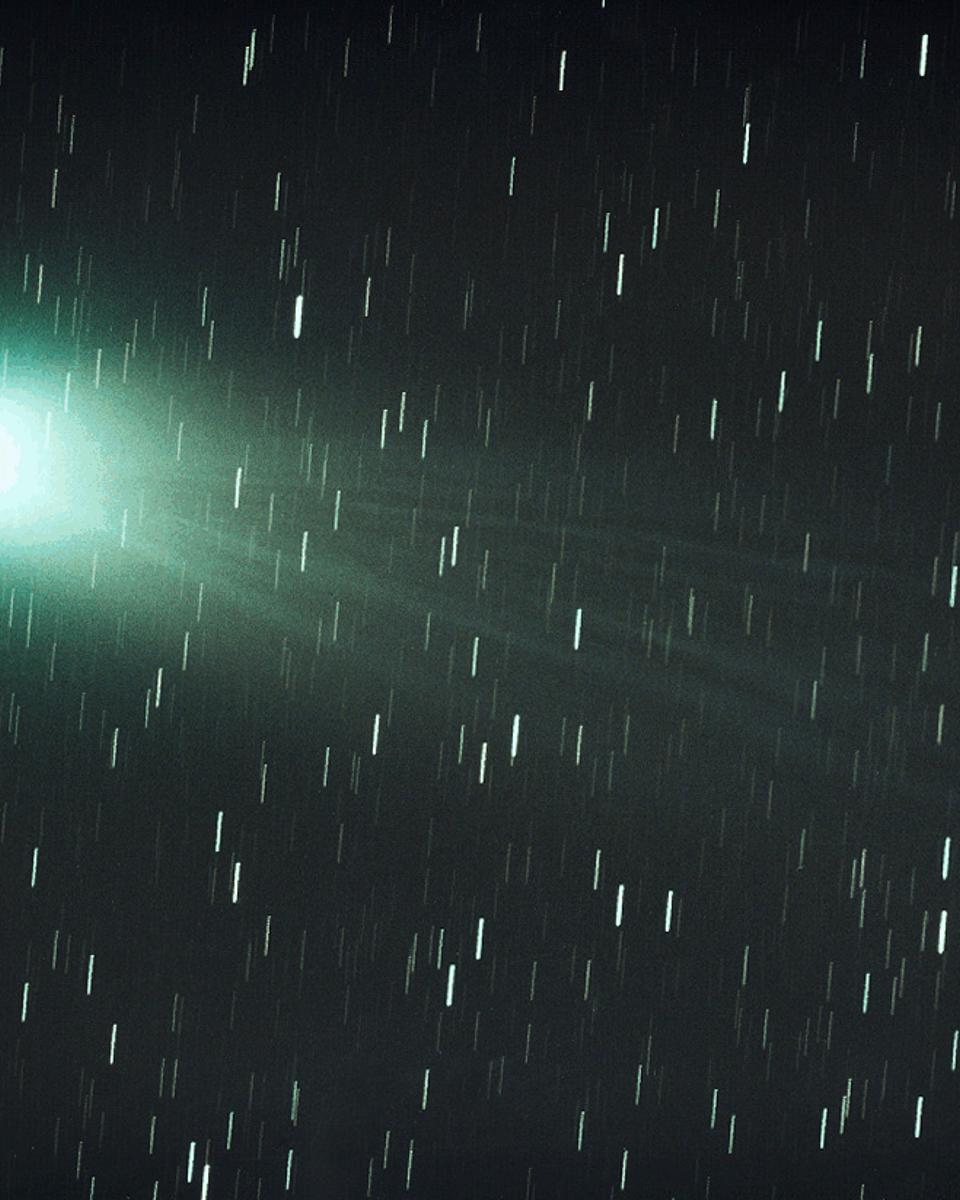
Comet Hyakutake's Closest Approach
The above true color image of Comet Hyakutake was taken the night of March 21/22. Tonight, Comet Hyakutake will make its nearest approach to Earth, closing to a mere 10 million…
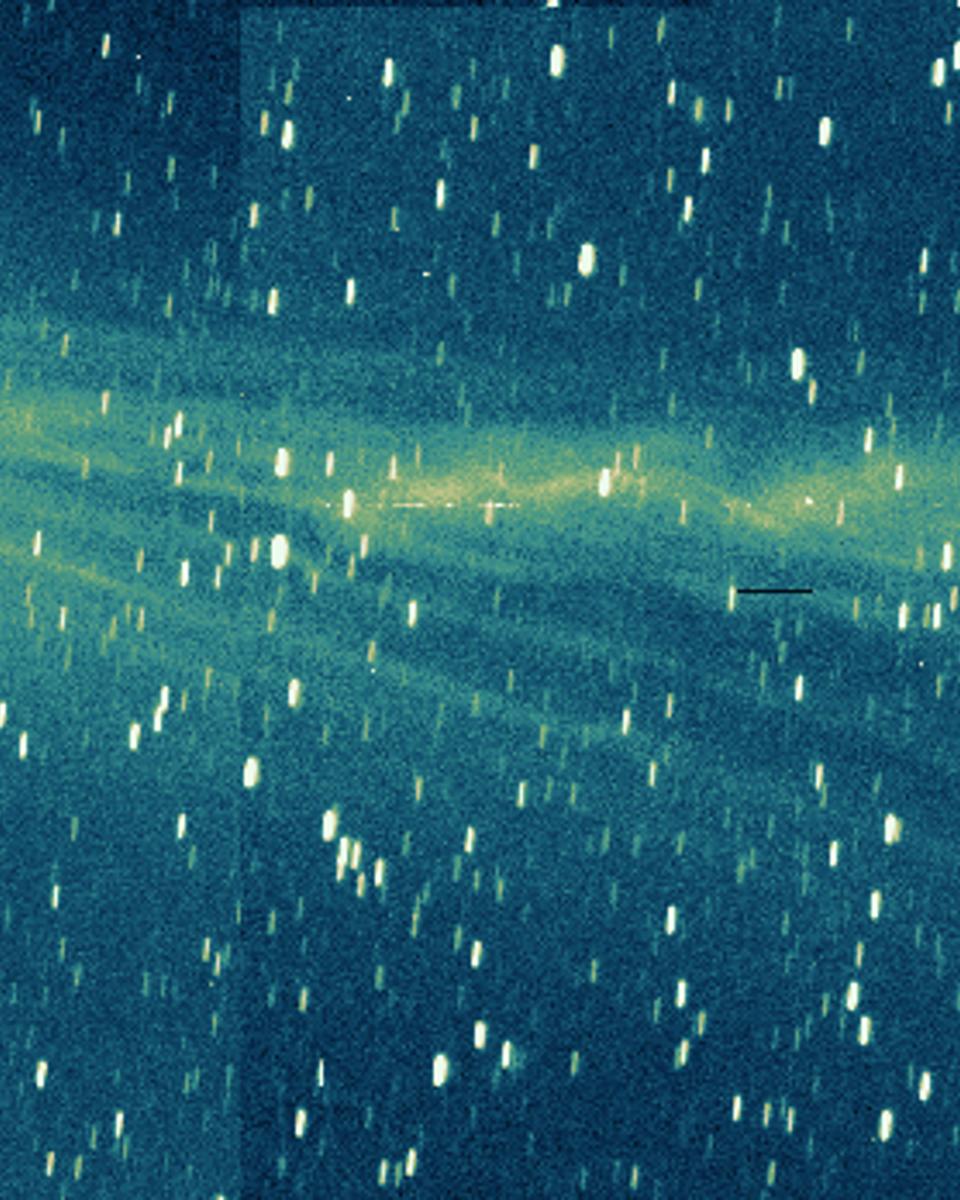
Comet Hyakutake's Past and Future
The above false-color picture of Comet Hyakutake taken just two days ago shows its rapidly developing tail. The comet now has a substantial coma with a bright center, lending it a…
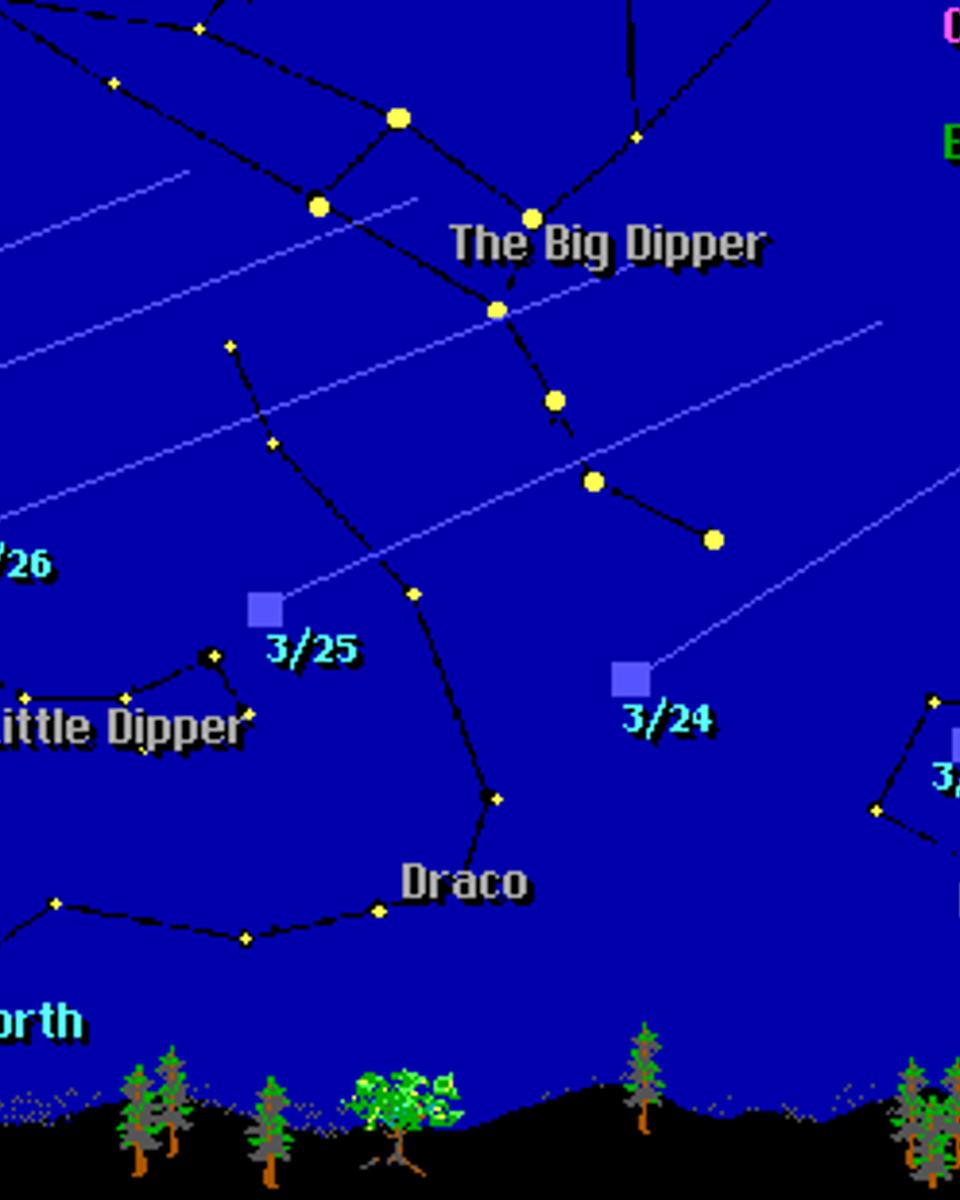
Where to See Comet Hyakutake
People the world over are preparing to witness the closest approach of the brightest comet of the past twenty years. Comet Hyakutake , discovered just two months ago, will pass…
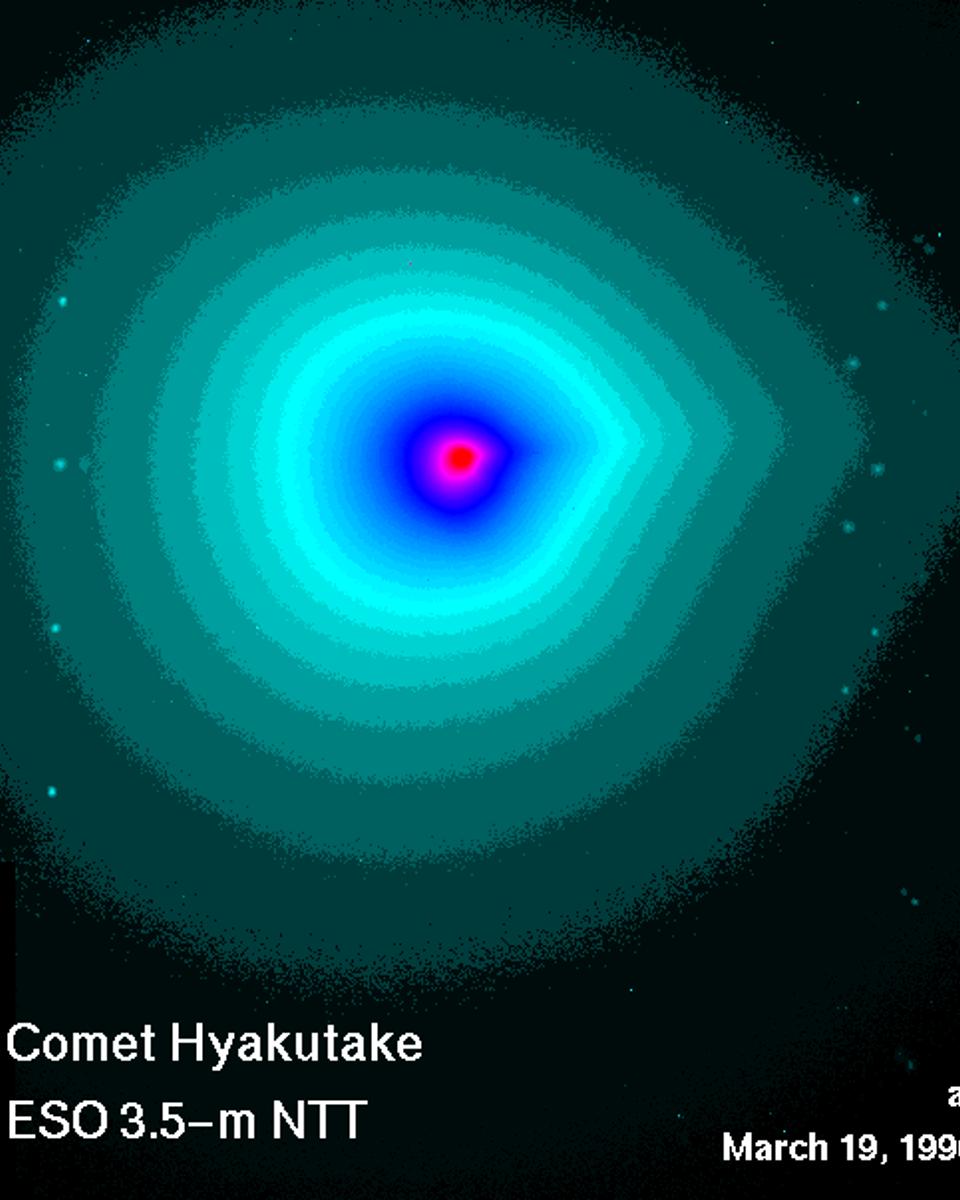
Near Comet Hyakutake's Nucleus
This March 19th false-color picture of Comet Hyakutake from one of the most sophisticated ground based telescopes captures the area surrounding the comet's nucleus . A comet's…
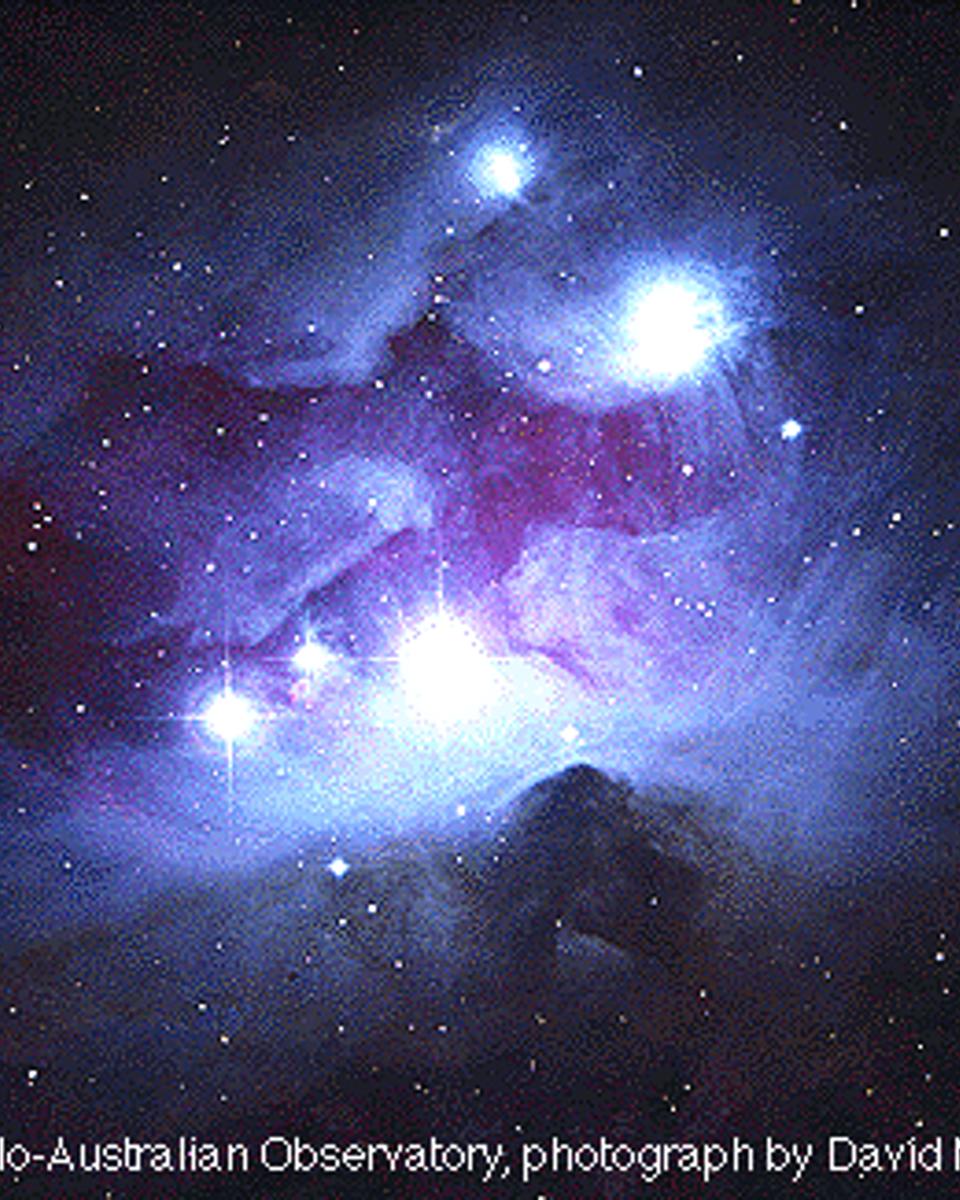
NGC 1977: Blue Reflection Nebula in Orion
The Orion Nebula is visible to the unaided eye as a fuzzy patch near the famous belt of three stars in the constellation Orion. The above picture captures a part of the Orion…
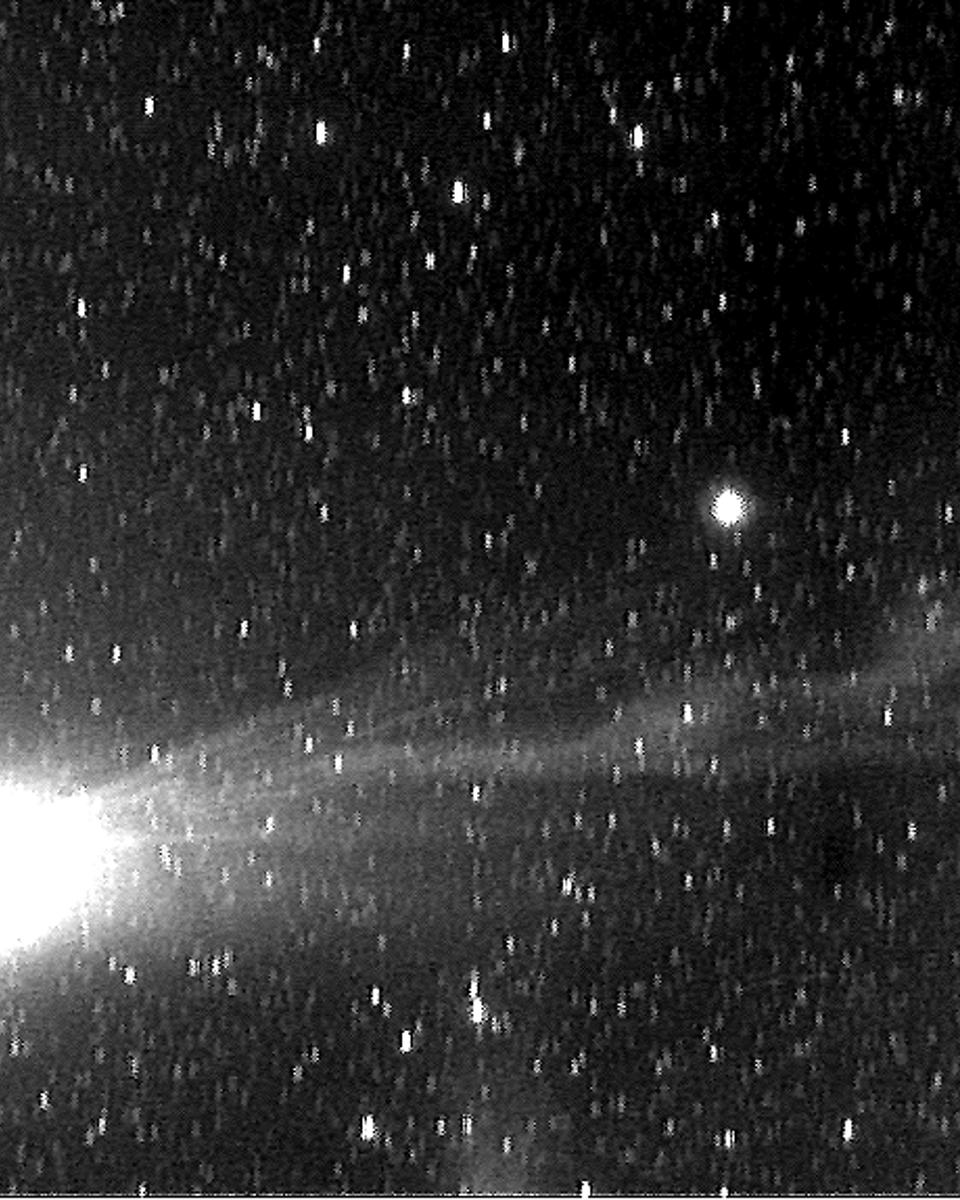
The Ion Tail of Comet Hyakutake
This picture of Comet Hyakutake was taken on March 14, 1996. Structure in the ion tale of Comet Hyakutake is now clearly visible. An ion tale forms as a comet nears the Sun .…
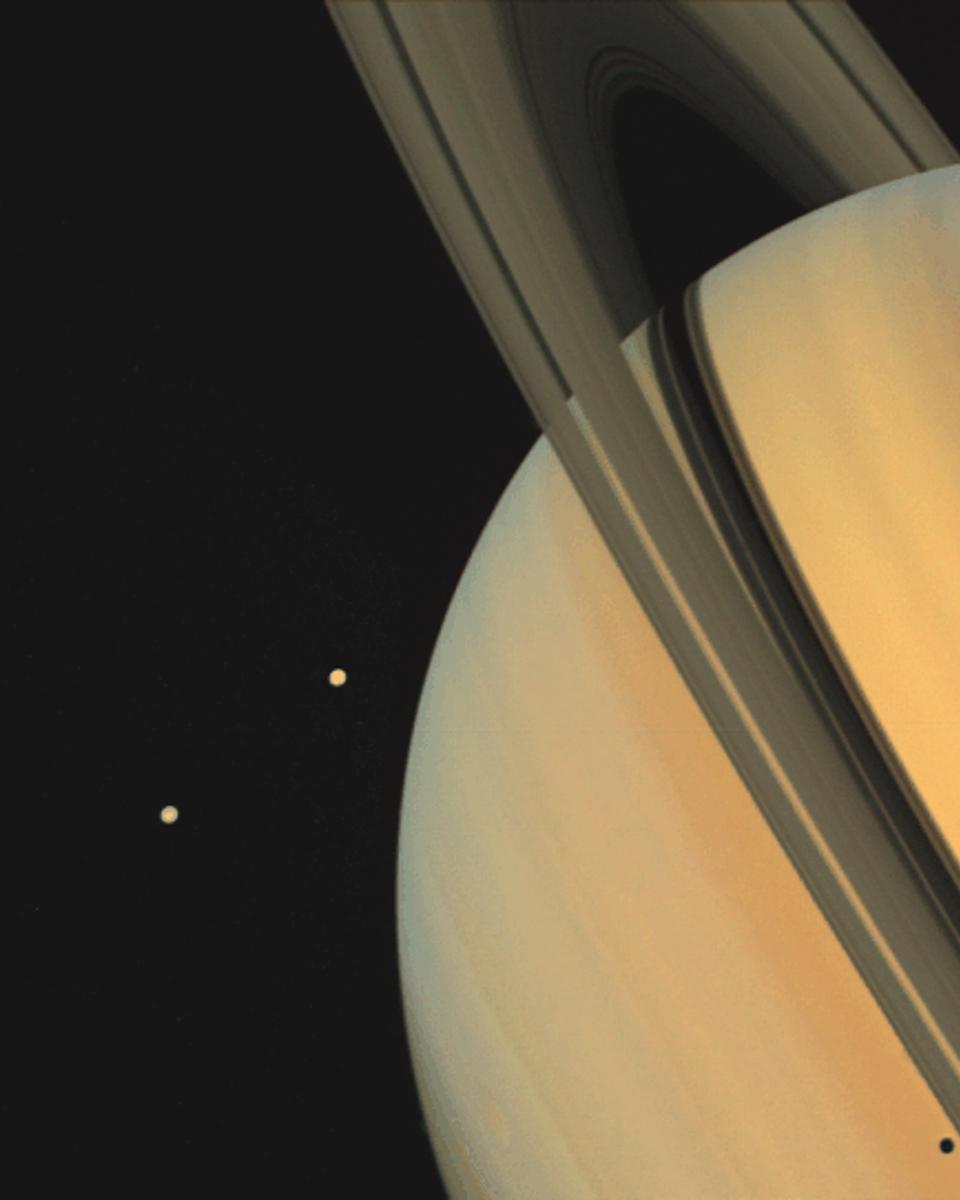
Saturn with Moons Tethys and Dione
Saturn and two of its larger moons - Tethys and Dione - were photographed by the Voyager 1 spacecraft which flew by the planet in November of 1980. This picture gives an…
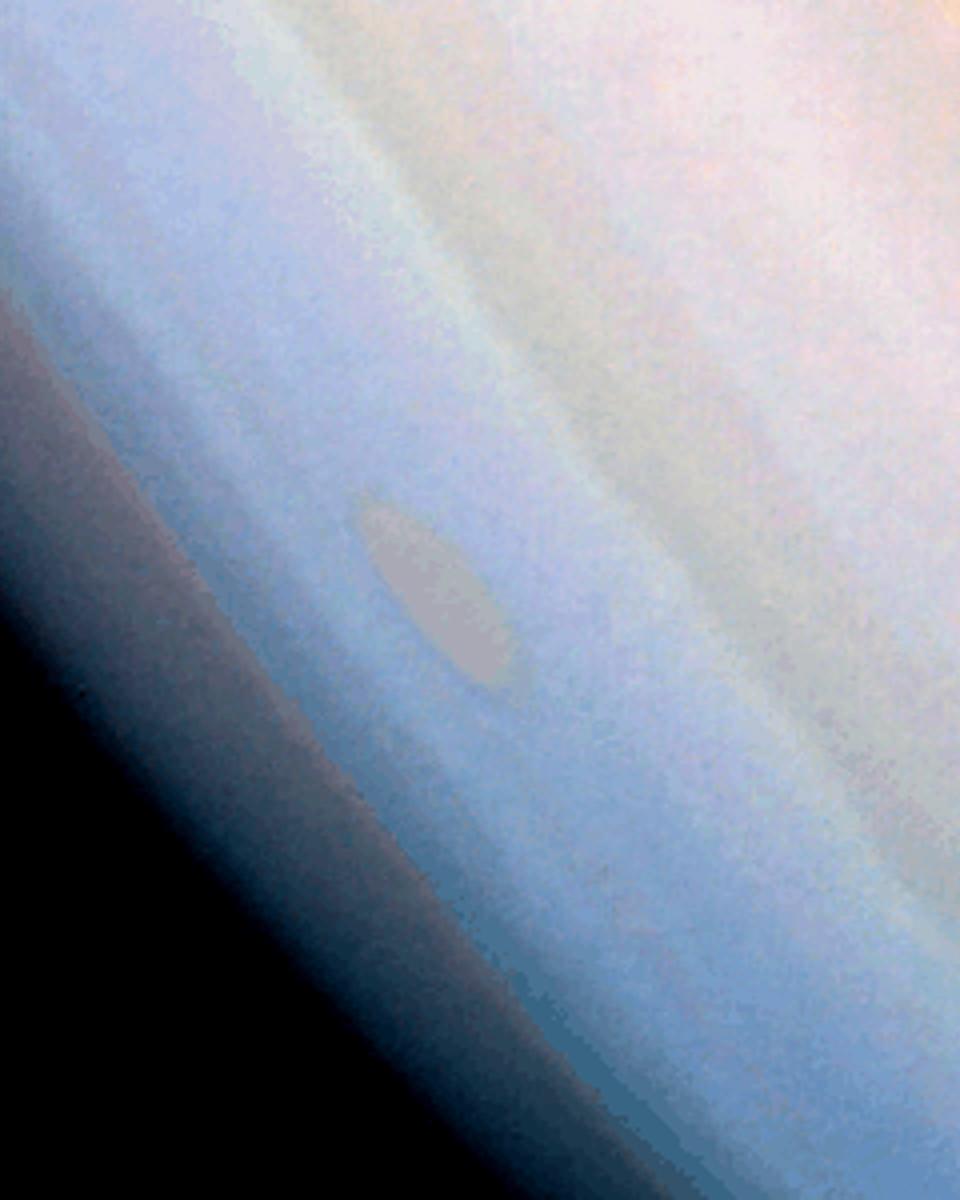
Saturn's Cloud Tops
This close-up of the tops of Saturn 's clouds was taken by the Voyager 1 robot spacecraft as it passed the giant planet in November 1980. Saturn's clouds are mostly composed of…
Viewing discoveries from 9 April 1996 through 17 March 1996.