Browse NASA Astronomy Picture of the Day archive by date and media: Archive Discoveries
Browse the NASA APOD archive without needing the exact date first. Filter by media type and keep moving deeper into older images and videos.
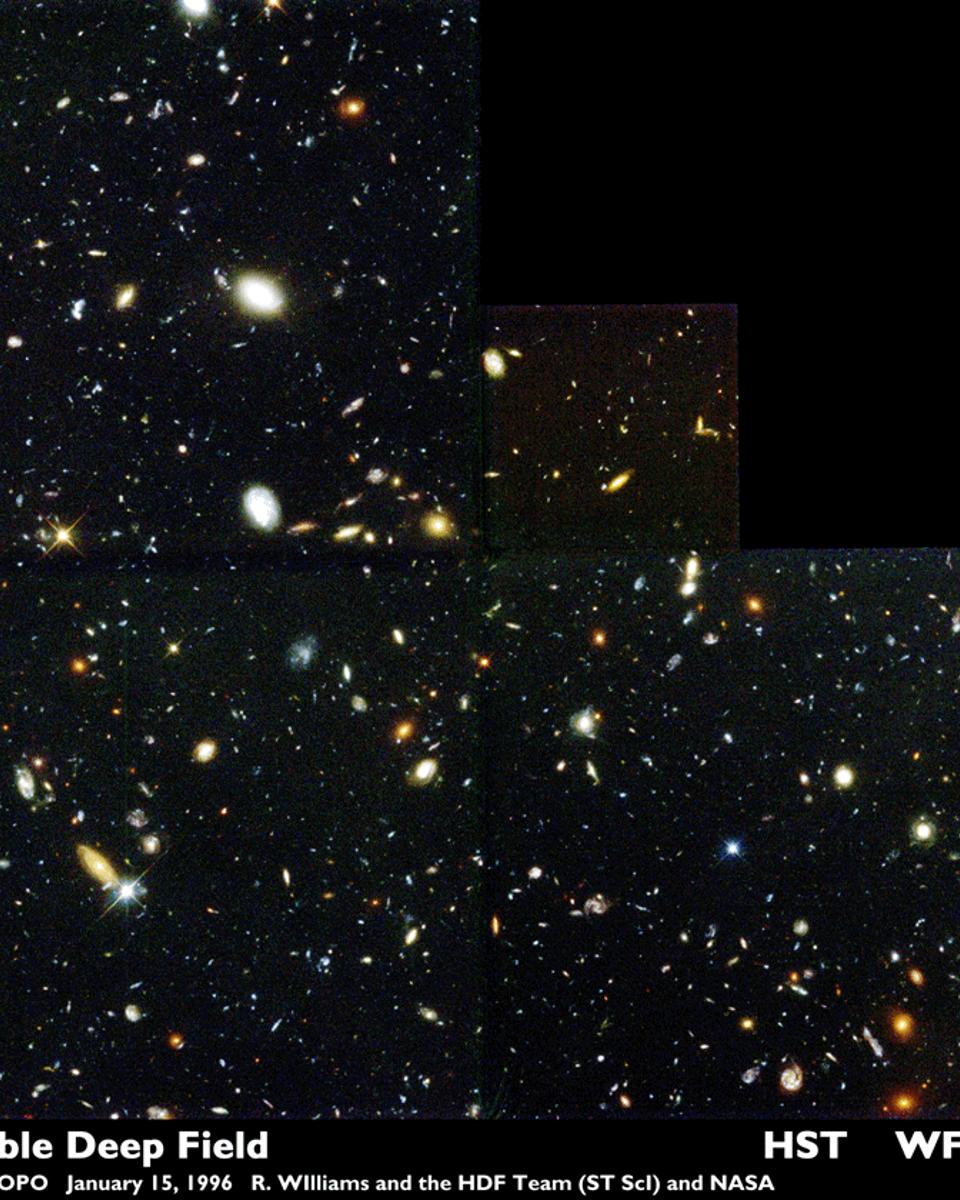
The Deep Field
The image above is part of the Hubble Deep Field and represents humanity's most distant yet optical view of the Universe . Galaxies like colorful pieces of candy fill the field,…
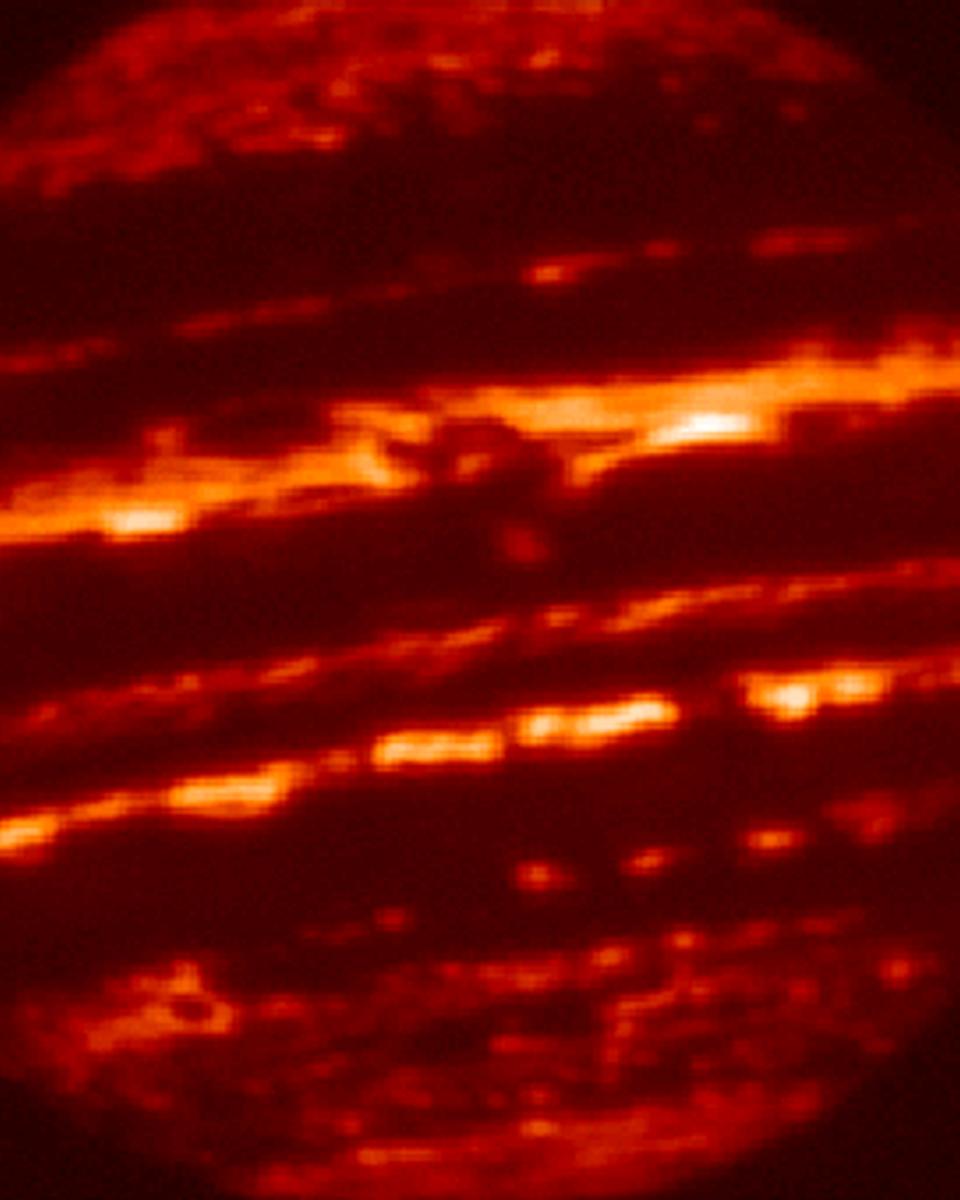
Beneath Jupiter's Clouds
This near-infrared image of Jupiter was made using instrumentation at NASA's Infrared Telescope Facility, located on the summit of Mauna Kea, Hawaii , in support of the Galileo…
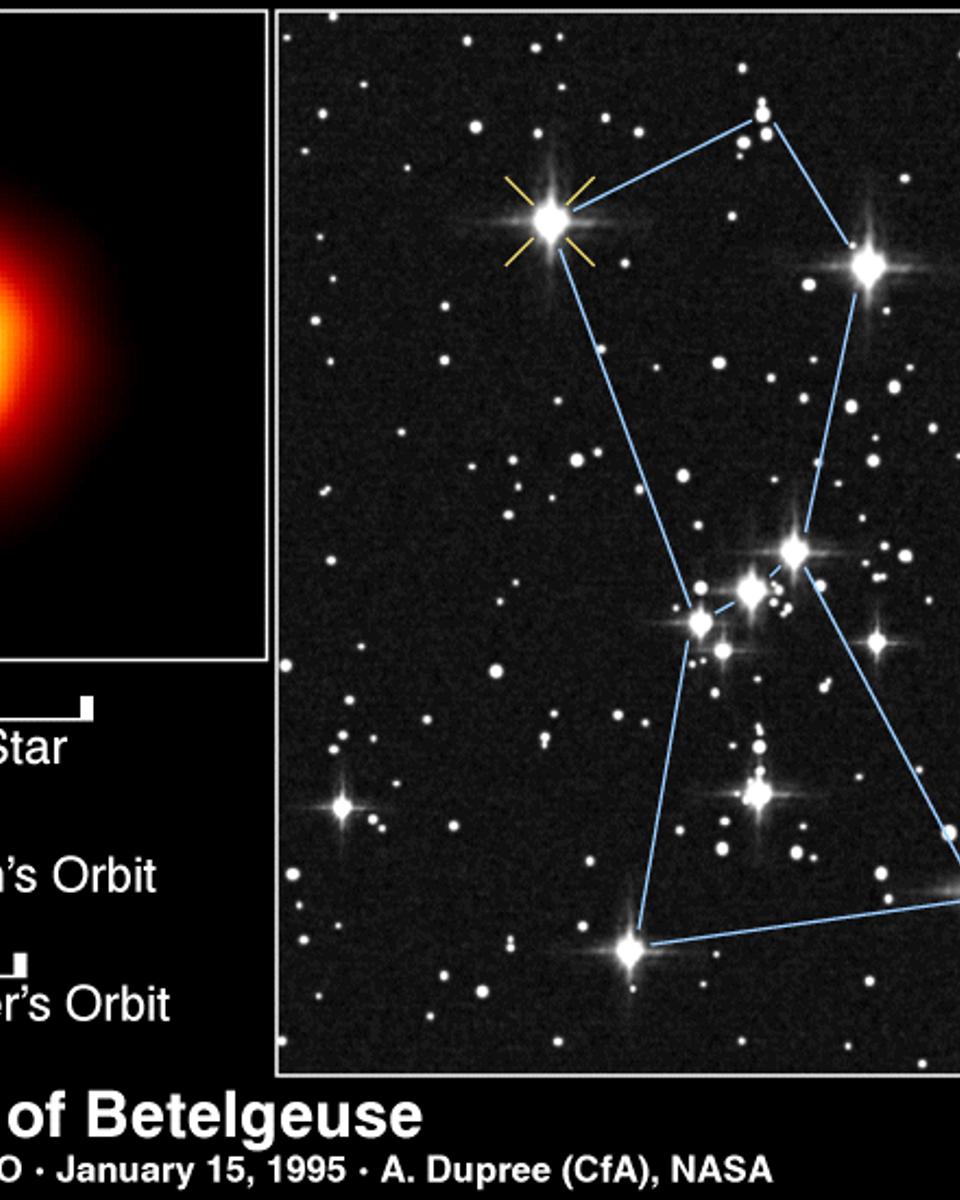
Betelgeuse, Betelgeuse, Betelgeuse
Betelgeuse (sounds a lot like “beetle juice”), a red supergiant star about 600 lightyears distant, is shown here in this Hubble Space Telescope image which represents the first…
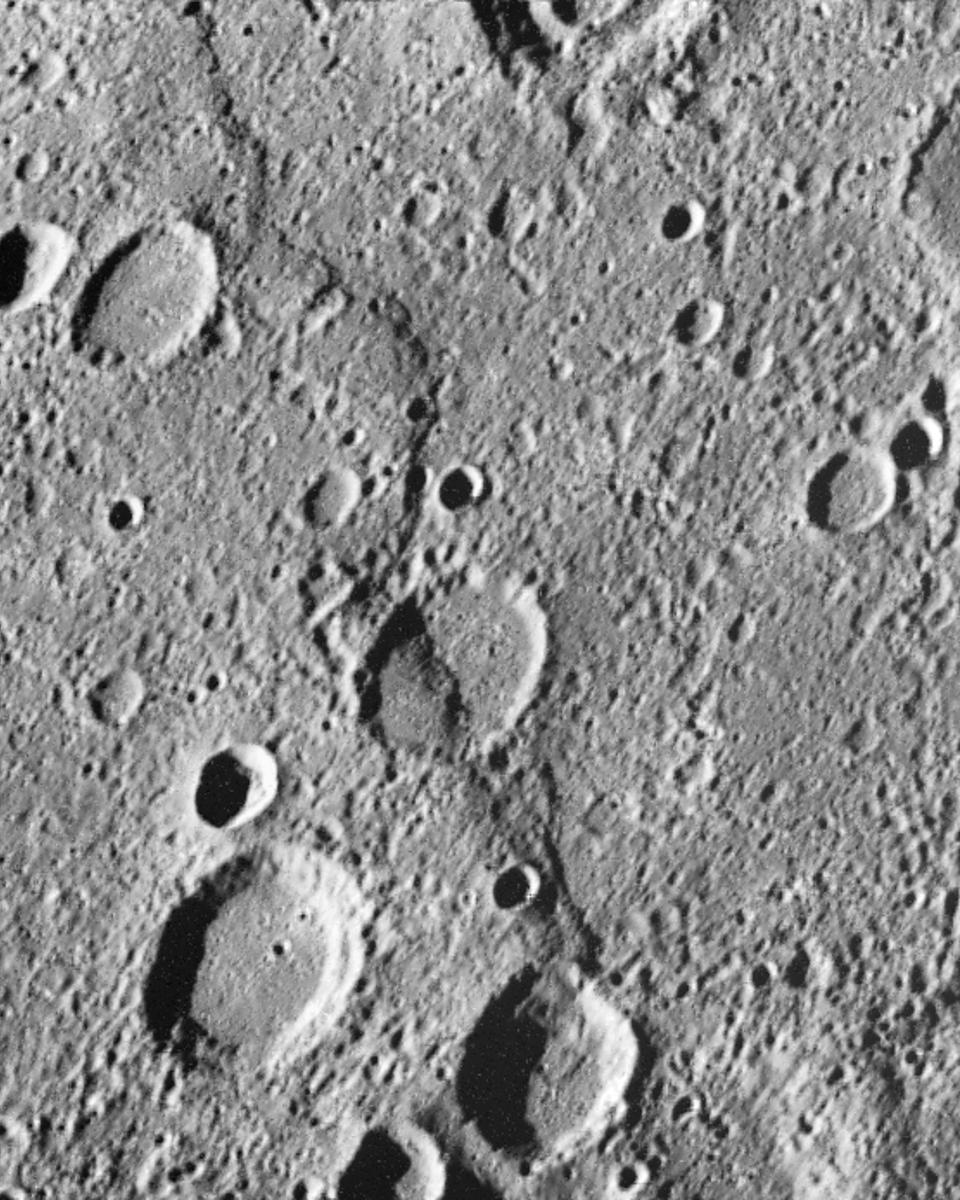
Mercury's Faults
The surface of the planet Mercury is not without fault. In this case, however, “fault” refers to unusual surface features that are the topic of much speculation. The above fault…
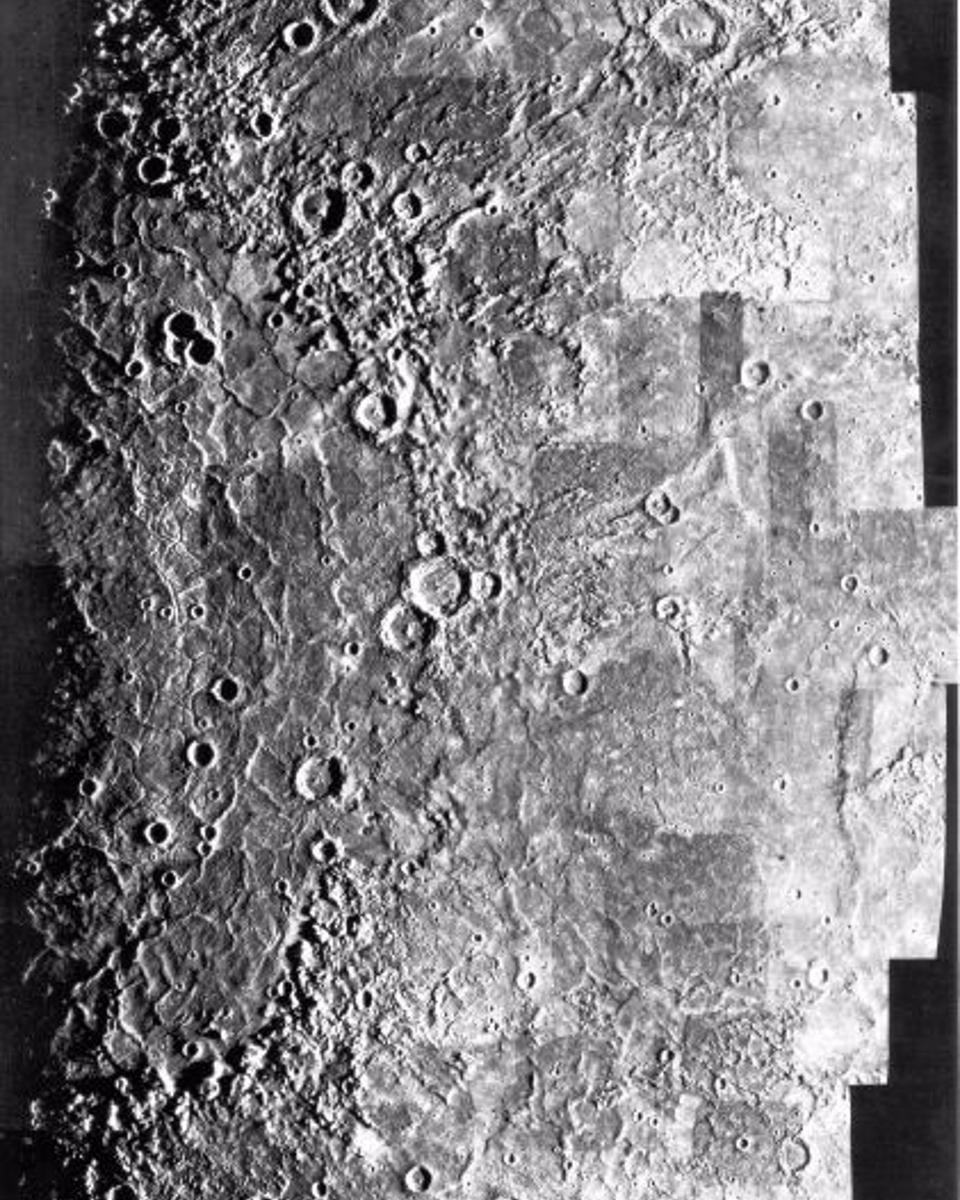
Mercury's Caloris Basin
Mercury , the closest planet to the Sun , has a surface with so many craters it resembles the Earth 's Moon . The largest surface feature on Mercury is the Caloris Basin, which…
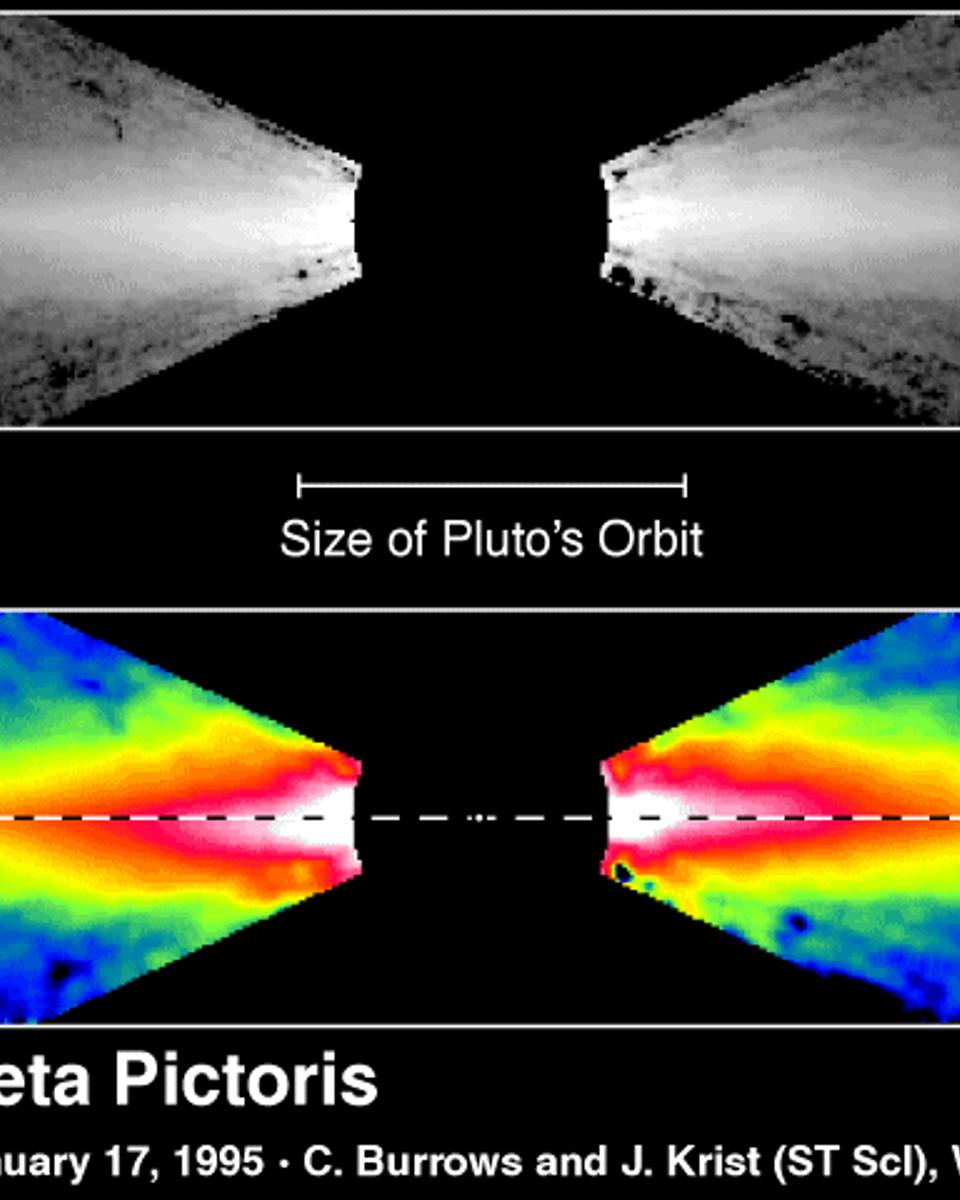
The Dusty Disk of Beta Pic
This dusty disk , viewed edge on surrounding Beta Pictoris , a star only 50 lightyears distant, may signal the presence of an infant solar system. Beta Pictoris is a young…
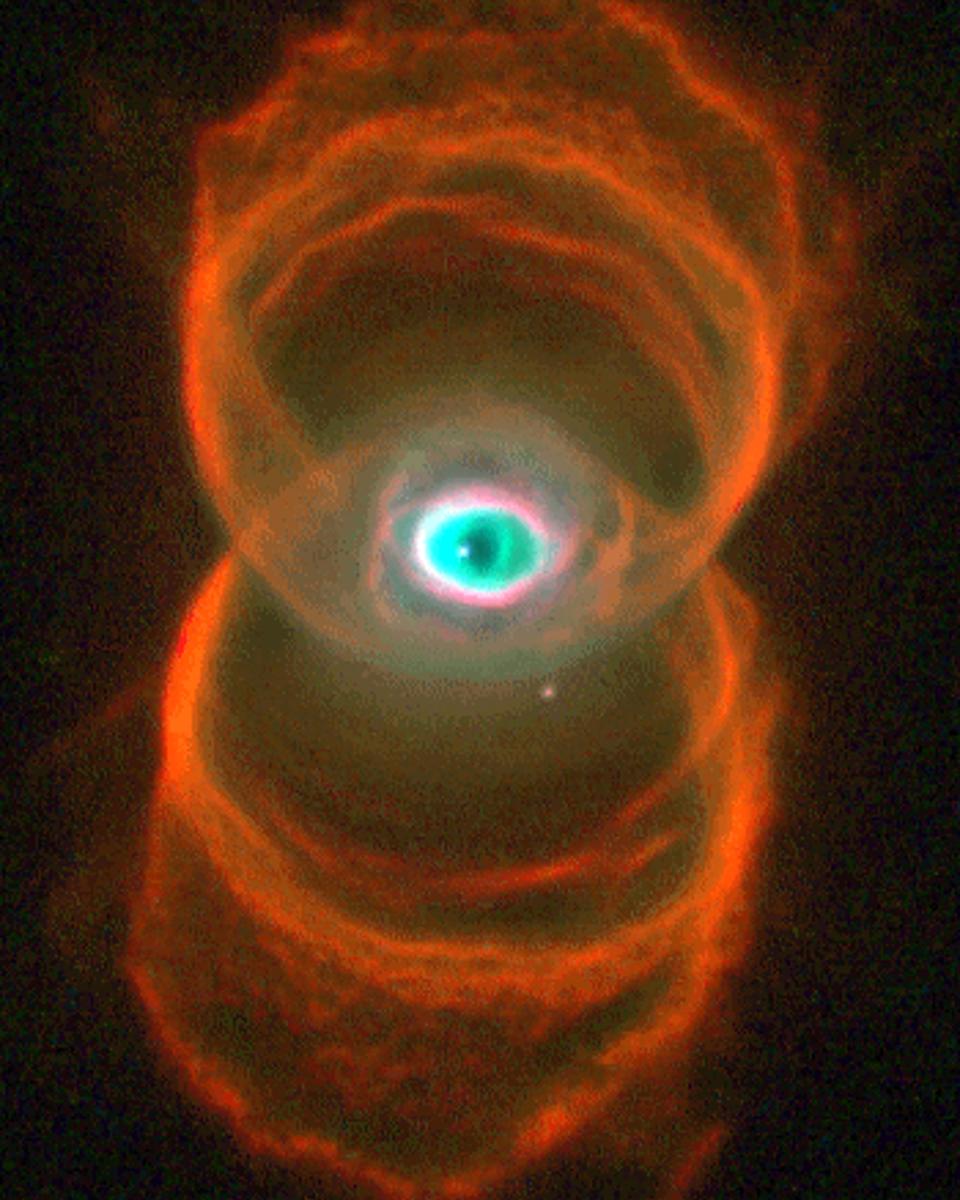
MyCn18: An Hourglass Nebula
The sands of time are running out for the central star of this hourglass-shaped planetary nebula . With its nuclear fuel exhausted, this brief, spectacular, closing phase of a…
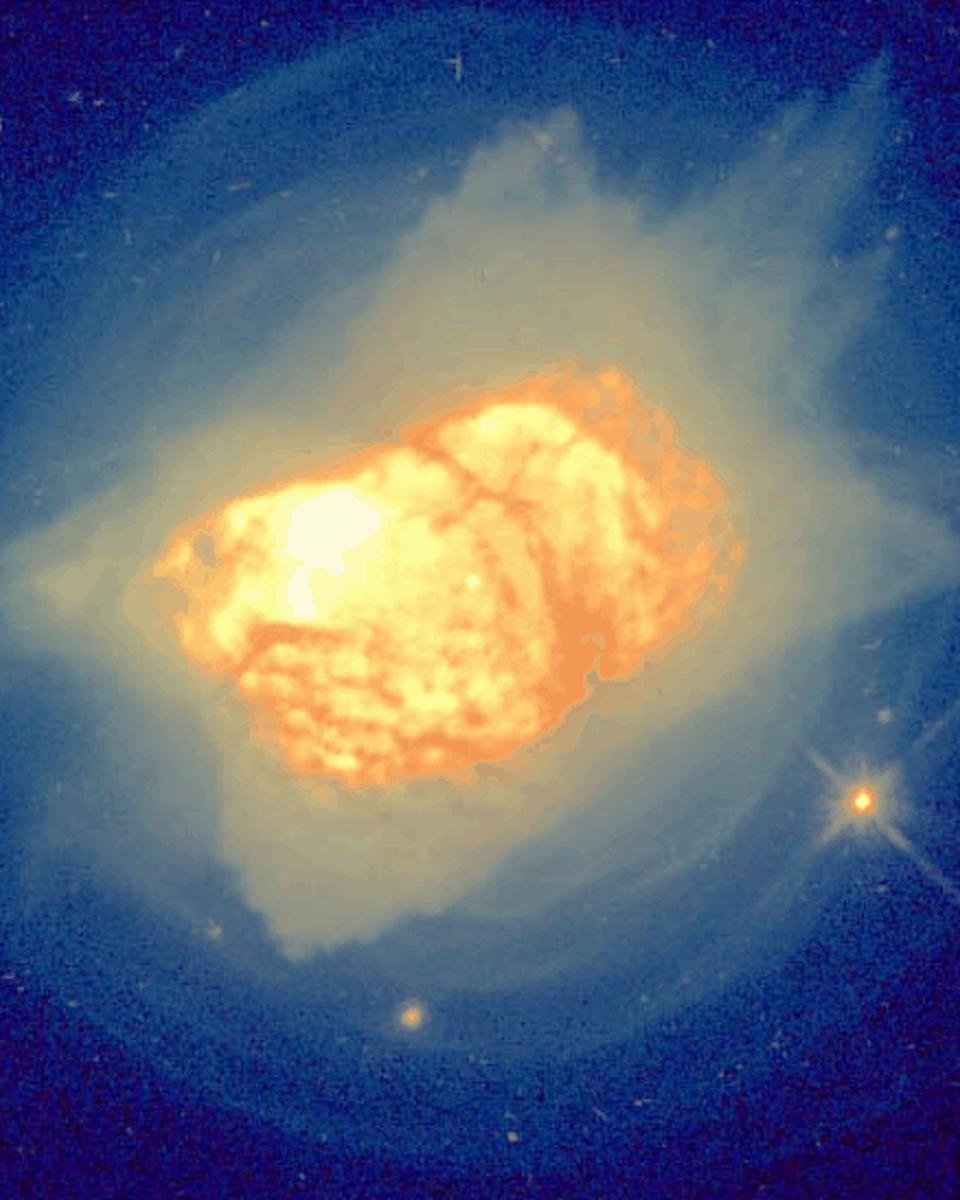
NGC 7027: A Dying Star's Nebula
This pseudo-color composite of two recent Hubble Space Telescope images is a picture of a Sun-like star nearing the end of its lifetime . The exquisite details visible in this…
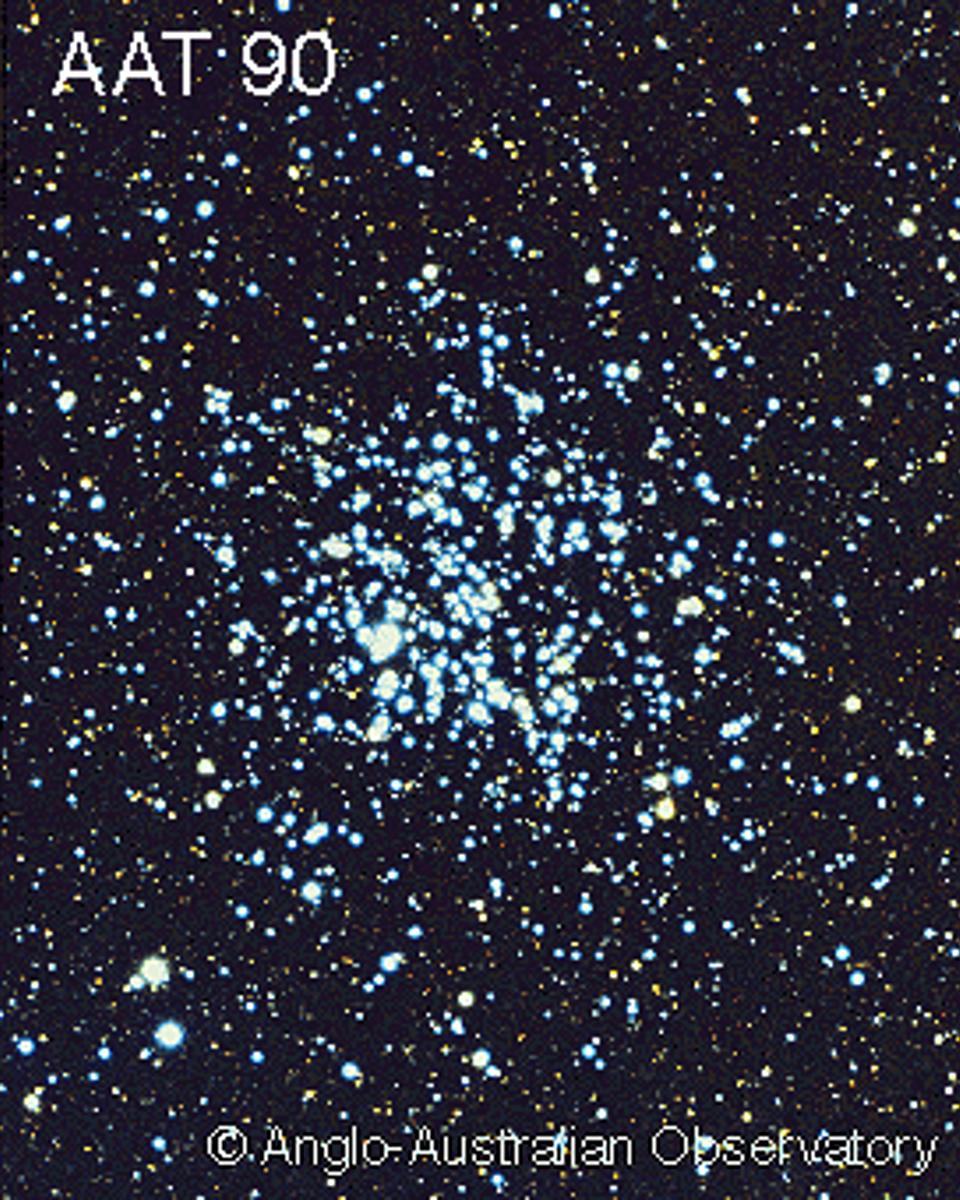
Wild Duck Open Cluster M11
Many stars like our Sun were formed in open clusters . The above open cluster, M 11, contains thousands of stars and is just over three thousand light years distant. The stars in…
The Dawn of the Clusters
What did the universe look like near the beginning? This exciting photo by the Hubble Space Telescope is one of the deepest ever taken, and shows galaxies as far away as ever…
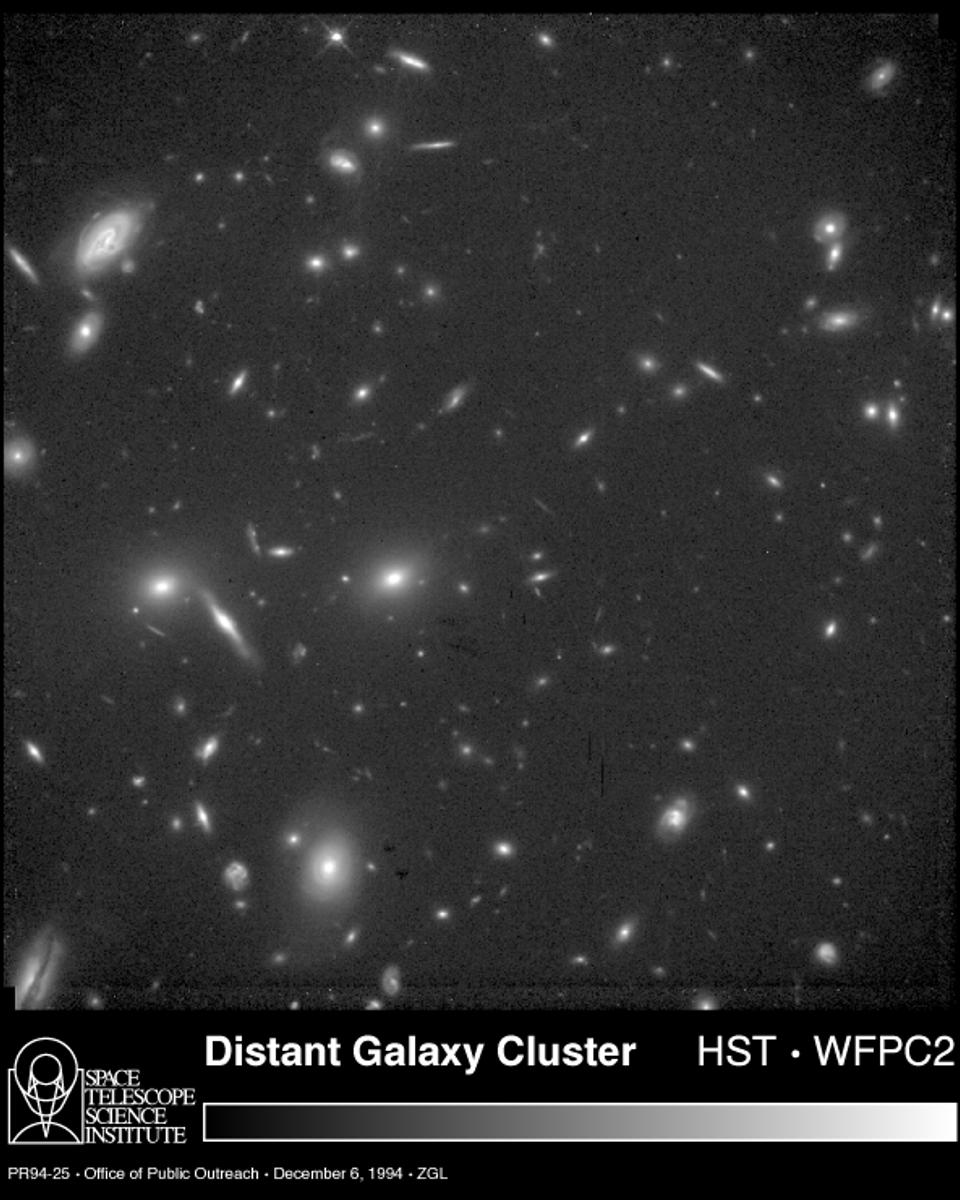
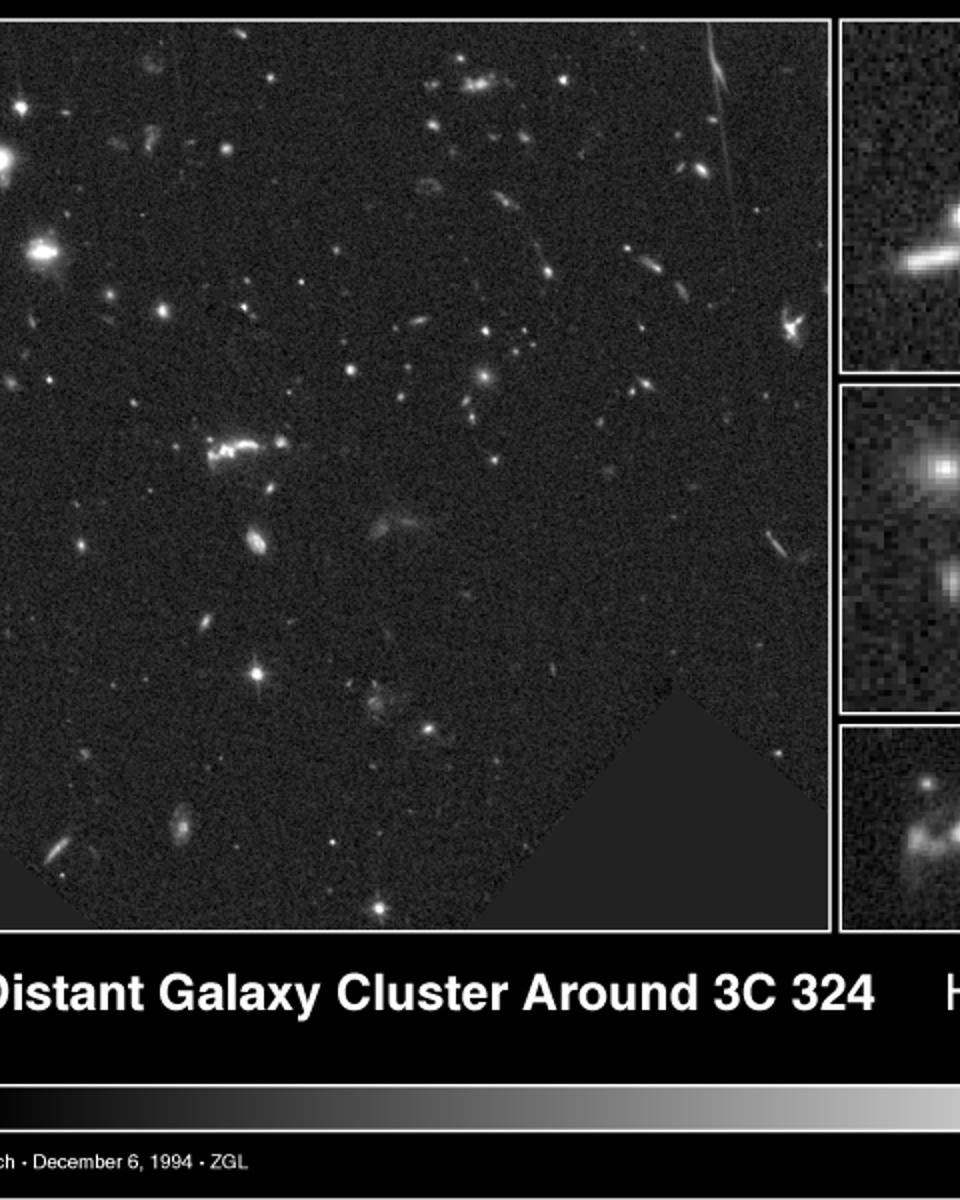
A Distant Cluster of Galaxies
Every bright object in this 1994 photograph by the Hubble Space Telescope is a galaxy . Oddly - most of the objects are spiral galaxies. This rich cluster of galaxies , named CL…
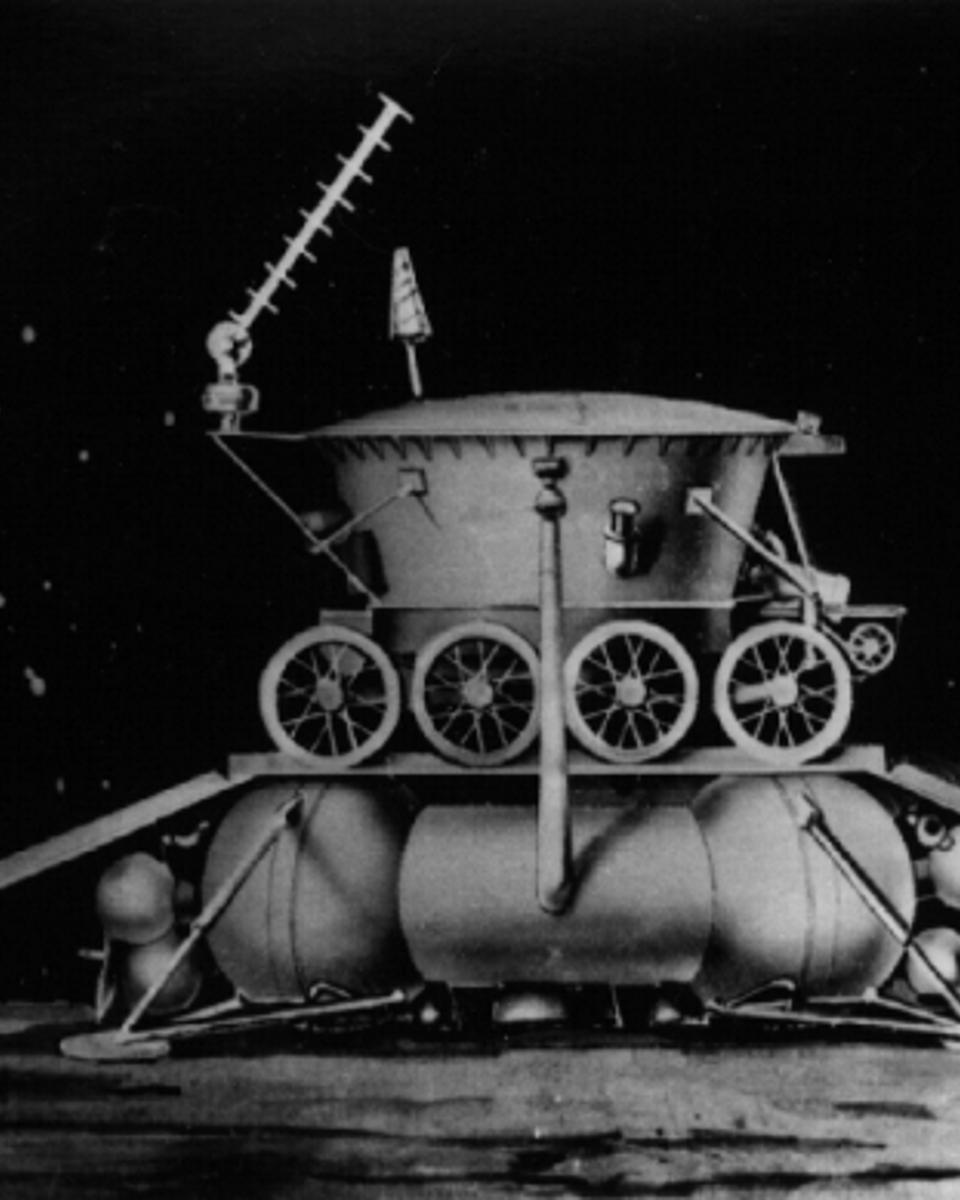
Lunokhod 1: Moon Robot
On November 17, 1970 the Soviet Luna 17 spacecraft landed the first roving remote-controlled robot on the Moon . Known as Lunokhod 1, it weighed just under 2,000 pounds and was…
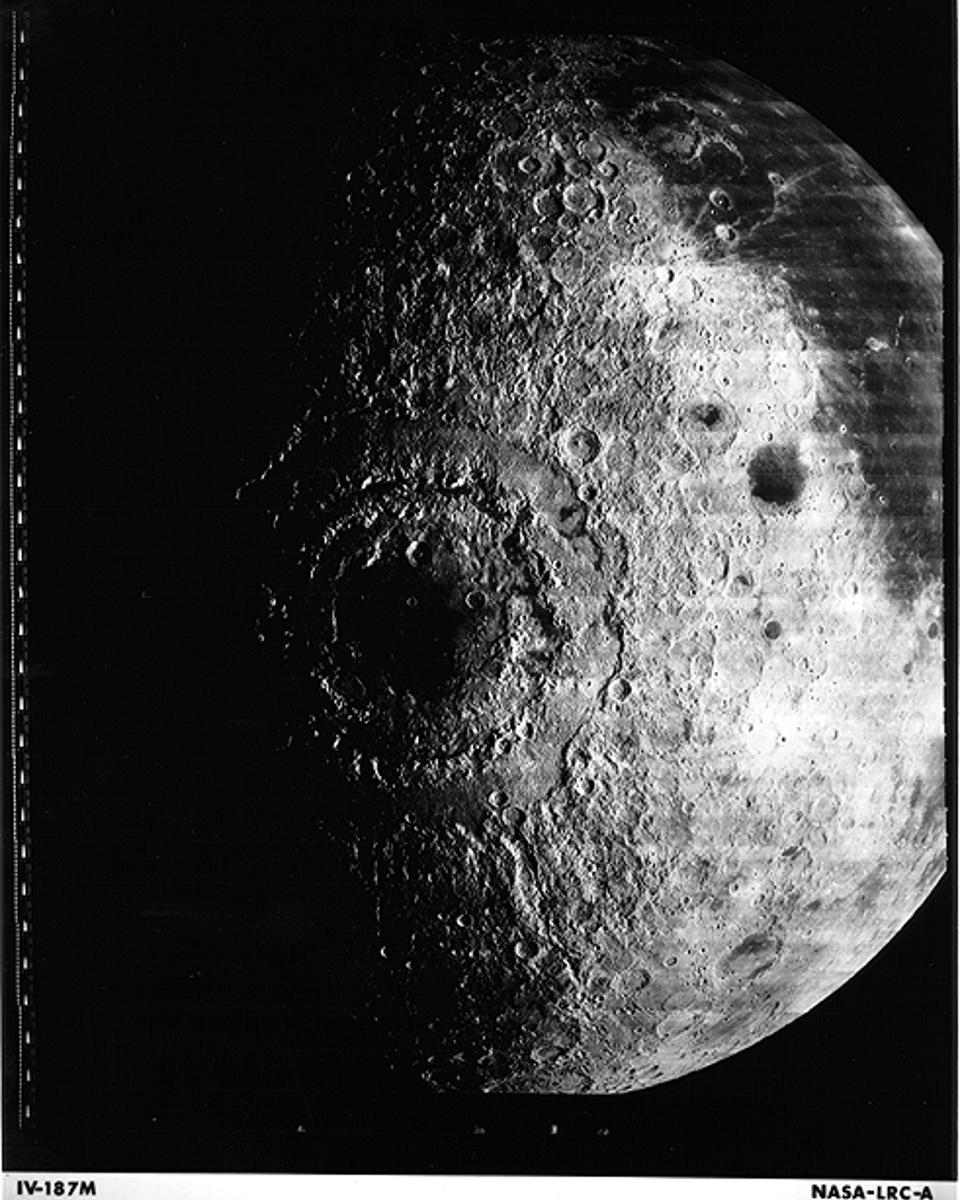
Mare Orientale
Looking like a target ring bull's-eye, the Mare Orientale is one of the most striking large scale lunar features. Located on the Moon 's extreme western edge, this impact basin is…
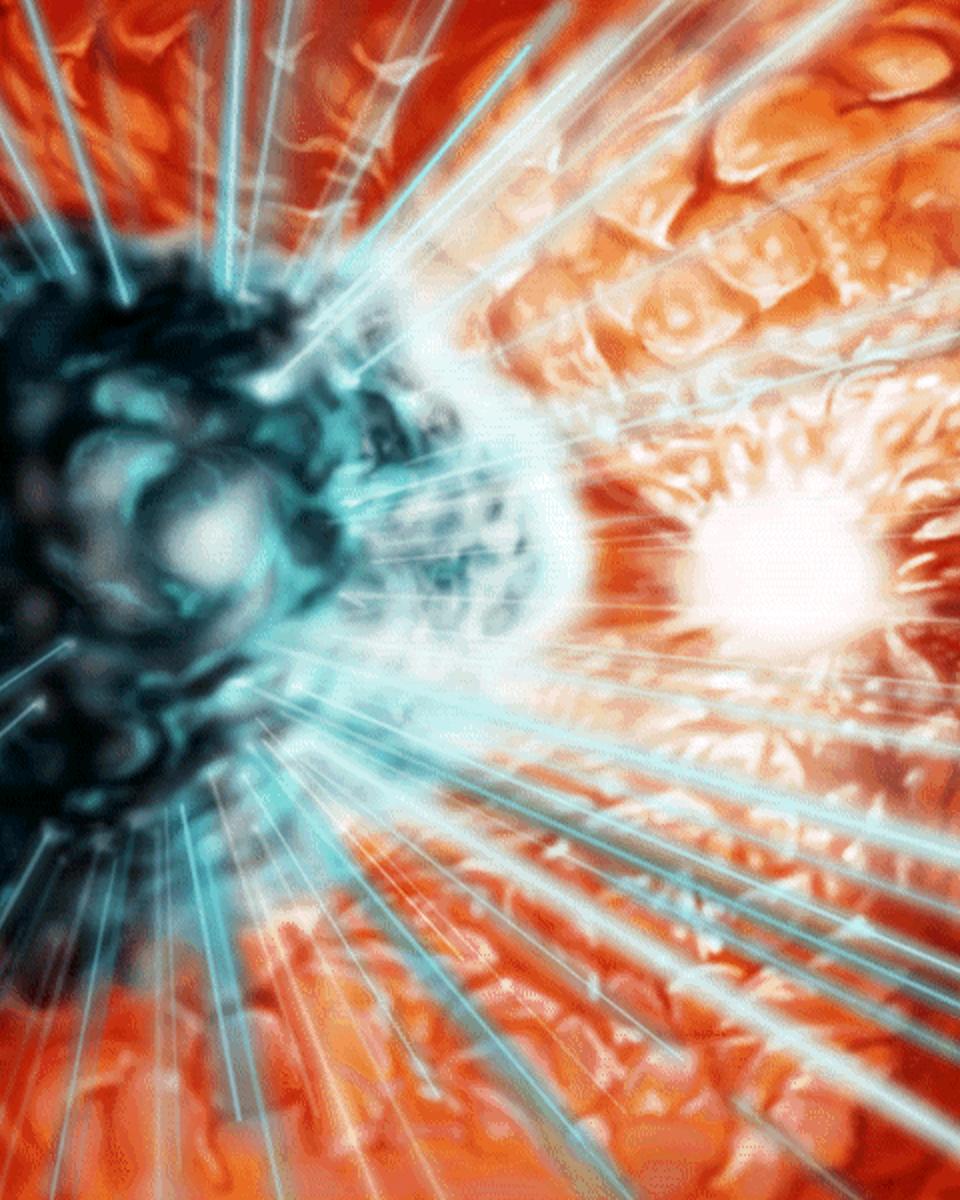
Lasers in Eta Carinae
Have you heard about the great LASER light show in the sky? Well, nobody had until it was announced just yesterday by a team led by K. Davidson ( U. Minnesota ) and S. Johansson (…
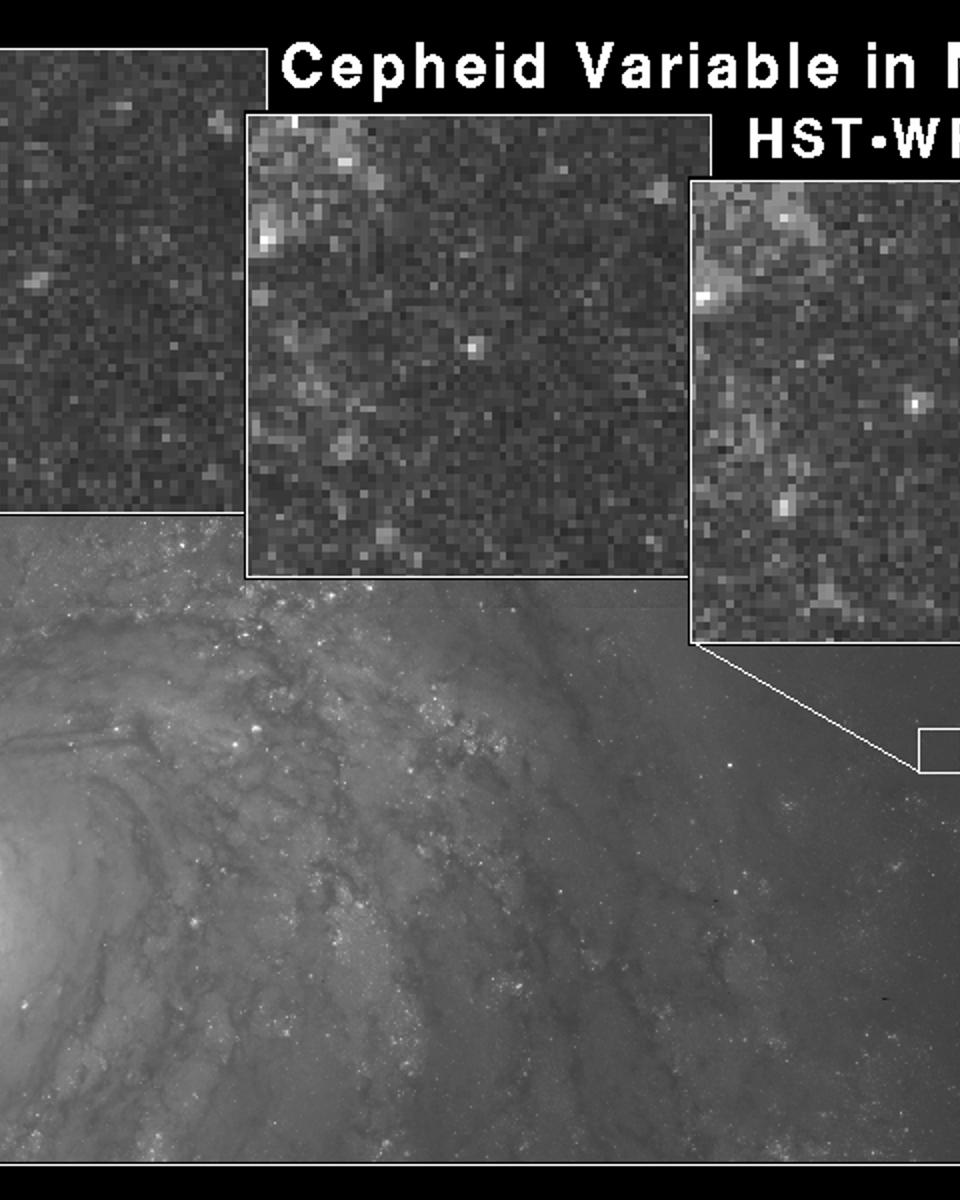
The Cepheids of M100
Can this blinking star tell us how fast the universe is expanding? Many astronomers also believe it may also tell us the age of the universe! The photographed “ Cepheid variable ”…
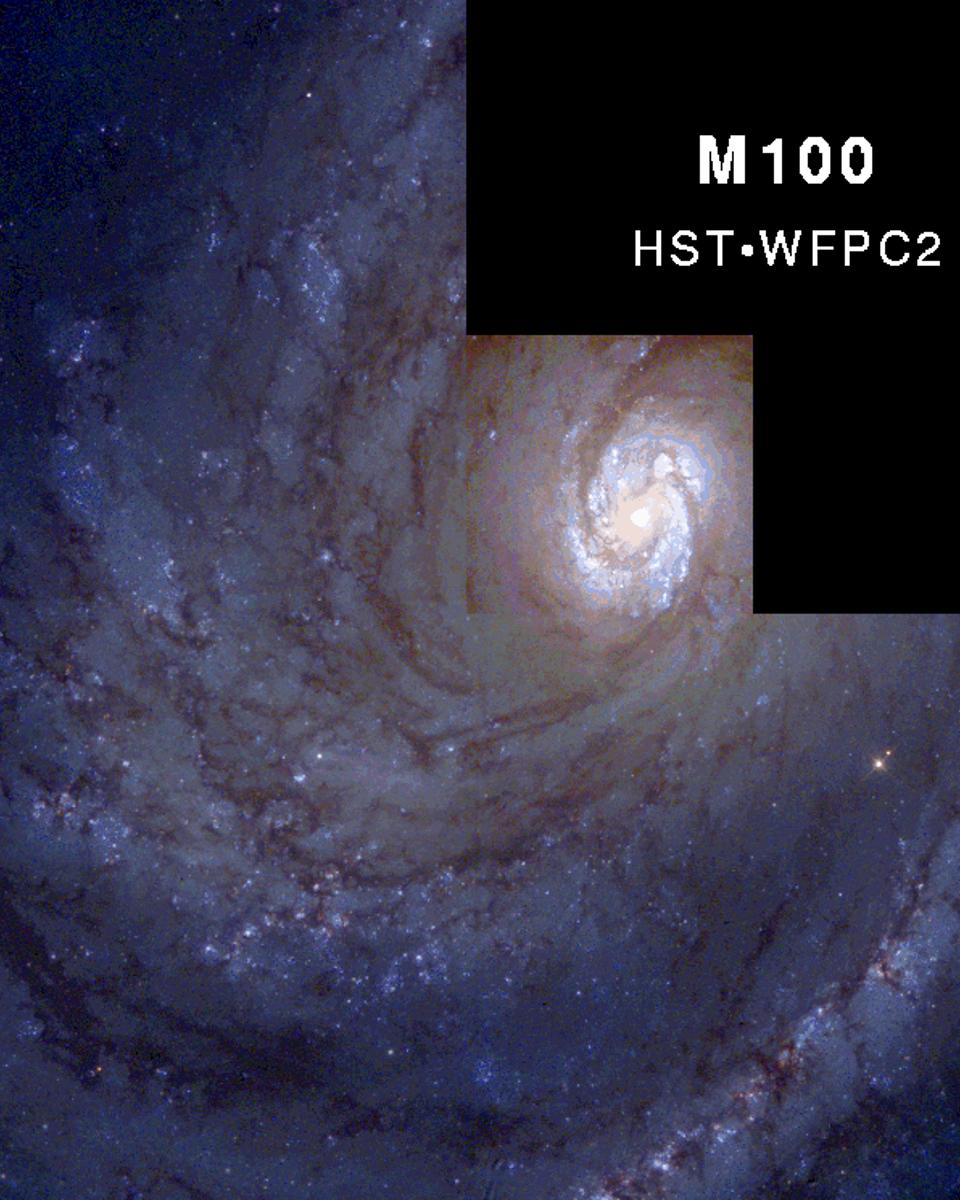
M100 and the Expanding Universe
The distance to the swirling grand design spiral M100 is causing quite a stir among astronomers. Many believe that the Hubble Space Telescope 's recent distance measurement to…
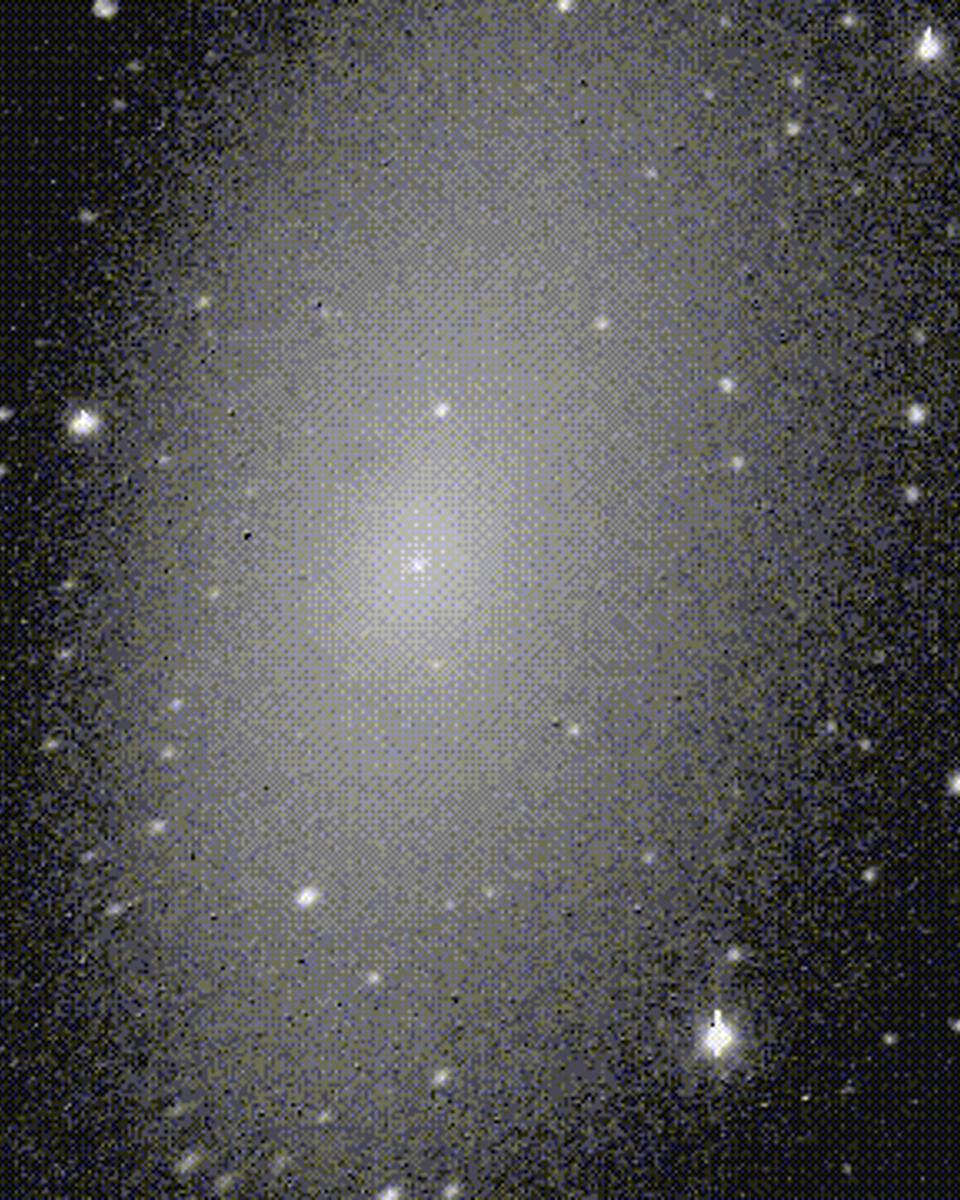
Local Group Galaxy NGC 205
The Milky Way Galaxy is not alone. It is part of a gathering of about 25 galaxies known as the Local Group . Members include the Great Andromeda Galaxy (M31), M32 , M33 , the…
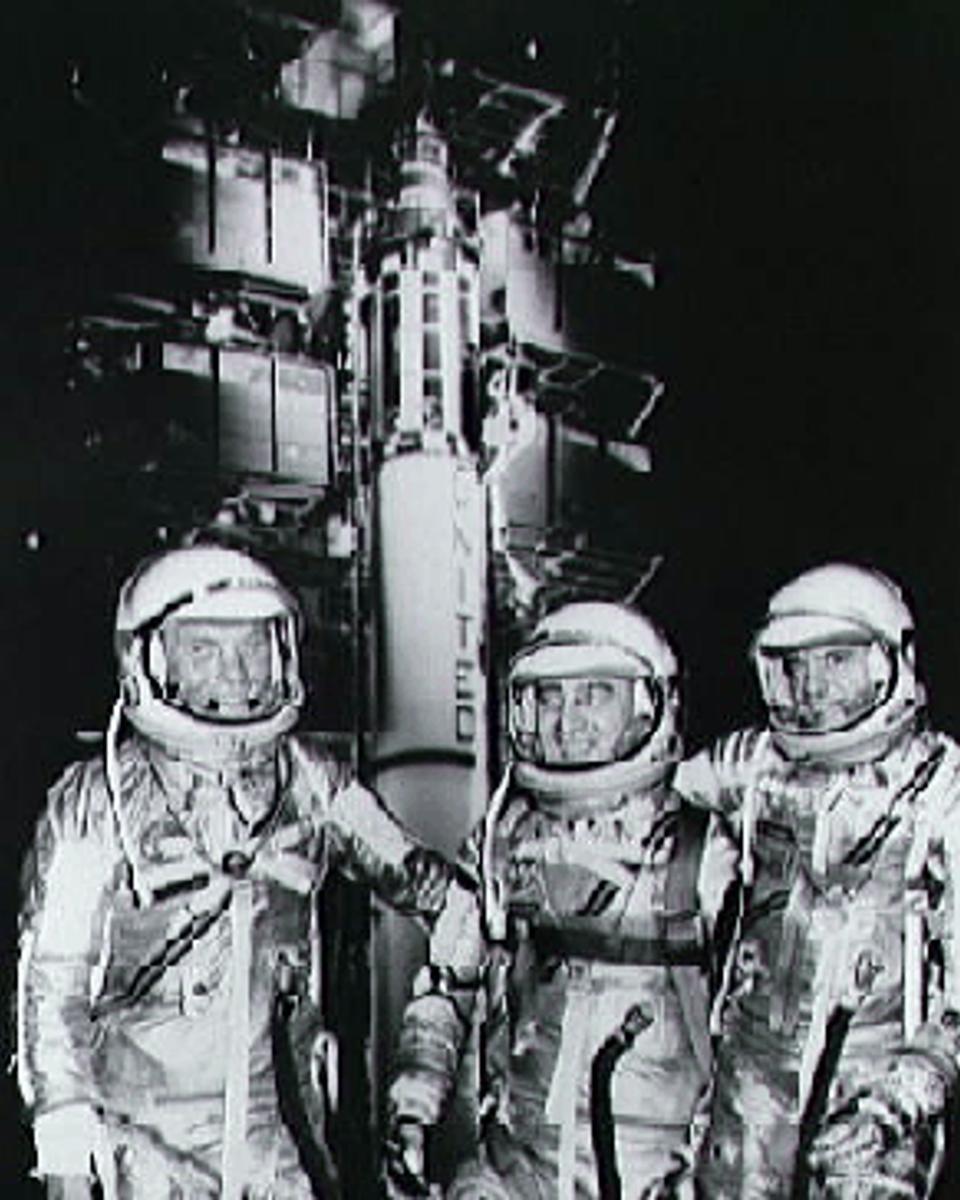
Mercury Astronauts and a Redstone
Space suited project Mercury astronauts John H. Glenn , Virgil I. Grissom , and Alan B. Shepard Jr. (left to right) are pictured here posing in front of a Redstone rocket in this…
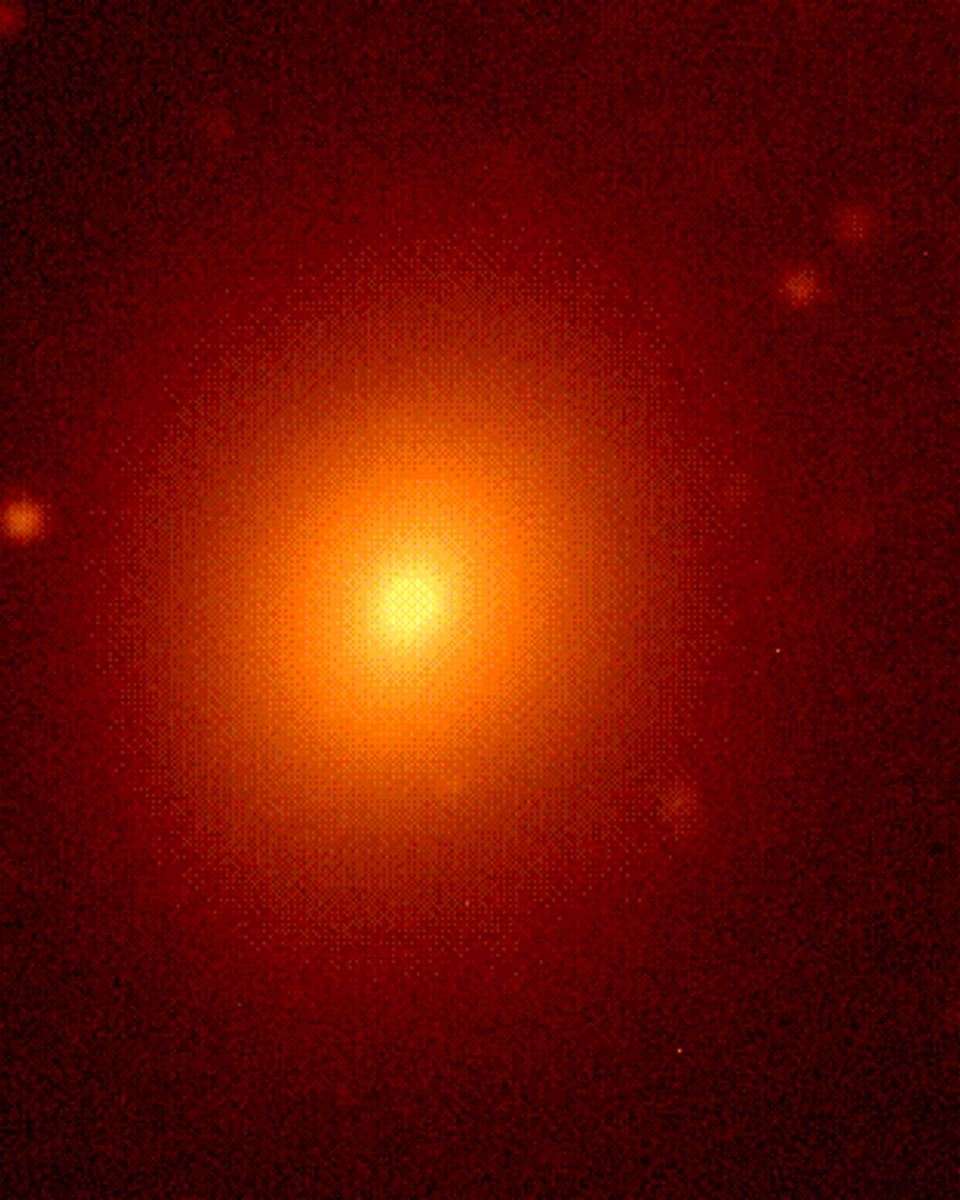
Dwarf Elliptical Galaxy M32
Being the largest galaxy around can sometimes make you popular. Pictured is M31's companion galaxy M32 . M31 , the Andromeda galaxy, is the largest galaxy in our Local Group of…
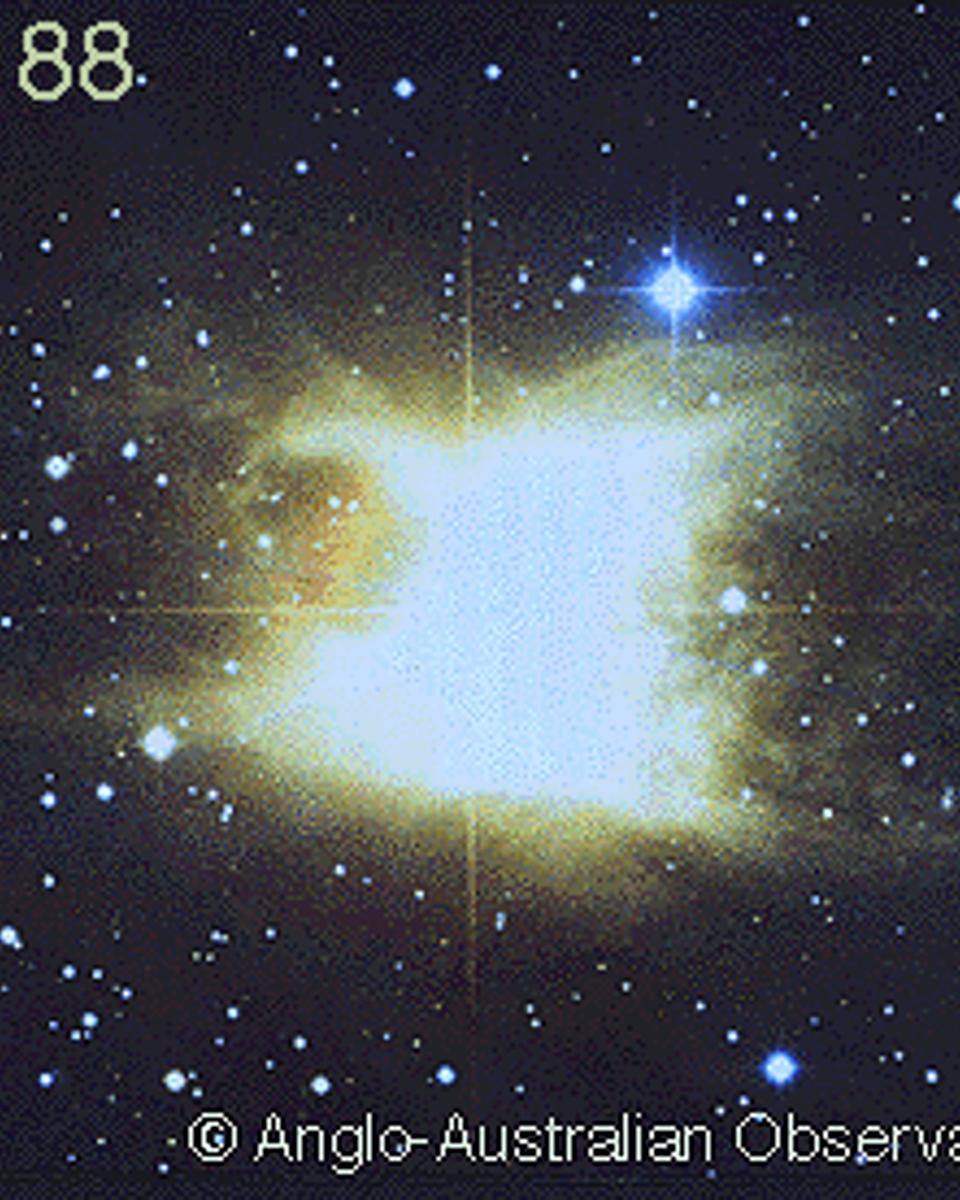
The Toby Jug Nebula
Is the only thing unusual about this nebula its shape? Pictured above is the IC 2220 - the Toby Jug Nebula - a reflection nebula surrounding a normal red giant star. Reflection…
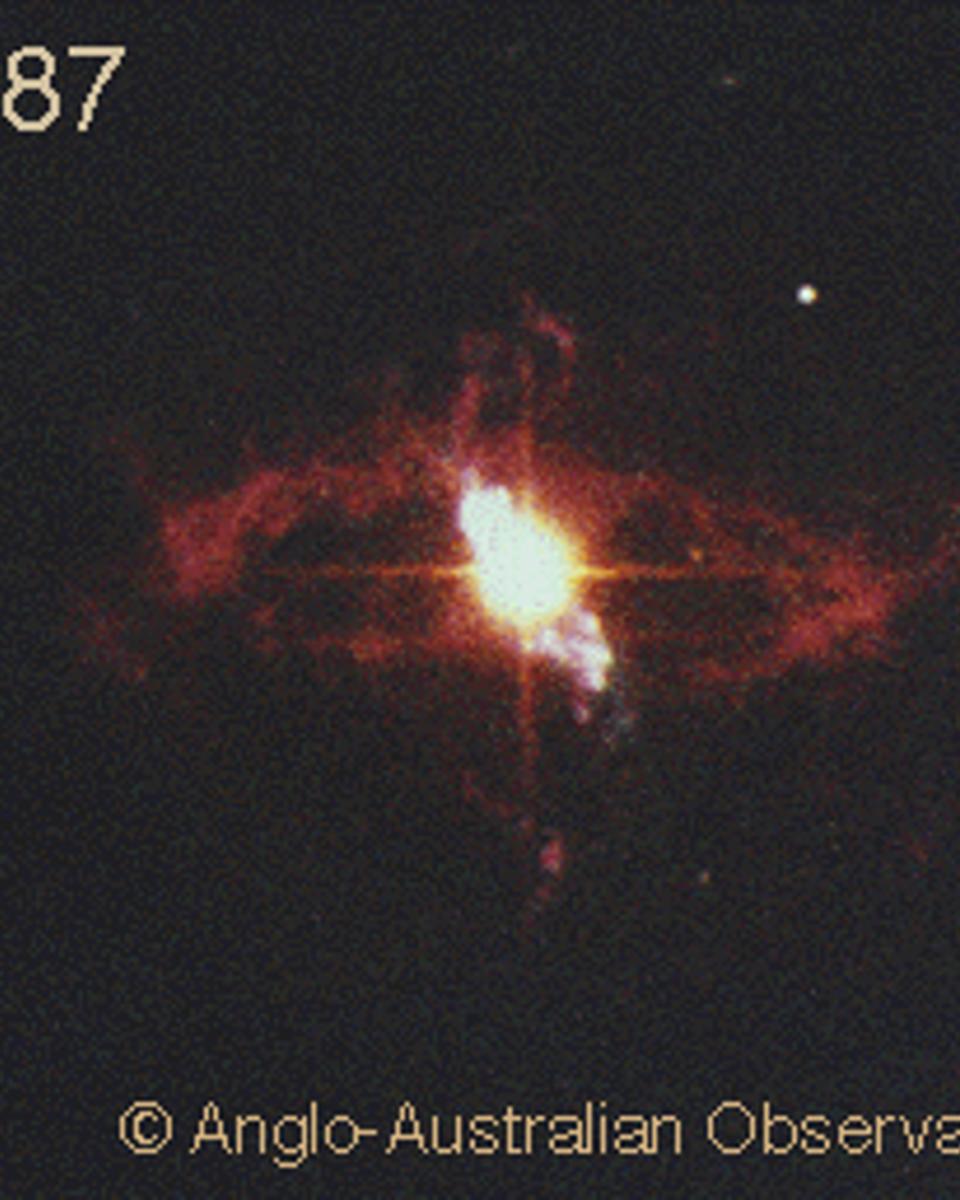
Symbiotic Star System R Aquarii
Sometimes stars work together to create a spectacular display. Such is the case with the binary star system R Aquarii - a “symbiotic” star system. Here two stars, a variable giant…
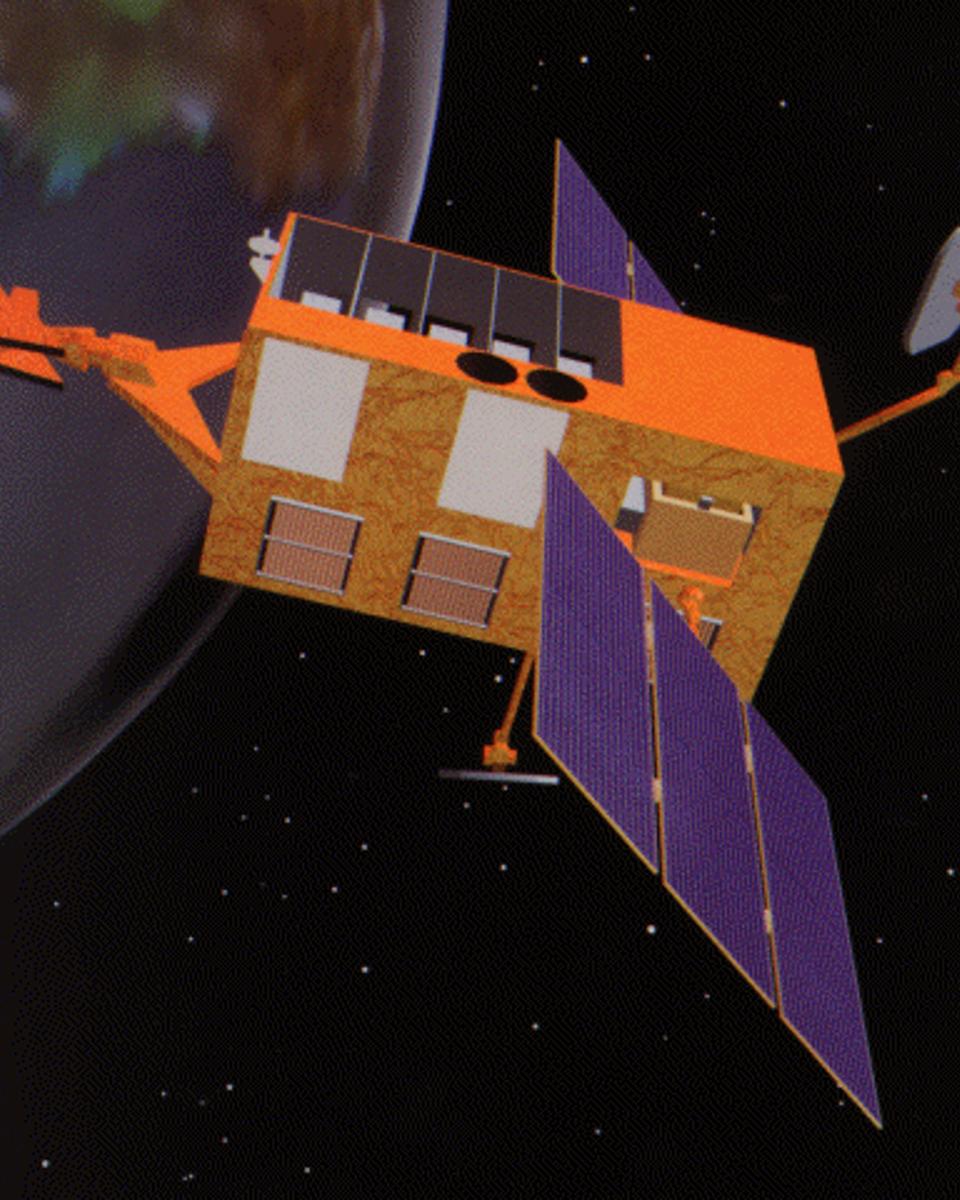
The X-ray Timing Explorer
Launched Saturday on a Delta rocket , the X-ray Timing Explorer (XTE) will watch the sky for rapid changes in X-rays . XTE carries three separate X-ray telescopes. The…
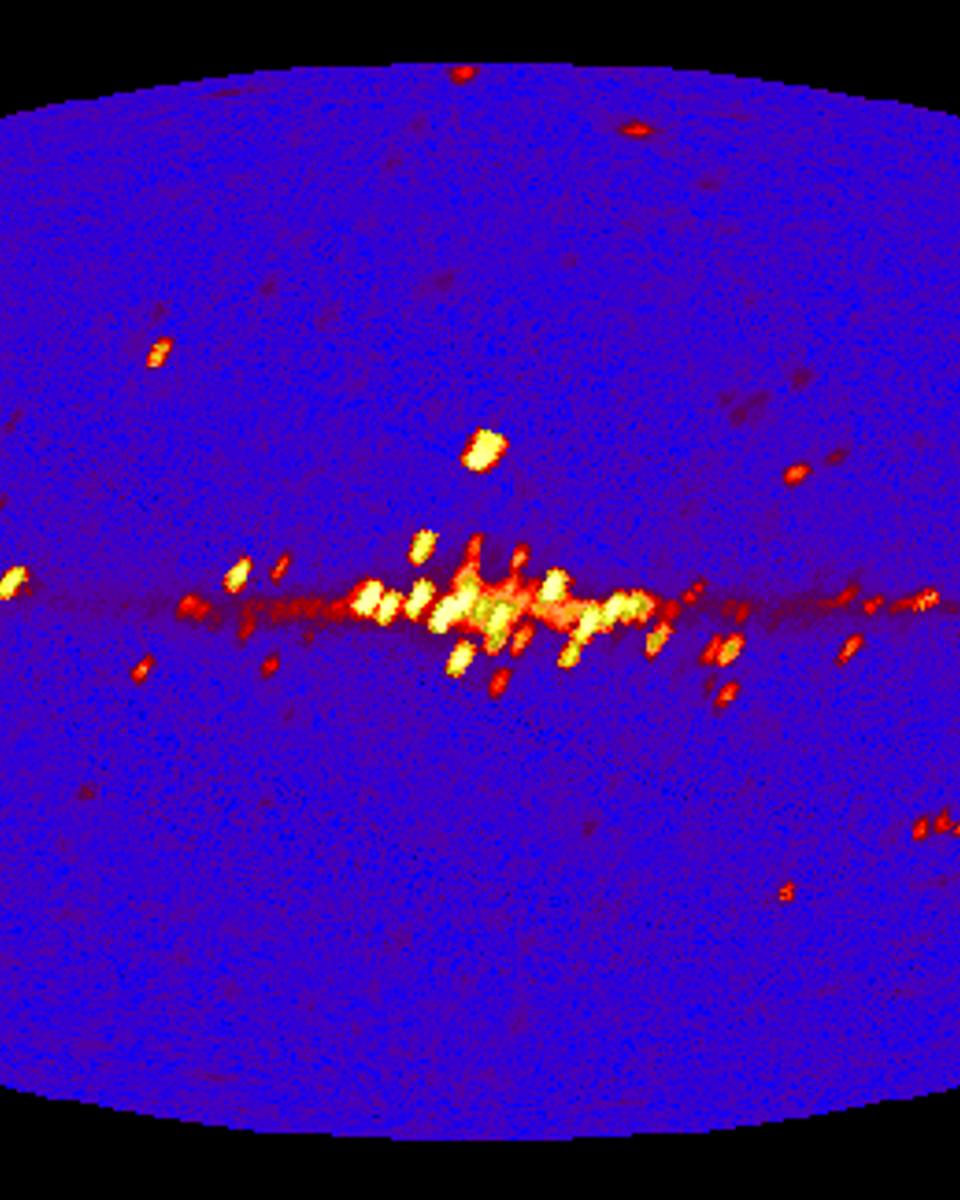
The X-Ray Sky
What if you could see X-rays ? If you could, the night sky would be a strange and unfamiliar place. X-rays are about 1,000 times more energetic than visible light photons and are…
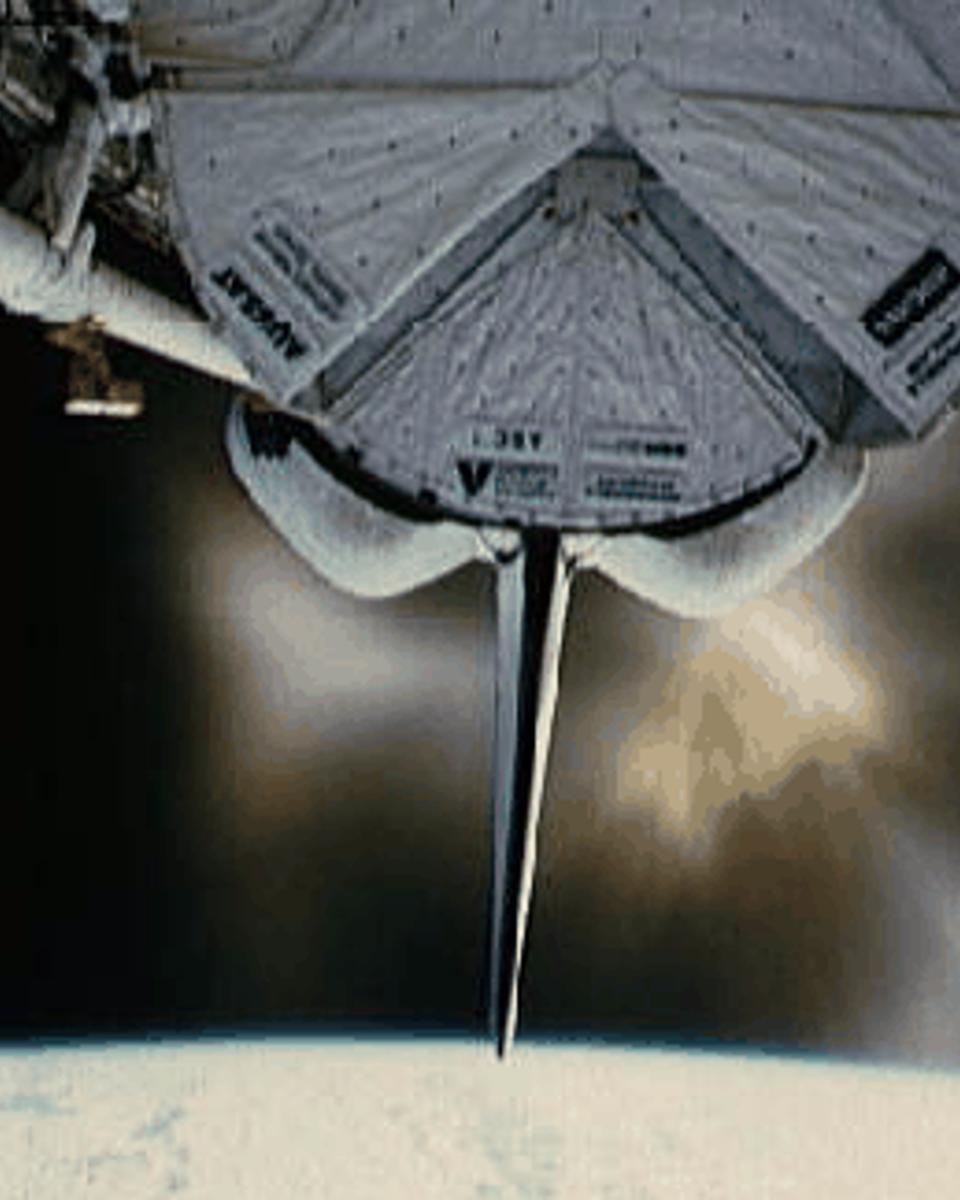
Shuttle Engine Blast
The Space Shuttle Discovery 's orbital maneuvering system (OMS) engine firing produced this dramatic flare as it cruised “upside down” in low Earth orbit. Discovery was named for…
Viewing discoveries from 24 January 1996 through 1 January 1996.