Browse NASA Astronomy Picture of the Day archive by date and media: Archive Discoveries
Browse the NASA APOD archive without needing the exact date first. Filter by media type and keep moving deeper into older images and videos.
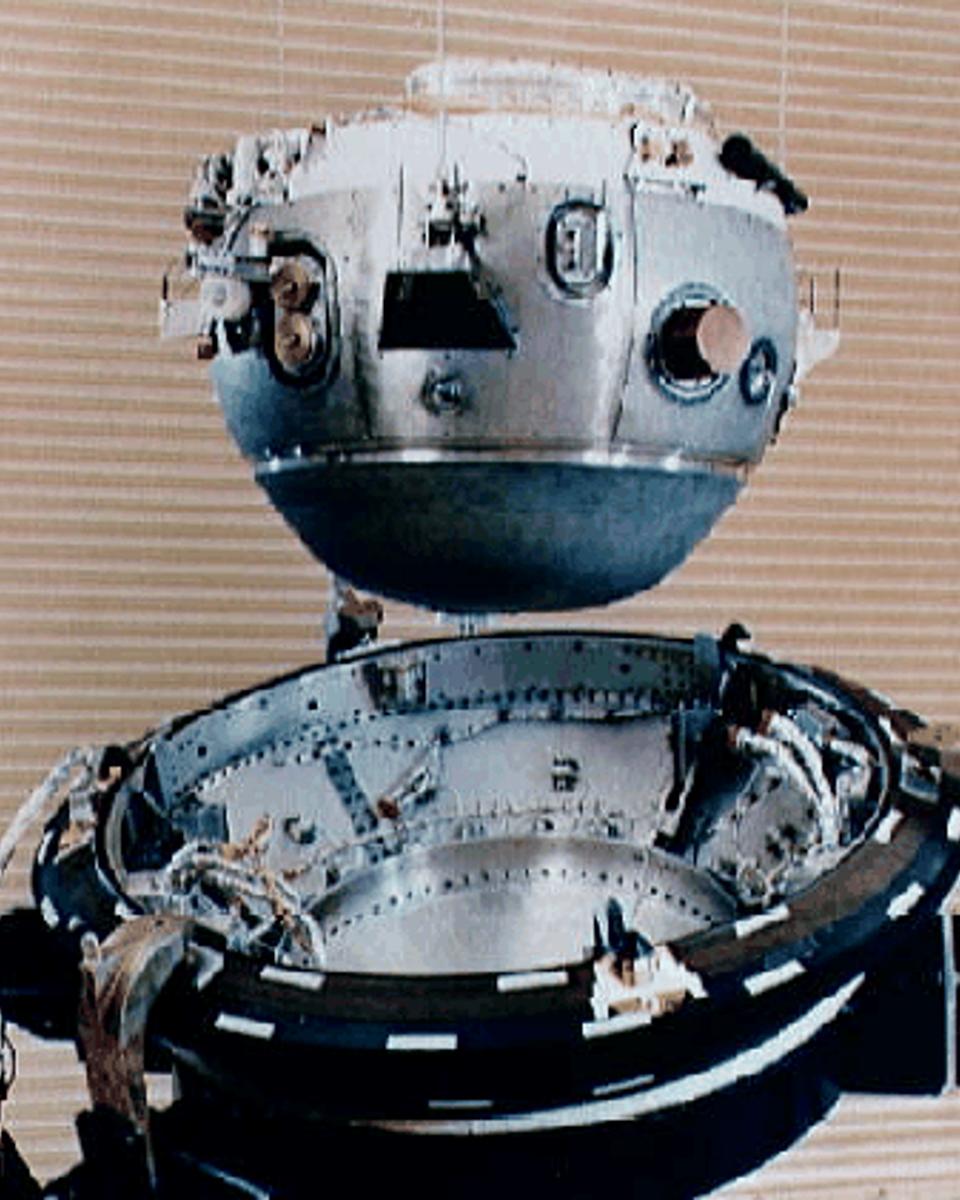
Galileo's Jupiter Probe
Today, at about 5:00 pm EST, this 750 pound probe from NASA's robot spacecraft Galileo will plummet into Jupiter becoming the first probe to fly through the atmosphere of a gas…
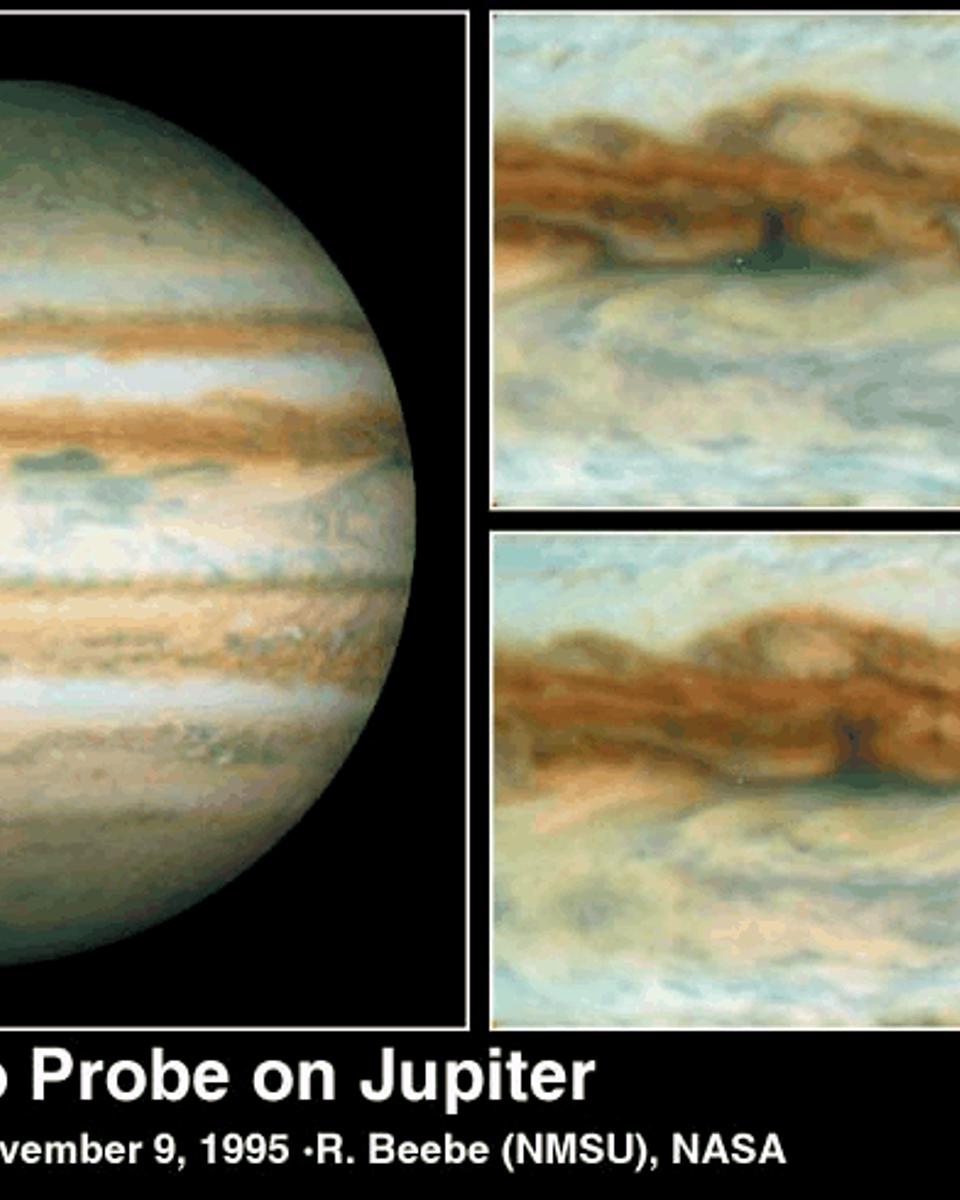
24 Hours from Jupiter
NASA's robot spacecraft Galileo began its long voyage to Jupiter more than six years and 2.3 billion miles ago. About 24 hours from now it will reach its destination. On arrival…
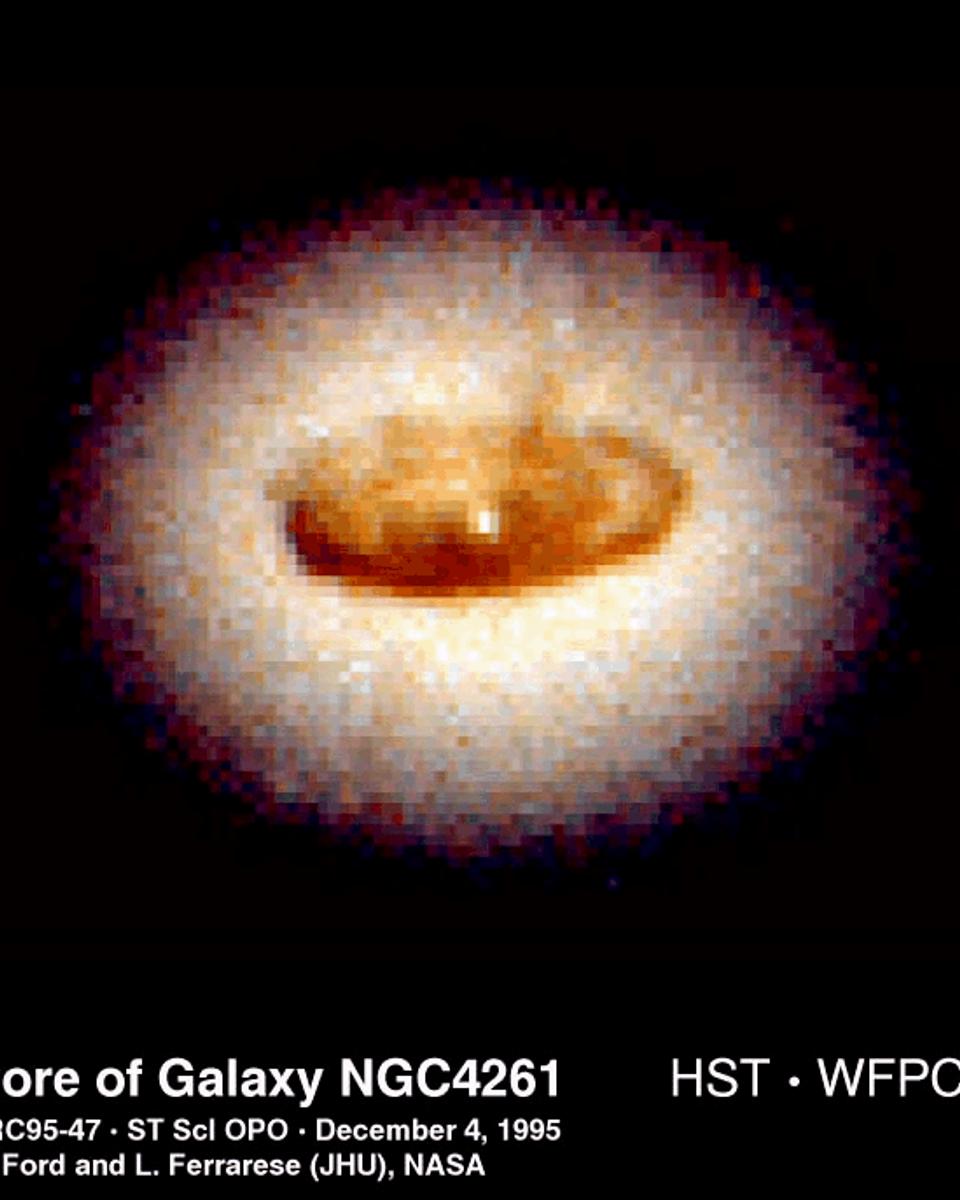
The Swirling Center of NGC 4261
What evil lurks in the hearts of galaxies? The above picture by the Hubble Space Telescope of the center of the nearby galaxy NGC 4261 tells us one dramatic tale . Here gas and…
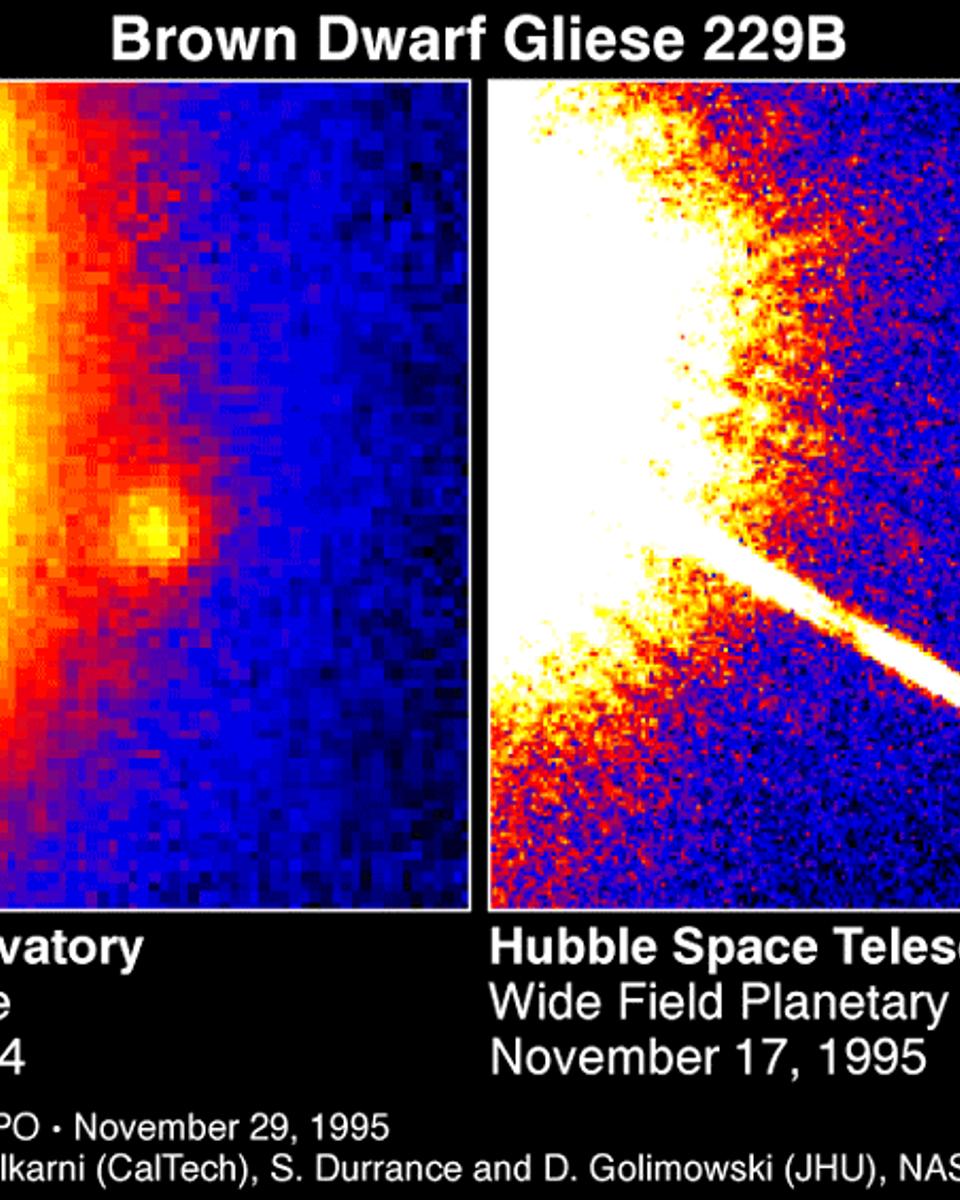
GL 229B: An Elusive Brown Dwarf?
What type of matter makes up most of the universe? This question is arguably the most perplexing astronomical mystery of our time. A leading candidate is a type of dim, low mass…
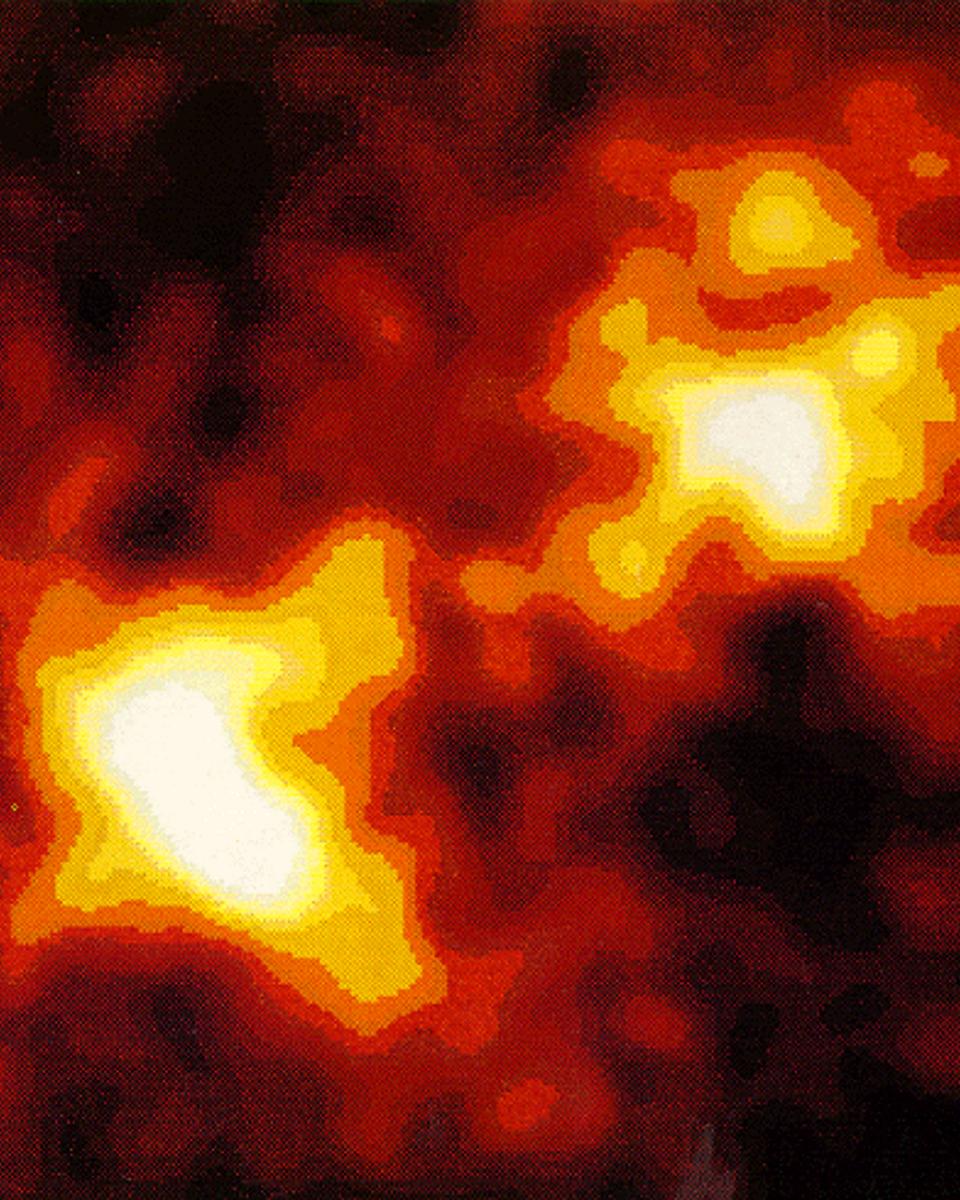
An X-ray Hot Supernova in M81
In 1993, a star in the galaxy M 81 exploded. Above is a picture of the hot material ejected by this supernova explosion. The picture was taken in X-rays with the Advanced…
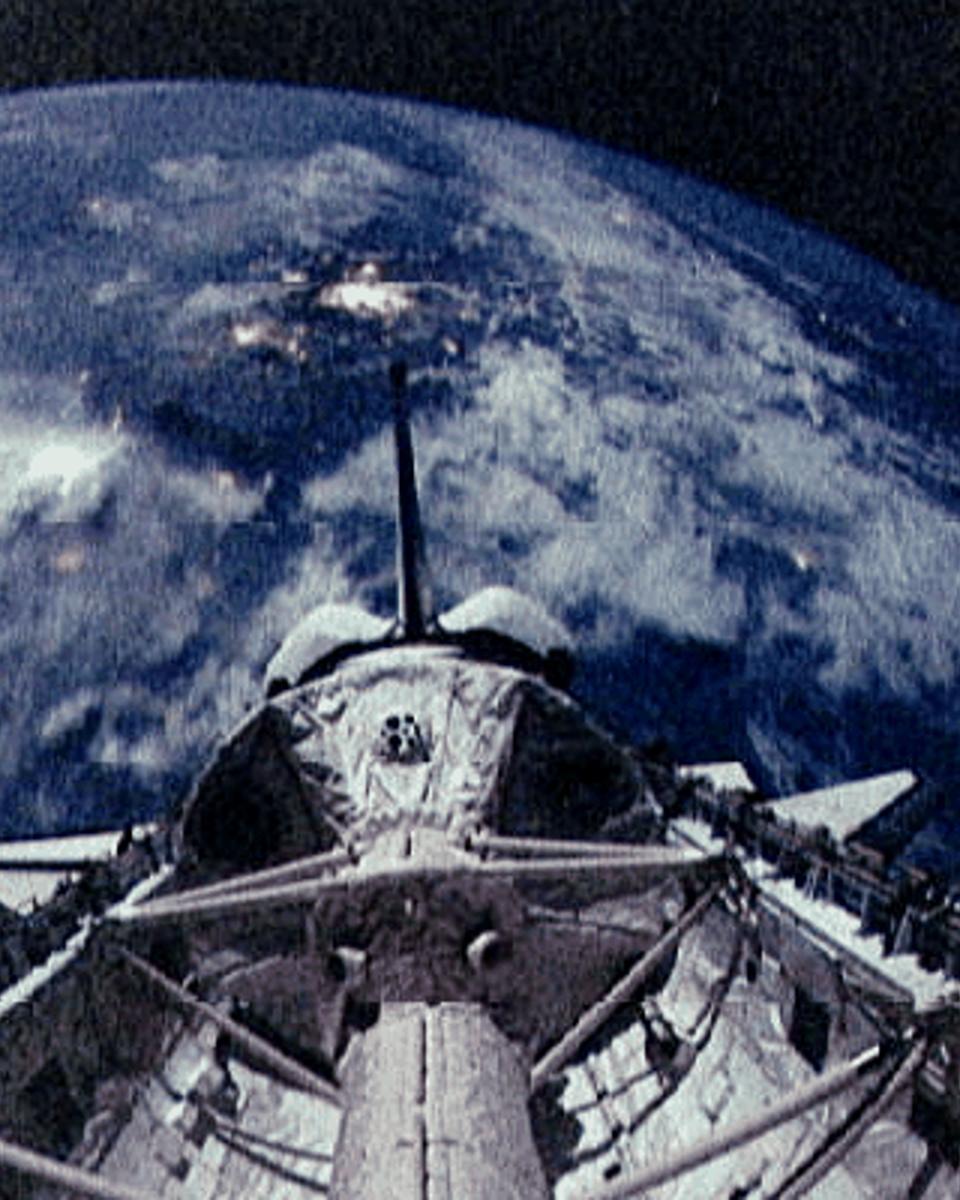
Lightning Below
In May of 1993, the Space Shuttle Columbia orbited the Earth carrying the Spacelab Deutsche 2 (SL-D2) science module and spacelab tunnel seen here riding in the shuttle's payload…
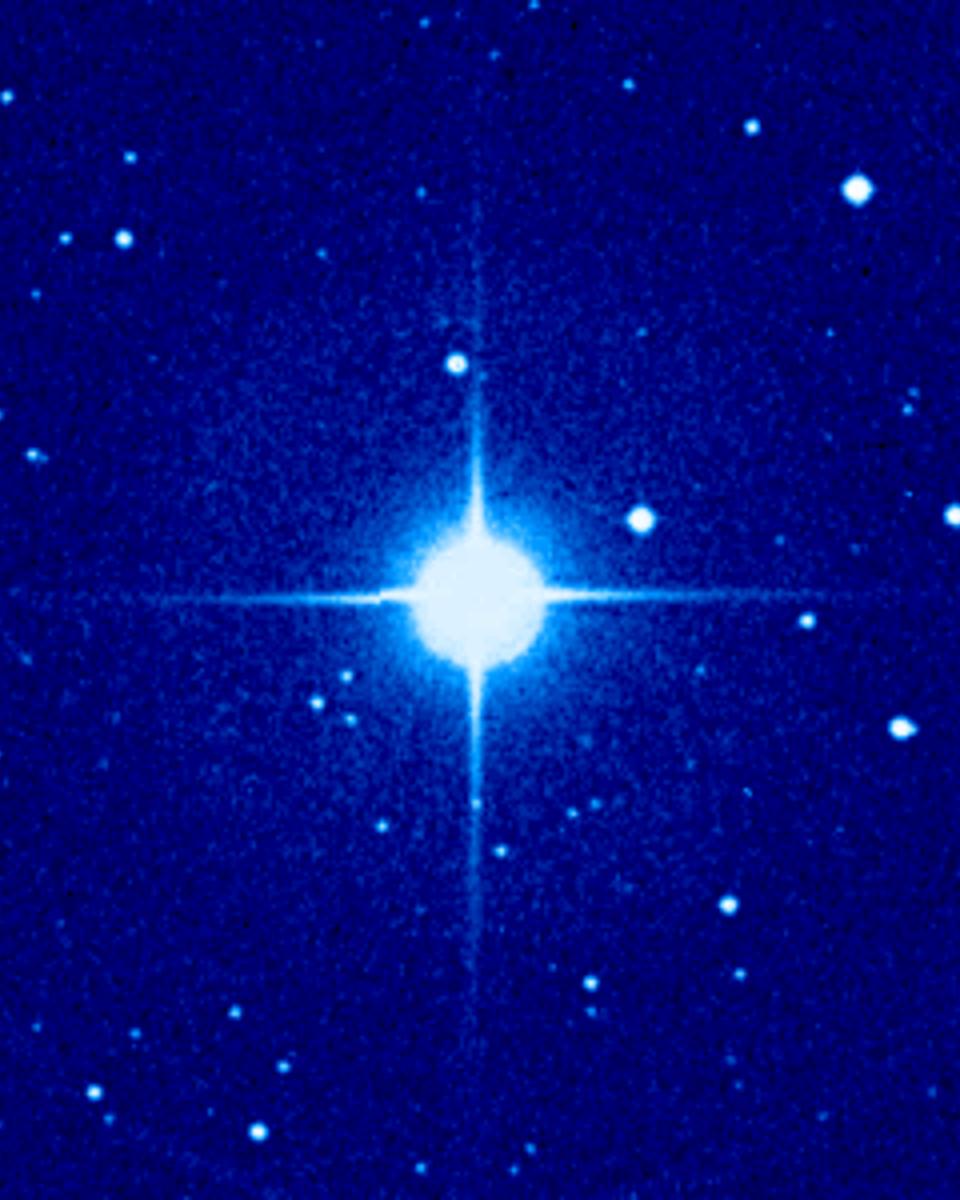
51 Pegasi: A New Planet Discovered
Are we alone in the universe? Do other stars have planets too? Humanity took one step closer to answering these questions in October 1995 when it was announced that the star 51…
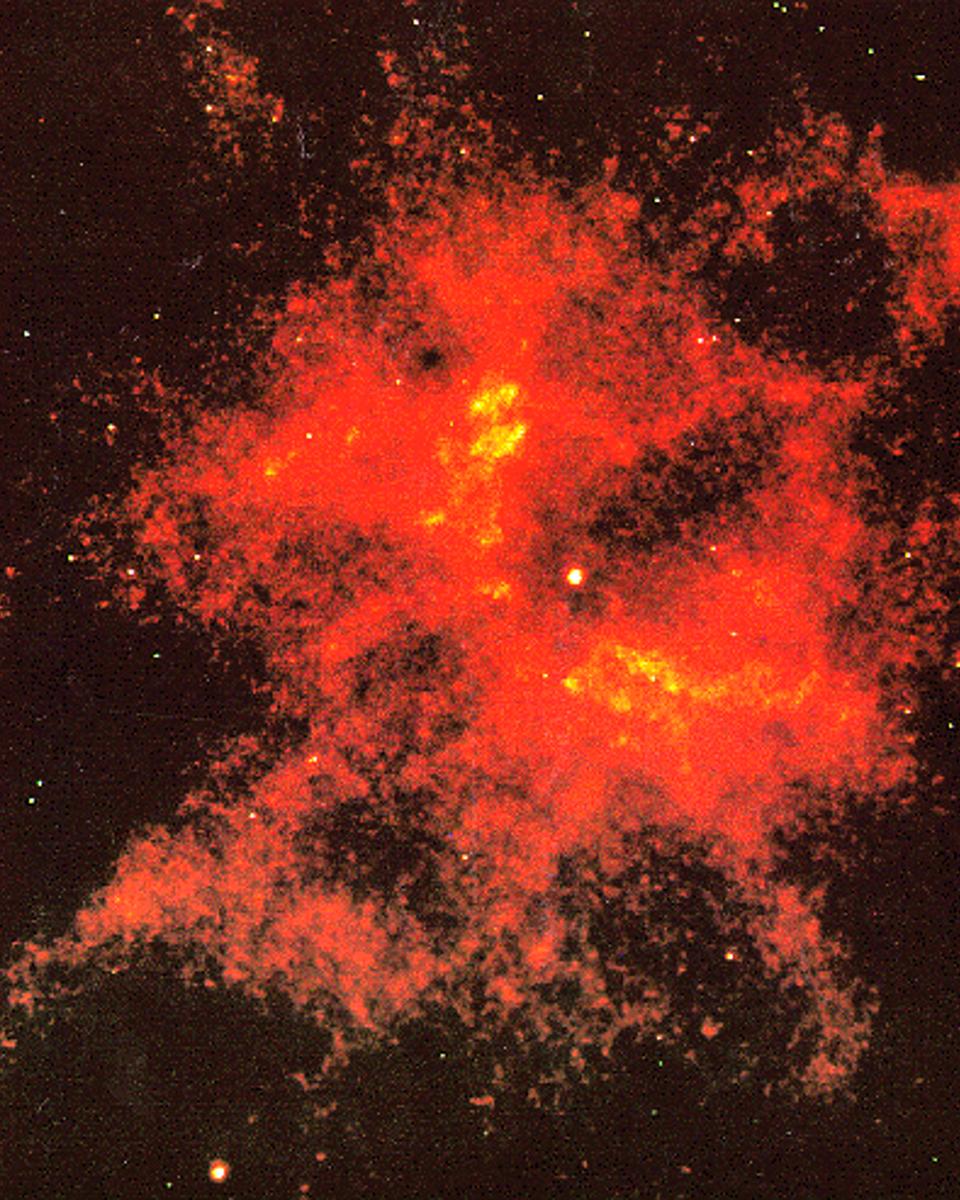
NGC 2440 Nucleus: The Hottest Star?
In the center of the above photograph lies a star with one of the hottest surface temperatures yet confirmed. This bright white dwarf star's surface has been measured at greater…
Releasing Compton
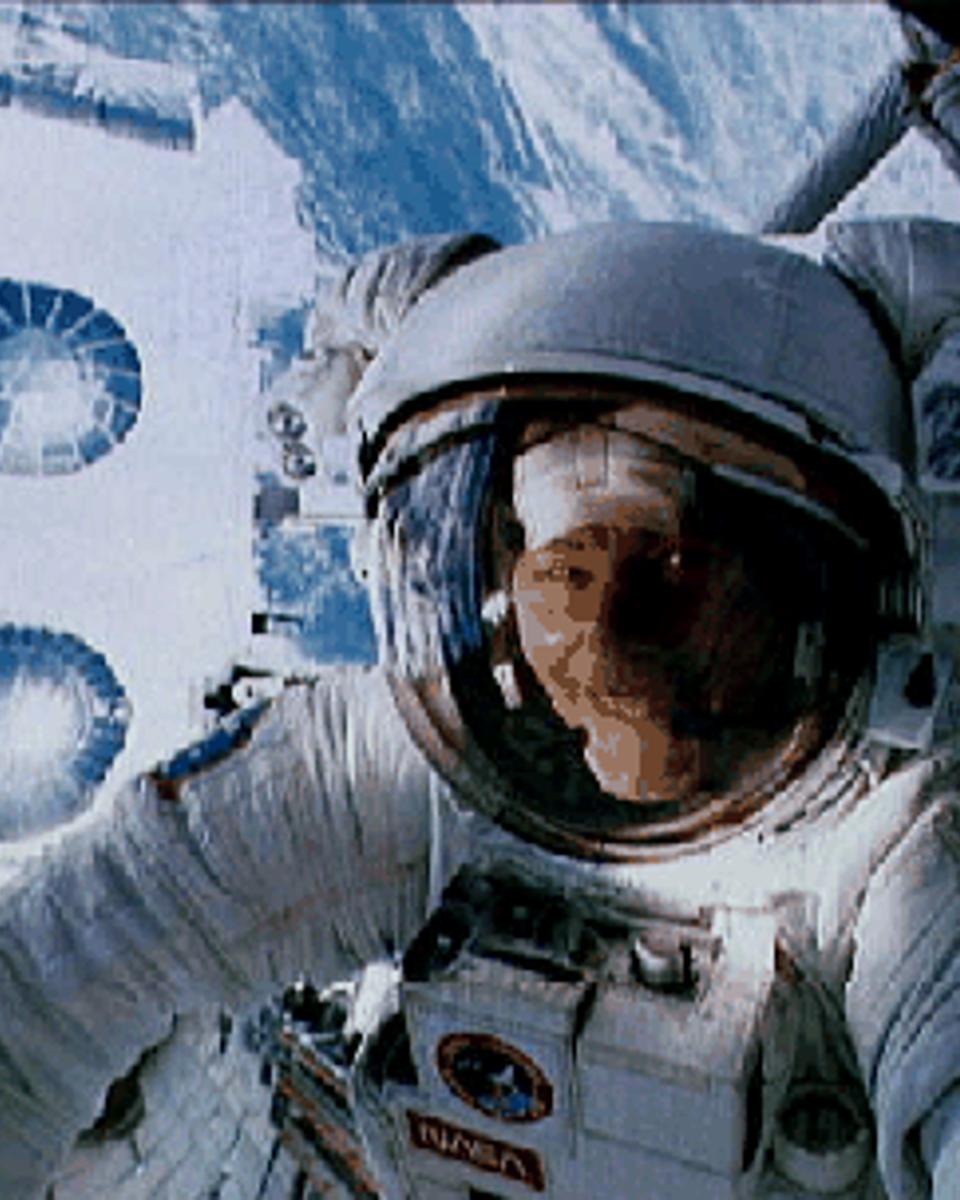
Named for Nobel laureate physicist Arthur Holly Compton , the Compton Gamma Ray Observatory (CGRO) Satellite was launched in April of 1991 aboard the Space Shuttle Atlantis .…
Shadow at the Lunar South Pole
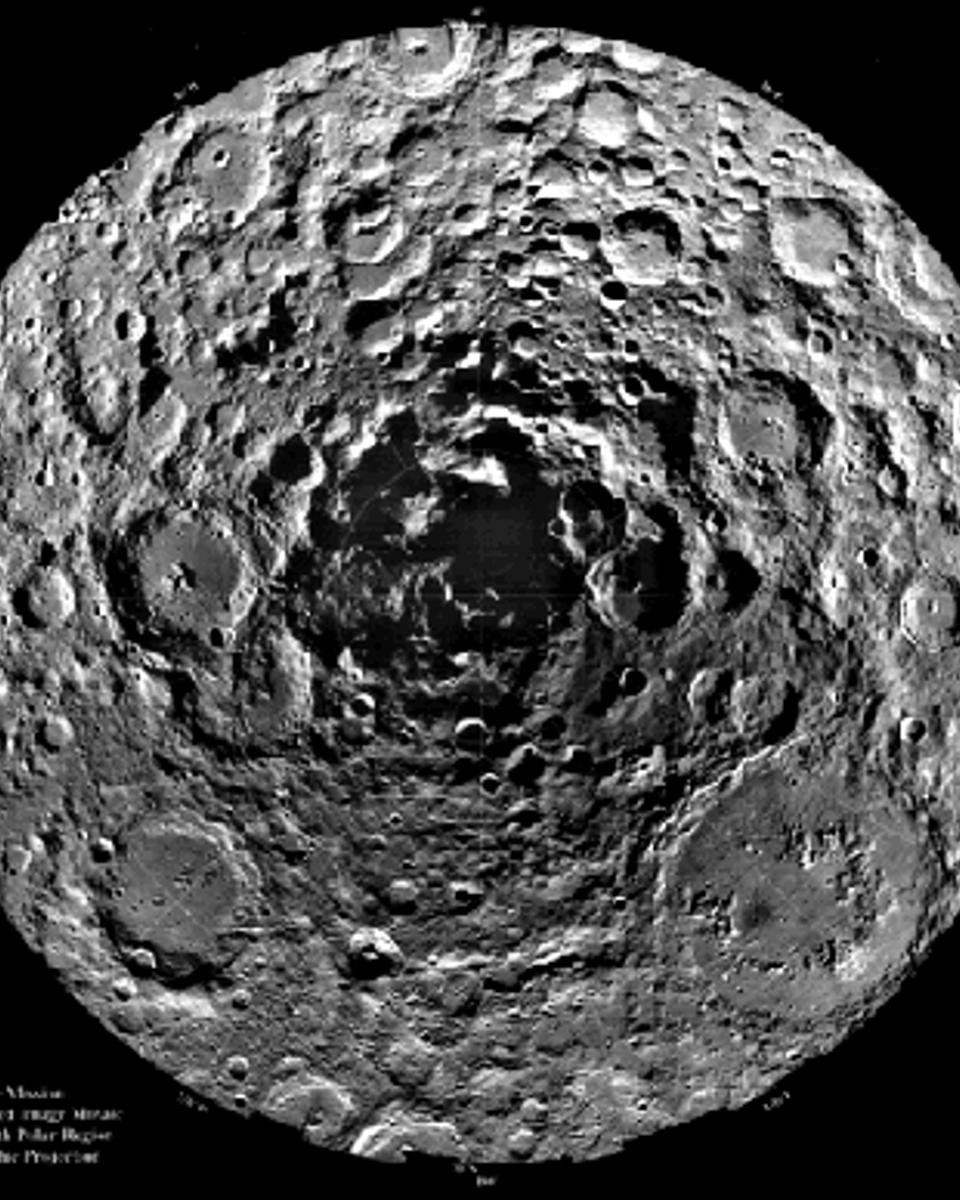
In 1994, the space probe Clementine spent 70 days in lunar orbit mapping the Moon's surface . Shown above is a dramatically detailed composite view centered on the Moon's South…
Too Close to a Black Hole
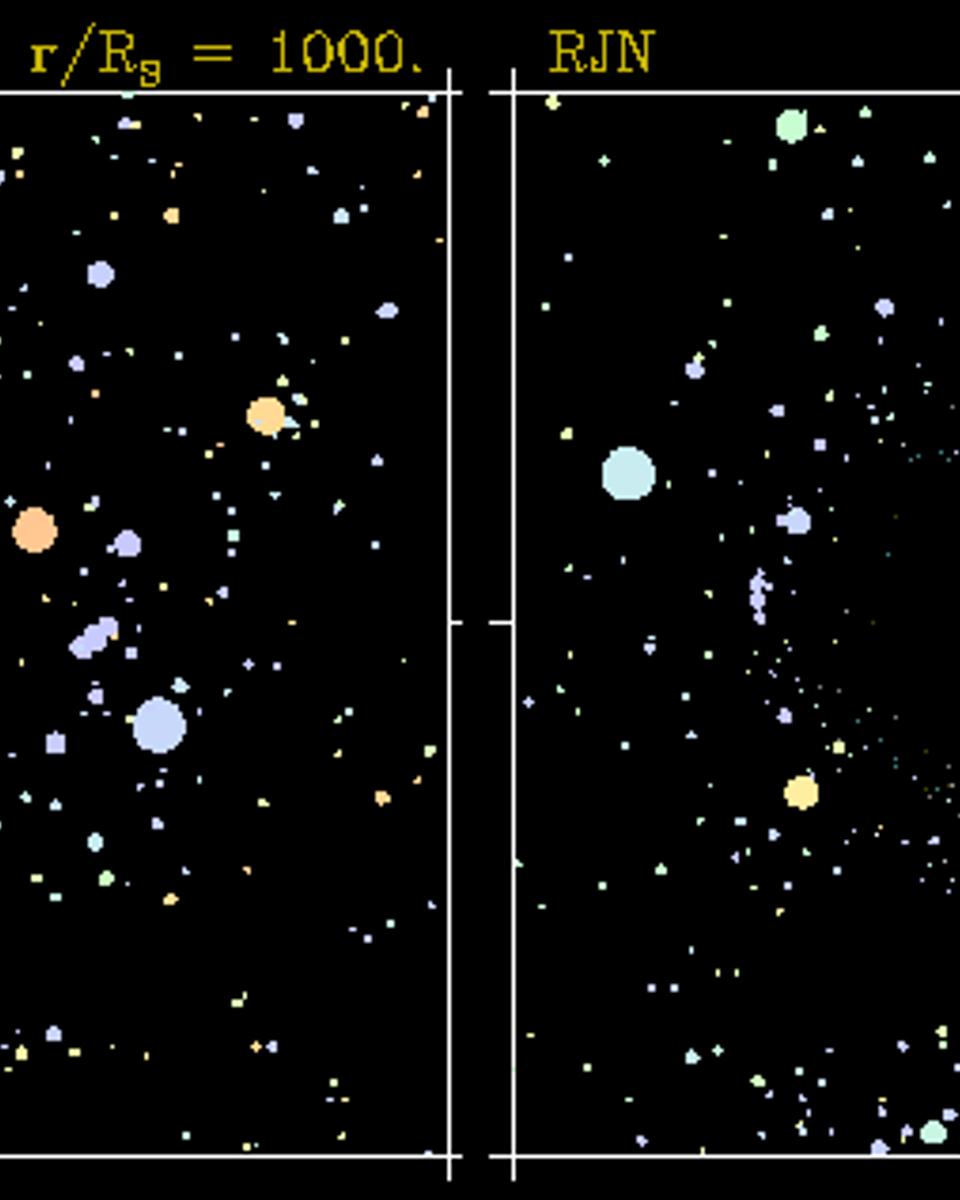
What would you see if you went right up to a black hole ? Above are two computer generated pictures highlighting how strange things would look. On the left is a normal star field…
A Star Where Photons Orbit
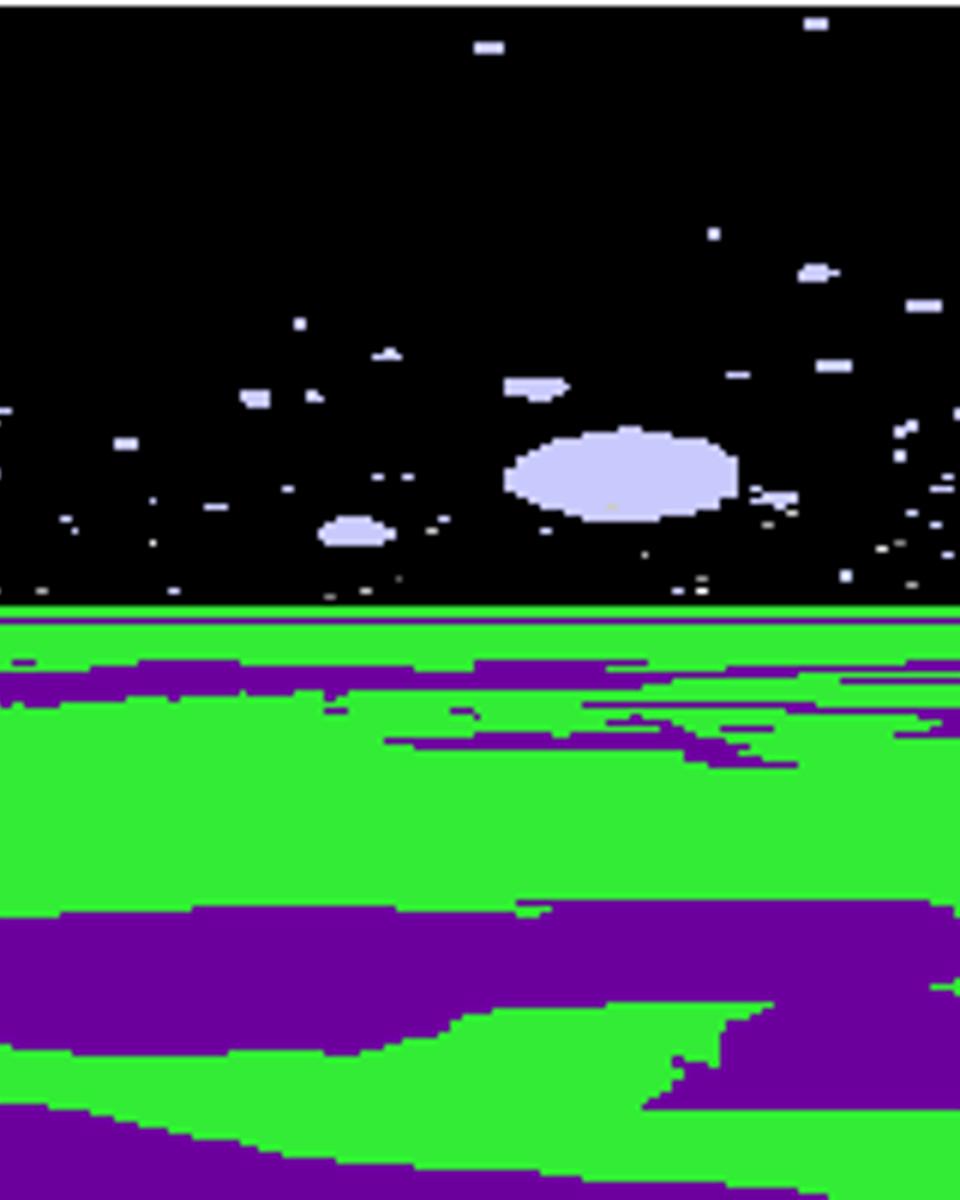
The above computer animated picture depicts how a very compact star would look to a nearby observer. The star pictured is actually more compact that any known except a black hole…
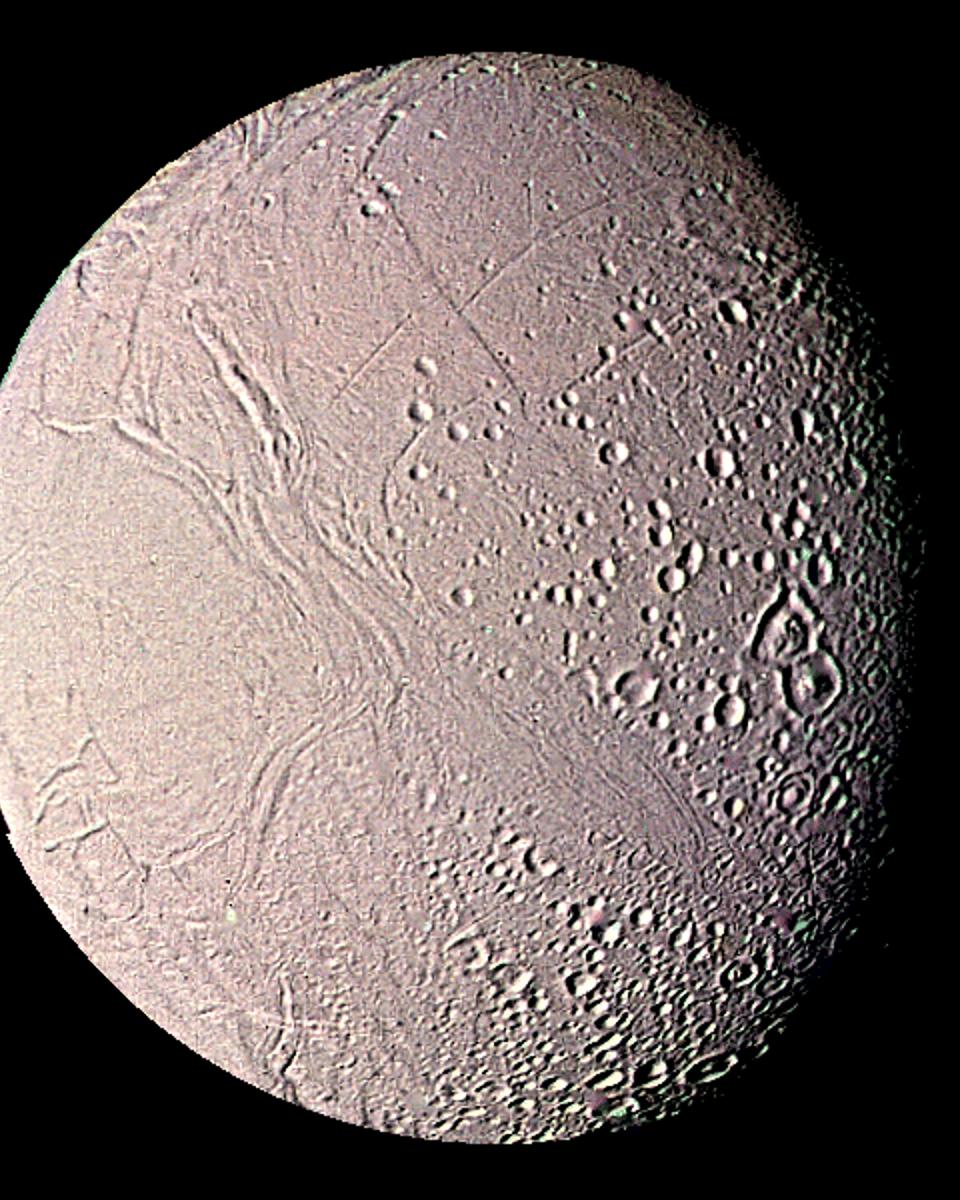
Saturn's Cleanest Moon: Enceladus
Enceladus orbits Saturn between the smaller Mimas and the larger Tethys . Enceladus is composed mostly of water ice and has the cleanest and purest ice surface in the Solar System…
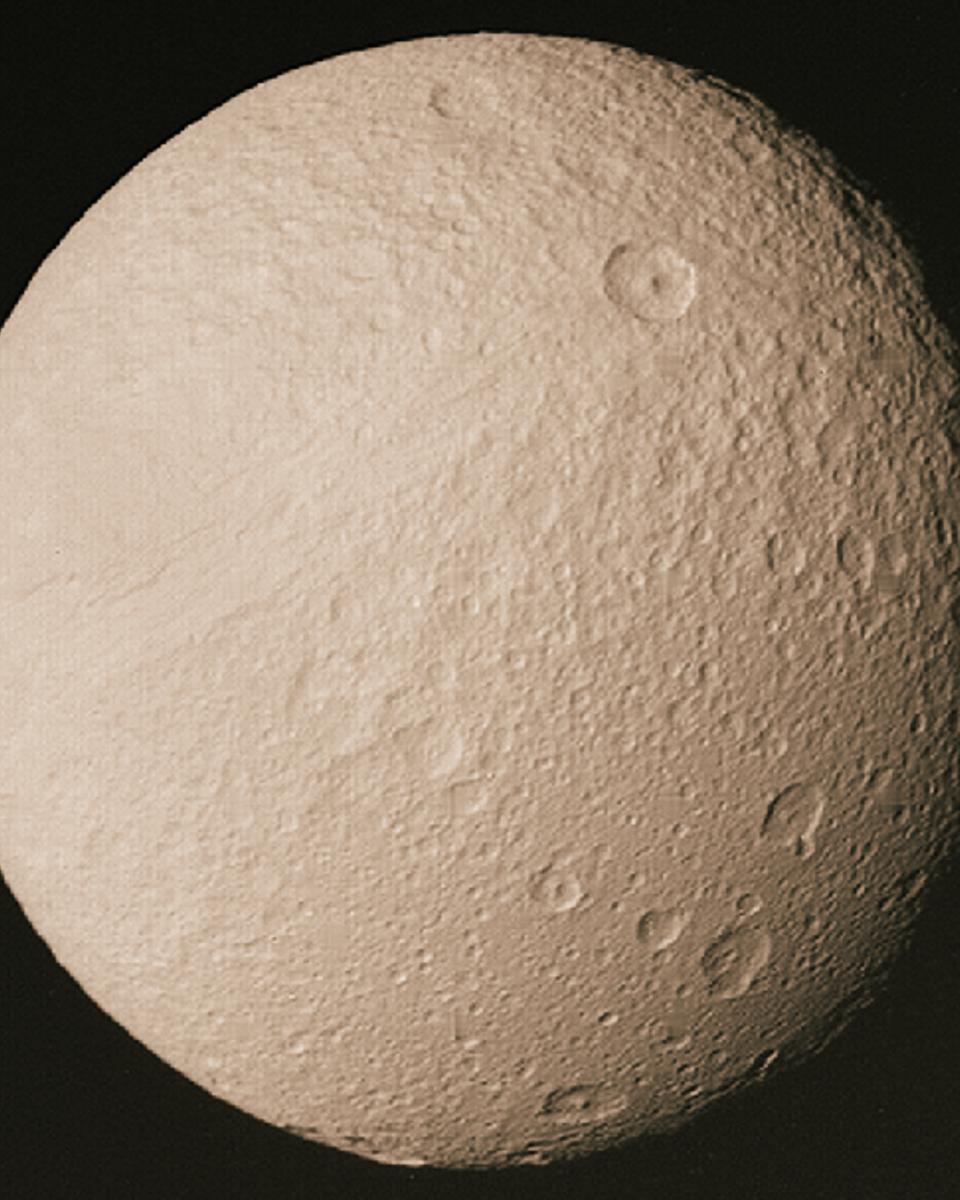
Saturn's Moon Tethys
Tethys is one of the larger and closer moons of Saturn . It was visited by both Voyager spacecraft - Voyager 1 in November 1980 and by Voyager 2 in August 1981. Tethys is now…
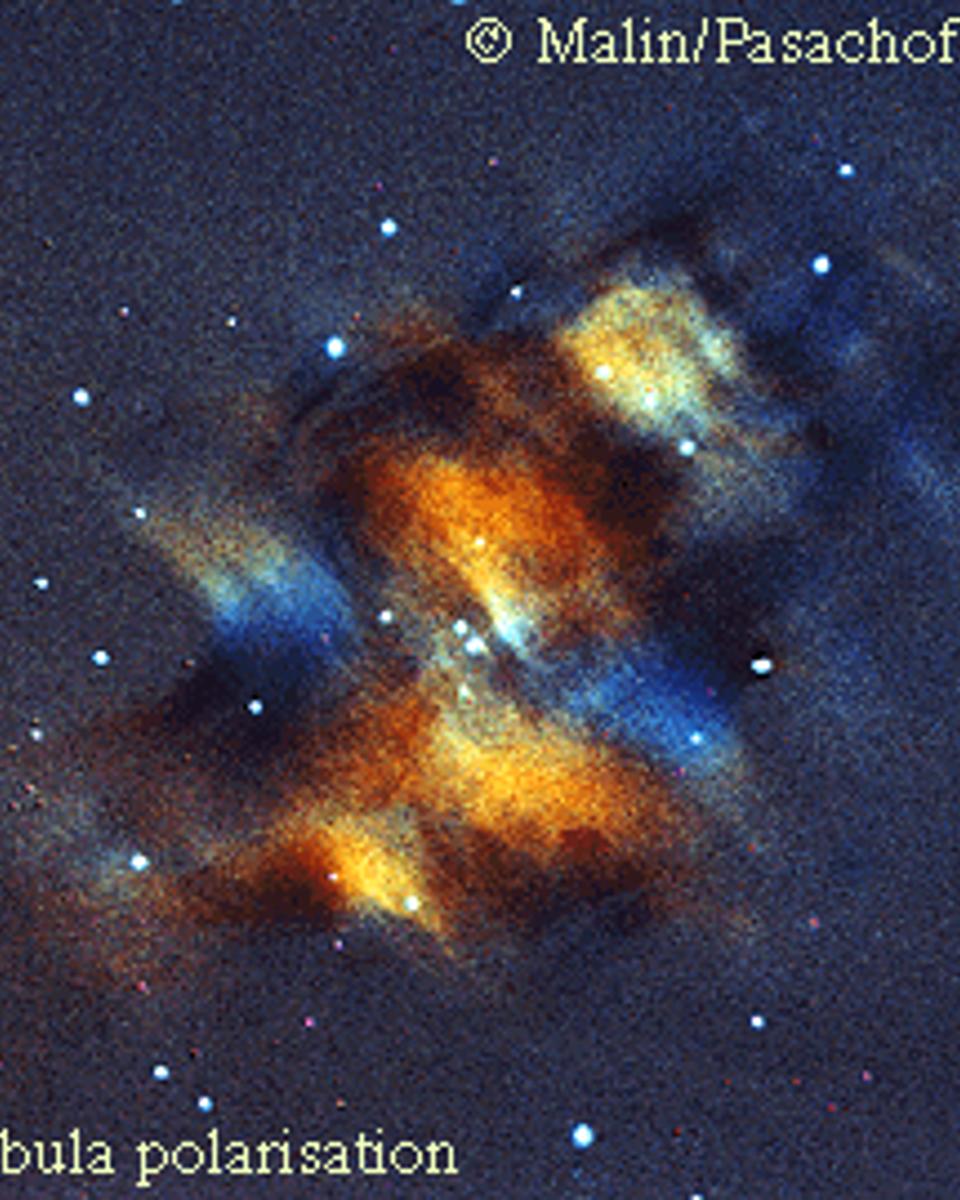
M1: Polarization of the Crab
The Crab Nebula resulted from a star that exploded - a supernova . Although the stellar explosion that caused the Crab Nebula was seen over 900 years ago, the nebula itself still…
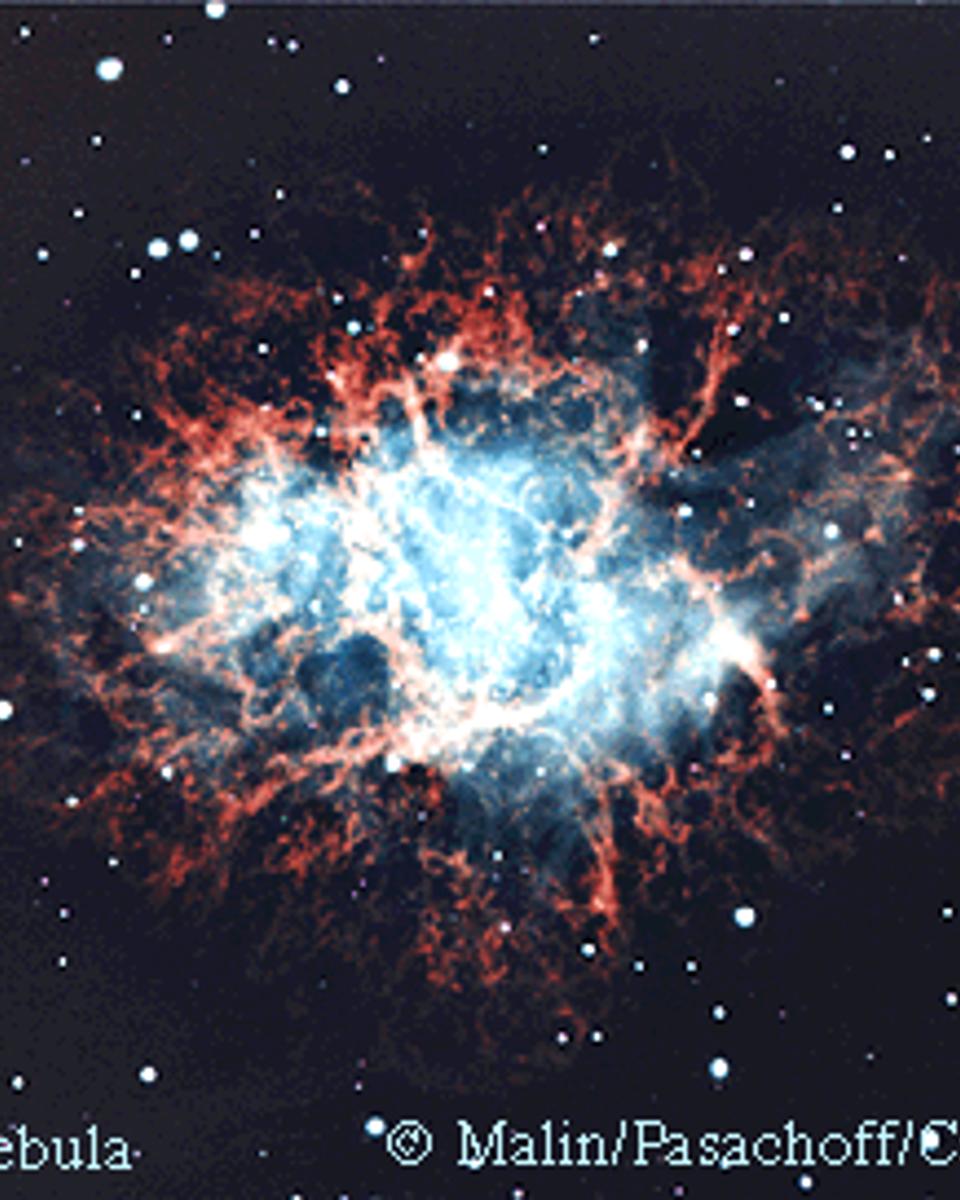
M1: The Exploding Crab Nebula
The Crab Nebula resulted from a star that exploded - a supernova . The outer layers of the star were thrown violently into space, while the inner core collapsed to form a neutron…
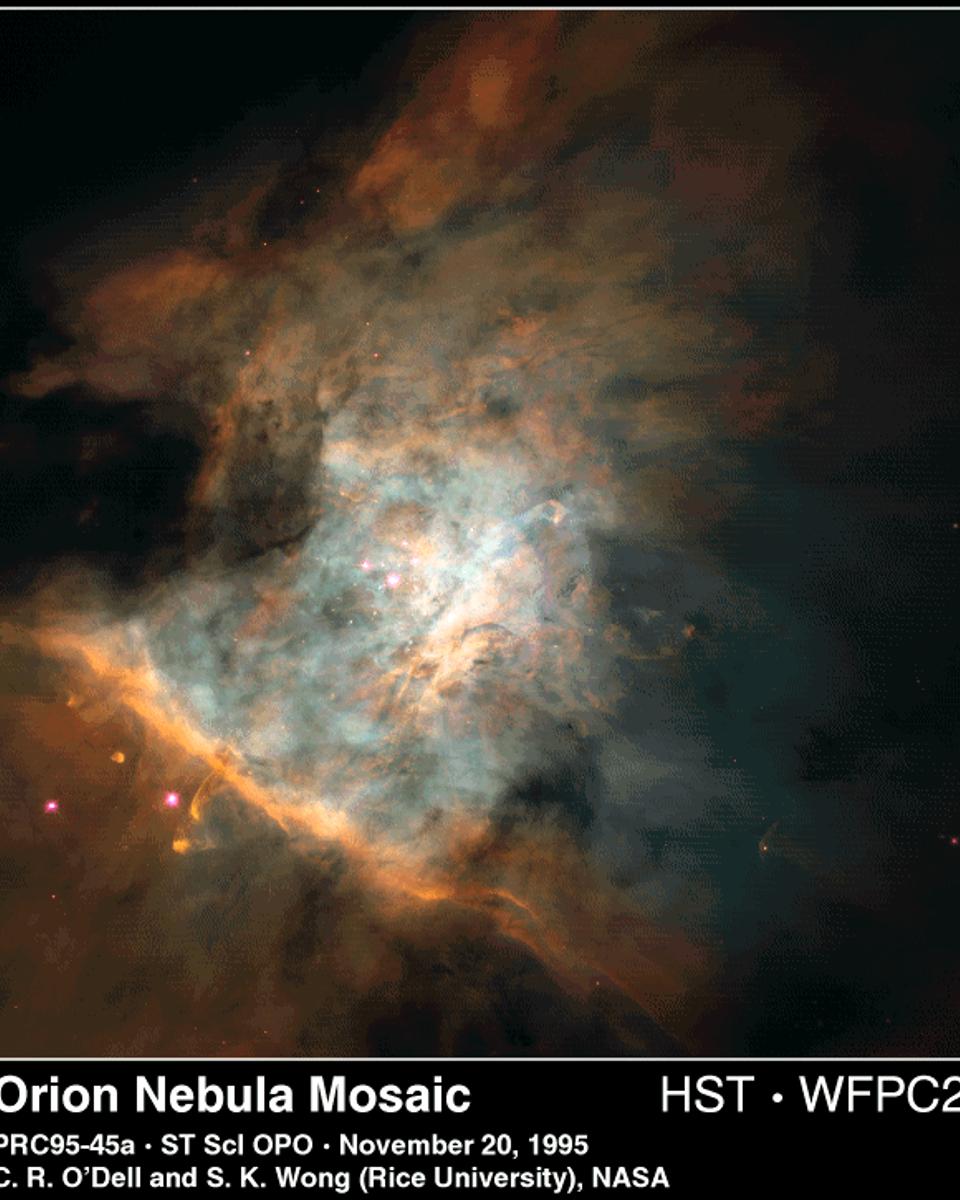
M42: Orion Nebula Mosaic
The Great Nebula in Orion is one of the most interesting of all astronomical nebulae known. Here fifteen pictures from the Hubble Space Telescope have been merged to show the…
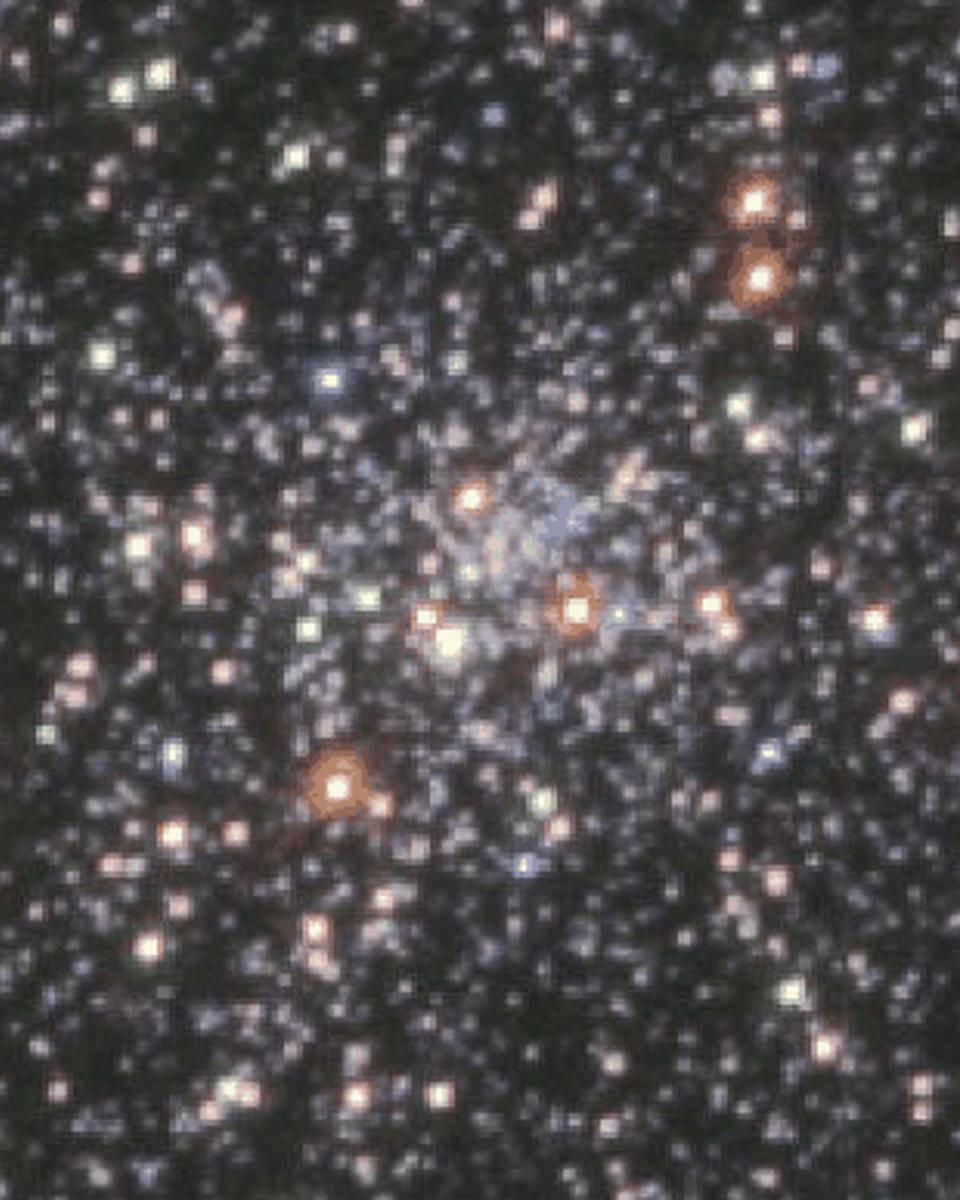
At the Core of M15
Densely packed stars in the core of the globular cluster M15 are shown in this Hubble Space Telescope (HST) image taken in April of 1994. The stars revealed are contained in an…
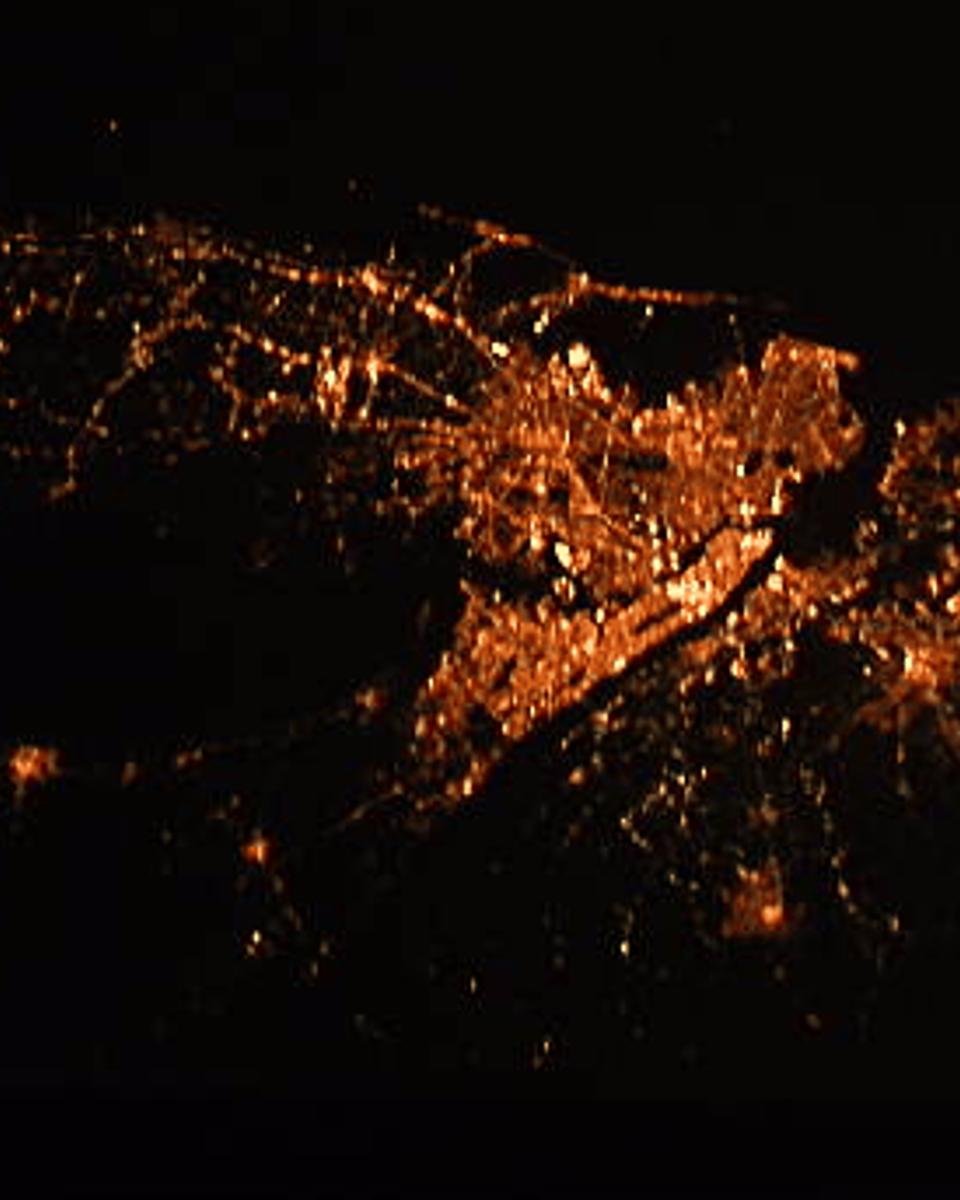
New York at Night
This tantalizingly clear photo of New York City at night was taken by the astronauts during the Space Radar Laboratory mission of the Space Shuttle Endeavor in March of 1990. In…
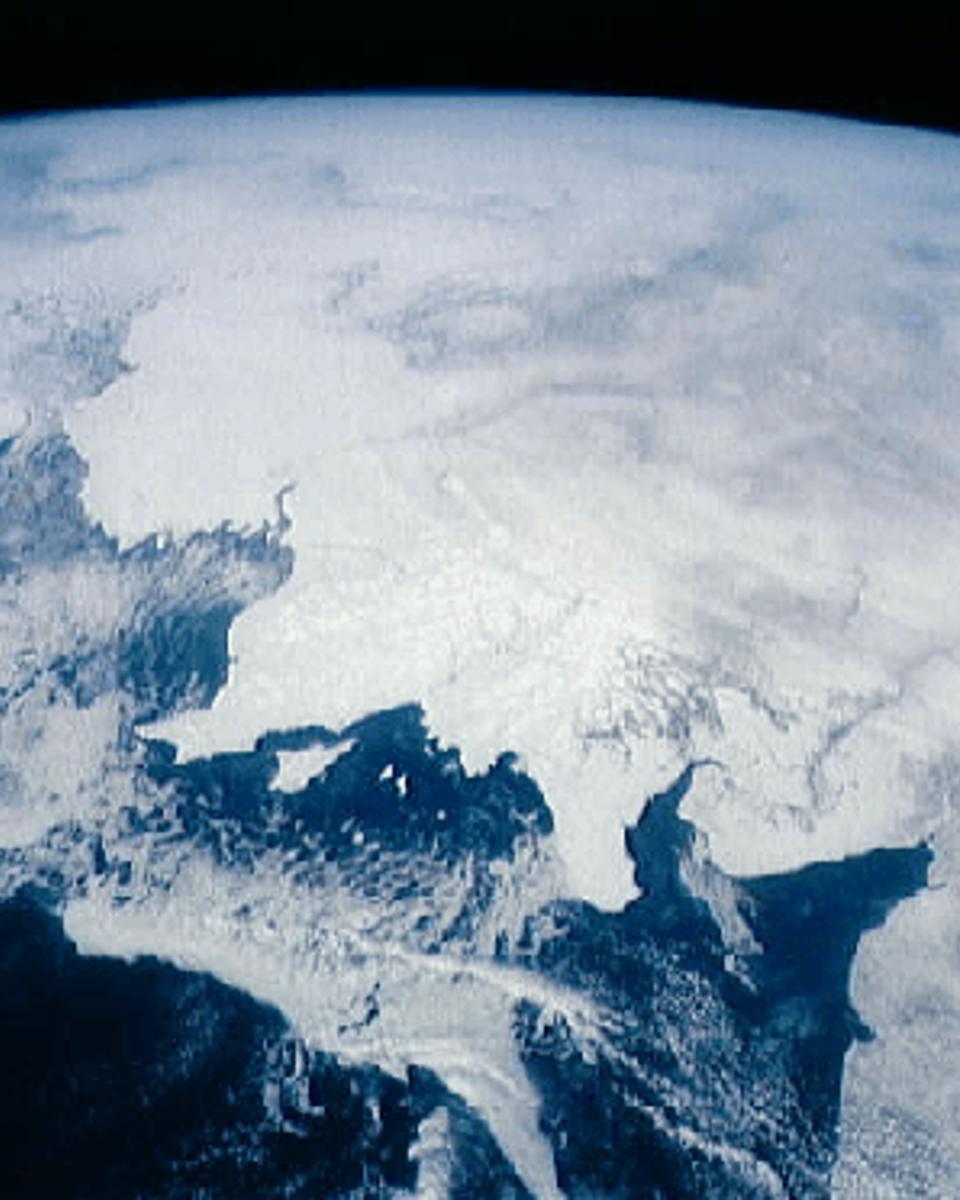
Water World
Water (Dihydrogen Oxide, H2O) is a truly remarkable chemical compound and is fundamental to life on Earth . Earth is the only planet in the Solar System where the surface…
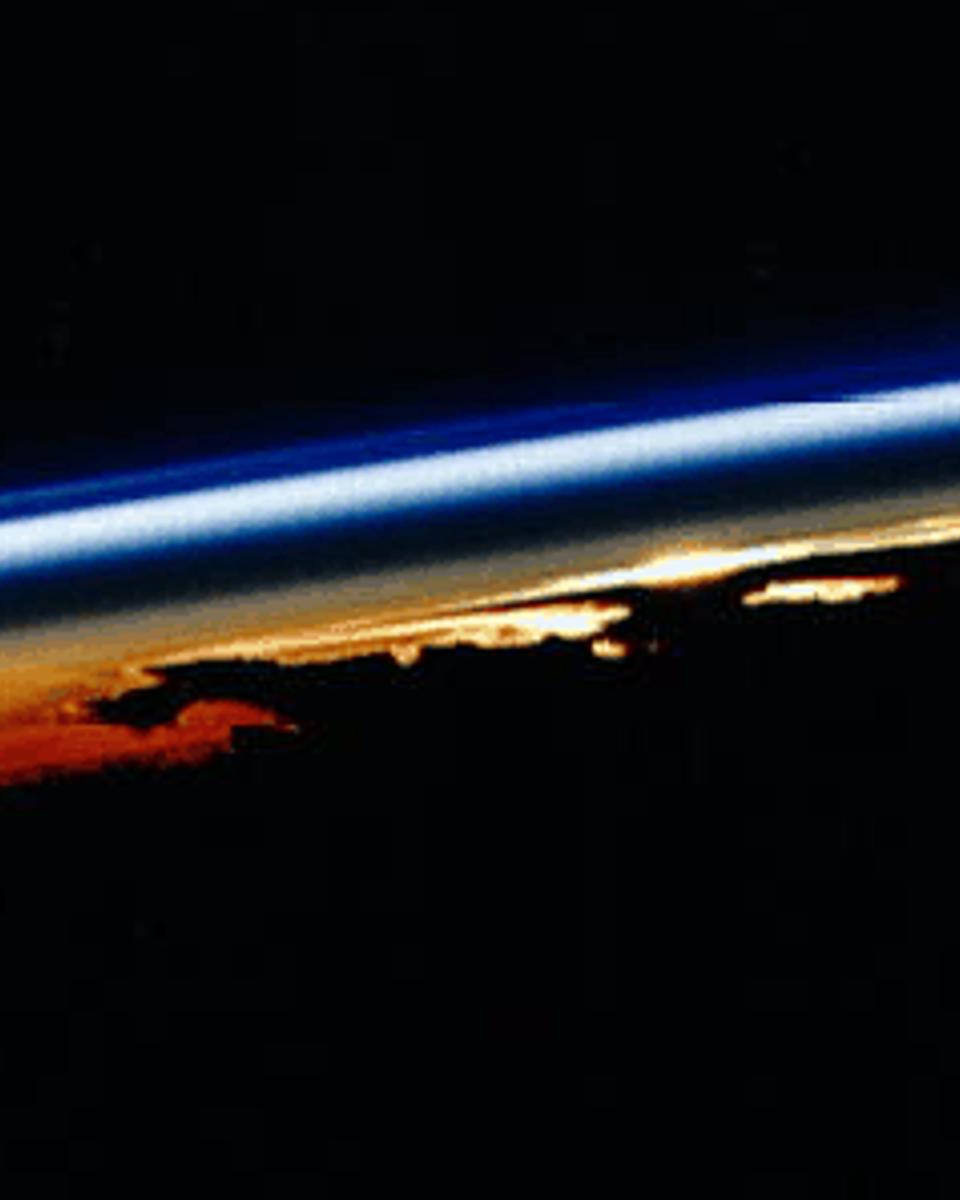
The Sun Also Rises
Sunrise seen from low Earth orbit by the shuttle astronauts can be very dramatic indeed (and the authors apologize to Hemingway for using his title!). In this breathtaking view,…
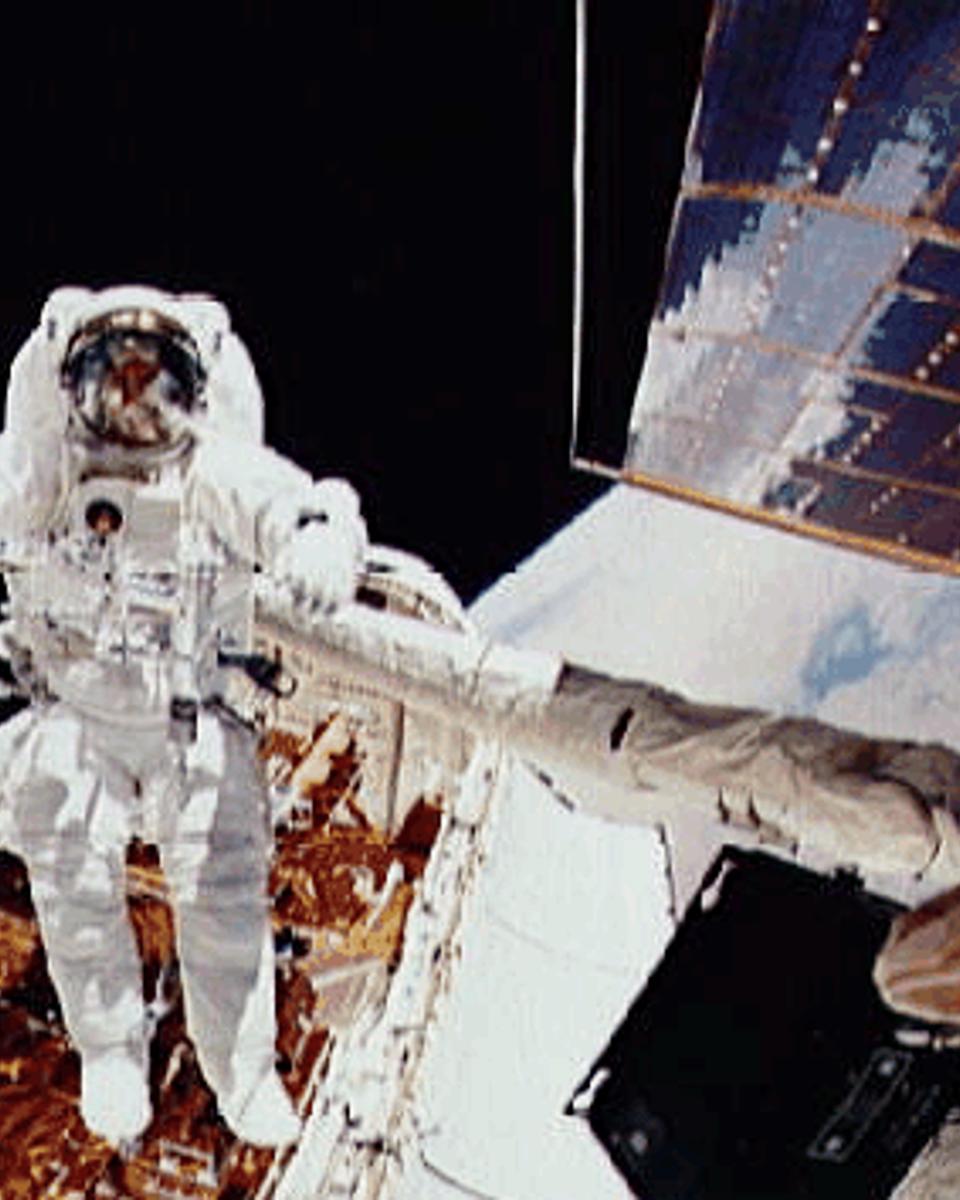
Repairing Hubble
The first Hubble Space Telescope (HST) servicing mission, STS-61, was one of the most complicated shuttle missions ever planned. Launched on December 2, 1993 in the Space Shuttle…
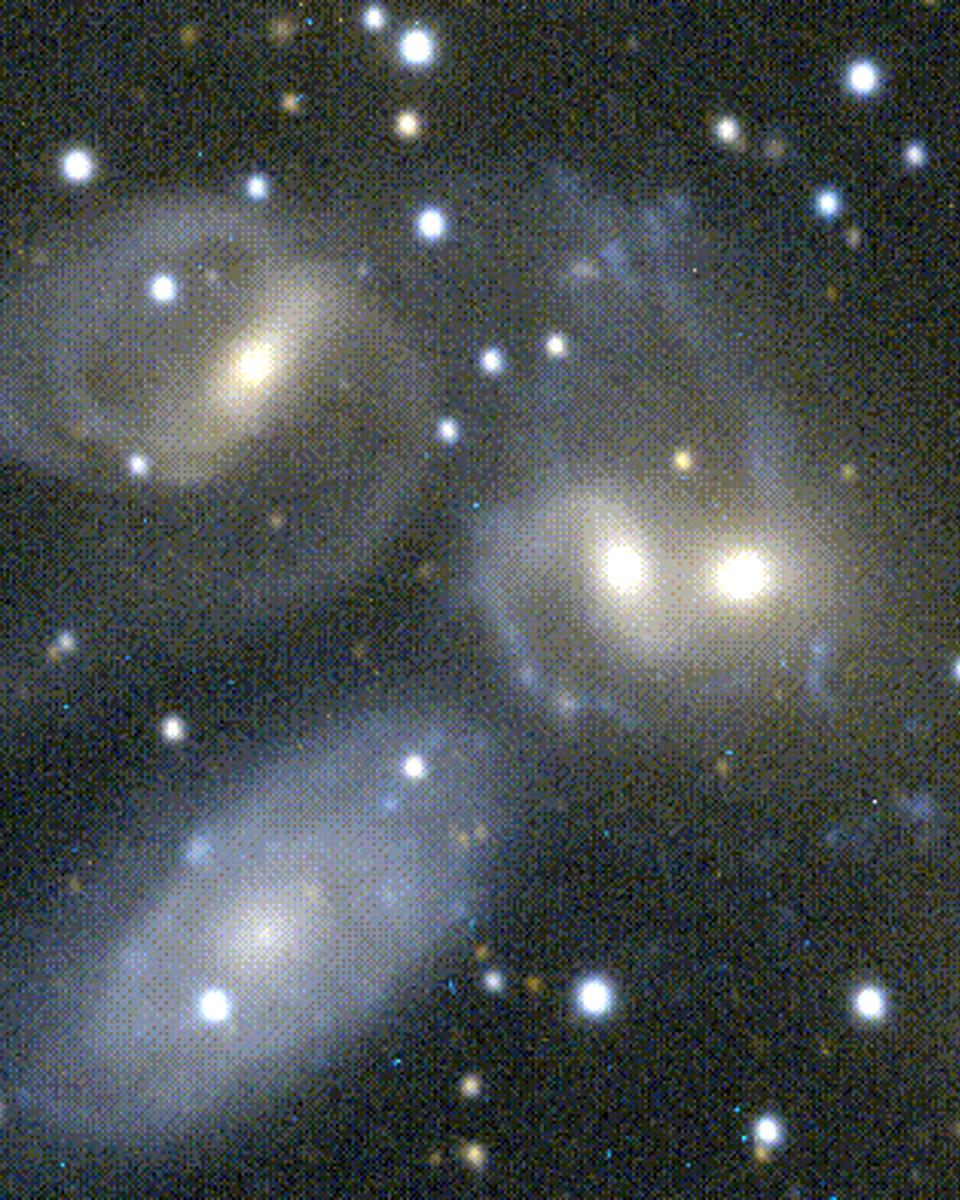
A Quintet of Galaxies
Five closely grouped galaxies are visible in this image made using the Kitt Peak National Observatory 2.1 meter telescope. The grouping is commonly known as Stephan's Quintet .…
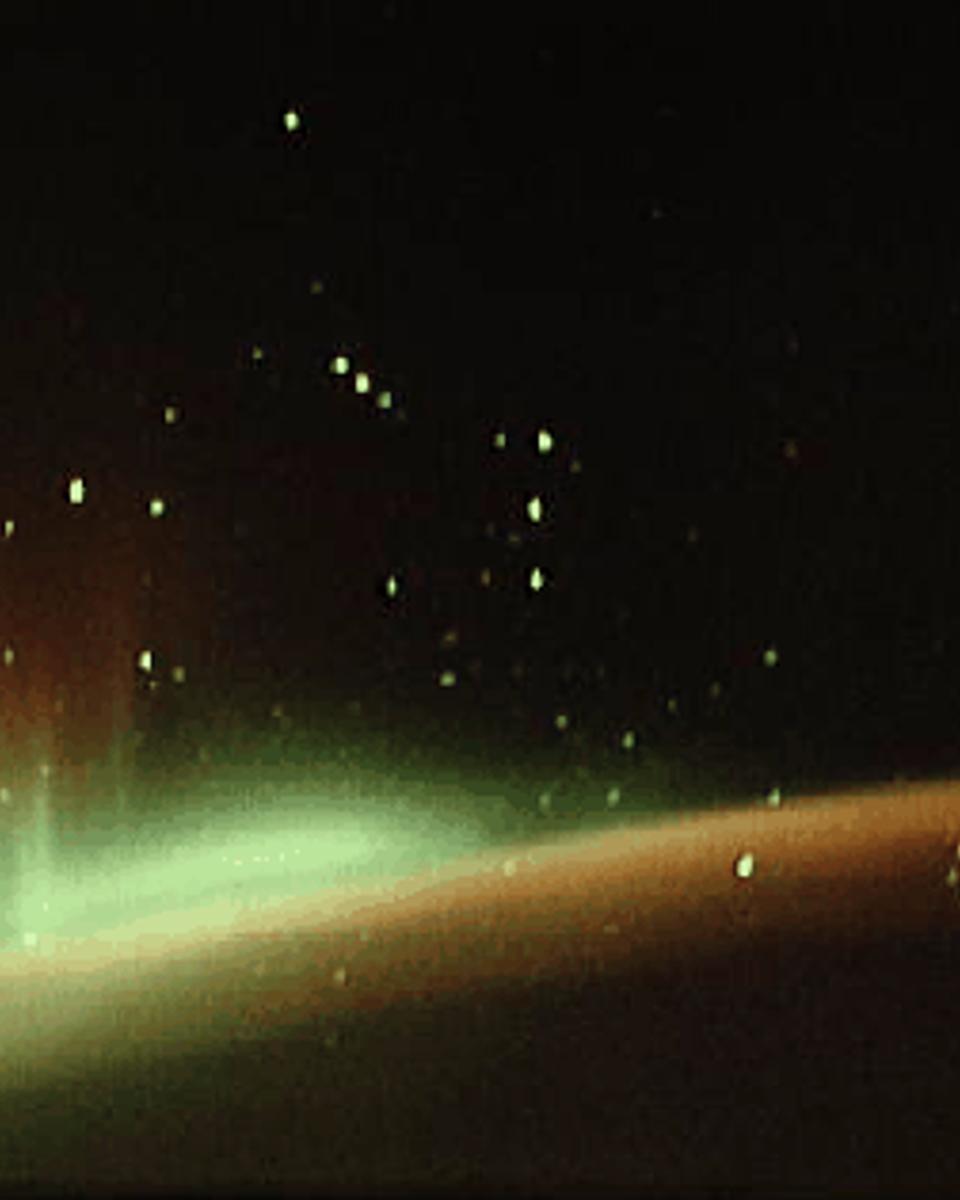
Aurora and Orion
Looking toward the south from low Earth orbit, the crew of the Space Shuttle Endeavor made this stunning time exposure of the Aurora Australis (southern lights) in April of 1994.…
Viewing discoveries from 7 December 1995 through 14 November 1995.